 📌 2026-09-25
RSS
 📌 2026-09-25
 📌 2026-09-01
 📌 2026-08-09
 📌 2026-08-07
 📌 2026-07-01
 📌 2026-06-29
 📌 2026-06-28
 📌 2026-06-26
 📌 2026-05-18
 📌 2025-10-09
 📌 2025-10-09
 📌 2025-10-09
 📌 2025-10-09
 📌 2025-10-09
 📌 2025-02-18
 2026-09-25
 2026-09-25
 2026-09-25
 2026-09-24
 2026-09-23
 2026-09-10
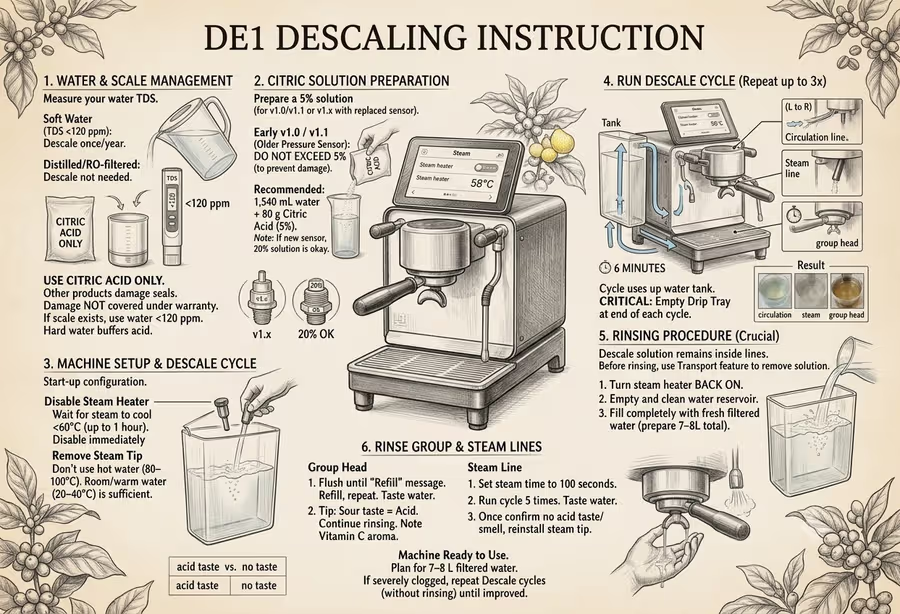 2026-09-07
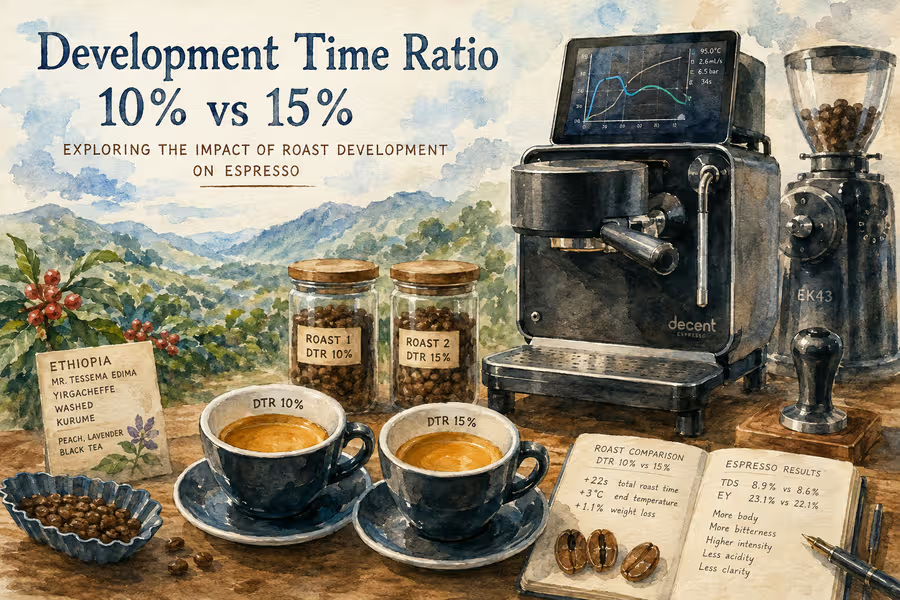 2026-08-29
 2026-08-28
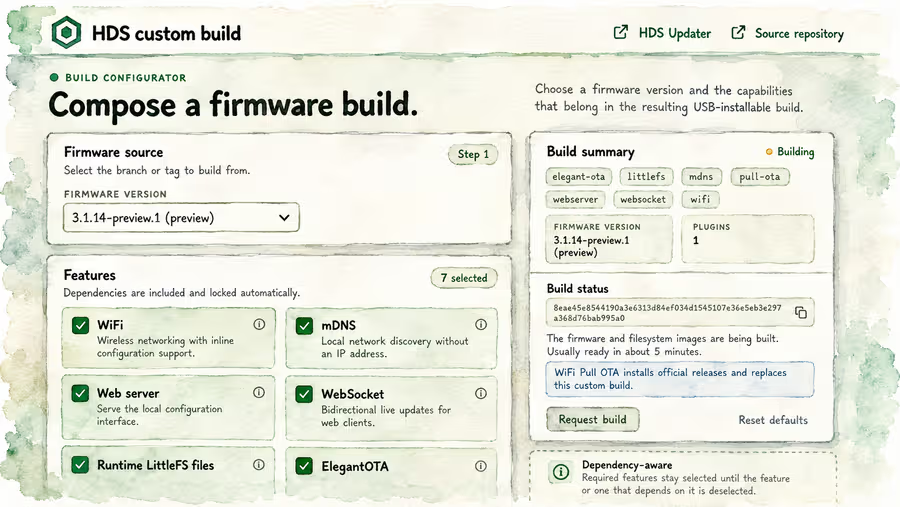 2026-08-28
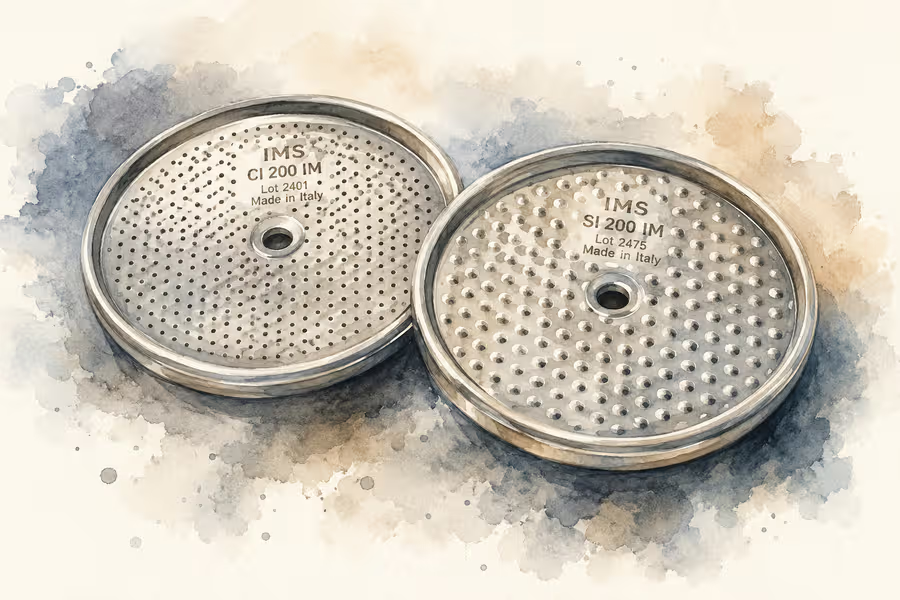 2026-08-27
 2026-08-26
 2026-08-25
 2026-08-25
 2026-08-24
 2026-08-23
 2026-08-22
 2026-08-18
 2026-08-18
 2026-08-18
 2026-08-18
 2026-08-17
 2026-08-17
 2026-08-16
 2026-08-16
 2026-08-16
 2026-08-13
 2026-08-09
 2026-08-09
 2026-08-09
 2026-08-08
 2026-08-08
 2026-08-08
 2026-08-07
 2026-08-07
 2026-08-07
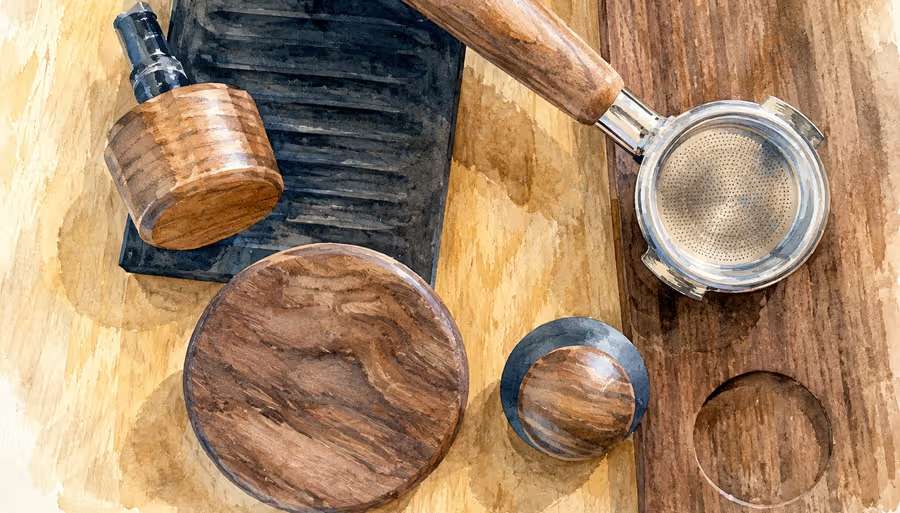 2026-08-07
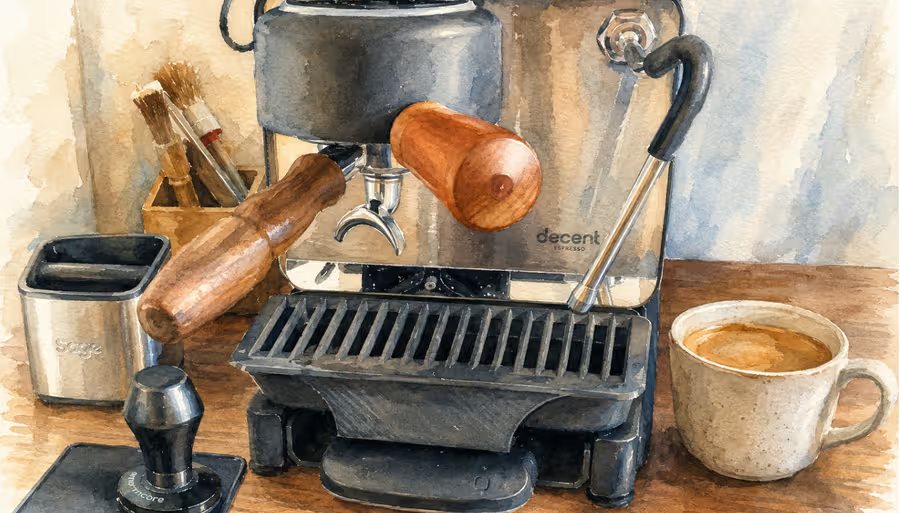 2026-08-06
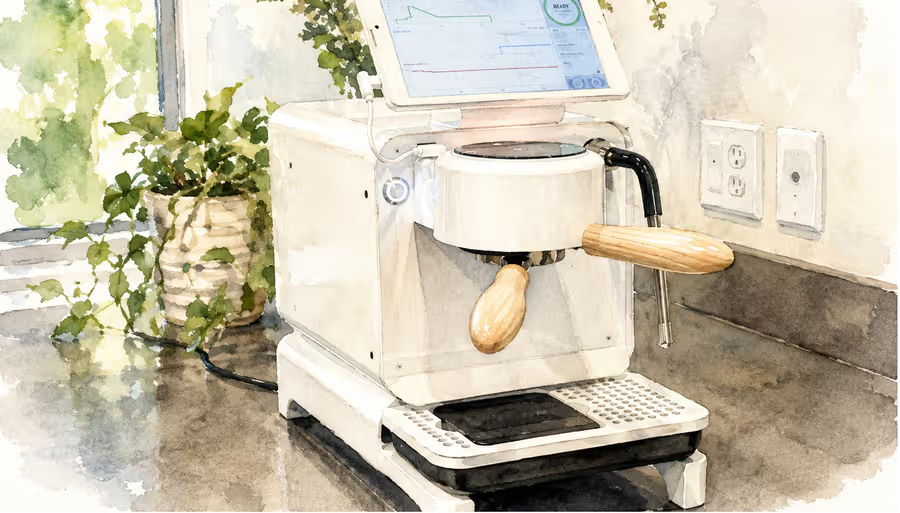 2026-08-06
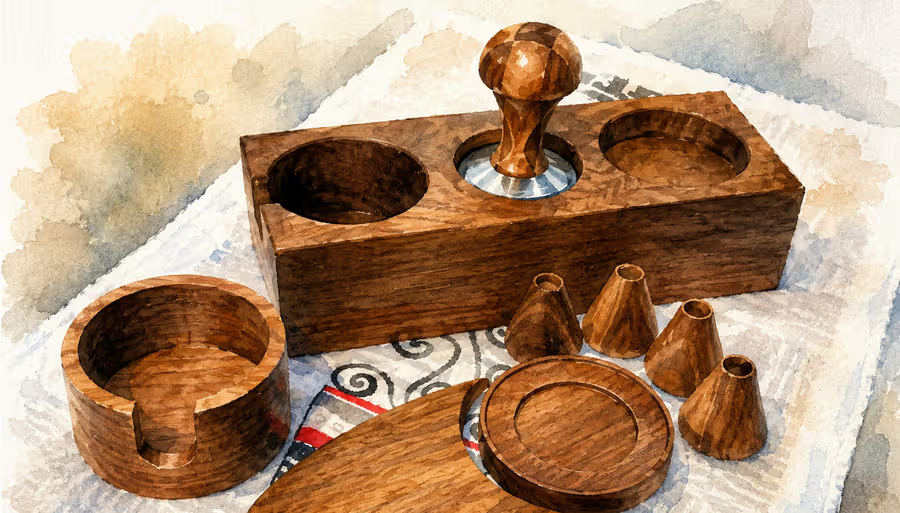 2026-08-06
 2026-08-06
 2026-08-06
 2026-08-06
 2026-08-06
 2026-08-05
 2026-08-05
 2026-08-05
 2026-08-05
 2026-08-04
 2026-08-04
 2026-08-04
 2026-08-04
 2026-08-04
 2026-08-04
 2026-08-04
 2026-07-01
 2026-07-01
 2026-07-01
 2026-07-01
 2026-07-01
 2026-07-01
 2026-07-01
 2026-07-01
 2026-07-01
 2026-07-01
 2026-07-01
 2026-07-01
 2026-07-01
 2026-07-01
 2026-06-30
 2026-06-30
 2026-06-30
 2026-06-30
 2026-06-30
 2026-06-30
 2026-06-30
 2026-06-30
 2026-06-29
 2026-06-29
 2026-06-29
 2026-06-29
 2026-06-29
 2026-06-29
 2026-06-29
 2026-06-29
 2026-06-29
 2026-06-29
 2026-06-29
 2026-06-29
 2026-06-29
 2026-06-29
 2026-06-29
 2026-06-29
 2026-06-29
 2026-06-29
 2026-06-28
 2026-06-28
 2026-06-28
 2026-06-28
 2026-06-28
 2026-06-28
 2026-06-28
 2026-06-28
 2026-06-28
 2026-06-28
 2026-06-28
 2026-06-28
 2026-06-28
 2026-06-28
 2026-06-28
 2026-06-28
 2026-06-28
 2026-06-28
 2026-06-28
 2026-06-28
 2026-06-28
 2026-06-28
 2026-06-28
 2026-06-28
 2026-06-28
 2026-06-27
 2026-06-27
 2026-06-27
 2026-06-27
 2026-06-27
 2026-06-27
 2026-06-27
 2026-06-27
 2026-06-27
 2026-06-27
 2026-06-27
 2026-06-27
 2026-06-27
 2026-06-27
 2026-06-27
 2026-06-26
 2026-06-26
 2026-06-26
 2026-06-26
 2026-06-26
 2026-06-26
 2026-06-26
 2026-06-26
 2026-06-26
 2026-06-26
 2026-06-26
 2026-06-26
 2026-06-26
 2026-06-26
 2026-06-26
 2026-06-18
 2026-06-17
 2026-05-29
 2026-05-28
 2026-05-28
 2026-05-28
 2026-05-21
 2026-05-07
 2026-04-17
 2026-03-29
 2026-03-26
 2026-03-23
 2026-02-28
 2026-02-11
 2026-01-26
 2026-01-16
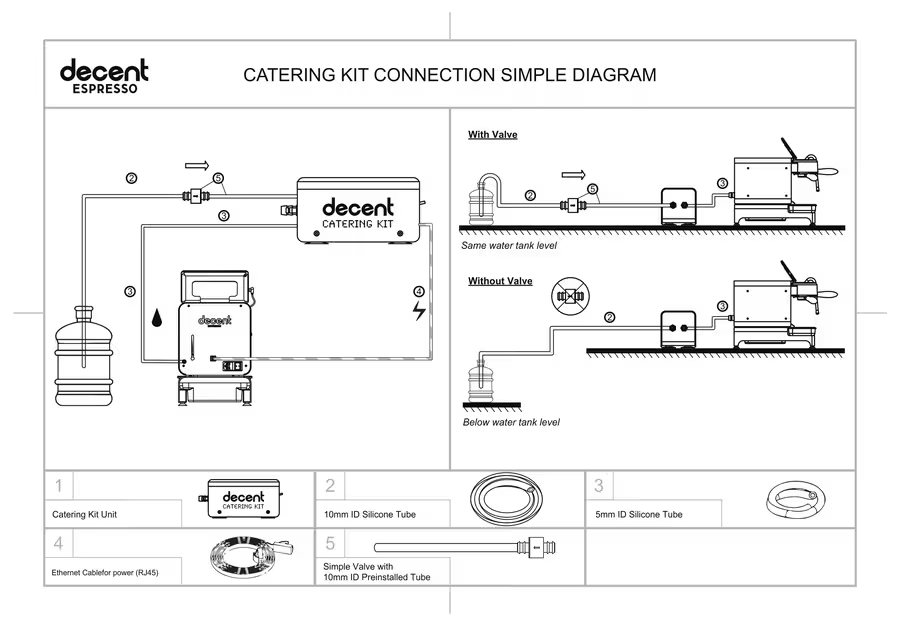 2026-01-14
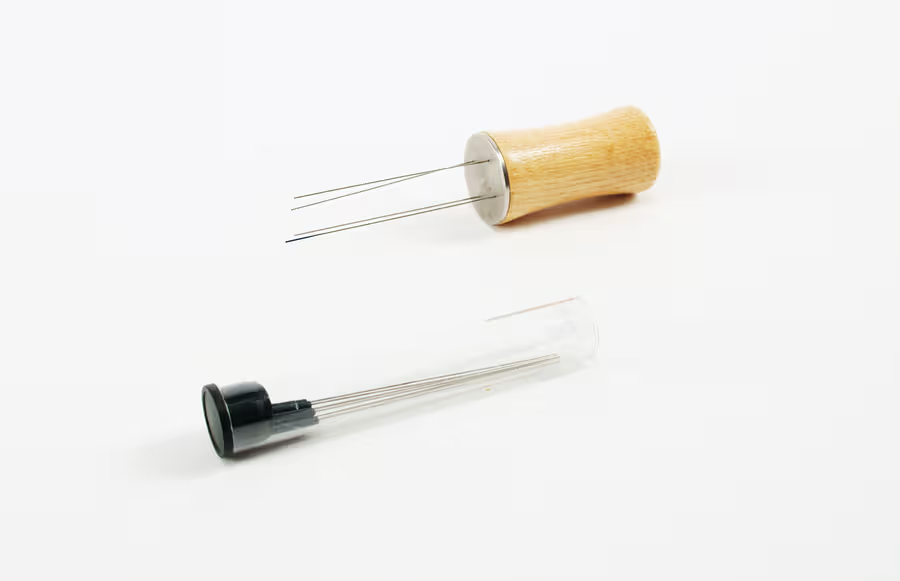 2026-01-12
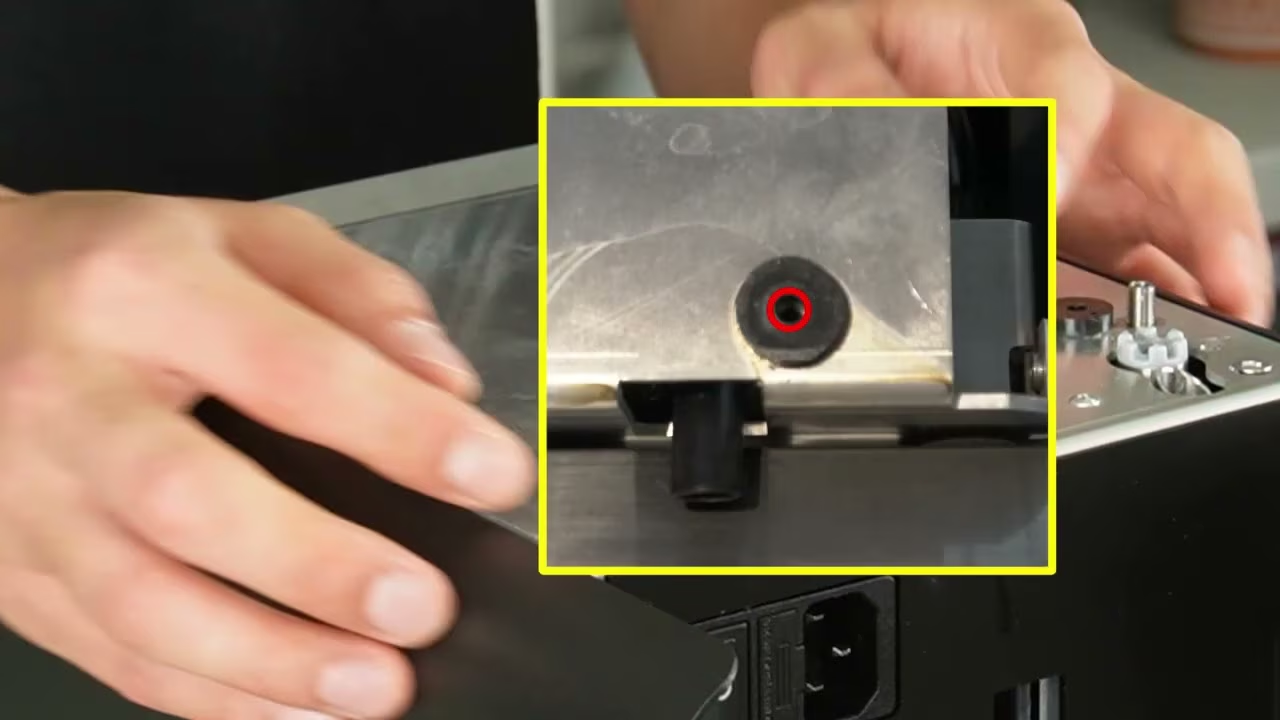 2026-01-06
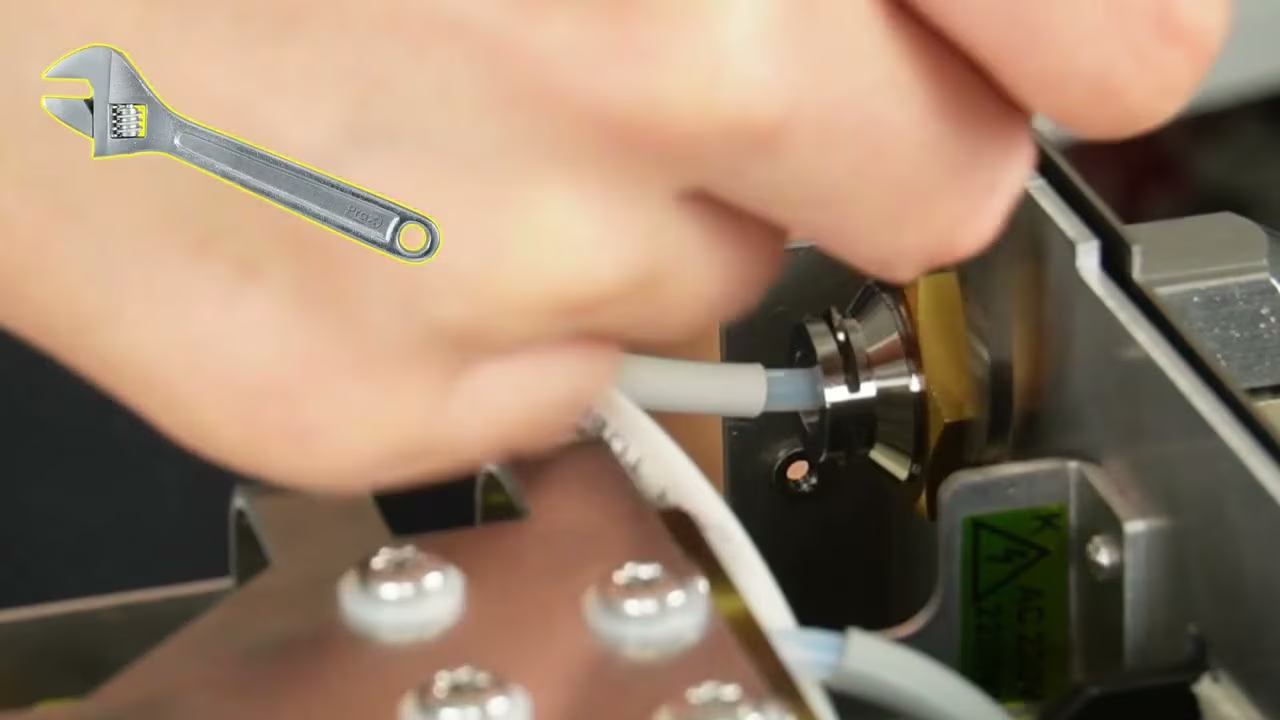 2025-12-28
 2025-12-22
 2025-12-16
 2025-12-15
 2025-12-11
 2025-12-04
 2025-11-26
 2025-11-24
 2025-11-01
 2025-10-08
 2025-10-07
 2025-09-29
 2025-09-26
 2025-09-26
 2025-09-16
 2025-08-13
 2025-08-11
 2025-07-29
 2025-07-15
 2025-05-30
 2025-05-29
 2025-05-29
 2025-05-28
 2025-05-08
 2025-04-23
 2025-04-09
 2025-03-28
 2025-02-25
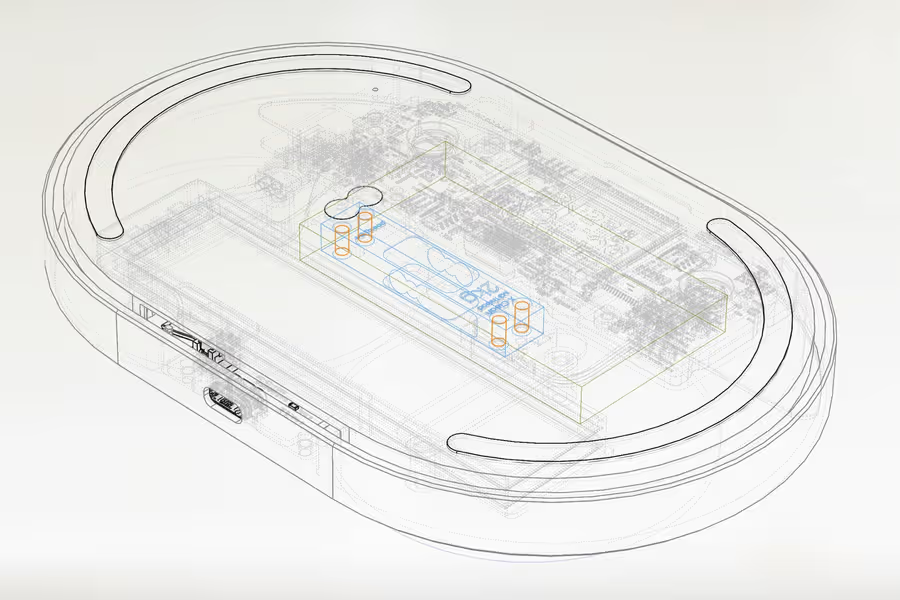 2025-02-25
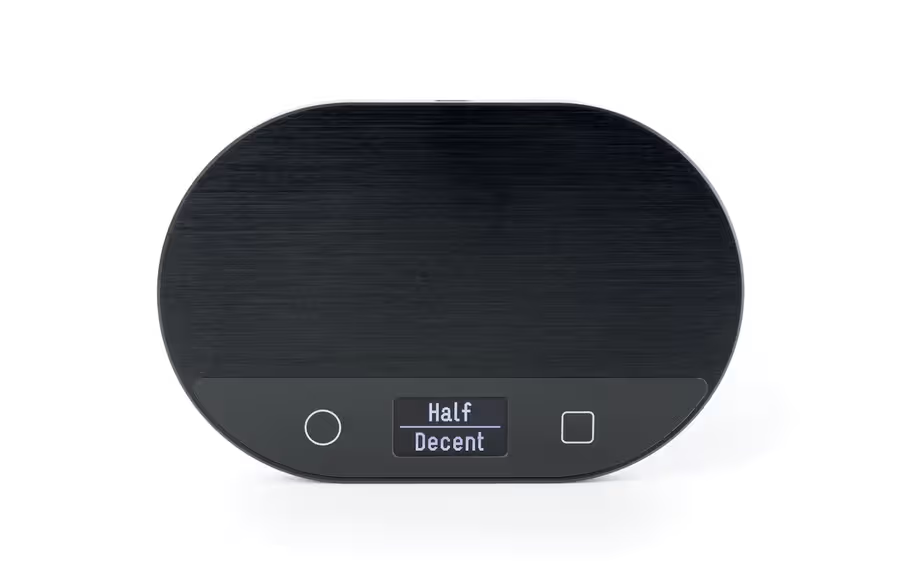 2025-02-24
 2025-02-24
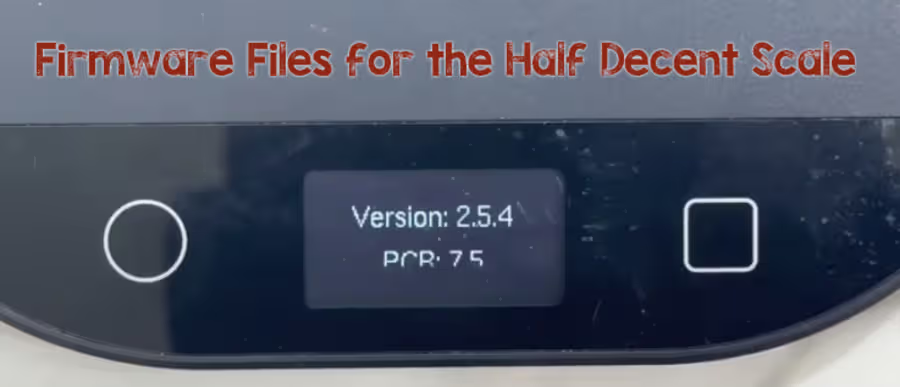 2025-02-23
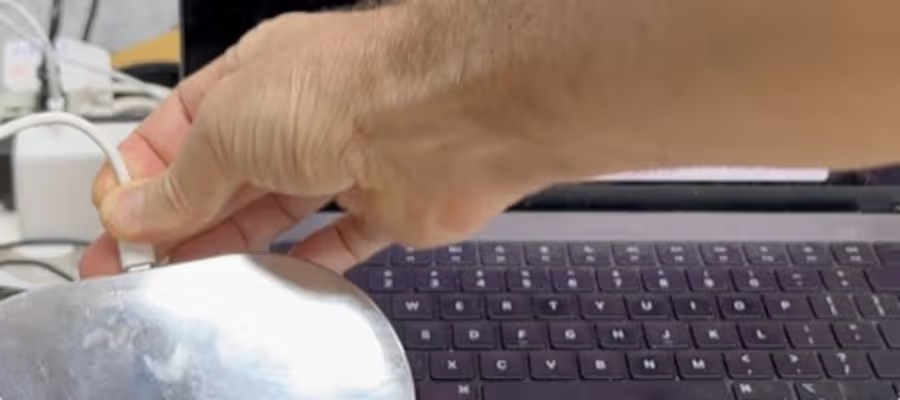 2025-02-19
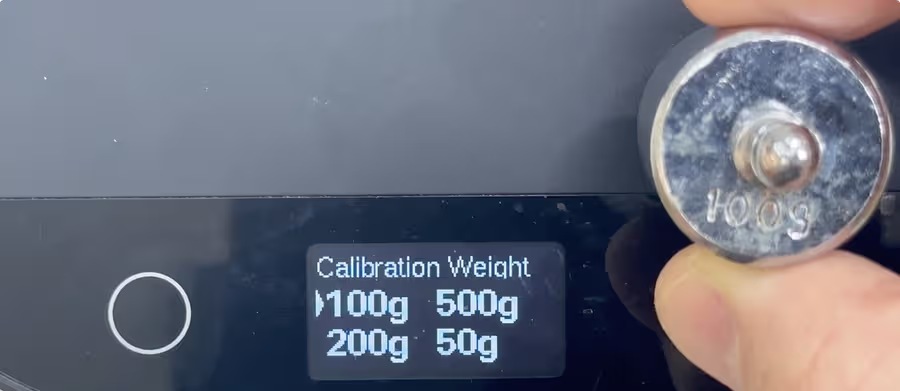 2025-02-18
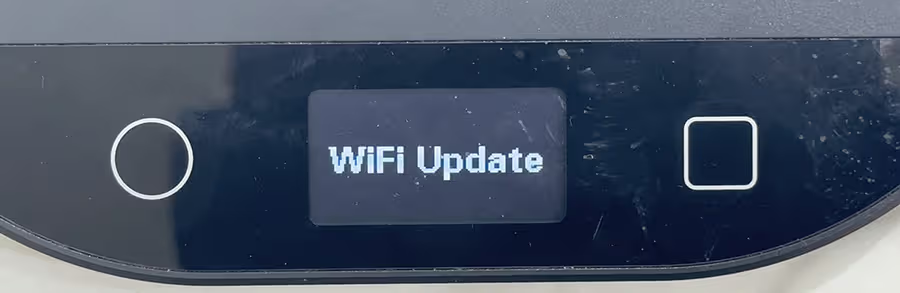 2025-02-18
 2025-02-17
 2025-02-16
 2025-02-06
 2025-02-06
 2025-02-06
 2025-01-08
 2025-01-06
 2025-01-04
 2025-01-04
 2025-01-04
![Basic lesson on steaming milk [Video]](//fast.decentespresso.com/f/0/thumbnail_1000584.avif) 2025-01-04
2025-01-04
 2025-01-02
 2025-01-01
 2024-07-29
 2021-03-10
 2020-12-02
Decent Espresso docs
📌 2026-09-25
 📌 2026-09-01
Coffee research
Espresso is a deceptively complex system. Small changes in puck preparation, flow, pressure, basket geometry, temperature, or roast development can produce measurable—and sometimes surprising—differences in extraction and taste. In this overview post, you find all of the research by Stéphane Ribes about coffee, analyzed, and re-written to get the most out of it and make it easier to follow. [more] 📌 2026-08-09
Tablet-related documentation
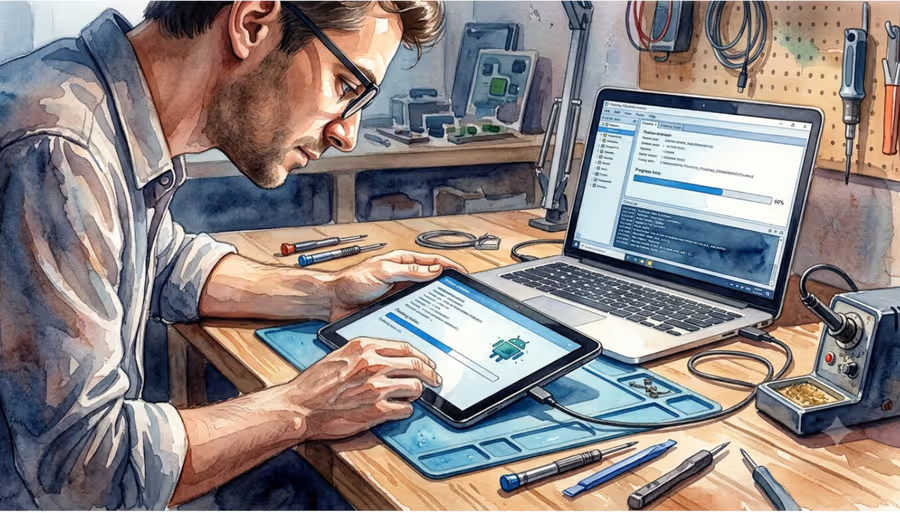
This documentation covers essential maintenance and recovery procedures for your Decent Espresso tablet. Learn how to streamline your tablet to eliminate UI lag and shot graph frame drops. Here, we also provide instructions for reflashing Android firmware across various tablet models (including Alba8, K811C, Teclast P80X, and 91PAD) to resolve persistent boot issues. [more] 📌 2026-08-07
Pimp your DE1
Thanks to our open source approach, the community has found a myriad of ways to transform the Decent Espresso machine according to their wishes. Below are the 3rd party accessories and solutions that we are aware of. If you know of anything else and want it added, please contact our tech support team so that we can add it to the list. [more] 📌 2026-07-01
Q&A about profiles - questions overview
Master advanced espresso extraction with our complete Q&A guide to Decent Espresso profiles. Learn how to dial in recipes like Blooming Espresso and Rao Allongé, master pressure vs. flow profiling, optimize temperature settings, and eliminate channeling for the perfect shot. [more] 📌 2026-06-29
Q&A with Decent - questions overview
Here's our comprehensive Q&A collection, covering everything from the Decent Espresso backstory and engineering philosophy to detailed technical breakdowns of the DE1 machine. Discover how our unique approach to real-time espresso control, thermal stability, and pressure profiling compares against E61, Breville, and lever-style machines. [more] 📌 2026-06-28
Common Decent Espresso machine problems and solutions
Need help troubleshooting your Decent Espresso machine? Here, we show you solutions for common hardware and software issues. If none of the solutions here help your case, contact our tech support team for further advice. [more] 📌 2026-06-26
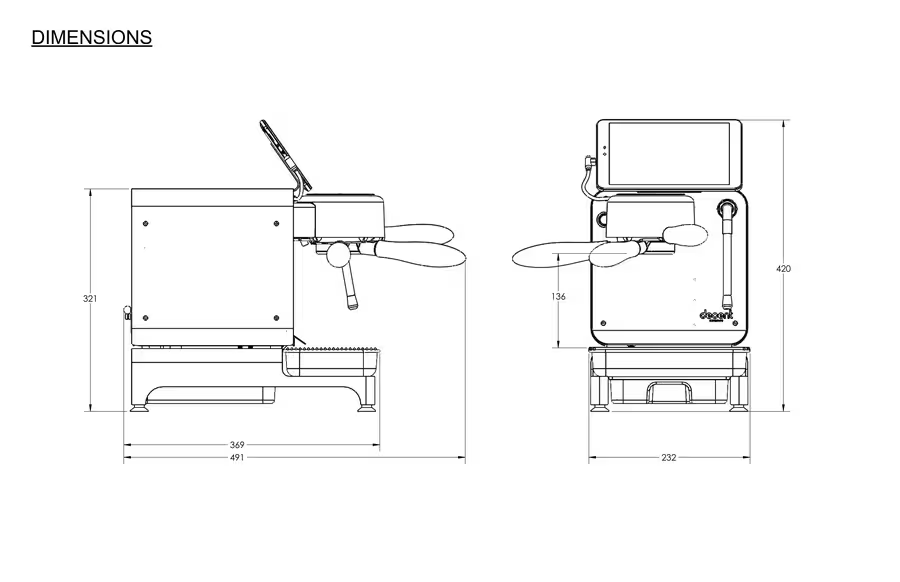
Drawings of DE1 parts and accessories
Here, you can find all the technical drawings and specifications for Decent Espresso DE1 parts and accessories. Explore detailed schematics, measurements, and component layouts to assist with projects for your DE1 machine. [more] 📌 2026-05-18
Important information about your Decent Espresso machine
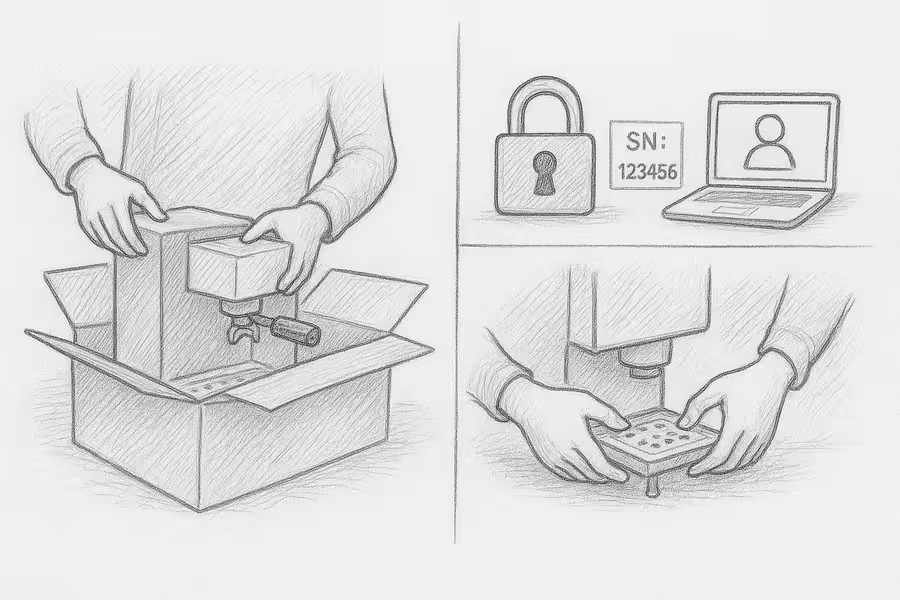
This page provides essential technical guides and policies for Decent Espresso machines. Key topics include setup instructions for plumbing, drainage, and catering kits, water quality recommendations, repacking procedures, and our stolen machine policy. [more] 📌 2025-10-09
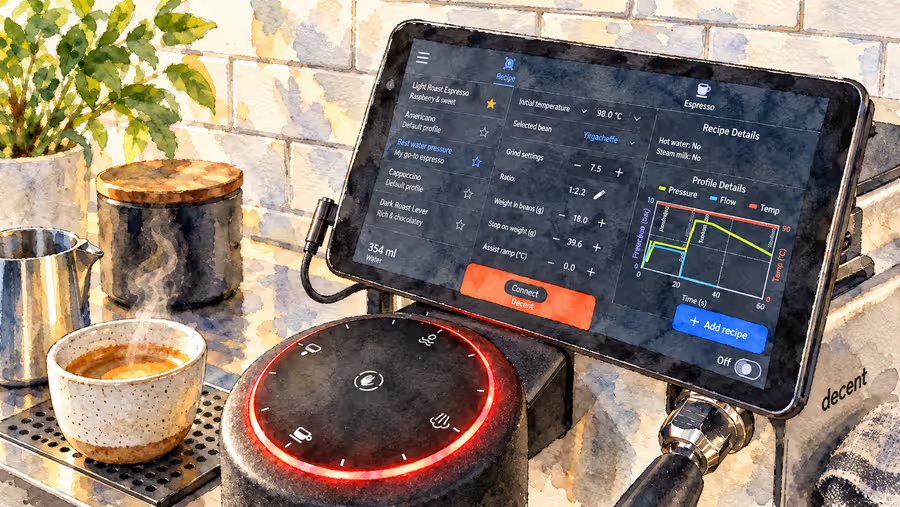
DE1app-related documentation
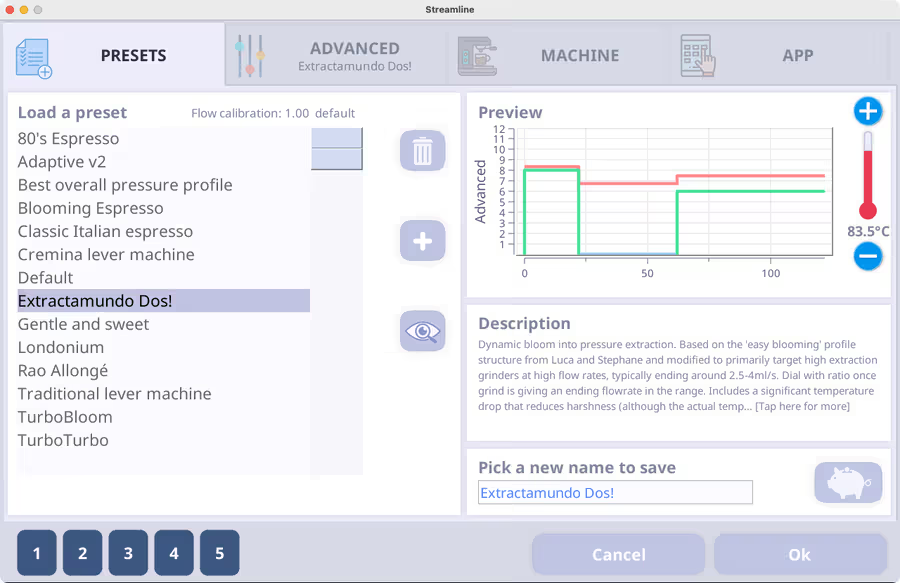
This documentation provides a comprehensive guide to the DE1 tablet application, covering core functionalities like profile customization. It includes instructions for navigating different "skins," utilizing extensions like "Describe Your Espresso," and managing advanced settings for pressure, flow, and temperature to optimize espresso extraction. [more] 📌 2025-10-09
Bengle documentation
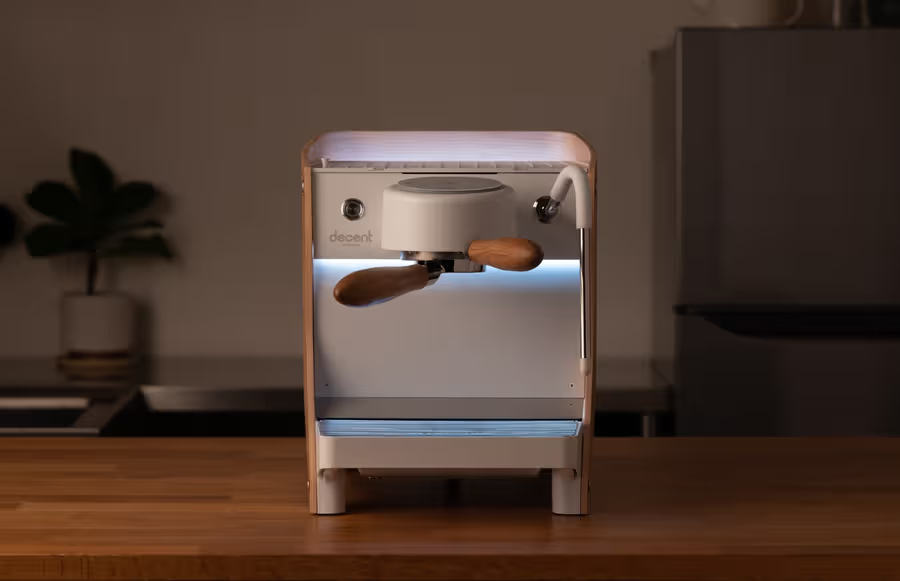
This documentation details the Bengle, Decent’s next-generation espresso machine. Under the open-source approach, CAD files and other documentation is provided for free to invite modders and other third-party individuals to make their own designs based on Bengle. [more] 📌 2025-10-09
Other important documentation
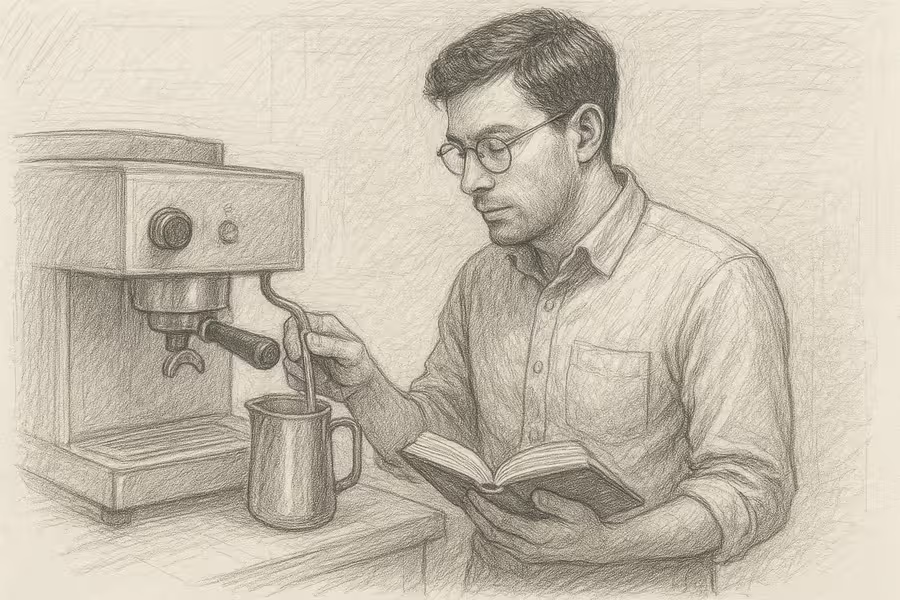
This page provides essential technical guides for Decent gear. Key topics include maintenance tutorials (like changing puck rake needles), and how to power the portable pitcher rinser with a battery. [more] 📌 2025-10-09
Espresso knowledge
If you want to make good espresso at home, some basic espresso knowledge will help you do that. This guide covers things that are good to know using information from Decent Espresso's documentation. Read the sections that interest you, or work through them in order. [more] 📌 2025-10-09
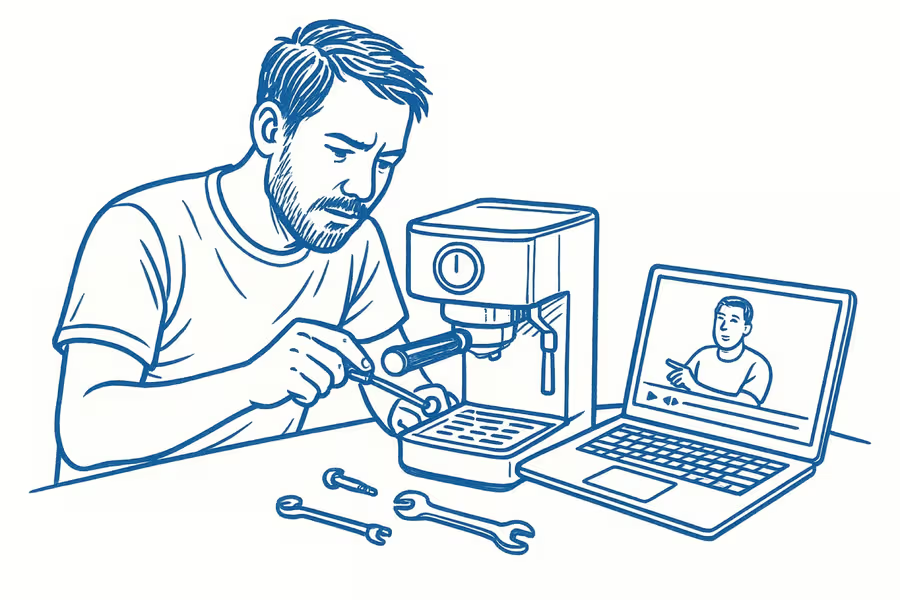
How to repair guides
This page provides comprehensive DIY repair guides for Decent Espresso machines. It includes step-by-step instructions for replacing internal components like sensors, boards, pumps, and manifolds, as well as maintenance tasks for tablets, steam wands, and O-rings. These resources help owners perform hardware fixes and ensure long-term machine functionality. [more] 📌 2025-02-18
Half Decent Scale documentation
This is the ToC linking to our entire documentation of Half Decent Scale (HDS). [more] 2026-09-25
Collection of community-created profiles for the Decent Espresso machines
Decent Espresso’s open platform has given rise to a rich collection of community-created DE1 profiles, covering classic, spring-lever, blooming, turbo, and adaptive styles. [more] 2026-09-25
Despresso
Despresso brings native iOS and Android control to the Decent Espresso machines (DE1), combining recipes, profiles, scales, shot history, and coffee data. Read the article for more details on this 3rd party app that you can use instead of the de1app. [more] 2026-09-25
Decenza
Decenza is a cross-platform, open-source app for Decent Espresso machines, offering precise control, clear extraction data, and built-in accessibility. Read on for more info on this 3rd party app, which you can use instead of the de1app. [more] 2026-09-24
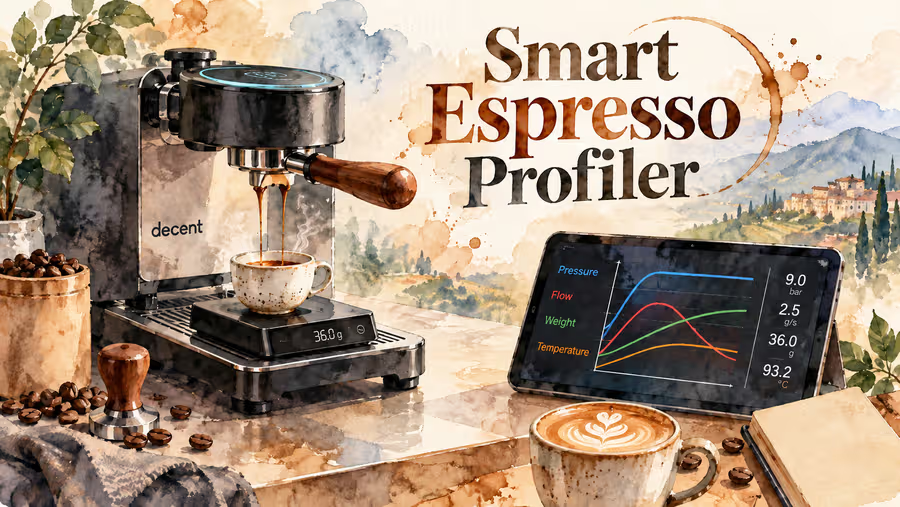
Smart Espresso Profiler (SEP)
Smart Espresso Profiler (SEP) adds real-time DE1 control, classic machine profiles, GHC operation, Bluetooth scale support, and Android or iOS setup. Read on for our explanation on how to install and how to use this 3rd-party app. [more] 2026-09-23
What the symbols on the Group head controller (GHC) mean
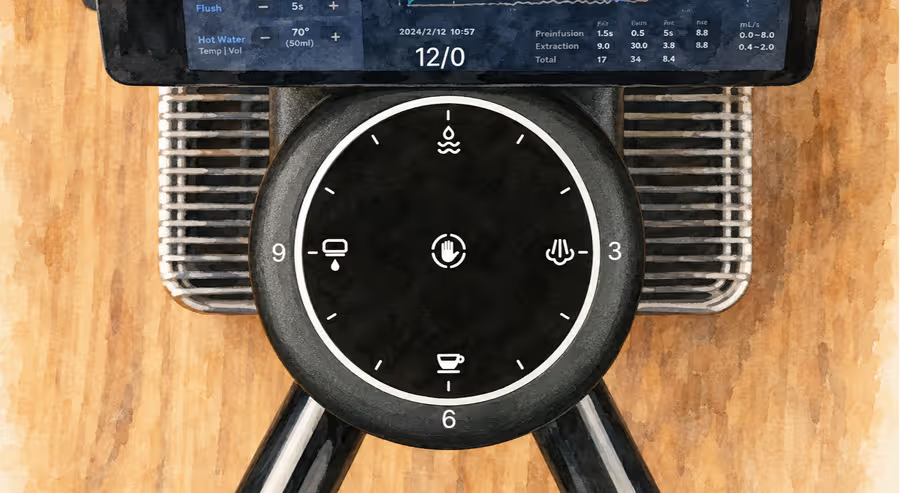
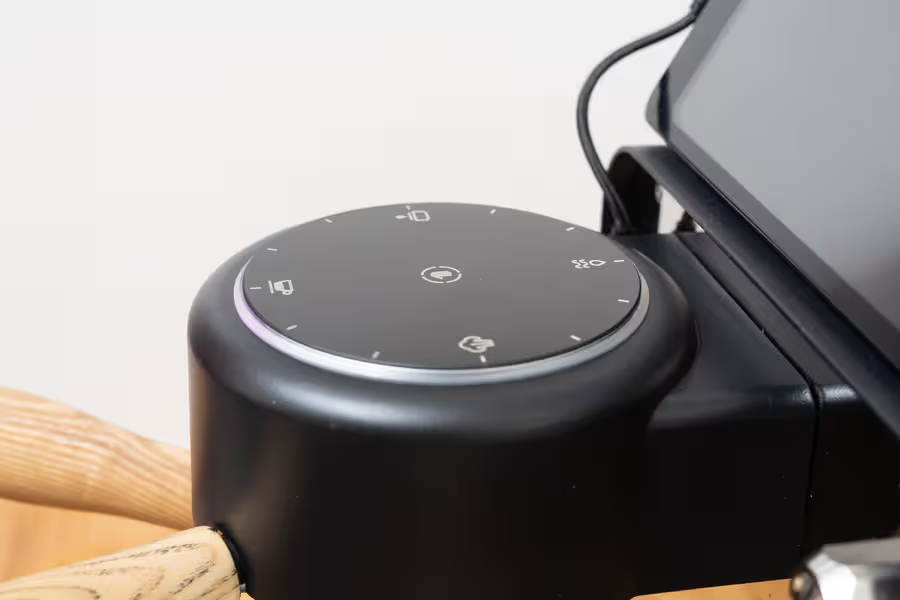
Starting with the v1.1 machines, all Decent Espresso machines were equipped with a so-called group head controller. In short, it's called GHC. You can think of this controller as analogous to a clock face. Each tick represents the number that would correspond on a clock (see title picture above). Her... [more] 2026-09-10
How to set up HDS Grind by Weight
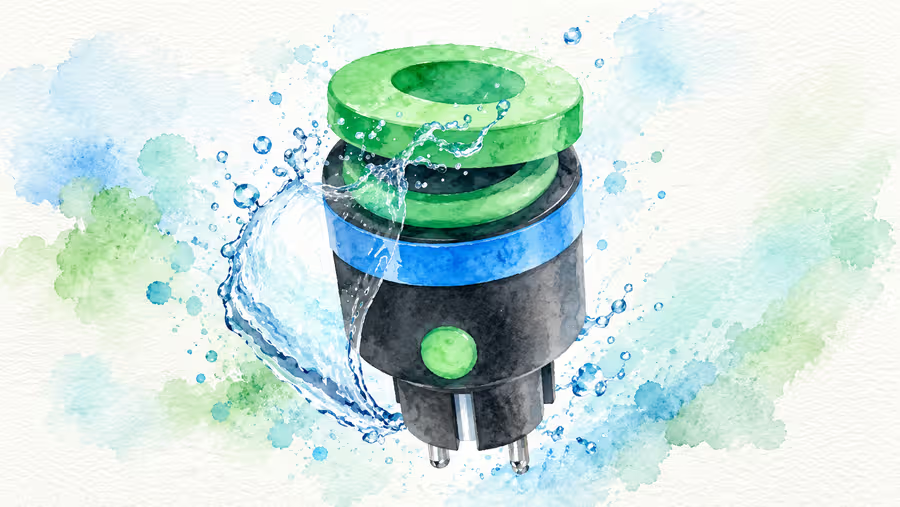
Automate your coffee grinder with the Half Decent Scale (HDS) Grind by Weight plugin. This is a complete guide covering smart plug setup, dosing, and troubleshooting. [more] 2026-09-07
DE1 Descaling Instructions
Read Me First If you use soft enough water (TDS below 120 ppm), you only need to descale your machine once a year or every 2 years. If you use distilled or RO-filtered water, you don't need to descale your machine. The best way to determine this is to measure the TDS of your water. If there is a scale buildup issue, you can use distilled water or sufficiently soft water (TDS below 120 ppm) for descaling. Otherwise, the acid will be buffered by the hard water and become less effective. Use CITRIC ... [more] 2026-08-29
Effect of Development Time Ratio (DTR) on Kaffelogic-roasted espresso: a comparison of 10% and 15% DTR
Evaluating light-roast Ethiopian coffee on a Decent Espresso machine shows that higher DTR requires less coffee dose to match peak extraction pressure while trading fruity acidity for body. [more] 2026-08-28
10g espresso dose: better in a 7g or in a 15g basket?
Testing a 10g espresso dose in 7g and 15g baskets reveals that while single baskets produce balanced shots, 15g baskets achieve far superior extraction yield, TDS, and body. [more] 2026-08-28
HDS Custom Build - how to use it
Customize your Half Decent Scale using HDS Custom Build by selecting approved features and plugins, managing dependencies automatically, and generating a single USB-installable update file. [more] 2026-08-27
IMS CI 200 IM vs IMS SI 200 IM: Effects on espresso pressure, Extraction Yield, puck structure, and radial uniformity
Here's an analysis of shower screen geometry by Stéphane Ribes, demonstrating how reduced puck headspace with the IMS SI 200 IM produces drier spent pucks and narrows radial extraction variance. [more] 2026-08-26
Reneka micro-sieve vs VST and IMS precision baskets: Hydraulic, extraction and sensory effects in espresso
In this article, we discuss research by Stéphane Ribes, in which he evaluates Reneka Micro-Sieve vs. VST and IMS baskets, demonstrating how basket geometry impacts extraction yield, pressure stability, and flavor clarity. [more] 2026-08-25
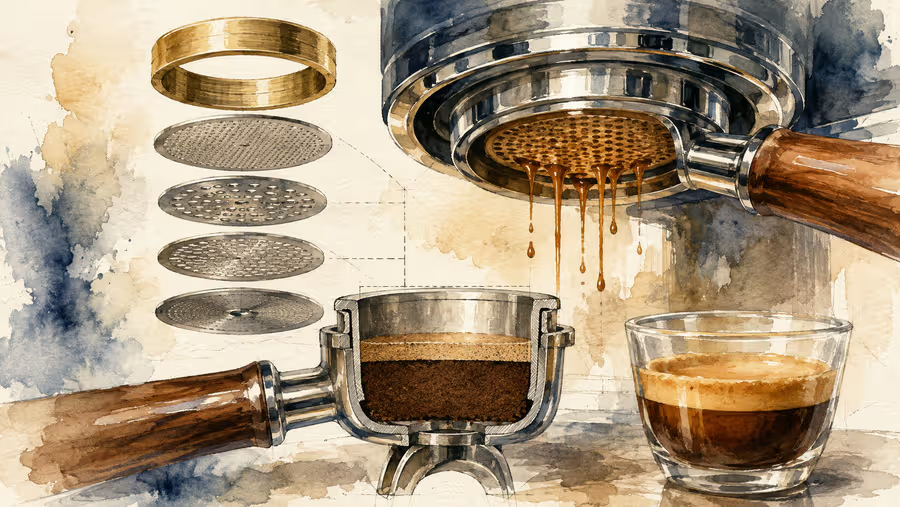
Evaluating what Michael's spacer and various shower screens do to coffee
Here's an evaluation of shower screens and a spacer by Stéphane Ribes, showing how reduced headspace stabilizes pressure declines, enhances puck uniformity, and improves taste quality. [more] 2026-08-25
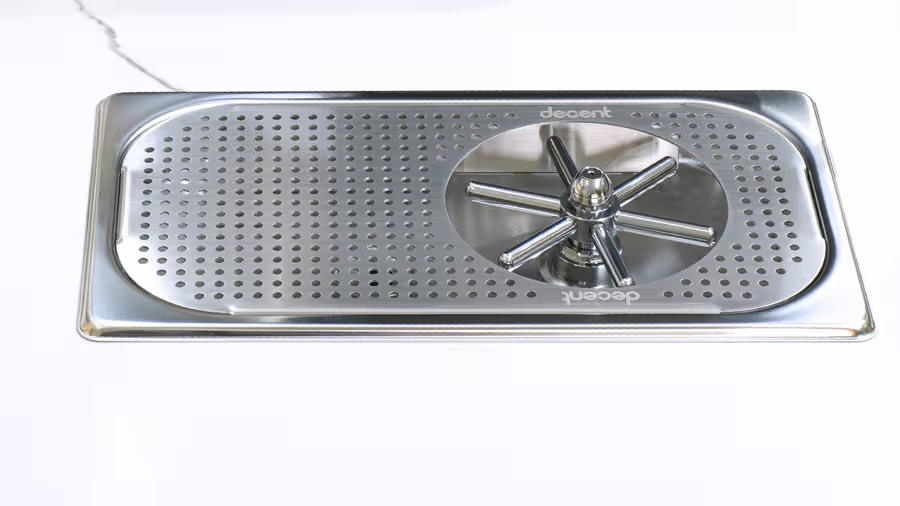
Decent small countersunk rinser installation guide
This guide walks you through installing the Decent small countersunk rinser. Before getting started, be sure you have the small countersunk rinser, the accessories pack, and a Flowjet pump if you plan to connect it to bottled water. [more] 2026-08-24
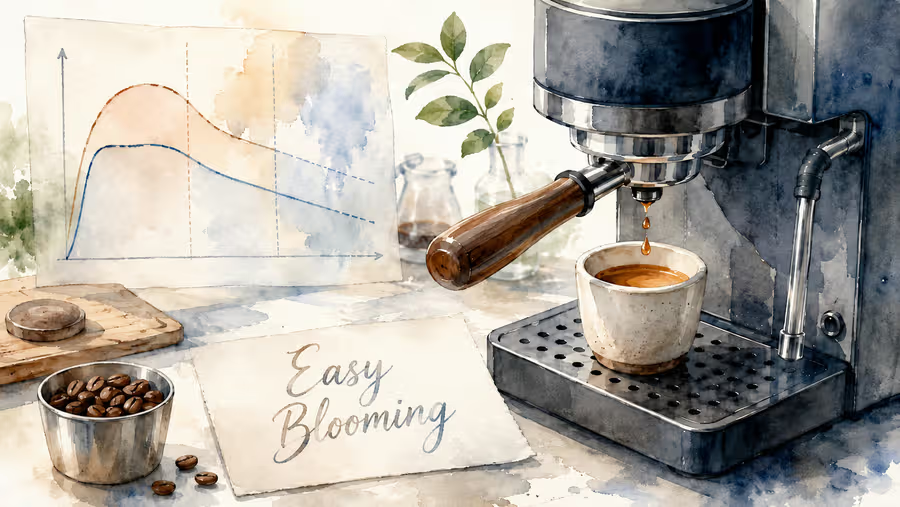
Easy Blooming, compared to the Default and Gentle & Sweet profiles
Here's a data-driven comparison by Stéphane Ribes of Decent Espresso profiles showing how Easy Blooming achieves higher extraction yields, higher taste scores, and lower astringency, than the Default and Gentle & Sweet profiles. [more] 2026-08-23
Easy Blooming: What ending preinfusion at a target pressure (dynamic bloom) and a pressure decline during extraction do to coffee
An analysis of Stéphane Ribes’ dynamic blooming study on the Decent Espresso DE1PRO, showing how pressure-triggered blooms adapt to puck resistance to widen usable grind ranges and improve shot quality. [more] 2026-08-22
The impact of the preinfusion flow rate on espresso extraction
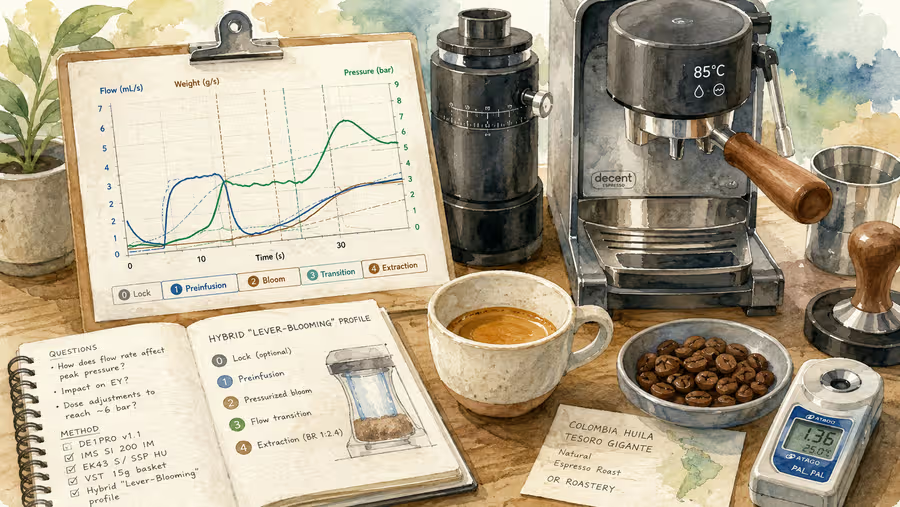
Here's an empirical study by Stéphane Ribes on Decent Espresso profiles revealing how pre-infusion flow rates dictate peak pressure, puck resistance, and dose compensation—while Extraction Yield stays locked at 19.5%–20.0%. [more] 2026-08-18
Effects of a puck screen on extraction
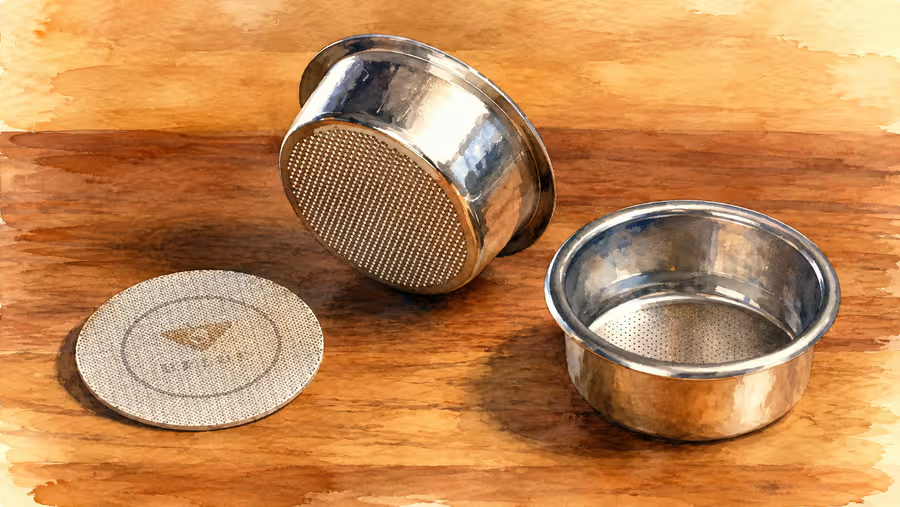
Stéphane Ribes' 2021 study analyzes how a BPLUS contact screen affects espresso extraction yield across VST and Pullman baskets, proving it boosts edge yield and overall shot efficiency. Read on to learn more. [more] 2026-08-18
Which puck preparation technique is best?
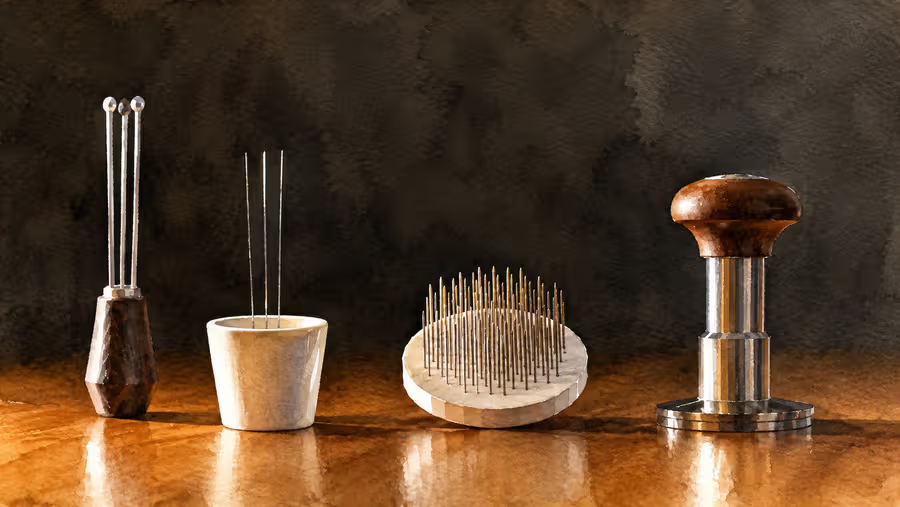
An empirical analysis of espresso puck preparation techniques by Stéphane Ribes reveals how 0.4 mm WDT needles, vertical taps, and the Hog tool optimize extraction yield and taste. [more] 2026-08-18
Higher extraction flow rates without channeling?
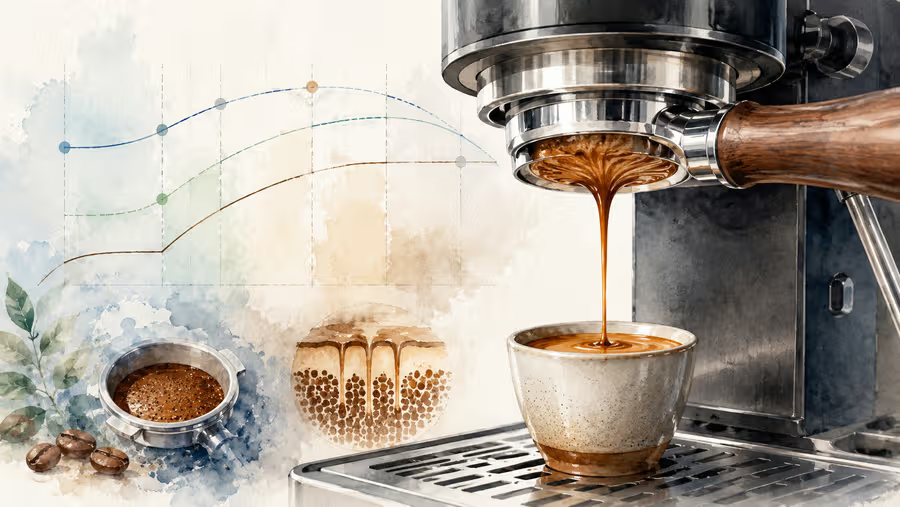
An empirical study by Stéphane Ribes's on the hybrid lever-blooming profile demonstrates how adjusting espresso flow transitions and bloom pressures prevents puck channeling at high extraction flow rates. [more] 2026-08-18
Effects of using frozen beans on coffee
In this article, we discuss how freezing coffee beans impacts espresso extraction consistency, water flow resistance, and flavor profiles based on Stéphane Ribes's experimental findings. See how bean temperature and optimal post-roast resting times alter puck resistance and yield better-tasting shots. [more] 2026-08-17
What spraying your puck does to coffee
Stéphane Ribes tests the effect of spraying water onto a tamped coffee puck, showing how top-surface pre-wetting increases puck resistance and alters flow without lowering extraction yield. [more] 2026-08-17
Effects of a rippled tamper base on espresso extraction
A comparative study on rippled versus flat tamper bases reveals increased extraction yield but lower overall cup quality due to higher astringency and muted acidity. For more details, read on. [more] 2026-08-16
The Hog puck preparation tool
An evaluation of the Hog puck preparation tool reveals how introducing controlled vertical canals into an espresso puck affects extraction dynamics, flow profiles, pressure stability, and in-cup flavor. [more] 2026-08-16
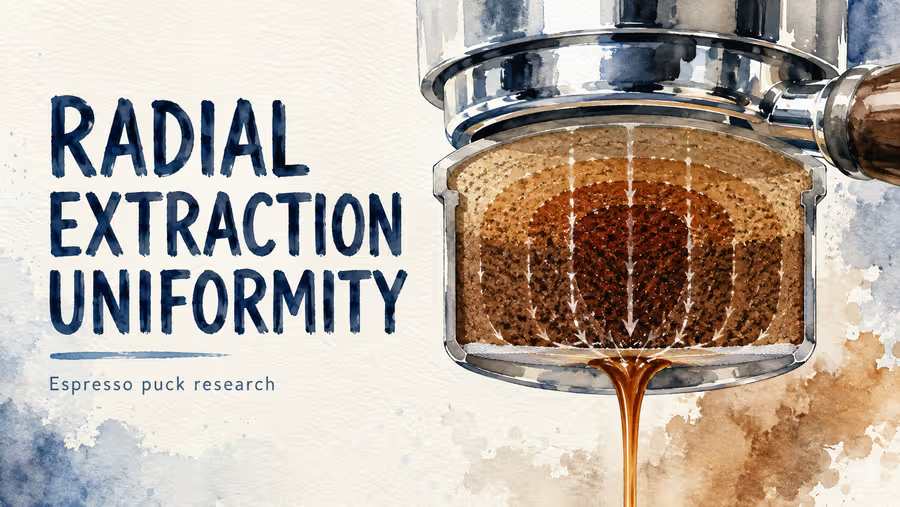
Radial uniformity of espresso extractions
Stéphane Ribes' espresso study analyzes radial extraction uniformity, showing how bottom paper filters, flat tampers, and basket designs (larger perforated surface area) boost extraction yield. [more] 2026-08-16
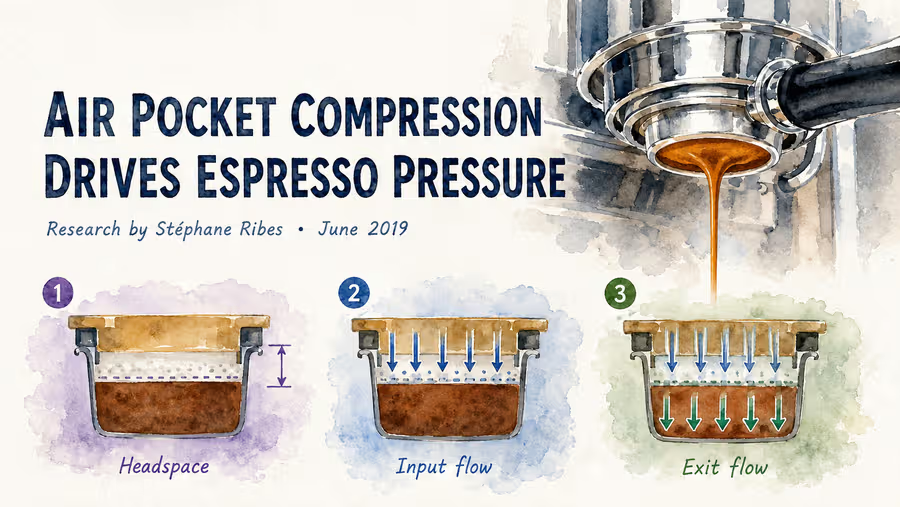
It's almost a blind basket: A first step to better understand a pressure curve during espresso
This article explores how headspace, water flow rate, and grind size drive air compression and pressure dynamics during espresso extraction, based on research by Stéphane Ribes. [more] 2026-08-13
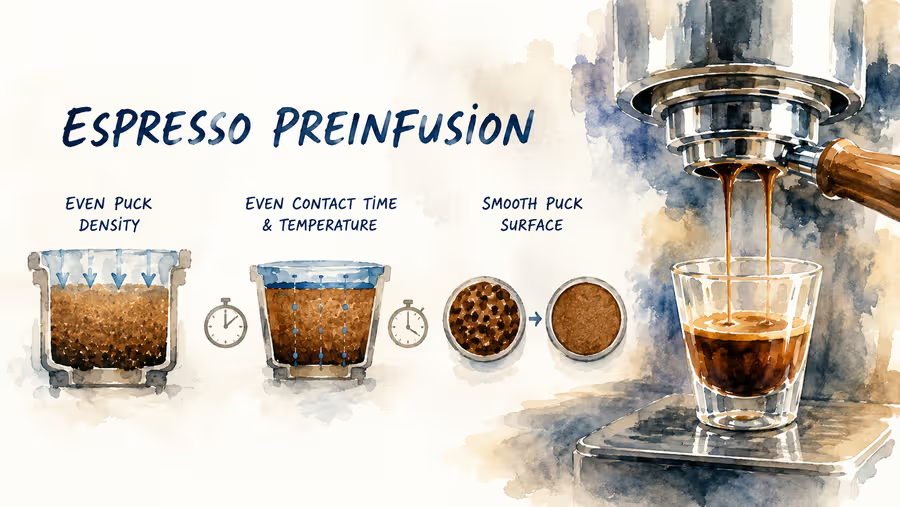
Preinfusion: basic principles, preinfusion on a Decent, and PCT ratio
In this article, Stéphane Ribes analyzes how espresso preinfusion flow rates affect puck density, contact time, temperature consistency, and overall coffee extraction. [more] 2026-08-09
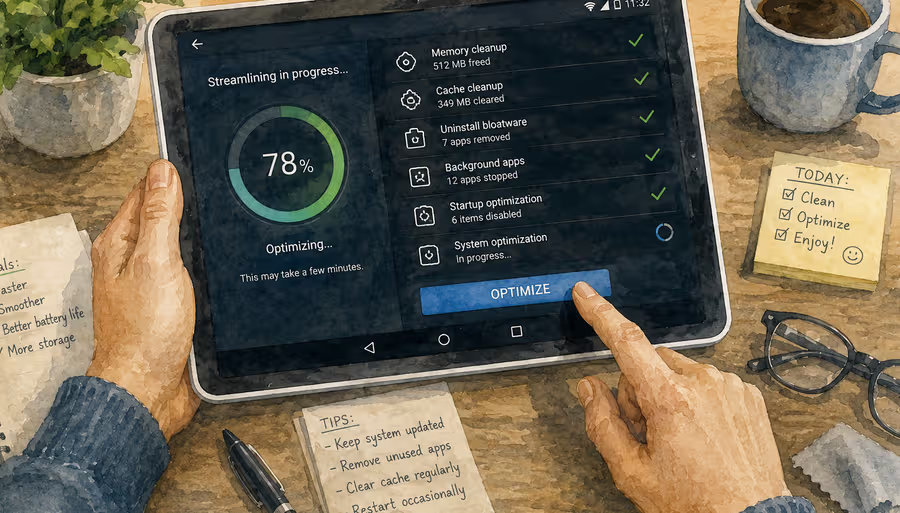
How to streamline your tablet
In this article, we explain how to streamline your Decent Espresso tablet to eliminate lag and shot graph frame drops by removing bloatware and disabling background Google sync. [more] 2026-08-09
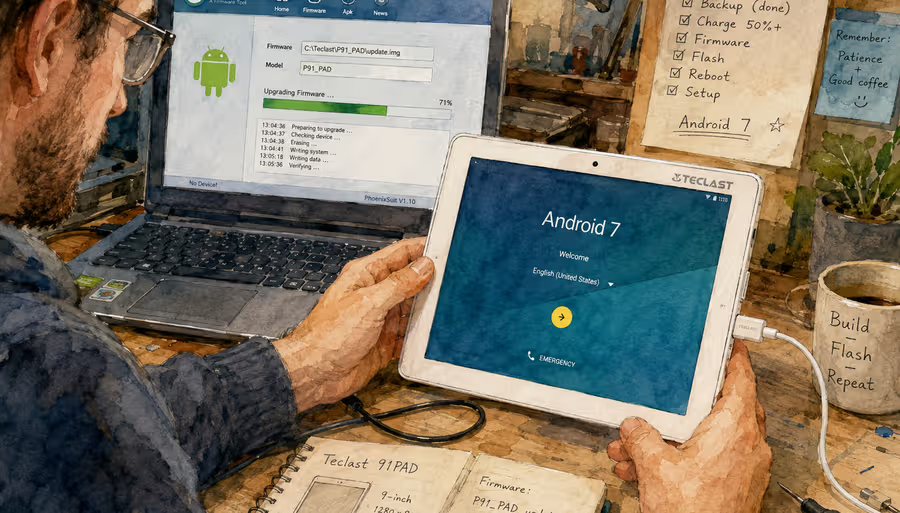
Reflashing the white 91PAD tablet
Here's how to reflash the white 91PAD Teclast tablet (Android 7) shipped with early DE1XL machines using the official firmware package and flashing tool. Note: Only do this as a last resort, since reflashing can BRICK your tablet. Consult the Decent tech support before you reflash. [more] 2026-08-09
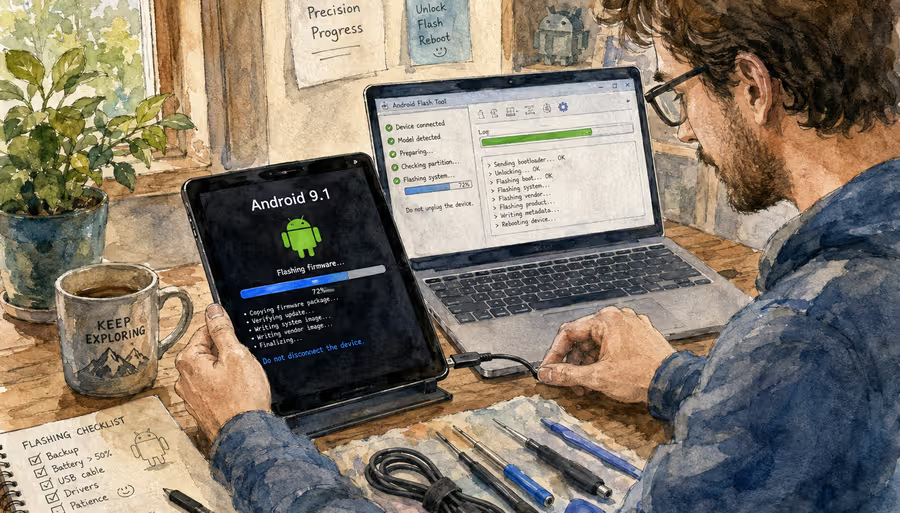
Reflashing Android 9.1
In this article, we explain how to reflash Teclast P80X tablets for Decent Espresso v1.4+ machines using specific firmware for the G5K6 and G5K7 product IDs. Reflashing a tablet can BRICK it, so only do this at your own peril and as a last resort. Best consult the Decent tech support first. [more] 2026-08-08
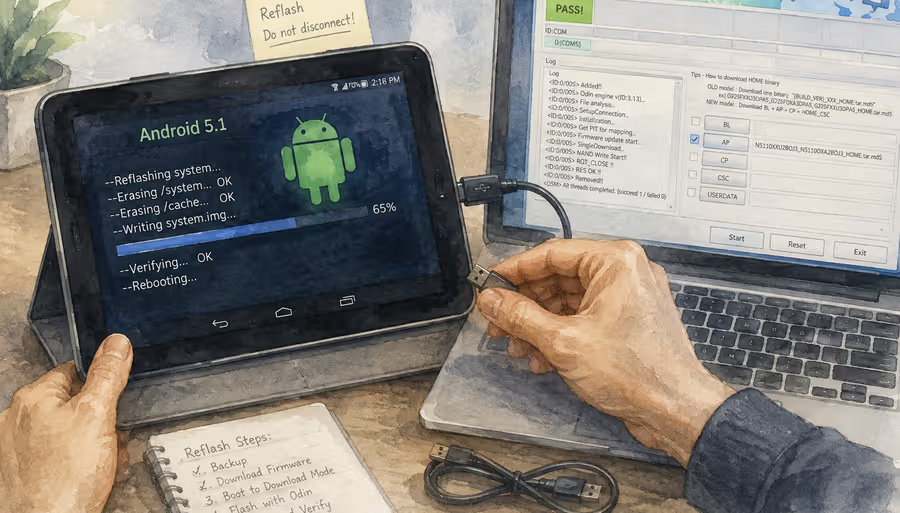
Reflashing Android 5.1
In this article, we explain how to reflash PIPO Android 5.1 tablets for Decent Espresso machines using SP Flash Tool and reprogram MAC addresses with SN Write Tool. NOTE: This might BRICK your tablet. Only do this as a last resort and if recommended by Decent tech support. [more] 2026-08-08
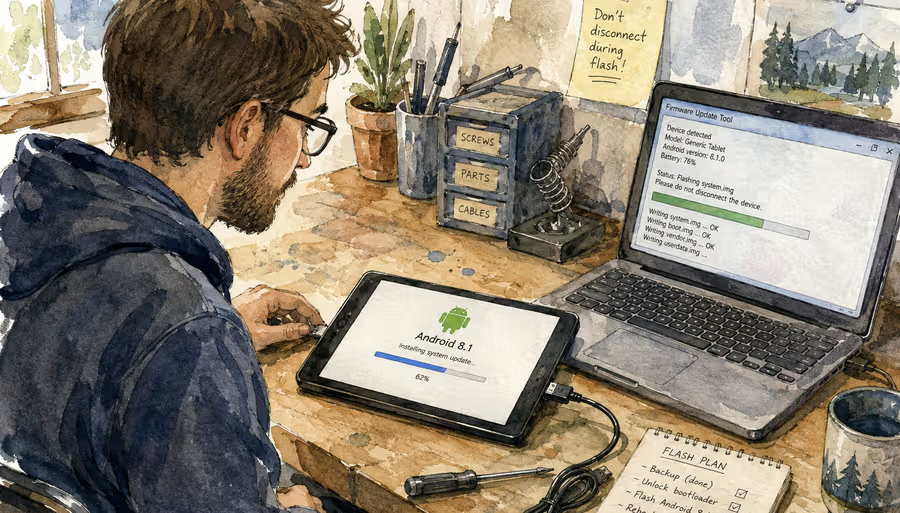
Reflashing Android 8.1
Here's how to reflash 1st generation (Alba8Neu) and 2nd generation (K811C) Android 8.1 tablets for Decent Espresso machines using the original firmware, SP Flash Tool and SN Write Tool. Note that this can BRICK your tablet. So only do this as a last resort and after consultation with the Decent tech support. [more] 2026-08-08
When should you reflash your tablet?
Here's why and when to reflash your Decent Espresso tablet firmware to fix boot loops, remove bloatware, and recover soft-bricked devices safely. [more] 2026-08-07
Vinyl sticker wrap for DE1
Transform your Decent Espresso machine with custom vinyl wraps using official PDF templates, application tips, and step-by-step DIY guidance. [more] 2026-08-07
Painting your DE1
Here's how to custom paint your Decent Espresso machine chassis using auto body shops, discounted cosmetic defect parts, and easy panel removal. [more] 2026-08-07
Fabrice LED inside lighting
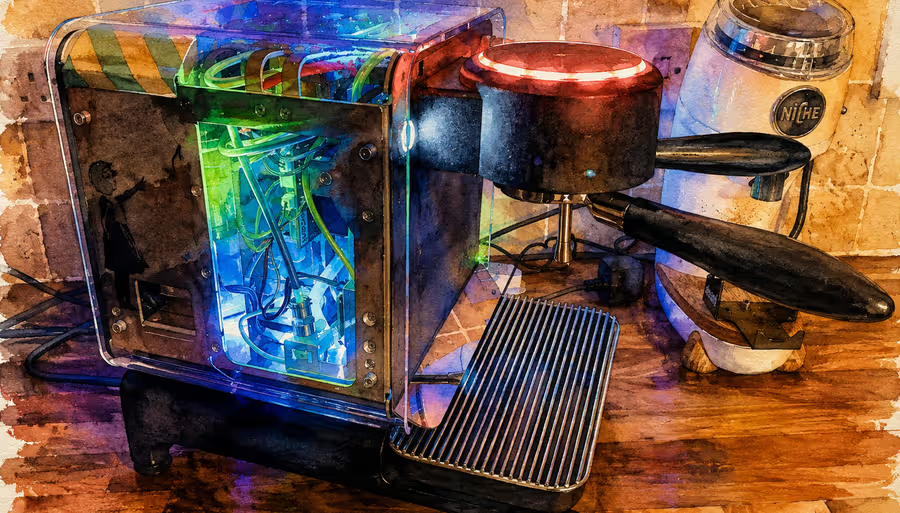
Discover the DE1 Disco LED lighting mod for Decent Espresso machines, featuring an optimized 6-section LED string layout designed for internal installation. [more] 2026-08-07
Woodworkers: Dave Pedde, Five Ounce Design (Victoria, BC, Canada)
Dave Pedde from Five Ounce Design in Victoria, BC crafts wooden portafilter handles, group head handles, and tampers tailored for Decent Espresso machines. Find out more in this article. [more] 2026-08-06
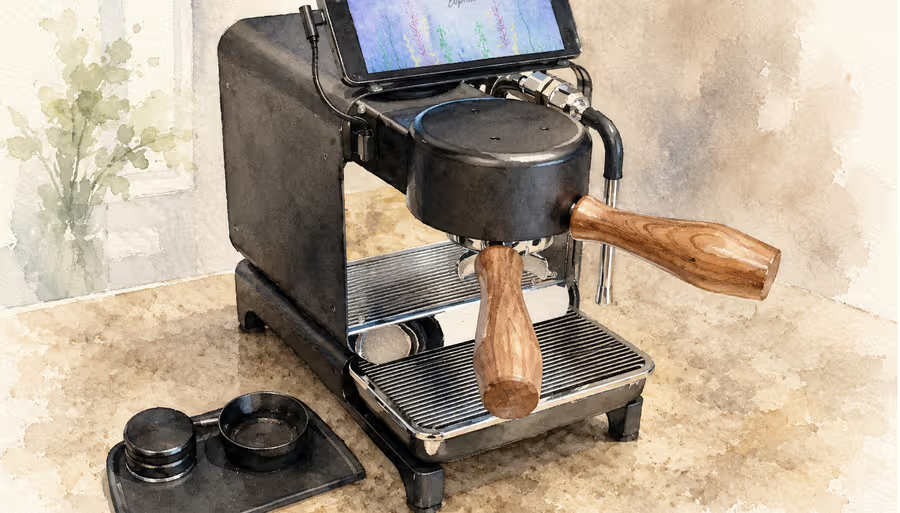
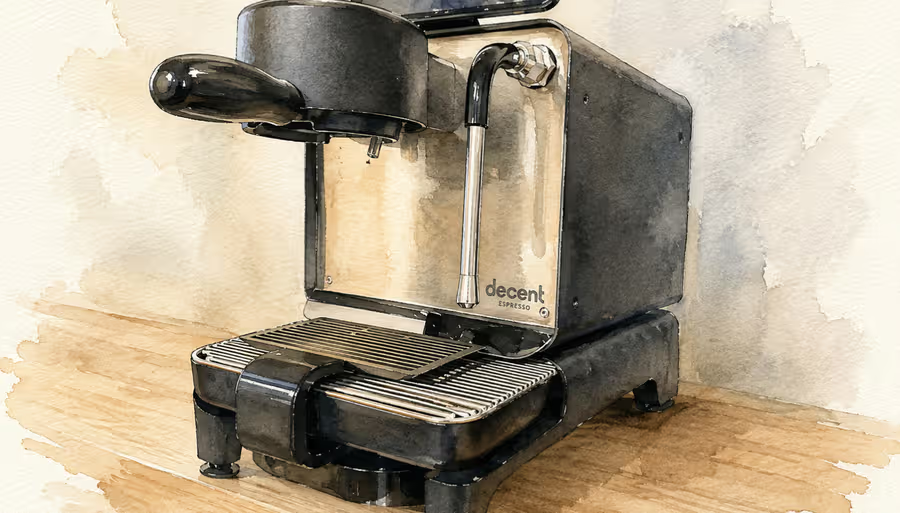
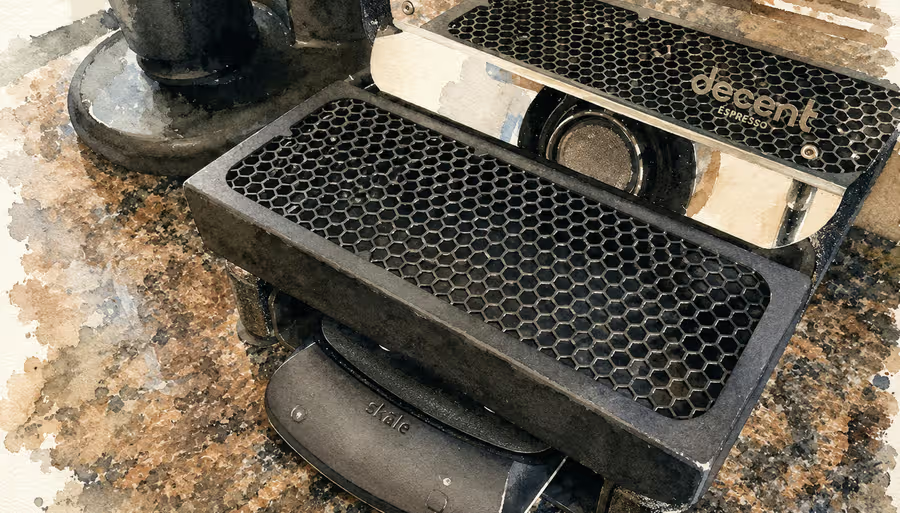
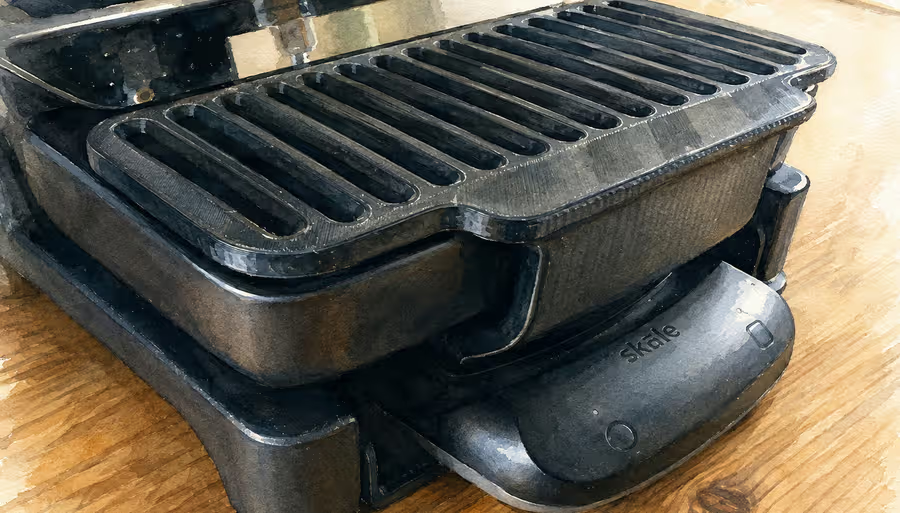
Damian's Skale adapters
Here's where to download free 3D-printable STL files for Damian Brakel’s Atomax Skale adapters, designed to fit under Decent Espresso drip trays. [more] 2026-08-06
Euan Lake's Acaia Lunar drip tray cover
Get Euan Lake's drop-in replacement drip tray for the Acaia Lunar scale on Decent Espresso machines. Features custom finishes, or download free STL files. [more] 2026-08-06
Woodworkers: Dave Stephens (Pennsylvania, USA)
Discover custom handcrafted wood handles by Dave Stephenson for Decent Espresso machines, including portafilter, group head, and tamper accessories. [more] 2026-08-06
Woodworkers: Rösthaus (Texas, USA)
Rösthaus in Texas crafts custom wood portafilter and group head handles tailored to exact stock dimensions for Decent Espresso machines. [more] 2026-08-06
Lorenz‘ Decent Scale adapter
Here you can download free 3D-printable STL files for Lorenz Wittjen’s Decent Scale adapter, featuring a three-piece modular design with custom cup tray options. [more] 2026-08-06
Sheldon's scale adapter
Discover Sheldon Wong’s black powder-coated scale adapter drip tray for Decent Espresso machines, compatible with Skale, Acaia Pearl/Lunar, and Decent scales. [more] 2026-08-06
Thomas' Skale adapter
Here's where to download the STEP files for Thomas Storm’s custom Atomax Skale adaptor, featuring a sleek, rounded design that matches the Decent Espresso machine. [more] 2026-08-05
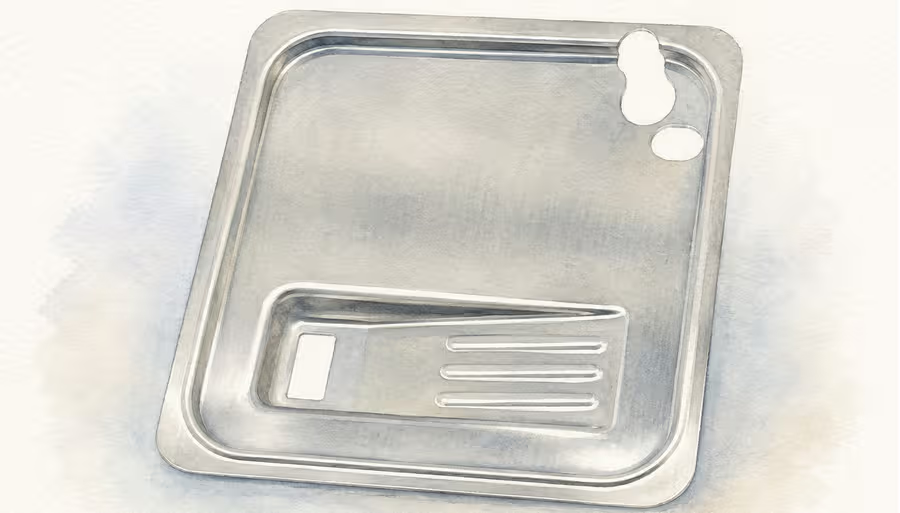
Decent's own water tank lid
Discover the official Decent Espresso stainless steel water tank lid, featuring a splash-reducing refill gulley and food-grade design to keep out dust. [more] 2026-08-05
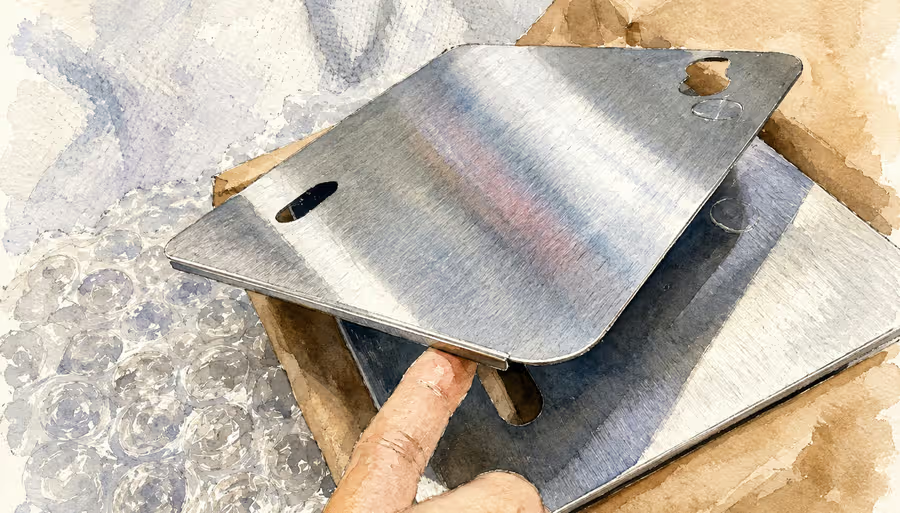
Sheldon's stainless steel lid
Protect your Decent Espresso reservoir with Sheldon Wong’s stainless steel water tank lid, featuring a polished underside and a cutout for the catering kit. [more] 2026-08-05
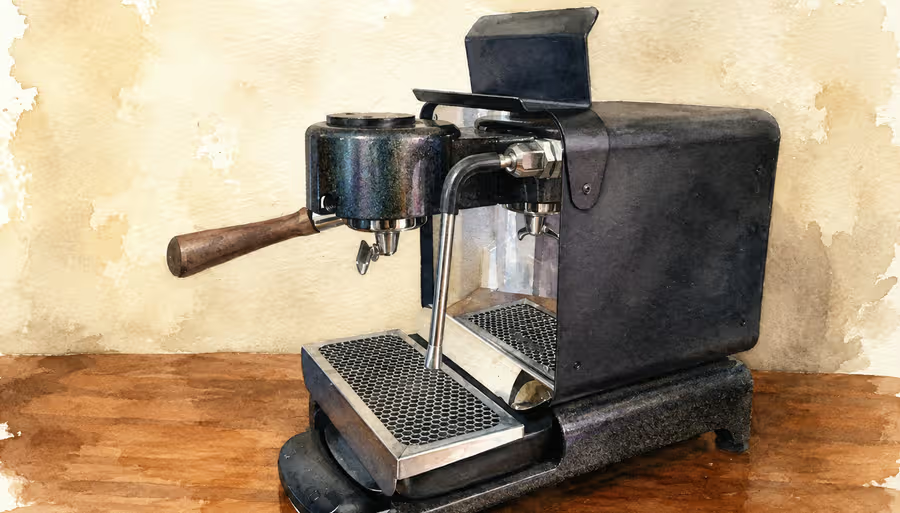
Sheldon's tablet stand
Here, we show an upgrade option for the tablet stand of your Decent Espresso v1.4–v1.42 or DE1XL machine (up to v1.42, too) with Sheldon Wong's powder-coated aluminum tablet stand. [more] 2026-08-05
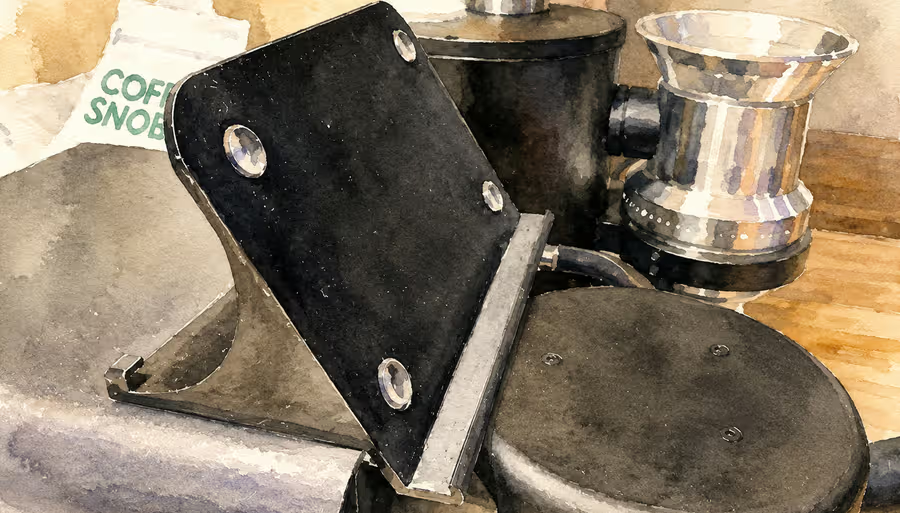
Damian's tablet stand
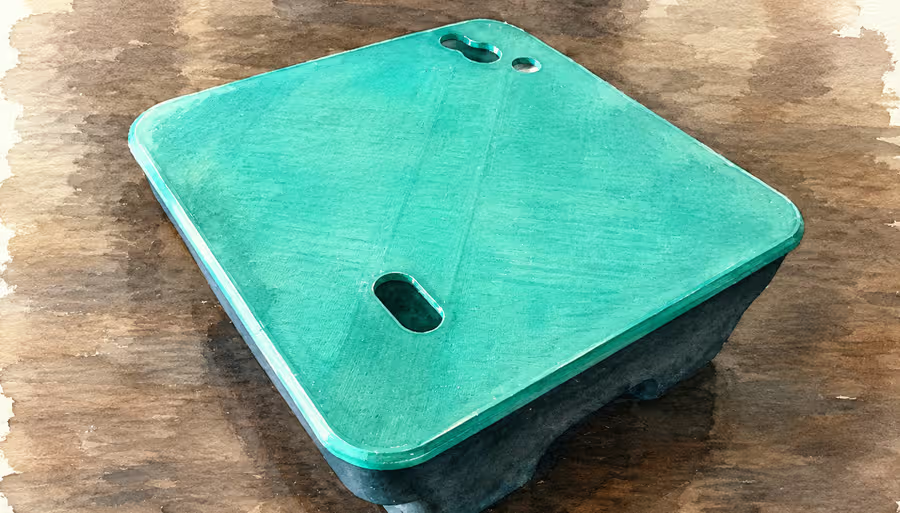
Download free 3D-printable STL files for Damian Brakel's high- and low-mount tablet stands, designed for Decent Espresso v1.4 to v1.42 and DE1XL machines. [more] 2026-08-04
Ben's 3D printed lid
Download free STEP files for Ben Champion's 3D-printable water tank lid, designed to fit Decent Espresso ceramic reservoirs and prevent dust or bugs. [more] 2026-08-04
Sheldon's heated cup rails
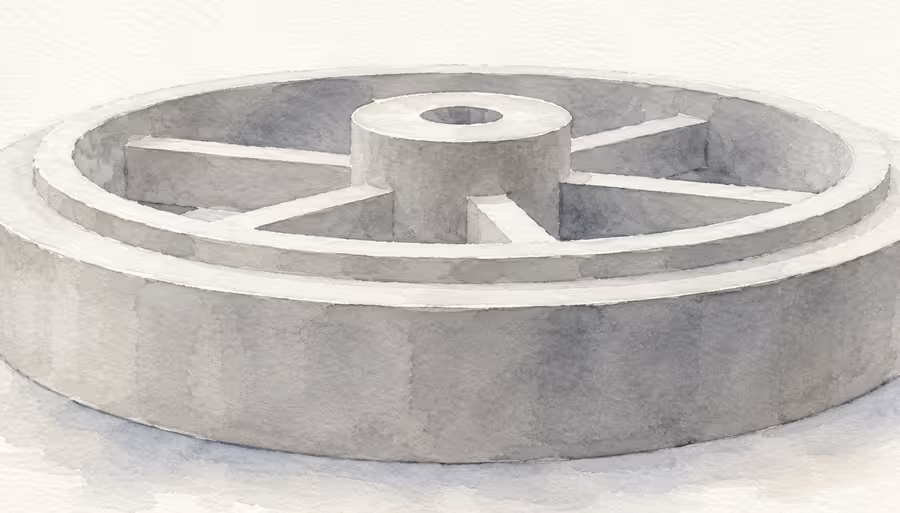
Here, we show you Sheldon Wong’s heated cup rails for Decent Espresso machines, available in folded and flat styles with custom tablet stand and portafilter hook options. [more] 2026-08-04
Damian's Spacer
Download free 3D-printable STL files for Damian Brakel's group head spacers (7.9mm & 8.4mm), designed for 18g VST baskets on Decent Espresso v1.0 machines. [more] 2026-08-04
What are spacers?
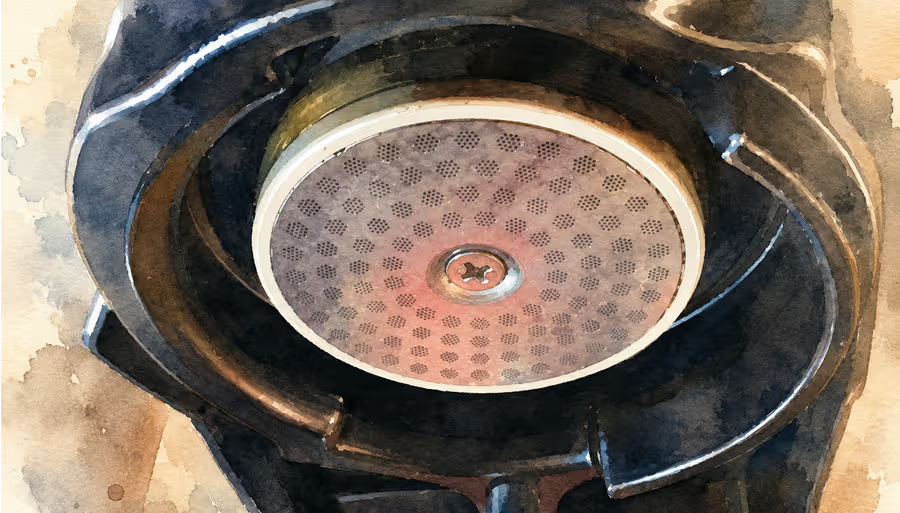
In this article, we explain how shower screen placement and spacers impact espresso headspace, shot body, and consistency on Decent Espresso machines (v1.0 to v1.43). [more] 2026-08-04
Sheldon's stainless steel spacer
Upgrade your Decent Espresso v1.0 or v1.1 machine with Sheldon Wong’s custom stainless steel spacer kits. Order at Sworks Design to refine your headspace. [more] 2026-08-04
Ben's Spacer
Here, we share Ben Champion’s group head spacer designs for v1.0 DE1 machines. Access STEP and PDF files for 4mm, 5mm, and 6mm Ultem spacer mods. [more] 2026-08-04
Michael's Spacer
Here, we introduce to you Michael’s durable PEEK group head spacers for Decent Espresso v1.0, v1.1, and v1.3 machines. Learn more about available thicknesses, kit details, and installation. [more] 2026-07-01
Easy temperature profiling
Here's how to unlock a hidden Decent Espresso feature to control step-by-step temperature profiling at the puck. We explain why the pre-infusion stage utilizes two separate temperature values and how to quickly reset your custom thermal curves back to global defaults. [more] 2026-07-01
Pressure vs. flow profiling, and how to convert into an advanced shot
Master the art of espresso profiling on the Decent. In this article, we explain why pure flow profiling is difficult to dial in, how Jonathan Gagné's adaptive profiles protect your shots from secondary compression, and how to convert standard setups into precise, advanced profiles. [more] 2026-07-01
How to do a 100% manual espresso on the Decent and convert it into an automatic profile
In this article, we explain how to execute 100% manual espresso extractions on your Decent Espresso machine. This post shows how to enable hidden manual flow and pressure control presets, record your manual techniques, and transition your favorite experiments into repeatable, automated profiles. [more] 2026-07-01
How to dial in Londonium
Here's how to dial in the unique Londonium espresso profile, which mimics classic spring-lever mechanics using automated smart triggers and adaptive pressure technology. In this article, we explain how to optimize your grind size, fine-tune flavor balance, and master the pre-infusion stage for a perfect, consistent extraction every time. [more] 2026-07-01
All about Rao Allongé
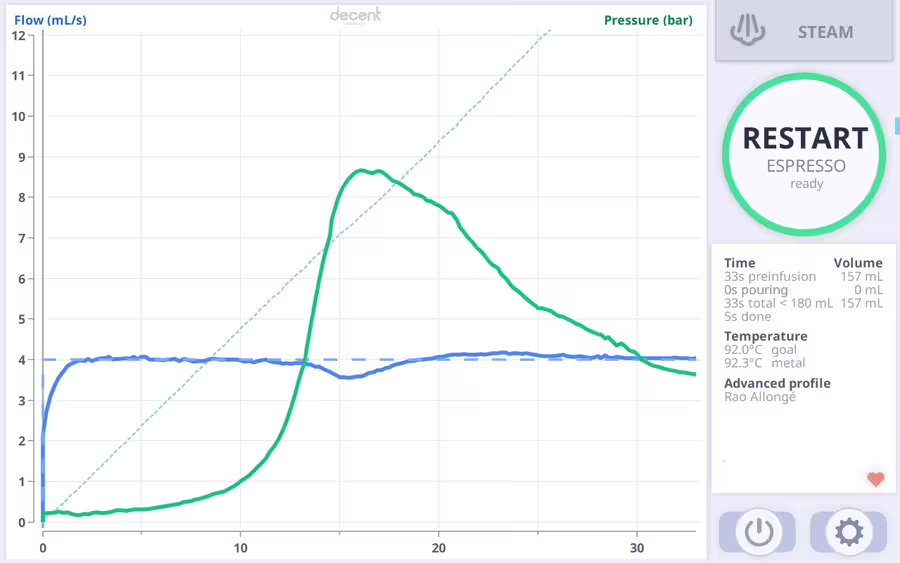
Master the art of the Rao Allongé espresso shot. We show you how to dial in this high-flow, light-roast technique to unlock complex, filter-like fruit notes with rich espresso oils. [more] 2026-07-01
All about Blooming espresso
Here, we explain how to master the Blooming Espresso profile, from its pre-infusion and 30-second bloom phases to temperature adjustments and roast compatibility. Learn why this technique is perfect for extracting light and medium roasts while avoiding bitter over-extraction. [more] 2026-07-01
Picking the right recipe for the bean
In this article, we explain how to pick the perfect espresso recipe based on your coffee's roast profile. Learn how solubility, puck resistance, and extraction techniques like Blooming and Allonge can maximize flavor and eliminate bitterness. [more] 2026-07-01
Are flow profiles better than pressure profiles?
In this post, we explain how a flow profile can dynamically heal coffee puck channels and learn about the phenomenon of secondary puck compression at 10.5 bar. Learn the physics of pressure versus flow adjustments and how software updates protect your extraction's flavor profile. [more] 2026-07-01
How measuring leads to progress
Moving away from simple shot times to real-time flow rate tracking transforms espresso quality. Here, we break down how advanced graphical feedback eliminates blind spots, how automated blooming steps stop channeling, and why thinking in "high-flow espresso" makes extraction perfectly repeatable. [more] 2026-07-01
Should you brew espresso at 10.5 bar or higher?
Learn why letting extraction pressure hit 10.5 bar crushes your coffee puck and ruins espresso uniformity. We break down how high pressures mute the complex flavors of ultralight roasts, and explain how setting a strict pressure ceiling keeps your flow rate from collapsing. [more] 2026-07-01
Why end preinfusion based on pressure?
In this post, we show you how ending pre-infusion based on puck pressure prevents uneven extraction. We break down how to fix dry spots by adjusting your flow rate between 3.0 and 4.5 ml/s, and explain how traditional "water hammer" pre-infusion creates thick, sludgy, high-TDS espresso. [more] 2026-07-01
What's the advantage of changing the steam flow rate?
In this post, we show you how to optimize steam performance on a thermoblock espresso machine. We break down the physics linking steam flow rate and pressure, explain why flow-controlled firmware cuts milk steaming times by up to 30%, and provide a step-by-step guide to dialing in your settings to prevent milk dilution. [more] 2026-07-01
Is straight flow better?
In this post, we show you how to dial in medium-to-dark espresso roasts using unique flow techniques. We break down why flat flow profiles make your coffee taste flat, how to adjust your pressure decline for ultra-thick chocolate-bomb shots, and how to use the Londonium profile to balance rich body with opening flavors. [more] 2026-07-01
Masterclass on how to find the right recipe for your beans
Want better espresso? Discover John Buckman’s keys to dialing in light and dark roasts, fixing channeling, and mastering advanced profiling techniques. [more] 2026-06-30
How to pour latte art
Master professional latte art with author Dennis Hew. This hands-on masterclass covers essential steaming techniques, pitcher selection, and troubleshooting to help you pour perfect hearts and rosettas at home. [more] 2026-06-30
How to do WDT puck prep correctly
Here, we explain the correct way to perform WDT and puck raking for espresso puck preparation. Discover why technique matters for extraction and where to find reliable tutorials. [more] 2026-06-30
Making pour over on the Decent Espresso machines
This article is about how the Decent Pour Over Basket automates complex V60 profiles with varying agitation and precision flow control. We talk more about high-power DE1XL/DEXXL model thermal performance, handling mineral scaling, and bridging the gap to light roasts. [more] 2026-06-30
Will Decent make its own grinder?
Here's why we decided to stop development on our custom flat-burr espresso grinder project. Learn about the complex engineering hurdles of grind retention and the steep distribution and shipping logistics that led us to stick with what we do best. [more] 2026-06-30
Understanding milk steaming: Speed, technique, and microfoam dynamics on the Decent Espresso machine
In this article, we explain the trade-offs between milk steaming speed and microfoam quality on the Decent espresso machine. Learn how faster firmware updates compare to traditional machines like the Breville, and how new steam tip designs balance steam dryness with effortless texturing. [more] 2026-06-30
Reimagining tea extraction: Pressure, steeping, and the mechanics of the Decent tea portafilter
In this article, we explain how Decent Espresso's innovative tea portafilter combines precise steeping with a custom pressure-valve system. Learn how this unique setup mimics traditional gaiwan brewing to steep strong, concentrated tea completely free of bitterness. [more] 2026-06-30
Steaming milk for latte art
Improve your latte art with expert steaming techniques from author Dennis Hew. This transcript from a zoom call covers everything from proper pitcher choice and milk transfer to achieving the perfect foam texture, balancing aeration, and mastering pouring techniques for stunning espresso art. Explore these reliable tips to help you troubleshoot common mistakes and elevate your coffee game. [more] 2026-06-30
Should I leave my portafilter in the group head?
In this post, John talks about how portafilter temperature impacts your espresso extraction and why preheating your basket is important for consistency. Discover how the Decent Espresso machine’s thermally isolated group head design manages heat and why leaving your portafilter in the group head can help ensure your first shot of the day is hot. [more] 2026-06-29
Will my shots channel less with the Decent compared to an E61?
Here, we explain why the Decent espresso machine is more forgiving of puck defects than traditional E61 machines. Learn how its gentle pre-infusion, advanced water dispersion, and precise hole calibration reduce channeling, and find out why we recommend high-end grinders to achieve the best extraction results. [more] 2026-06-29
Temperature stability on E61 and Decent
Here's why Decent Espresso machines provide more accurate extraction temperatures than traditional E61 group heads. We explain how real-time slurry temperature monitoring and active, automated adjustments ensure your coffee hits the perfect target temperature instantly, regardless of your home brewing environment. [more] 2026-06-29
Two pumps for accurate temperature
Here, we explain how the Decent espresso machine uses two over-specced pumps and precise AC pulses to control water temperature. How the Ultem mixing manifolds and micro-diameter 1.2mm tubing enable instantaneous, real-time thermal adjustments for the perfect shot. [more] 2026-06-29
Could the tablet camera wake the DE1?
This post is about the technical possibilities and limitations of using the Decent DE1's tablet camera. Learn how motion detection could wake the machine, why UL safety rules restrict automated hot water, and how the team experimented with barcode scanning and shot photography. [more] 2026-06-29
What's the benefit of more headspace?
In this post, we explain how headspace above your coffee puck impacts your final espresso extraction. Learn why medium-to-dark and medium-to-light roasts require completely different techniques, and how the innovative "blooming shot" maximizes flavor and extraction yield. [more] 2026-06-29
Why was the flow meter removed?
Why Decent Espresso permanently removed the internal flow meter from their machines. In fact, switching to an open-loop physics model based on pump strokes drastically improved tracking accuracy from a 30% error margin to just 2-3%. [more] 2026-06-29
How the DE1 measures
In this article, we explain how the Decent DE1 espresso machine accurately monitors espresso extractions using real-time graphs. Explore the physics and engineering behind how it measures puck pressure, tracks temperature a millimeter from the coffee, and overcomes traditional flow-meter limitations with a custom physics engine. [more] 2026-06-29
Can you use the DE1 without a tablet?
The Decent DE1 espresso machine operates completely independently of its tablet companion. In this article, we talk about about its wireless Bluetooth data tracking, built-in safety features, and best practices for managing your device's battery life. [more] 2026-06-29
Software means the machine gets better
The Decent Espresso machine's "coffee computer" architecture solves long-standing industry problems like channeling and poor extraction for light roasts. Learn how continuous software and firmware updates ensure that even first-batch machines remain high-performing and modern today. [more] 2026-06-29
Why is there a tablet on the espresso machine?
In this article, we explain why Decent Espresso uses a tablet interface instead of static hardware buttons. Learn how app-driven software handles device complexity, enables continuous updates, and enables the introduction of game-changing features like custom steam profiling years after purchase. [more] 2026-06-29
All about DE1 reliability
Here, we uncover some of the engineering secrets behind the DE1's reliability. Learn how the machine tackles scale buildup, protects its electronics with positive air pressure, and ensures easy home repairs and long-term hardware longevity. [more] 2026-06-29
Will the DE1app start making suggestions to the barista?
In this article, we explain how Decent is shifting its software toward flavor-centric controls that guide baristas through dialing in shots. Our community used raw data to revolutionize extraction profiles, reduce puck channeling, and adapt to different grinder burr geometries. [more] 2026-06-29
Is Decent working on a vibration dampener?
In this post, we explain why we opted against failure-prone mechanical vibration dampeners on our machines. The DE1 uses advanced dual-pump modulation over structural rubber parts to drastically minimize extraction noise while ensuring long-term hardware reliability. [more] 2026-06-29
Comparing Decent to Breville and Lever machines
Discover the key differences between the Decent espresso machine and traditional machines like the Breville Dual Boiler. Learn why variable pressure profiles, real-time feedback, and the ability to customize extraction are essential for pulling the best shots—especially when brewing delicate light roasts. [more] 2026-06-29
Still doing the shaking test?
Discover how Decent Espresso updated their manufacturing process by moving away from universal vibration testing. Learn how overnight shaking tests exposed hidden wiring flaws, leading to a premium component overhaul and robust pull-testing protocols. [more] 2026-06-29
What about mirror panels and mirror lips?
Discover why extreme 90% manufacturing defect rates forced Decent Espresso to abandon fully mirrored front panels, and see how the easily replaceable, 1mm-thick modular mirror lip offers a smarter, low-maintenance alternative. [more] 2026-06-29
The early DE1 designs
Discover the fascinating design history behind the Decent Espresso DE1. Learn why the team abandoned the "crazy animal feet" legs, the external glass water tank, and the infamous Pyrex lasagna-dish drip tray in this quick evolutionary Q&A. [more] 2026-06-29
Real-time espresso control: USB-C stability, Bluetooth bugs, and community coding
Explore how a hardwired USB-C connection bypasses Bluetooth dropouts to enable stable, real-time espresso shot control. Discover hidden features like accelerometer-based "airplane mode" and see how Decent's open API empowers community developers to build custom extraction extensions. [more] 2026-06-28
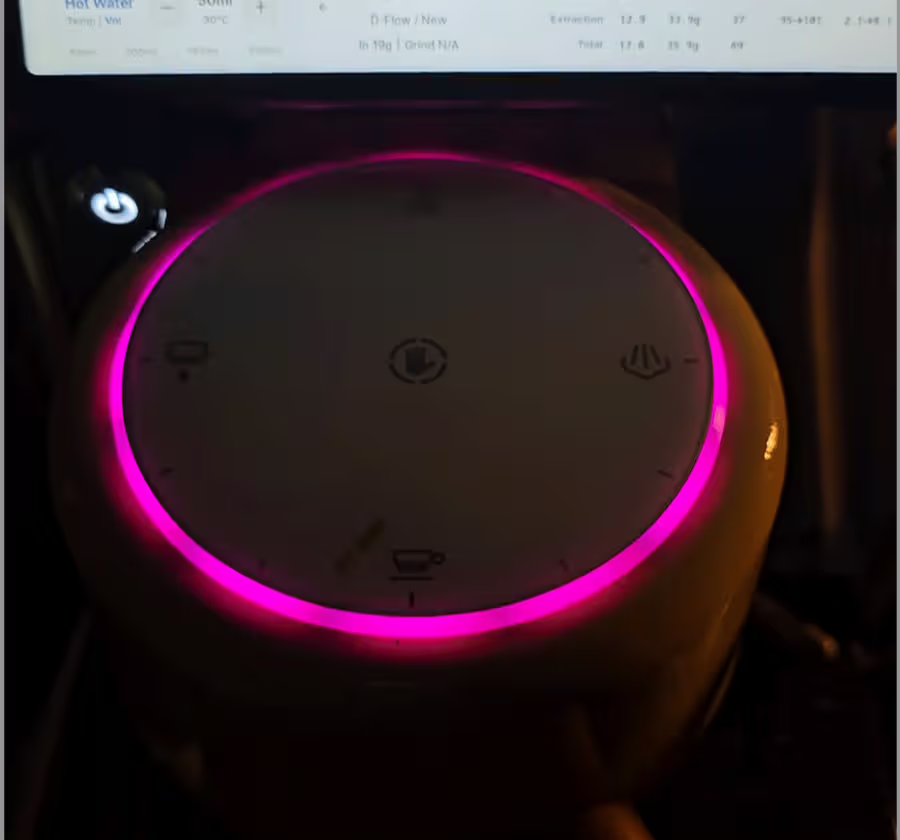
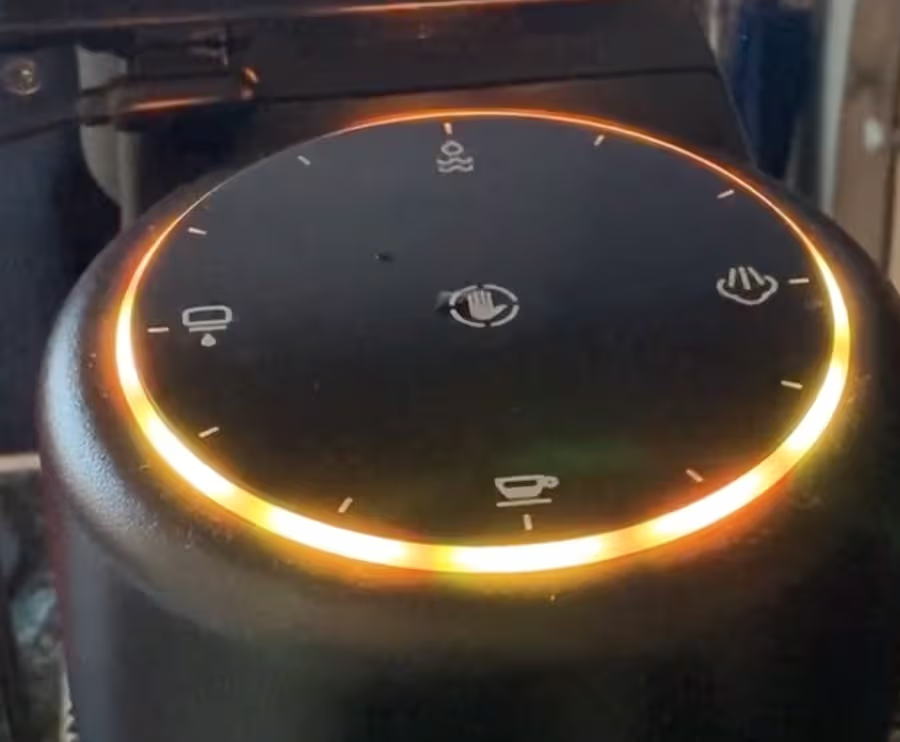
Meaning of GHC LED patterns
Learn here what the different LED patterns blinking on the group head controller (GHC) of your DE1 mean. [more] 2026-06-28
Will Decent Espresso machines ever have a boiler?
Here's why we reject heavy, old-school dual boilers in favor of our high-pressure, ultra-dry thermoblock steam system. Learn how our design philosophy prioritizes cup quality over raw speed, debunking the myth of the "dying" espresso shot. [more] 2026-06-28
Is there a DE2 model planned?
Here, we explain why we have no plans to build a DE2 model for at least 10 to 15 years. We protect your investment through continuous DE1 updates, future component compatibility, and powerful new heating technology engineered for commercial cafes. [more] 2026-06-28
Are we planning on releasing new versions of the DE1 soon?
Discover how our continuous six-month refinement cycle improves the DE1 espresso machine. We maintain perfect backward compatibility for older models while streamlining internal manufacturing to meet growing demand. [more] 2026-06-28
A cheaper DE1?
This article explains why we reject the mass-market model a a cheaper, smaller DE1 espresso machine would imply. Learn how keeping production limited allows us to avoid outsourcing, maintain strict quality control, and fund continuous innovation. [more] 2026-06-28
Does Decent have any plans to open a factory in another country?
Here, we explain why Decent Espresso keeps all manufacturing in Hong Kong. How high-level engineering talent, institutional knowledge, and deep workforce dedication prevent us from expanding elsewhere. [more] 2026-06-28
The Decent Factory, today
Learn more about the inner workings of the Decent Espresso factory: how parallel assembly lines, rigorous component-level QC, global voltage testing, and a 12,000 sq ft facility power the production journey. [more] 2026-06-28
The toughest part of the DE1 journey
This post addresses the trial and error behind the Decent Espresso machine. Learn how John Buckman navigated unmapped coffee physics, pioneered dynamic pre-infusion, and overcame early design dead ends. [more] 2026-06-28
Why Hong Kong?
This post explains why Decent Espresso chose Hong Kong for its manufacturing hub. Learn about the region's unique engineering talent, financial advantages, and collaborative factory culture. [more] 2026-06-28
Decent retail stores?
Discover why Decent Espresso rejects traditional retail stores and flagship showrooms. Learn how our community-driven peer-to-peer model fosters authentic customer connections and honest machine feedback. [more] 2026-06-28
Why did Decent aim at growing slowly?
Discover how Decent Espresso scaled from cautious, small-batch production to high-volume manufacturing by prioritizing quality, self-funding, and strategic team growth over venture capital. [more] 2026-06-28
John's philosophy
Explore the unique philosophy behind Decent Espresso. Discover how founder John Buckman rejects corporate structures, prioritizes passion over profit, and collaborates with customers as creators. [more] 2026-06-28
The Decent backstory
Discover the backstory of Decent Espresso: how a home barista's frustration and a failed Kickstarter project led to a collaborative, ground-up espresso machine revolution. [more] 2026-06-28
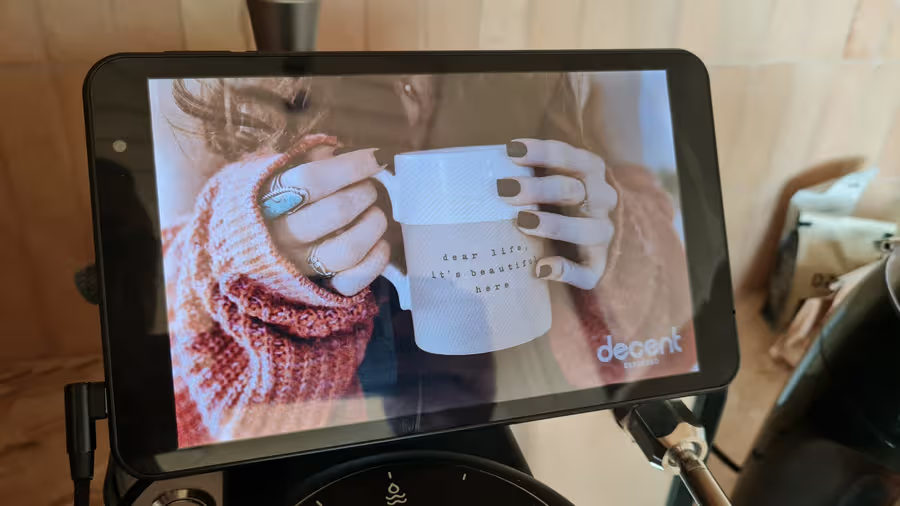
How to use your own screen saver in the DE1app
Want to personalize your Decent Espresso machine? Learn how to add your own custom 1280x800 JPEG images to the app's screen saver directory. [more] 2026-06-28
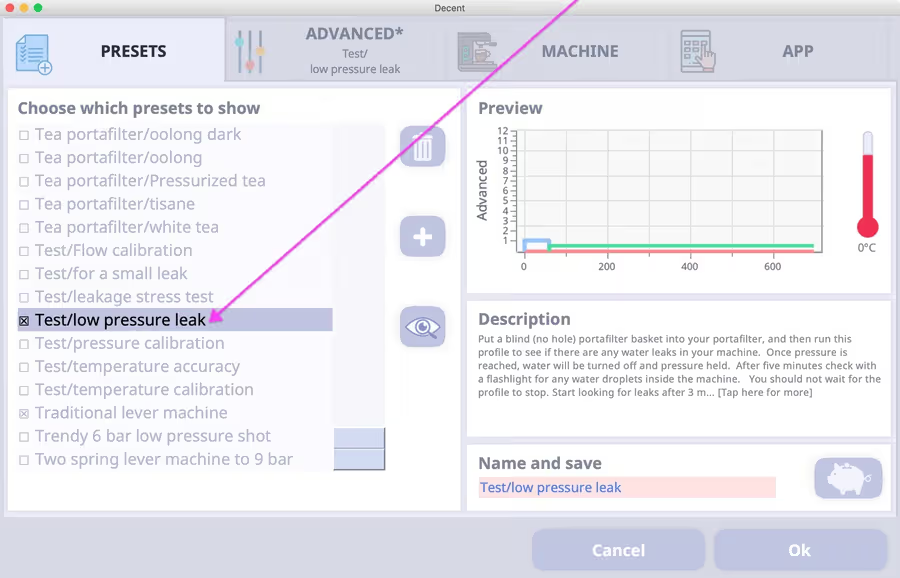
Low pressure leak test
Struggling to find a subtle water leak? Learn how to use a hidden low-pressure leak test profile and a blind basket to spot defective O-rings that high-pressure tests miss. [more] 2026-06-28
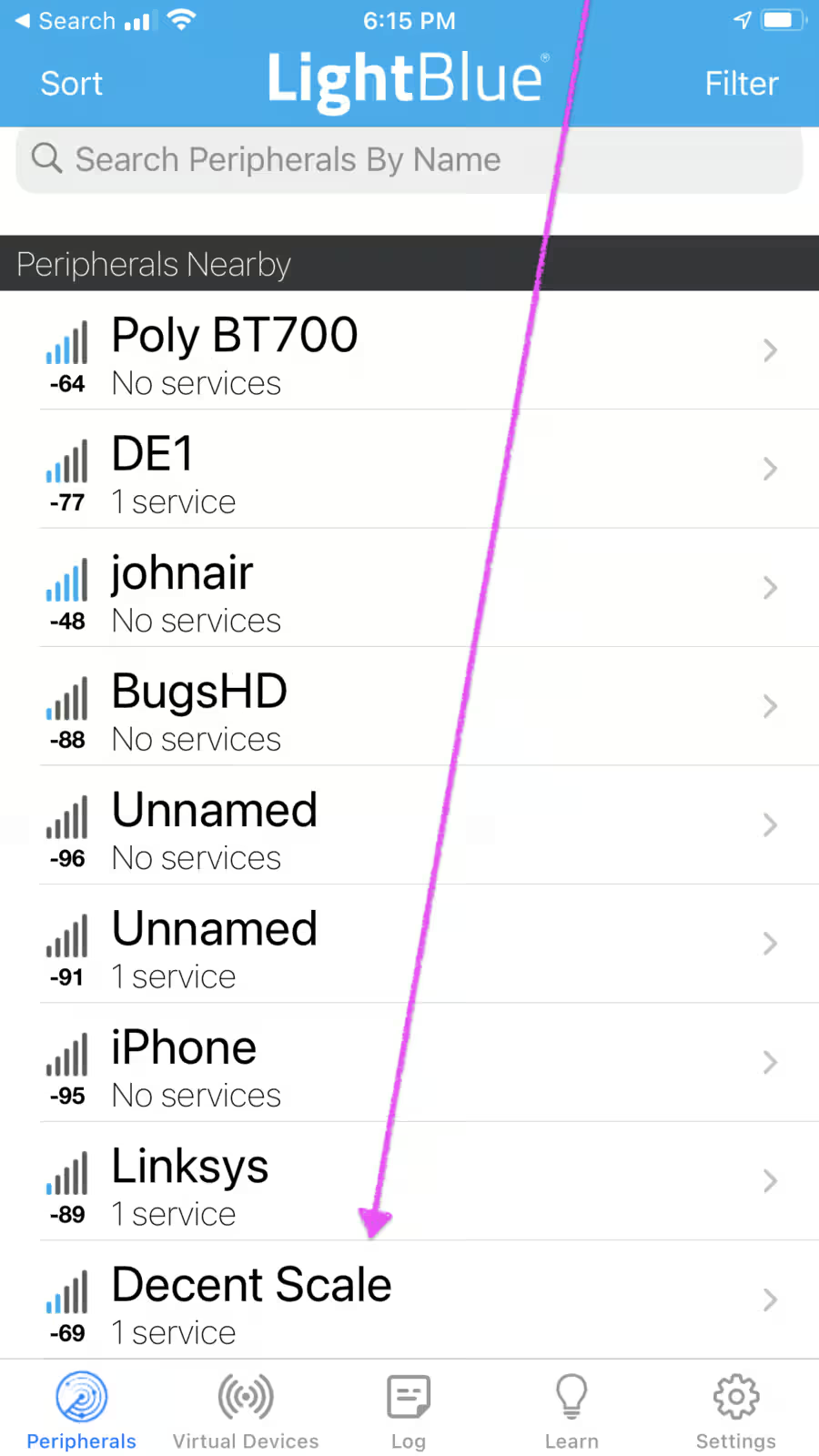
Scale not found by de1app
Is your Decent Scale blinking blue but not appearing on your tablet? Learn how to use the LightBlue app to troubleshoot Bluetooth connectivity and determine if you need a replacement. [more] 2026-06-28
Where's my package? Tracking orders.
Wondering "where's my stuff?" Learn how to find your shipment tracking numbers, view your complete order history, and access invoices directly from your Decent Espresso account page. [more] 2026-06-28
Powerup stops on 11am on the GHC (how to turn the machine on correctly / what the buttons do)
Is your Decent Espresso machine's startup sequence stuck at 11 o'clock on the GHC? Learn how to verify your front panel standby button settings to restore AC power and complete the boot cycle. [more] 2026-06-28
Rinsing the internal water path (black particles in water tank)
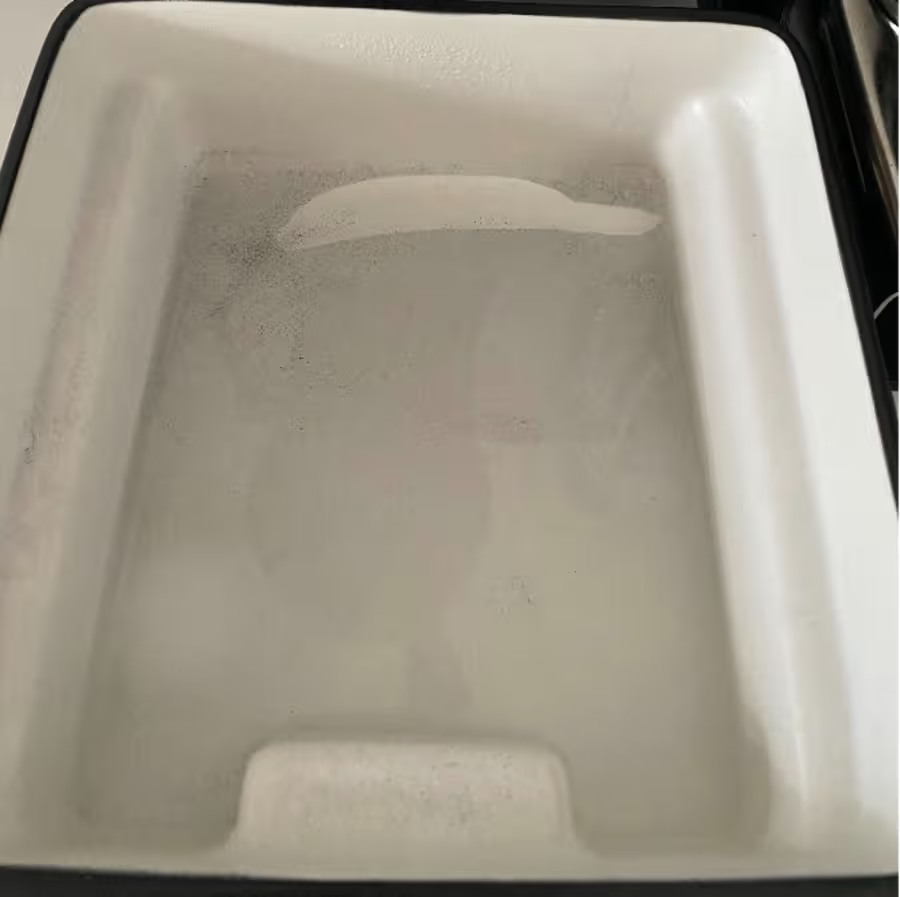
Noticing black particles in your espresso machine's water tank? Learn what might be causing it—such as heater weld residue, mineral precipitation, or milk back-suction—and how to clear it using a deep-circulation rinse cycle. [more] 2026-06-28
Remove "ghost lines" (god shot lines) from the shot graph
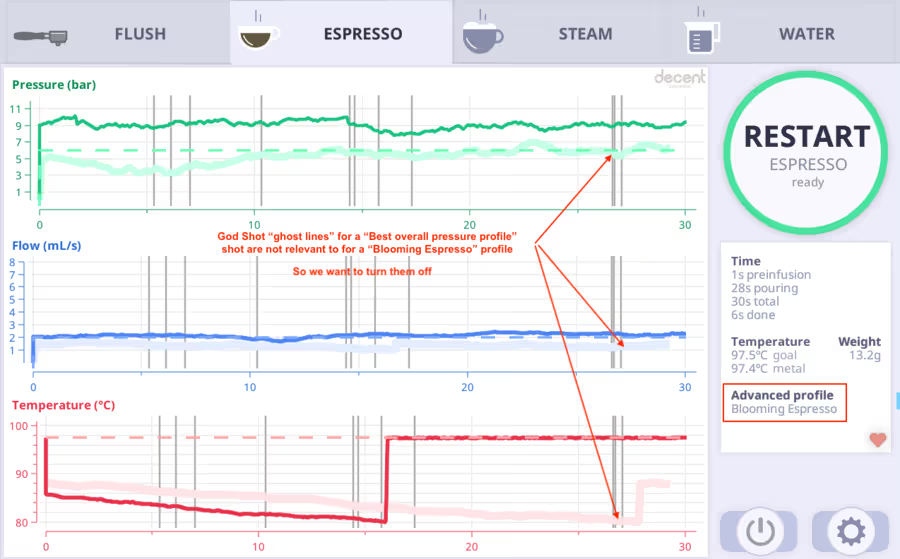
Accidentally showing unwanted "ghost lines" on your Decent Espresso shot graph? Learn how to easily hide or turn off the saved God Shot overlay feature in your settings. [more] 2026-06-28
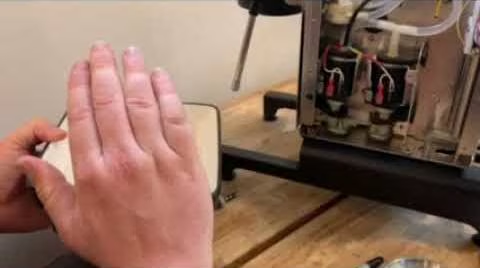
How to check for fan power connectivity (reconnect the fan connector)
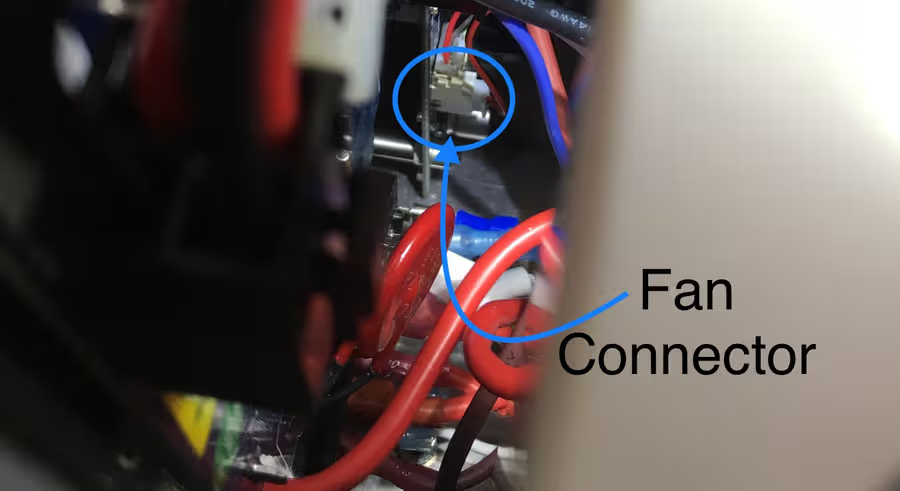
Is your Decent Espresso machine fan not spinning? Follow this step-by-step guide to safely open the PCB compartment, check the DC PCB board, and re-secure a loose fan power cable. [more] 2026-06-28
What a tired gasket does to espresso
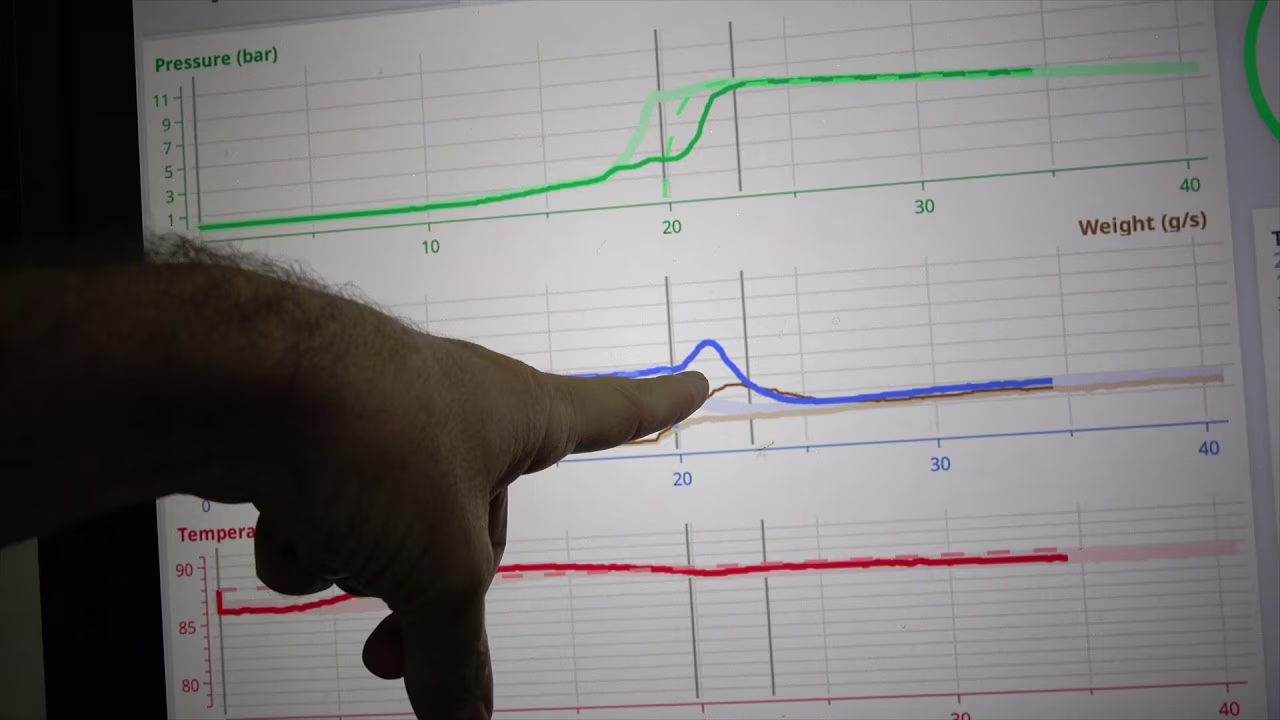
Wondering how a worn group head gasket affects your espresso? Learn how to spot the signs of a leaky gasket on your shot profile graph, including sudden pressure drops and flow rate spikes. [more] 2026-06-28
Some other common problems
Here we show you some quick fixes for common Decent Espresso issues, including tablet connection drops, charging or battery problems, fan calibration, and firmware checks. [more] 2026-06-28
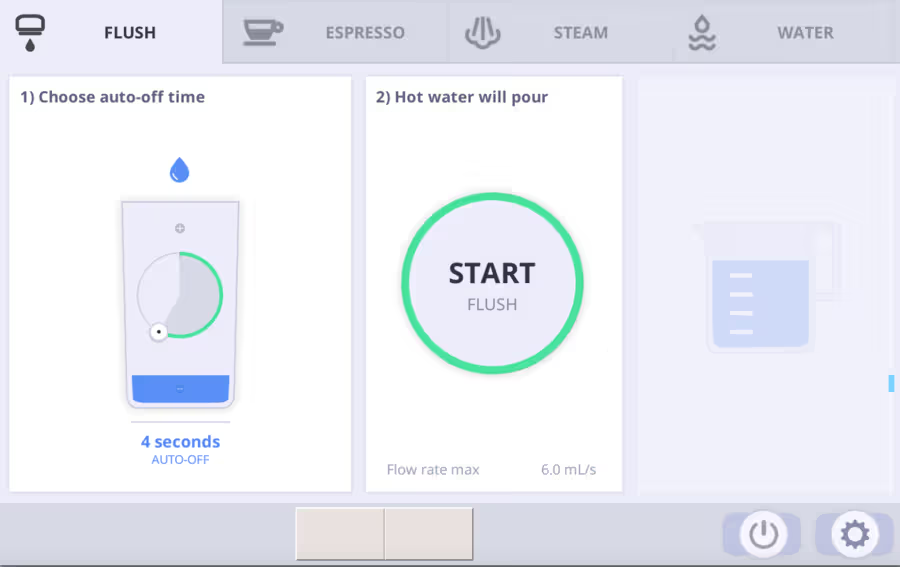
Machine rejects to start Flush at low water level
The DE1 won't start Flush if the water level is low. This safety feature ensures the tank doesn’t run dry, avoiding the risk of the pumps drawing in air. [more] 2026-06-28
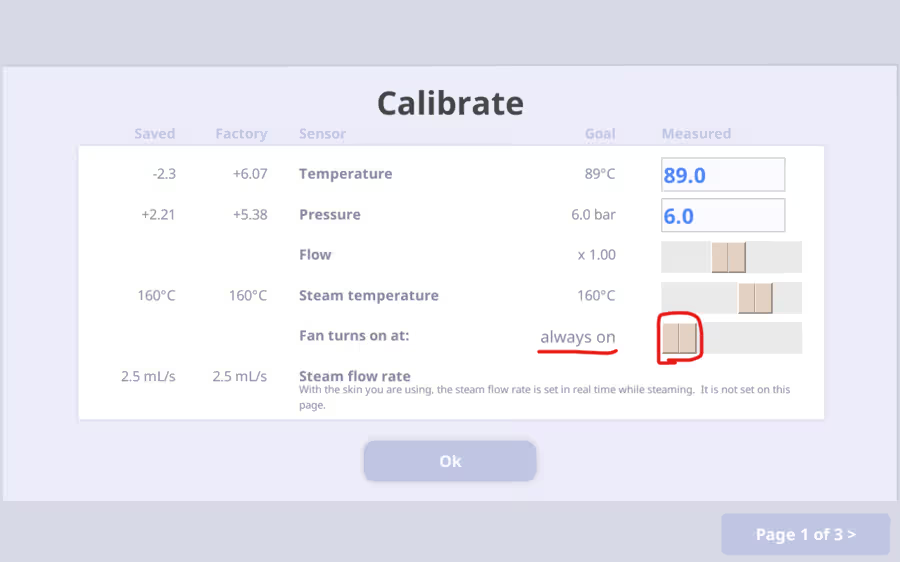
Condensation inside the machine
Is condensation building up inside your Decent Espresso machine? Learn how to manage it by adjusting your internal fan settings and keeping it running continuously. [more] 2026-06-27
Water level sensor calibration (for v1.0 to v1.3 machines)
Follow this step-by-step Decent Espresso tutorial to adjust the height of your water uptake tubes and properly calibrate your water level sensor. For v1.0 to v1.3 DE1 machines. [more] 2026-06-27
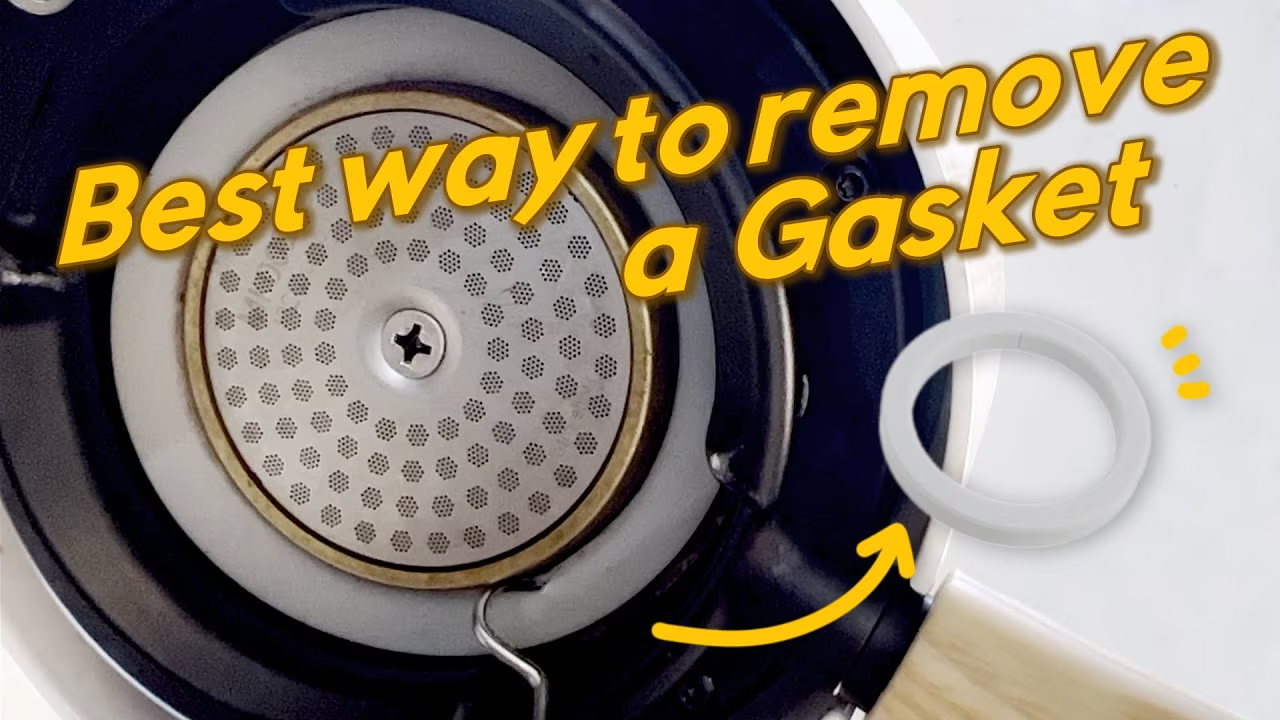
How to remove a gasket
This post shows you how to remove a gasket from your espresso machine. [more] 2026-06-27
The water level reading is off
Troubleshooting inaccurate water level readings or frequent refill warnings on your Decent Espresso machine? Learn how to fix sensor calibration issues, clean plastic connectors, or adjust settings to clear persistent refill messages. [more] 2026-06-27
Machine boot-up troubleshooting steps (error_bootfill)
Is your machine stuck at the yellow light during boot-up? Learn the correct startup sequence and water tank requirements to resolve common power-on issues. [more] 2026-06-27
GHC ghost tap issue / only one function and stop button work
Is your GHC triggering functions on its own? Follow our guide to identify and fix "ghost taps" caused by interference, water, or potential internal leaks. [more] 2026-06-27
Steam wand ball joint nut leakage
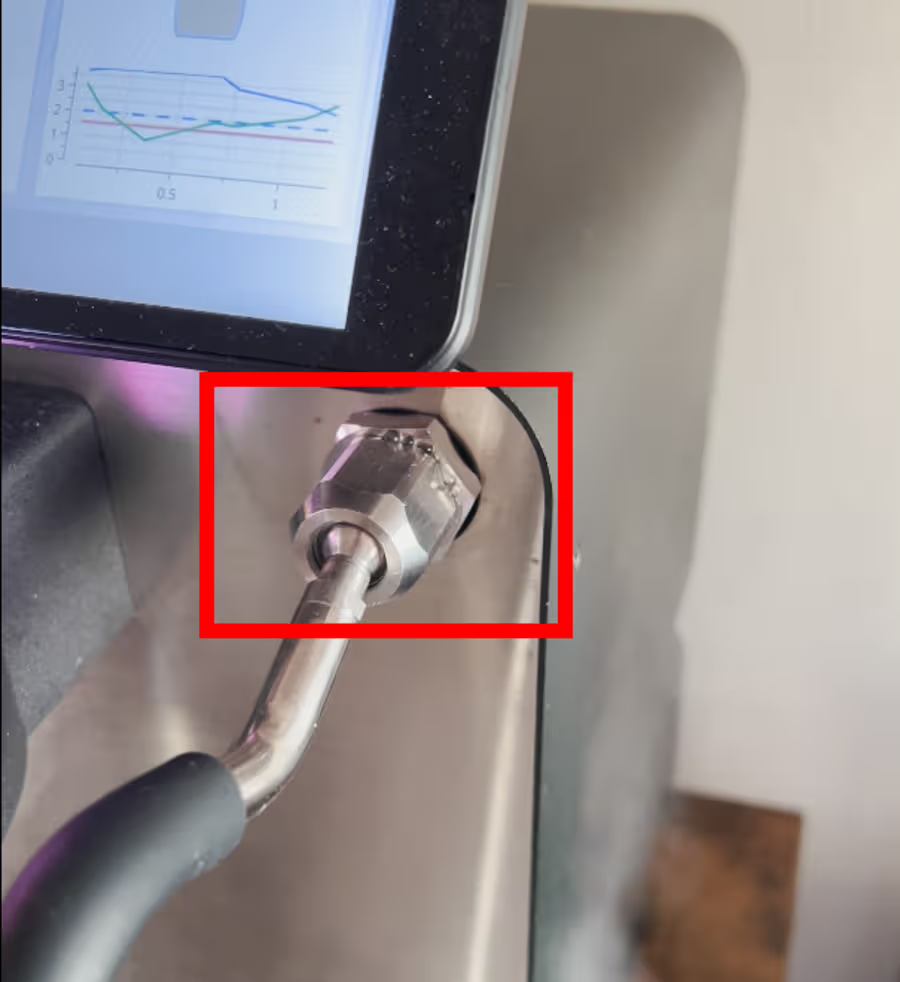
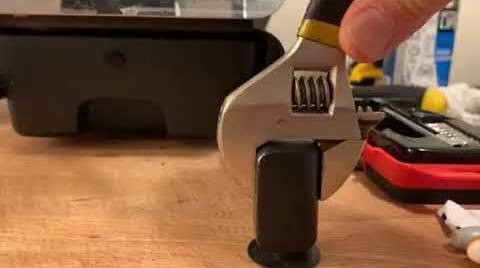
Fix steam wand leaks caused by shipping vibrations. Simply tighten the ball joint nut with a 22mm spanner to restore a perfect seal on your machine. [more] 2026-06-27
How to reset app settings when the DE1app doesn't start or font size/resolution is too big
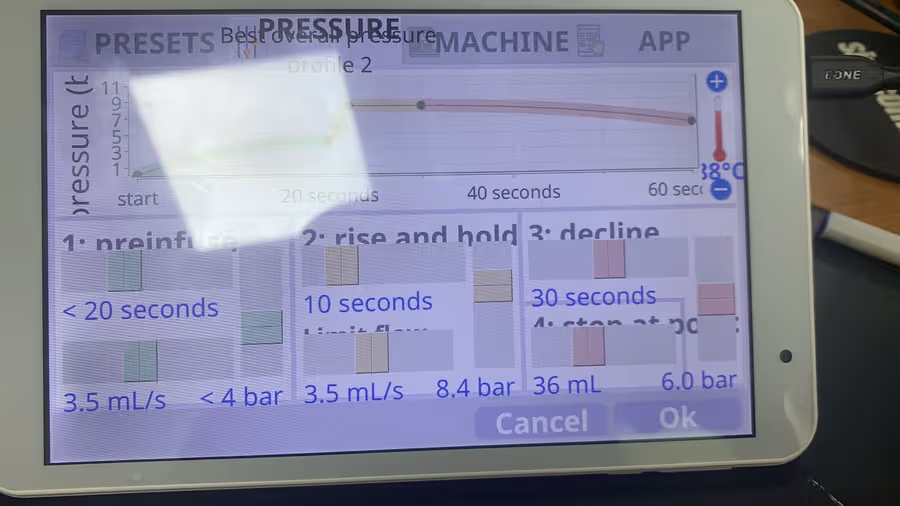
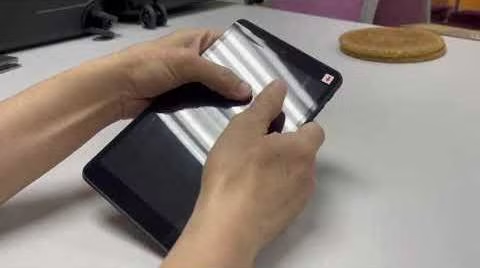
Fix app launch issues or restore incorrect screen resolution and font sizes. Follow these simple steps to reset your machine’s settings via the Cloud Update app. [more] 2026-06-27
Bent leg on arrival
If your machine's leg base was bent during transit, watch our guide to fix minor damage or contact support for a replacement if the issue is severe. [more] 2026-06-27
Tablet bubble (aka battery bloating) issue
Fix tablet screen bubbles easily. Learn the difference between a shipping air bubble and battery bloating, and find out how to get a replacement if needed. [more] 2026-06-27
Steam starts to preheat when you tap the Steam start button
If your steam isn't heating up, check these three common software settings to restore performance. [more] 2026-06-27
The actual flow rate has become lower than the machine's reading
Is your machine's actual flow rate lower than the reading? This common issue is often caused by a clogged intake filter. Follow our guide to clean your V1 or V2 filter and restore accurate performance. [more] 2026-06-27
Fixing the "skip first step" bug
Experiencing the "skip first step" bug on your Decent DE1? Learn the common causes, from accidental preinfusion exit conditions to valve issues or sensor readings, and how to troubleshoot them. [more] 2026-06-27
DE1XL internal panel refit
In this article, we show you how to mount an internal panel to your DE1XL machine. [more] 2026-06-27
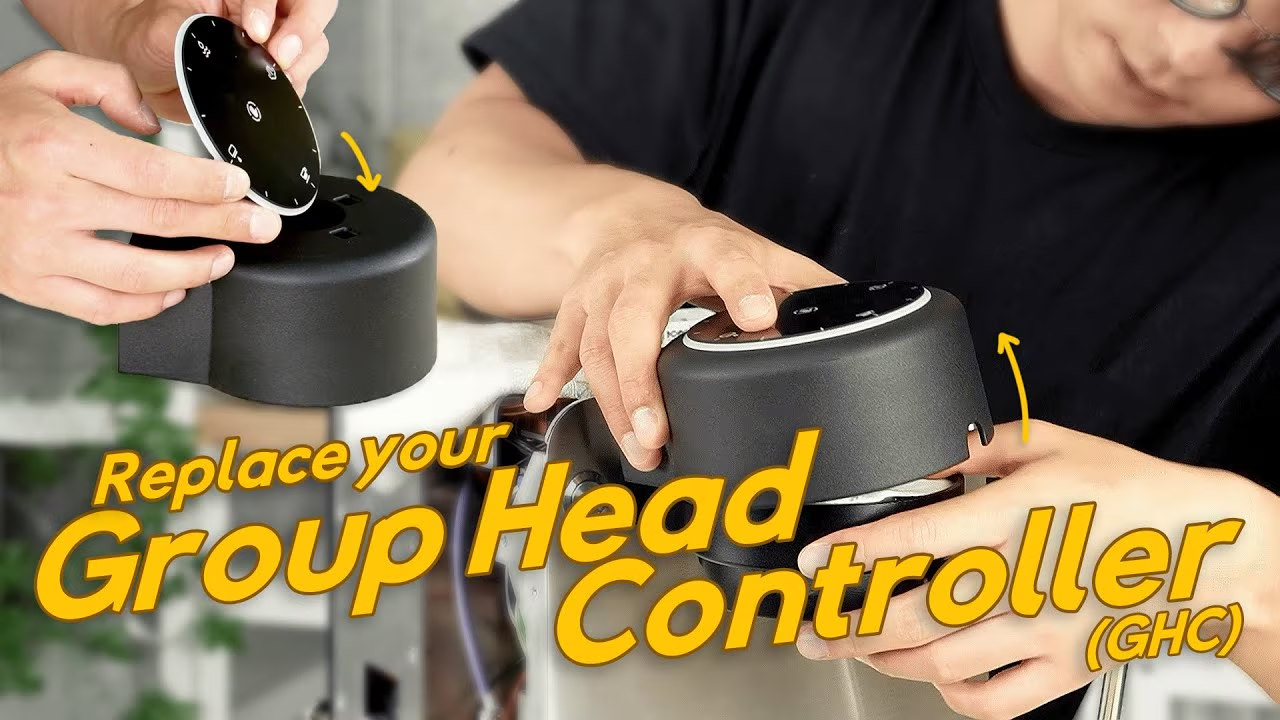
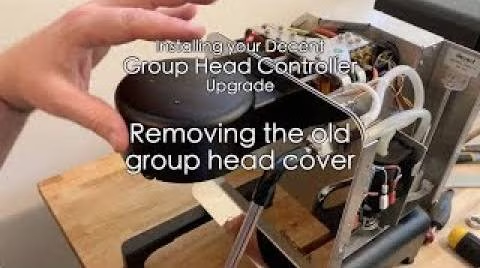
Group head controller upgrade (for v1.1 machines)
This video will show you how to mount the group head controller (GHC) onto your v1.1 machine. [more] 2026-06-27
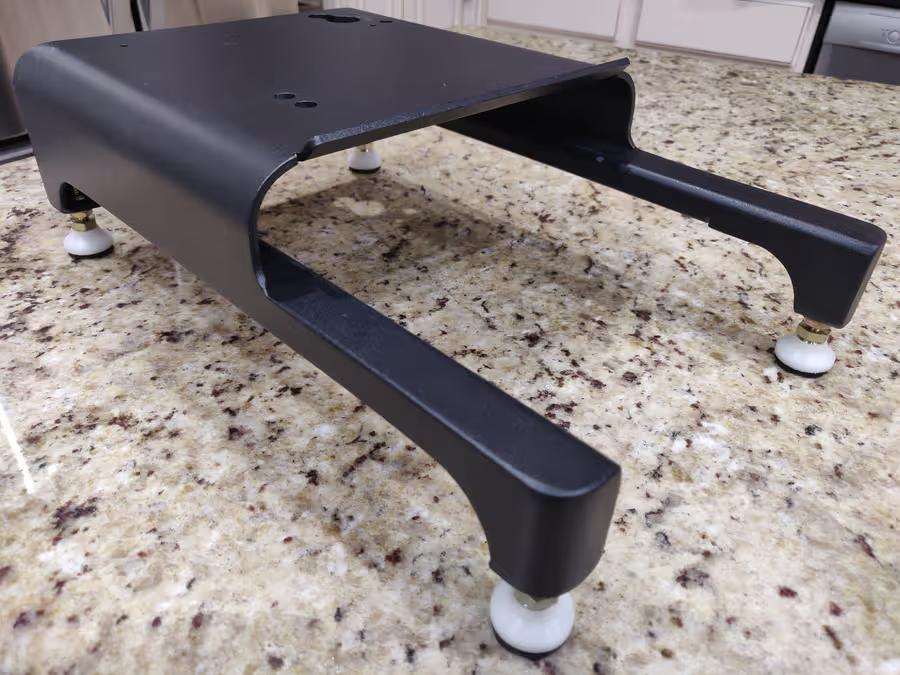
Making height adjustable feet for your DE1
This post shows you a source for height-adjustable feet, which are compatible with the DE1. [more] 2026-06-26
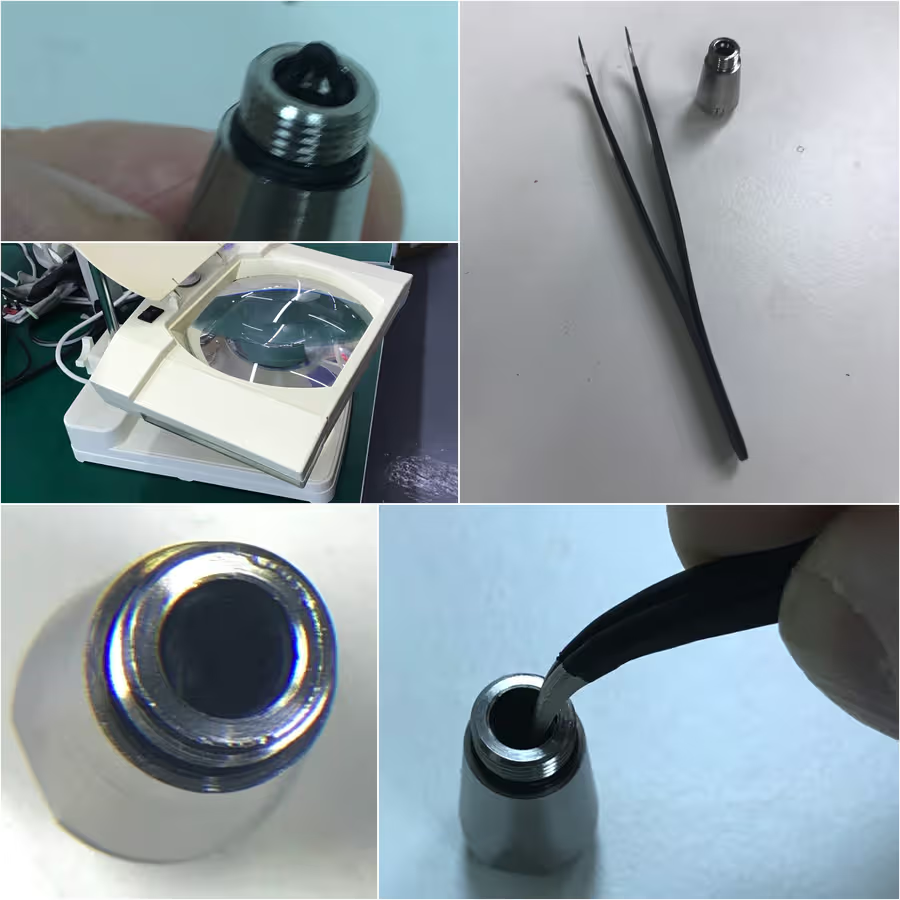
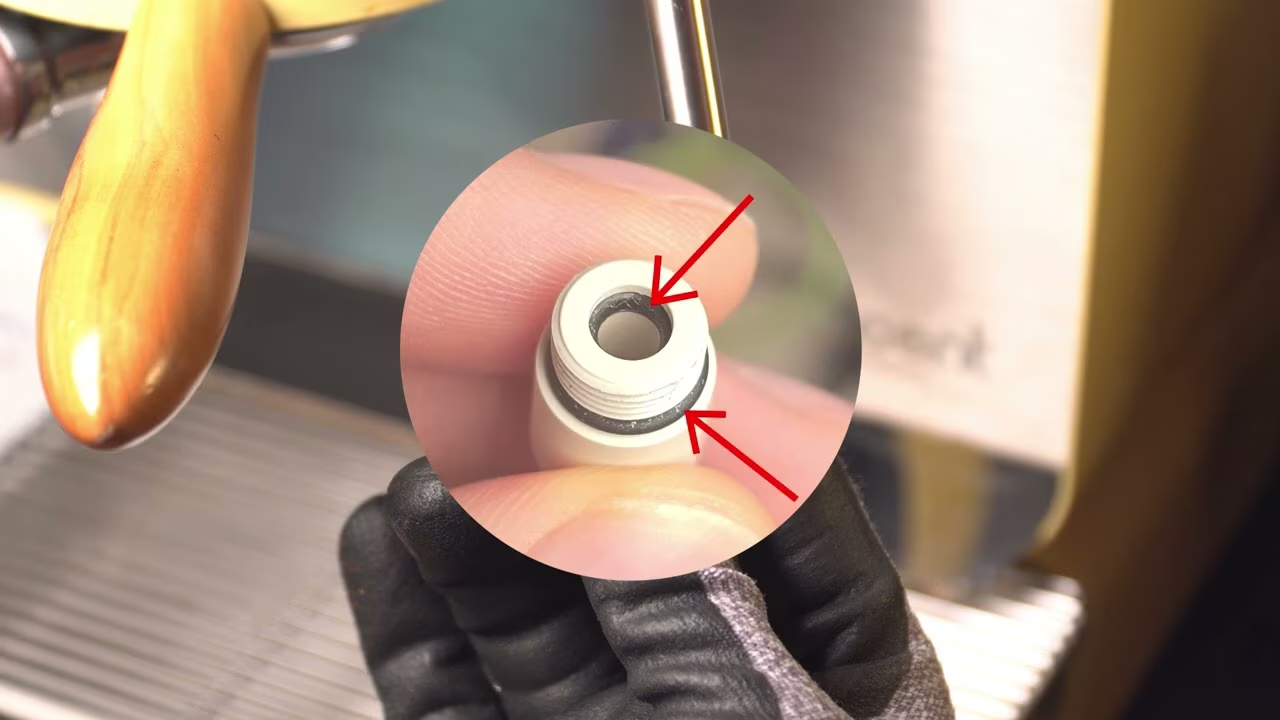
How to change the O-rings on a steam wand tip
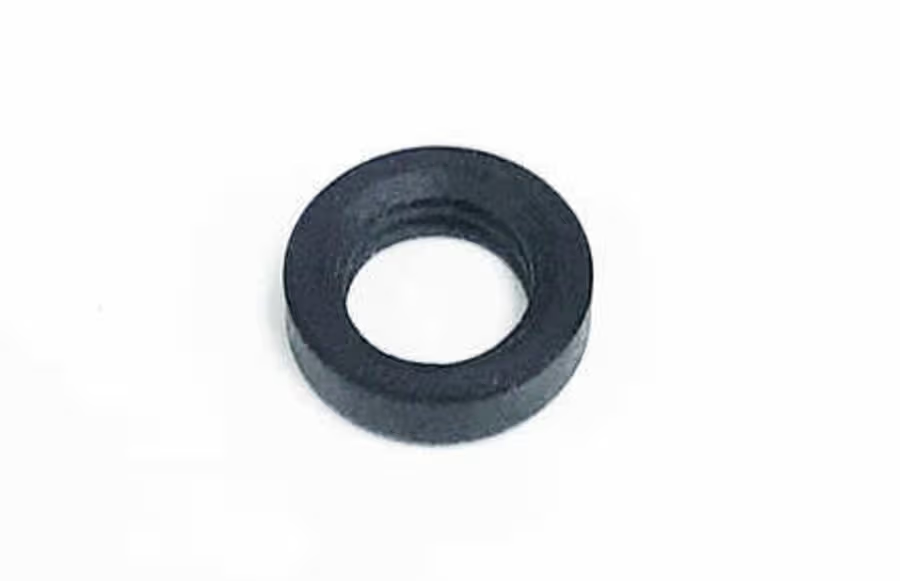
In this post, we show you how to replace the O-rings of your steam wand tip. [more] 2026-06-26
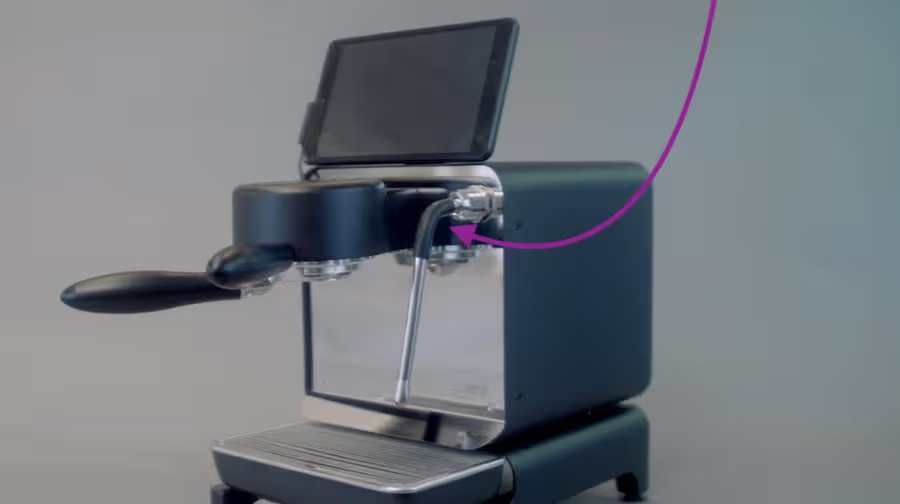
How to replace the steam wand sleeve
This post shows you how to replace your steam wand sleeve and gives the relevant specifications, should you want to buy your own. [more] 2026-06-26
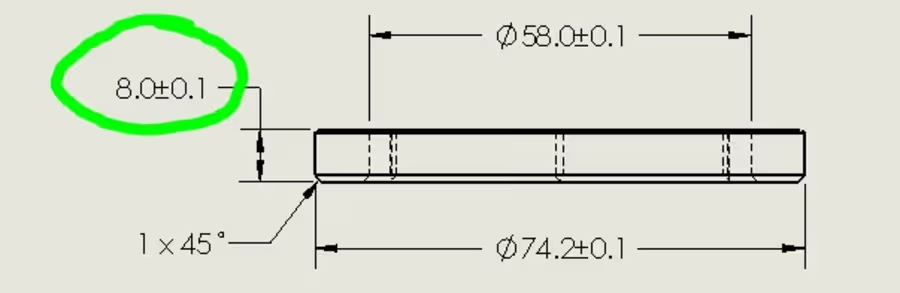
Drawings of the portafilter and group head handles
A number of people are interested in making their own wood handles for their decent espresso machine. In this post, you'll find the drawings of the portafilter and the group head handles so that you can make your own. [more] 2026-06-26
How to replace the fuse
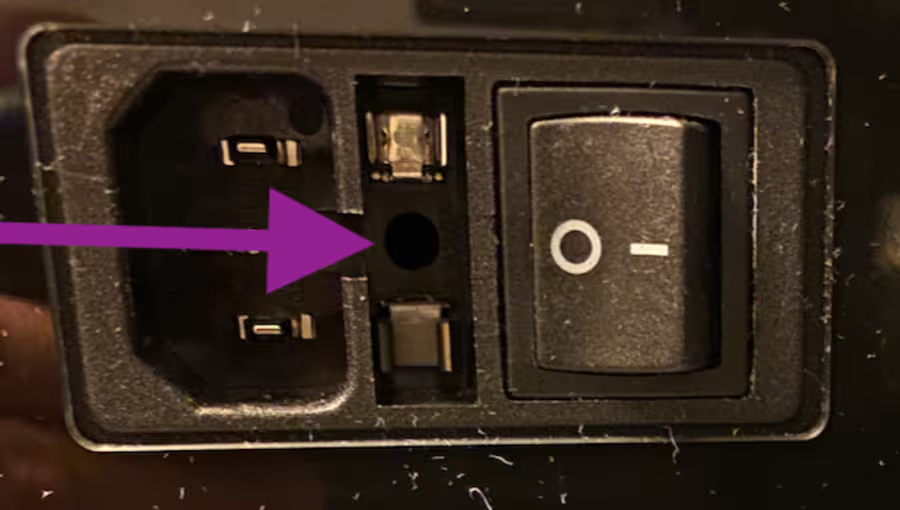
This post shows how to replace the fuse of your Decent Espresso machine. [more] 2026-06-26
Solution if you removed the steam wand tip and accidentally made your steam wand "hot touch" by dislodging the steam tube
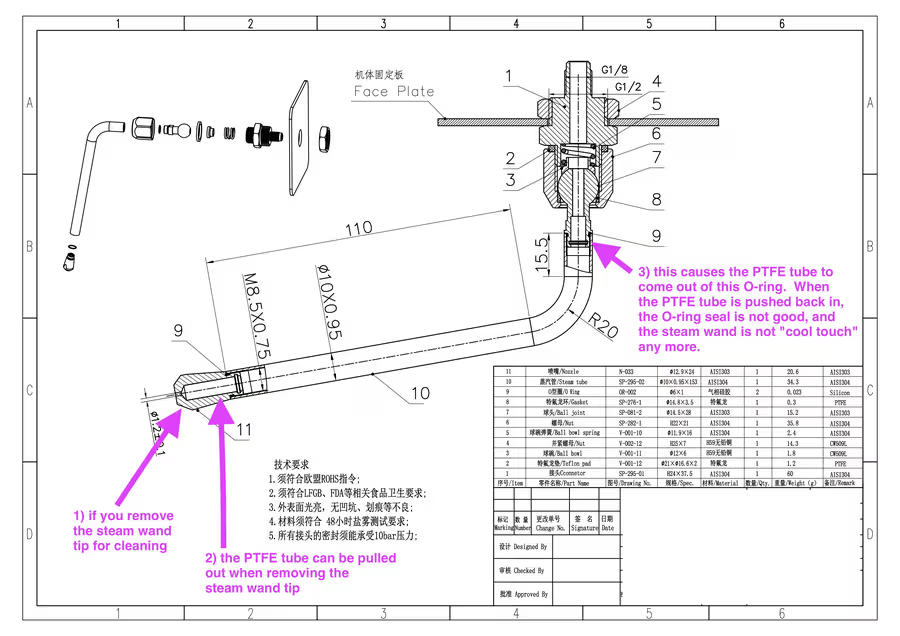
This fix shows how to make your steam wand "cool touch" again if you accidentally dislodged the steam tube when you took off the steam tip. [more] 2026-06-26
How to replace the flow meter (machines pre v1.4)
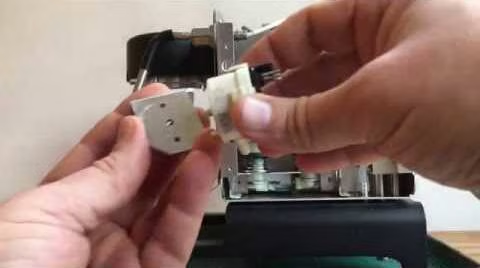
This guide shows how to replace the flow meter of your Decent Espresso machine. This is only for machines earlier than v1.4. [more] 2026-06-26
You download the app, but no DE1app icon gets created
Some versions of Android come with a non standard "launcher" that doesn't obey the de1app's request to make a desktop icon. This post shows how to solve that issue. [more] 2026-06-26
Your Android 5.1 tablet is very slow
Owners of v1.0 DE1, and most v1.1 DE1 machines, have Android 5.1 tablets. At the end of v1.1, and from then on (v1.3...onwards) we switched to Android 8. We're now even at a later Android version. [more] 2026-06-26
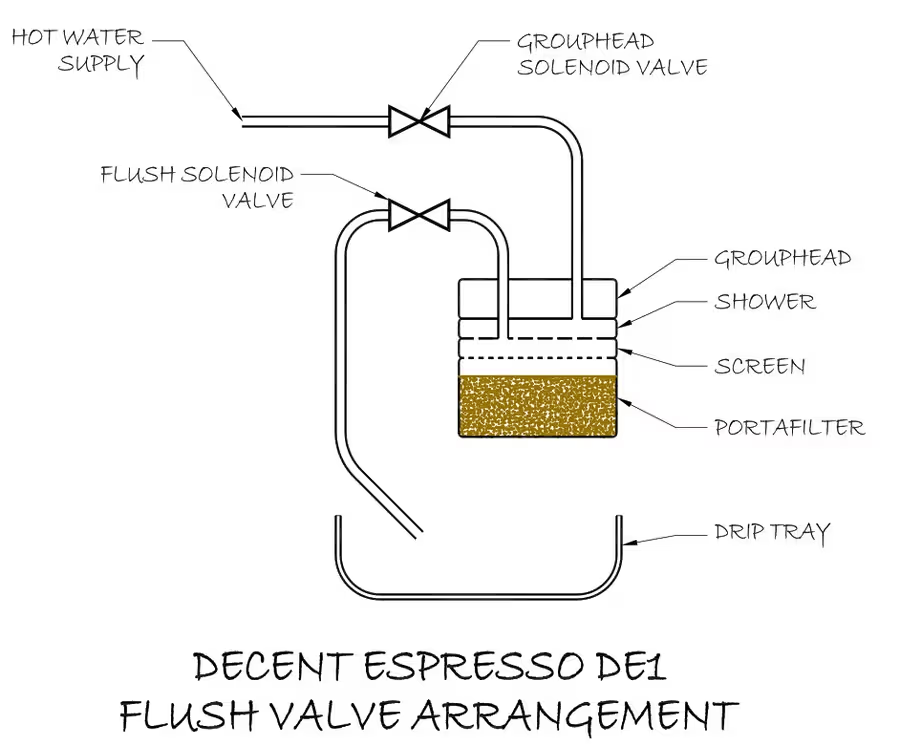
Group head valve schematic
This schematic shows how our espresso machines don't use a 3-way valve, but 2 separate 2-way valves. [more] 2026-06-26
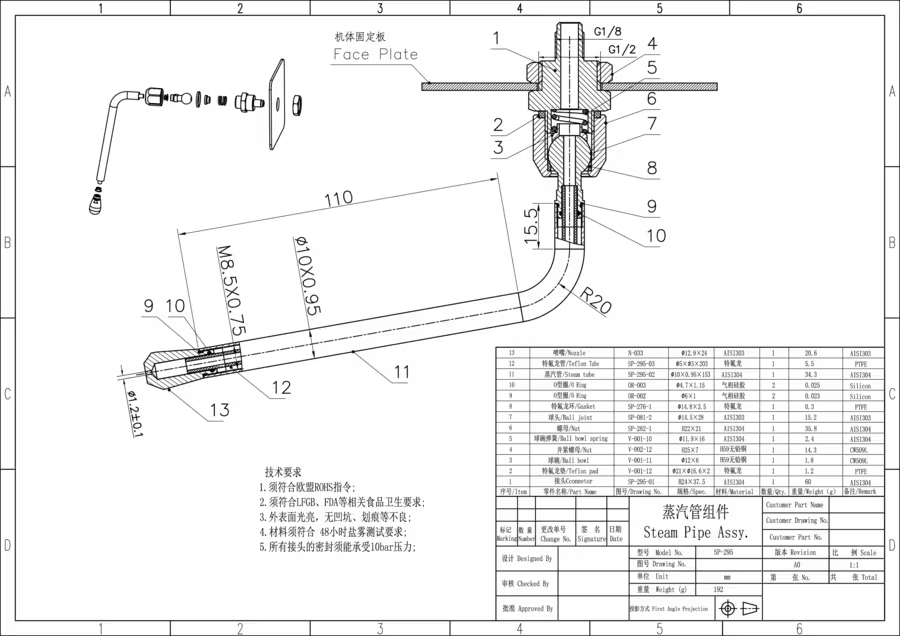
DE1PRO steam wand assembly schematic
In this post, you'll find the DE1PRO steam wand assembly schematic [more] 2026-06-26
Portafilter gasket schematic
In this post, you'll find the portafilter gasket schematic. [more] 2026-06-26
Group head icons
If you'd like to use the icons we're using for the group head controller, here you go. You might want to use them in your own skin, or something else. [more] 2026-06-26
Drawings of the back panels
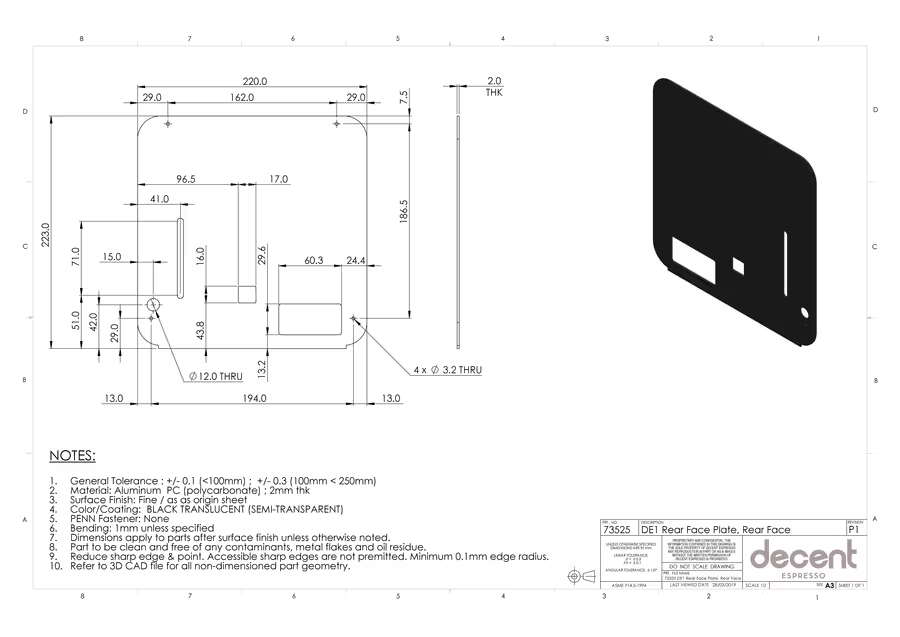
In this post, you'll find the drawings of the back panels so that you can 3D print or otherwise make your own. [more] 2026-06-26
Drawing of the drip tray
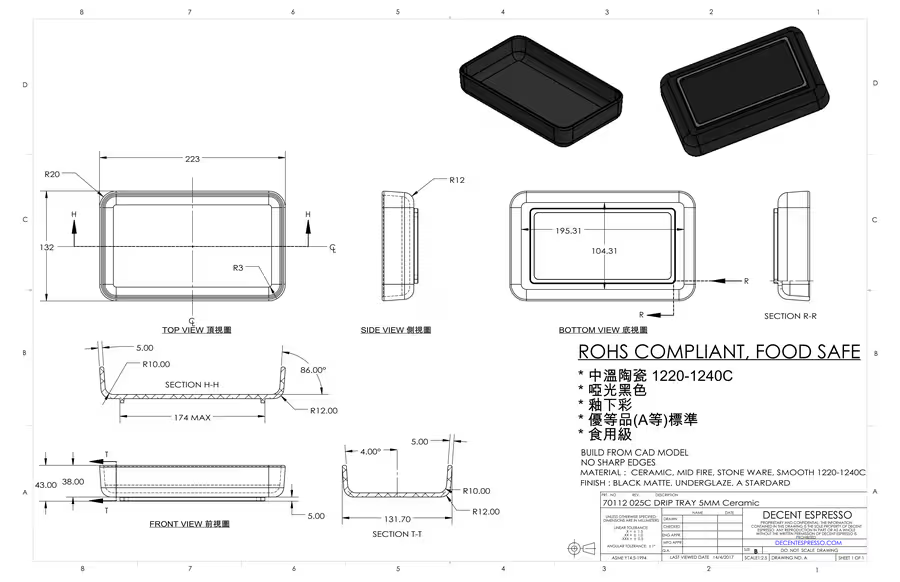
In this post, you'll find the drawing of the drip tray of our machines so that you can make your own drip tray accessories (covers, etc) [more] 2026-06-26
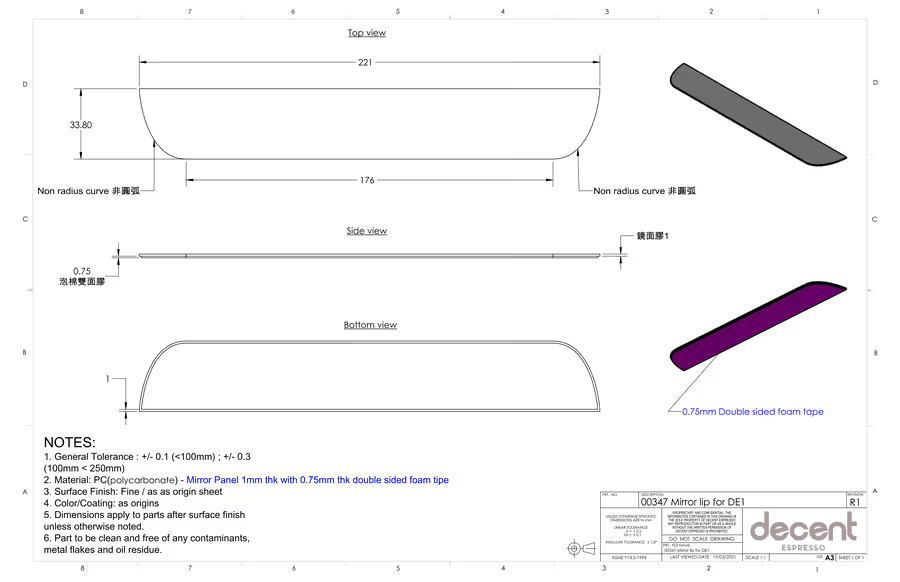
Drawings of the mirror lip
In this post, you'll find the drawings of the mirror lip so that you can cut your own. [more] 2026-06-18
How to replace the DE1 wand with the BengleWand on V1.0 and V1.3 - V1.45 DE1 machines
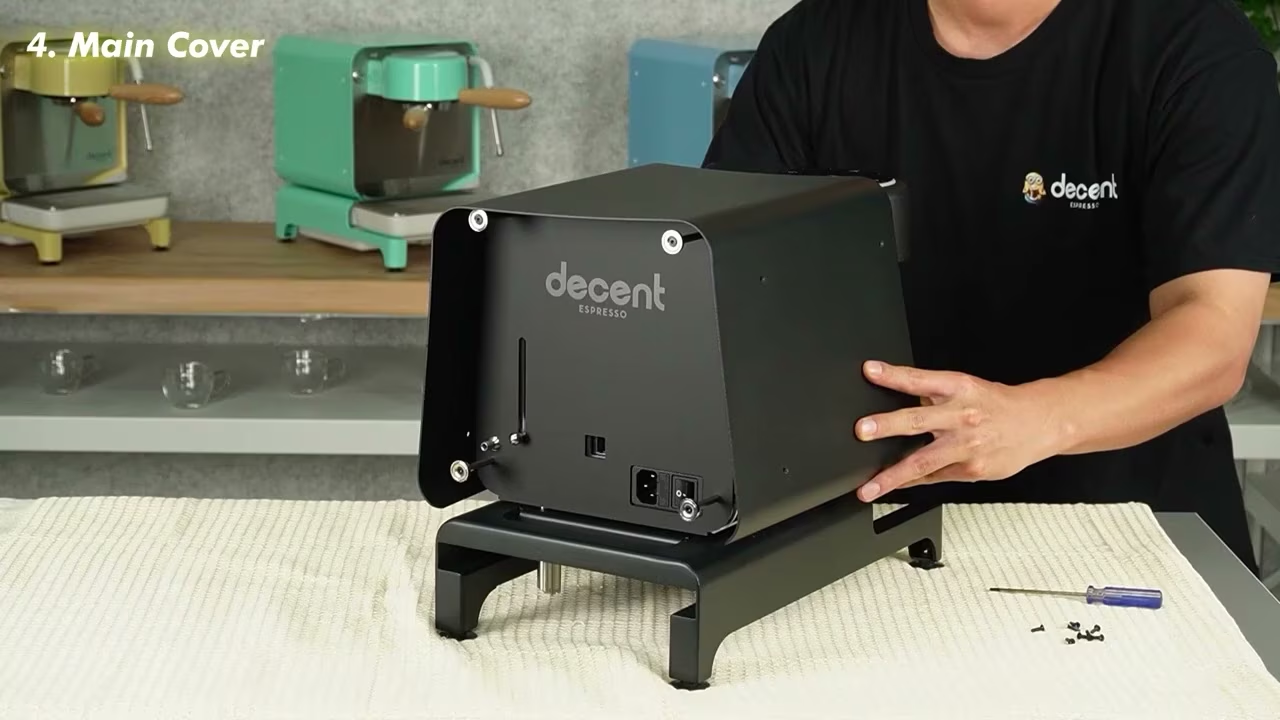
In this guide, we provide a complete walkthrough on how to replace the original DE1 steam wand with the new BengleWand on Decent Espresso V1.0 and V1.3 through V1.45 DE1 models. [more] 2026-06-17
How to replace the DE1 wand with the BengleWand on V1.1 DE1 models
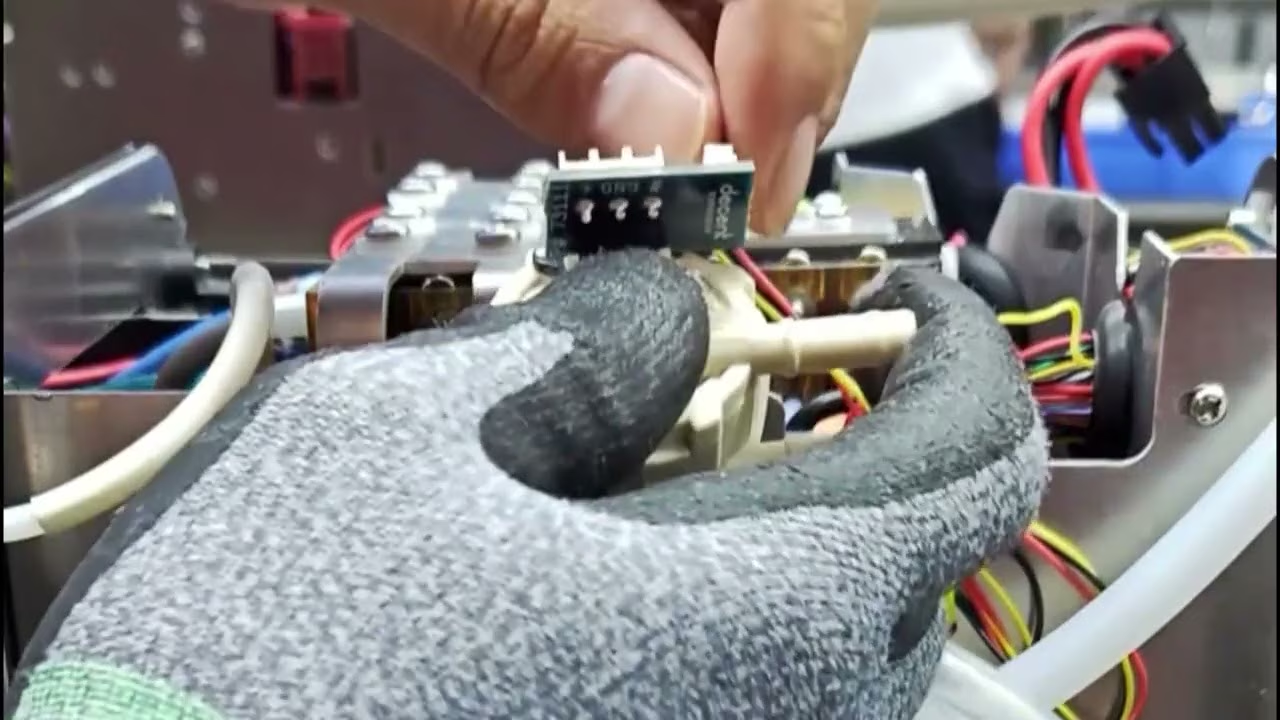
In this guide, we'll show you how to replace the original DE1 steam wand with the new BengleWand on v1.1 Decent Espresso (DE1) models. [more] 2026-05-29
The Half Decent Scale (HDS) menu options, explained
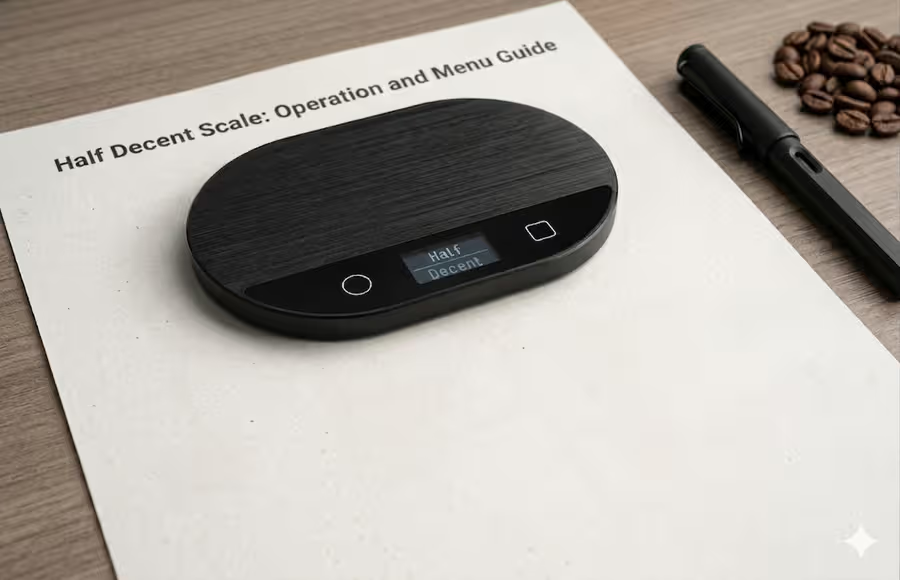
This document explains all of the menu points in the "HDS Setup" section of your Half Decent Scale (HDS). [more] 2026-05-28
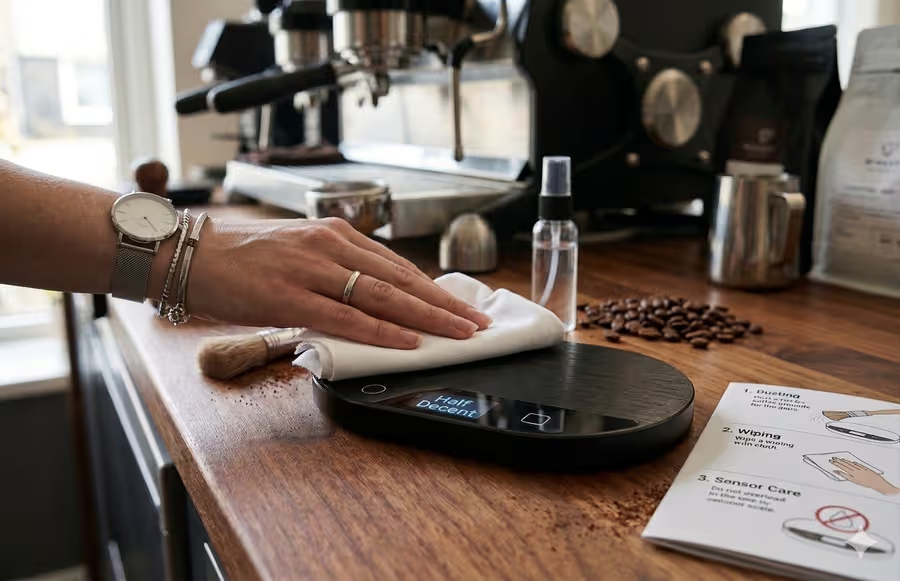
The Half Decent Scale (HDS) care guide
This care guide specifies actionable steps to ensure your Half Decent Scale (HDS) keeps working and stays accurate for years to come. [more] 2026-05-28
How to replace your steam wand with the BengleWand on v1.46 DE1 models
This quick and easy tutorial will guide you through the process of replacing the steam wand on your v1.46 machine from Decent (DE1PRO, DE1XL, or DE1XXL) with the BengleWand. [more] 2026-05-28
How to replace your steam tip
This quick and easy tutorial will guide you through the process of replacing the steam tip on your Decent Espresso machine. [more] 2026-05-21
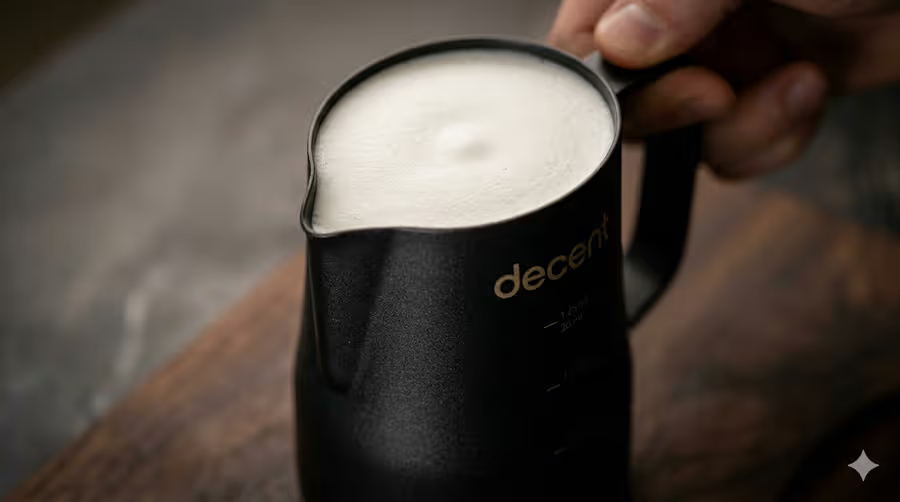
How to keep your milk jug nice and scratchless
In this document, we show you how to protect your Teflon-coated Decent milk jug from scratches. Tips: ditch the dishwasher (hand-wash only), use a soft sponge and non-abrasive detergent for cleaning, and make sure you store your milk jugs properly. [more] 2026-05-07
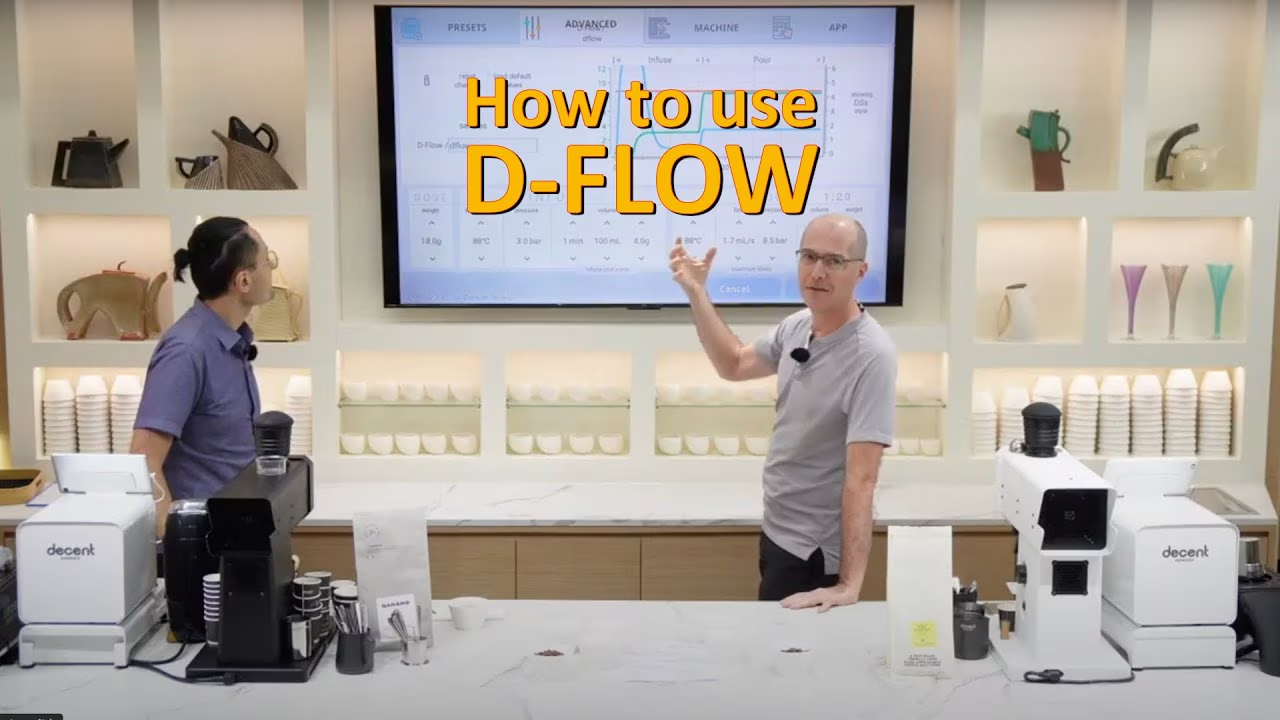
How to dial in D-Flow
This guide explains how to dial in D-Flow. [more] 2026-04-17
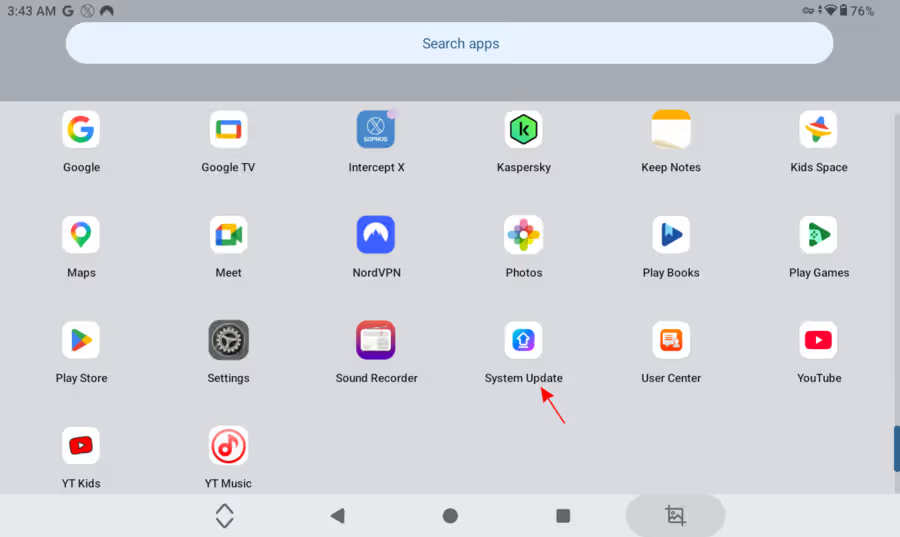
Updating the M50Mini tablet to firmware v1.06
This guide walks you through updating the Teclast **M50Mini** tablet [more] 2026-03-29
Decent.app Privacy Policy
Our privacy policy for Decent.app [more] 2026-03-26
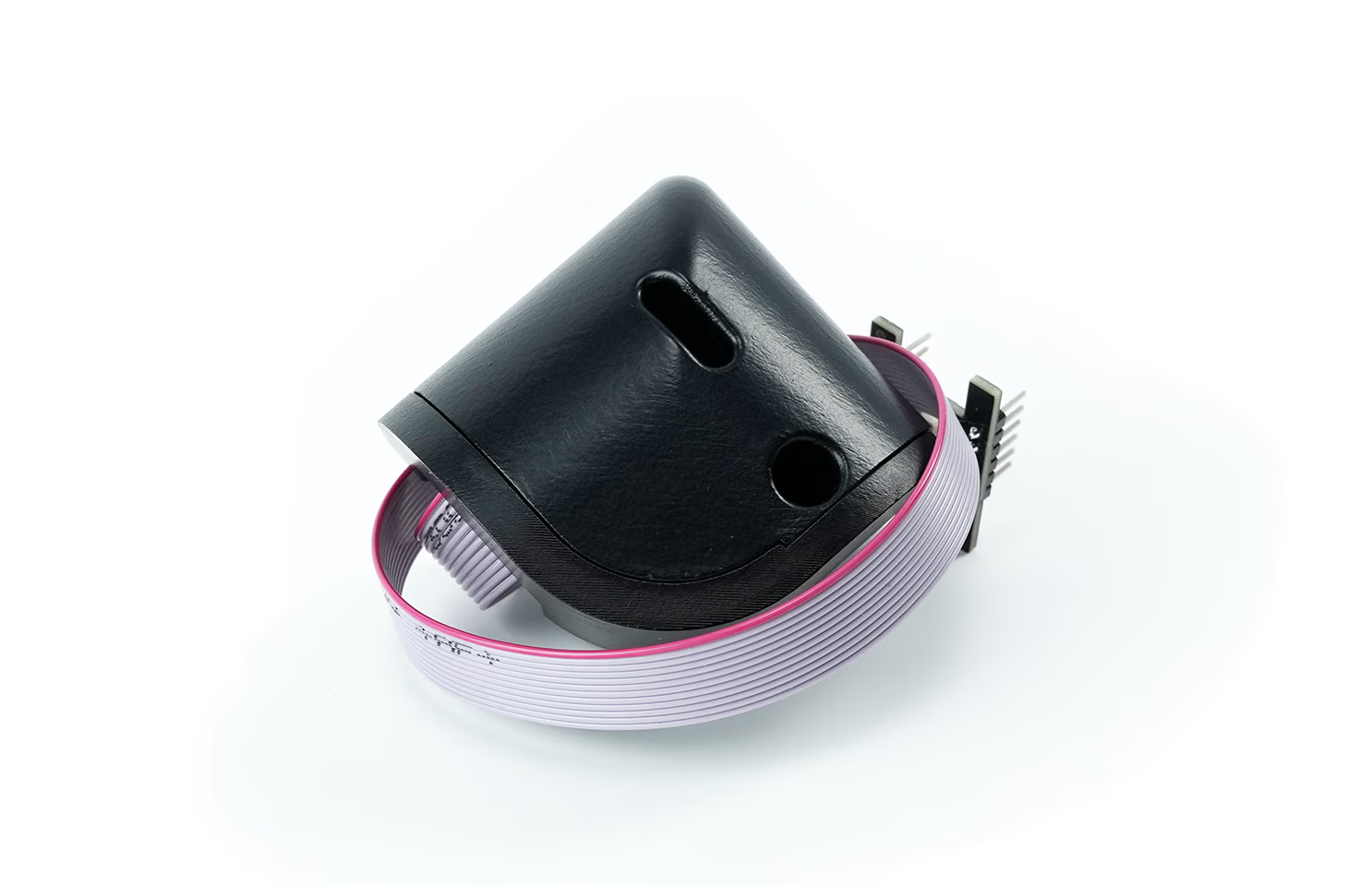
DE1 USB-C adapter documentation
Installation and usage guides for your USB-C adapter module [more] 2026-03-23
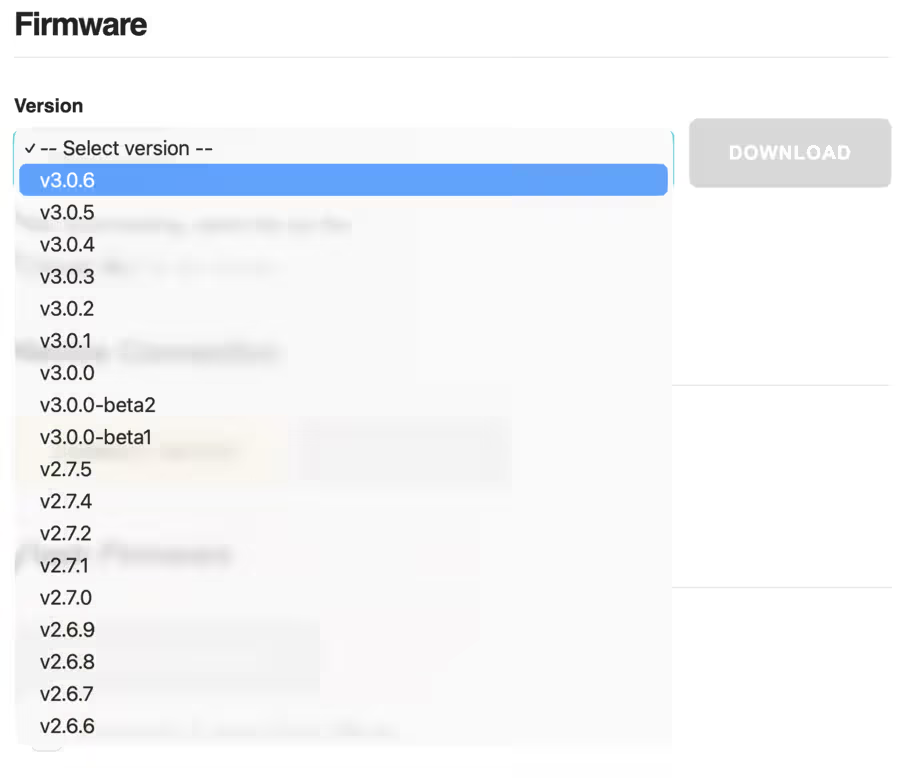
Half Decent Scale Updater tool
A tool for updating the firmware on your Half Decent Scale [more] 2026-02-28
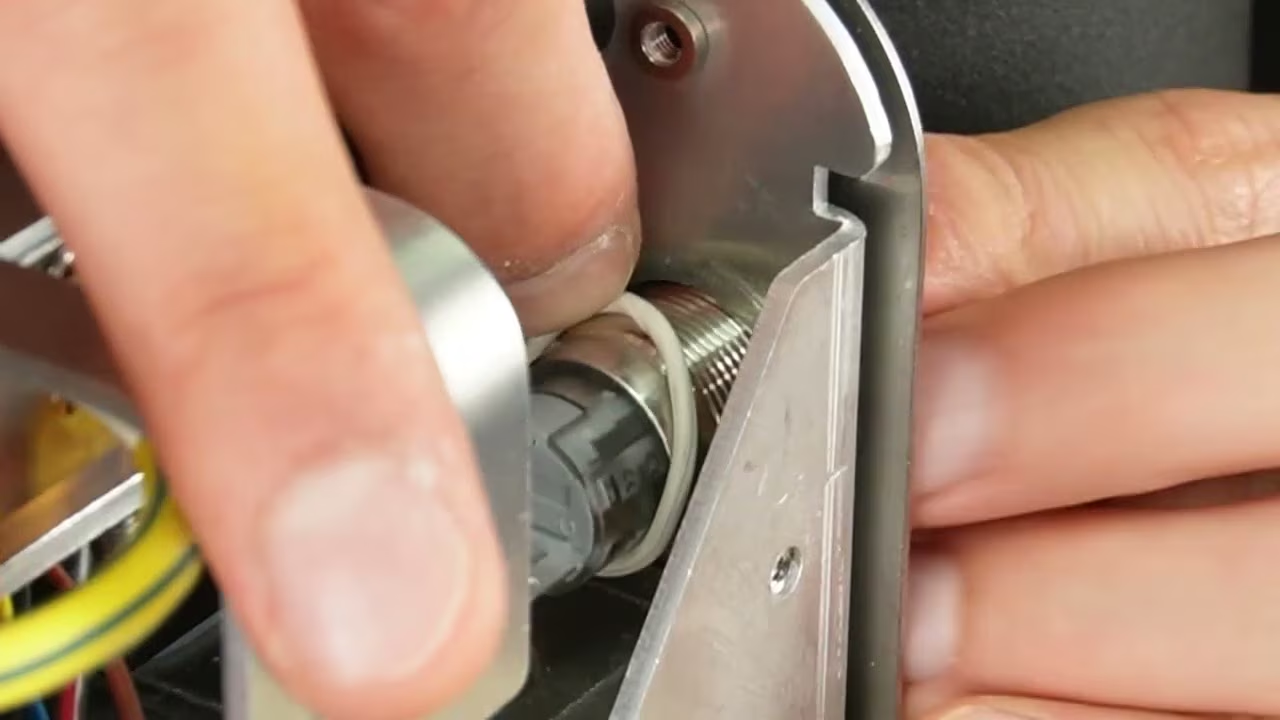
How to replace the DE1 front button
In this video, we'll show you how to replace the front button of your Decent Espresso machine. This video is part of a series that we produce, helping our users self-repair their Decent Espresso Machine. [more] 2026-02-11
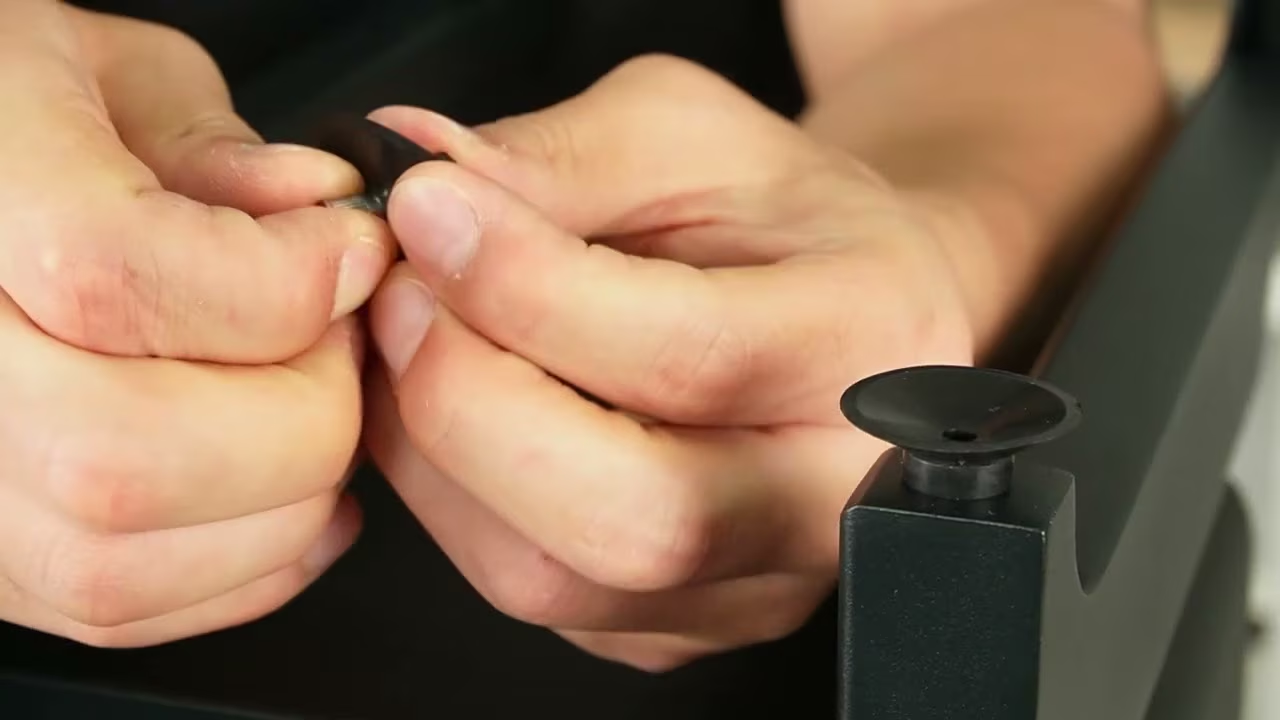
How to replace the feet of your Decent Espresso Machine
In this video, we'll show you how to replace the feet of your Decent Espresso machine. This video is part of a series that we produce, helping our users self-repair their Decent Espresso Machine. [more] 2026-01-26
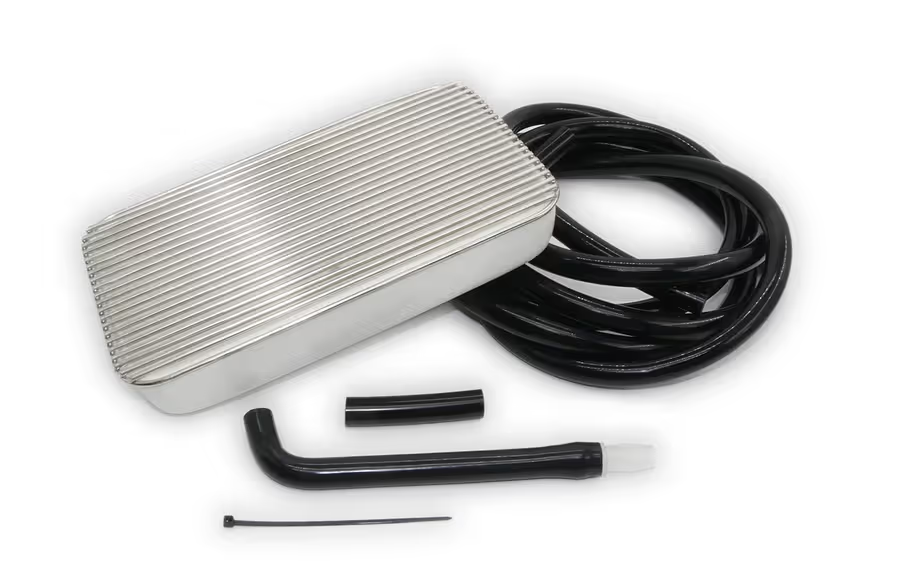
How to connect your Drain Kit v1 to your machine
Here, we'll show you how to connect your drain kit to your Decent Espresso machine to drain waste water into a waste water container or directly into your waste water system. [more] 2026-01-16
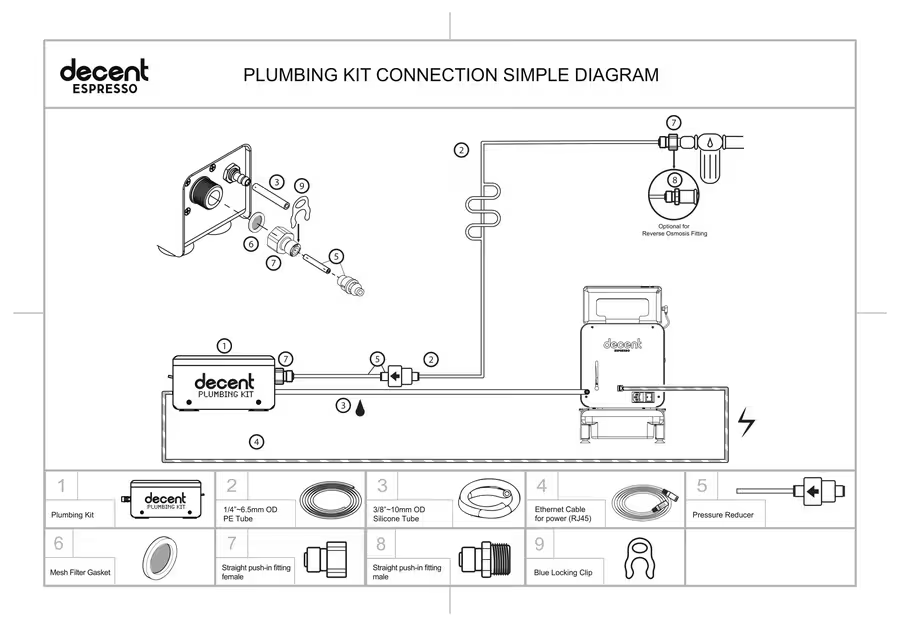
How to connect your Plumbing Kit to the machine
Here, we'll show you how to connect your plumbing kit to your Decent Espresso machine to pull water from a water source (water bottle, water tank) and fill it directly into your machine. [more] 2026-01-14
How to connect your Catering Kit to the machine
Here, we'll show you how to connect your catering kit (from June of 2026 or newer) to your Decent Espresso machine to pull water from a water source (water bottle, water tank) and fill it directly into your machine. [more] 2026-01-12
How to change the needles on your Decent Puck Rake
Change the Needles on Your Decent WDT Puck Rake V1 and V2. Before you start, purchase our Decent Replacement Needle Set. [more] 2026-01-06
How to replace the leg base
In this video, we'll show you how to replace the leg base. This video is part of a series that we produce, helping our users self-repair their Decent Espresso Machine. [more] 2025-12-28
How to replace the steam wand
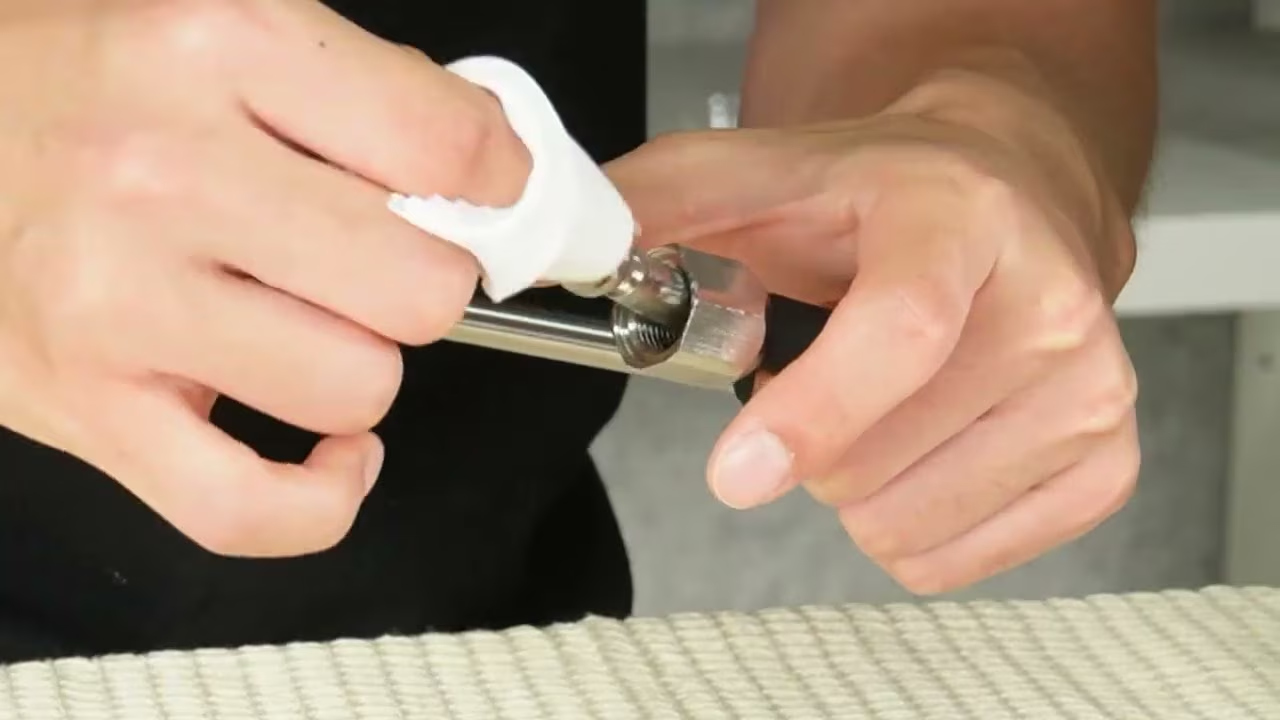
In this video, we'll show you how to replace the steam wand. This video is part of a series that we produce, helping our users self-repair their Decent Espresso Machine. [more] 2025-12-22
How to apply grease to the steam wand
In this video, we'll show you how to apply grease to the steam wand. This is necessary when the steam wand movement becomes stiff. [more] 2025-12-16
What's new in Half Decent Scale (HDS) version 1.1
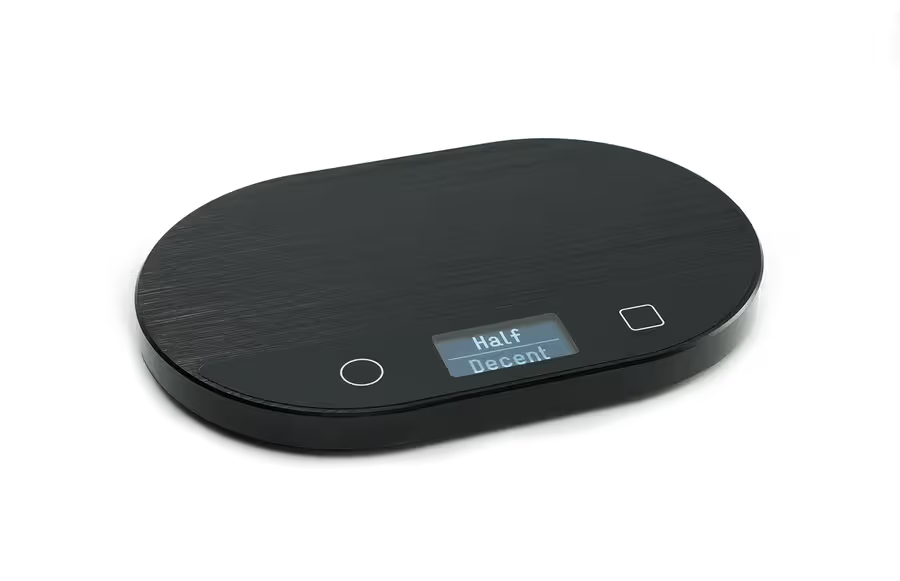
We have been listening to customer feedback during the beta as well as the v1.0 release of Half Decent Scale. Here's what's new in Half Decent Scale v1.1. [more] 2025-12-15
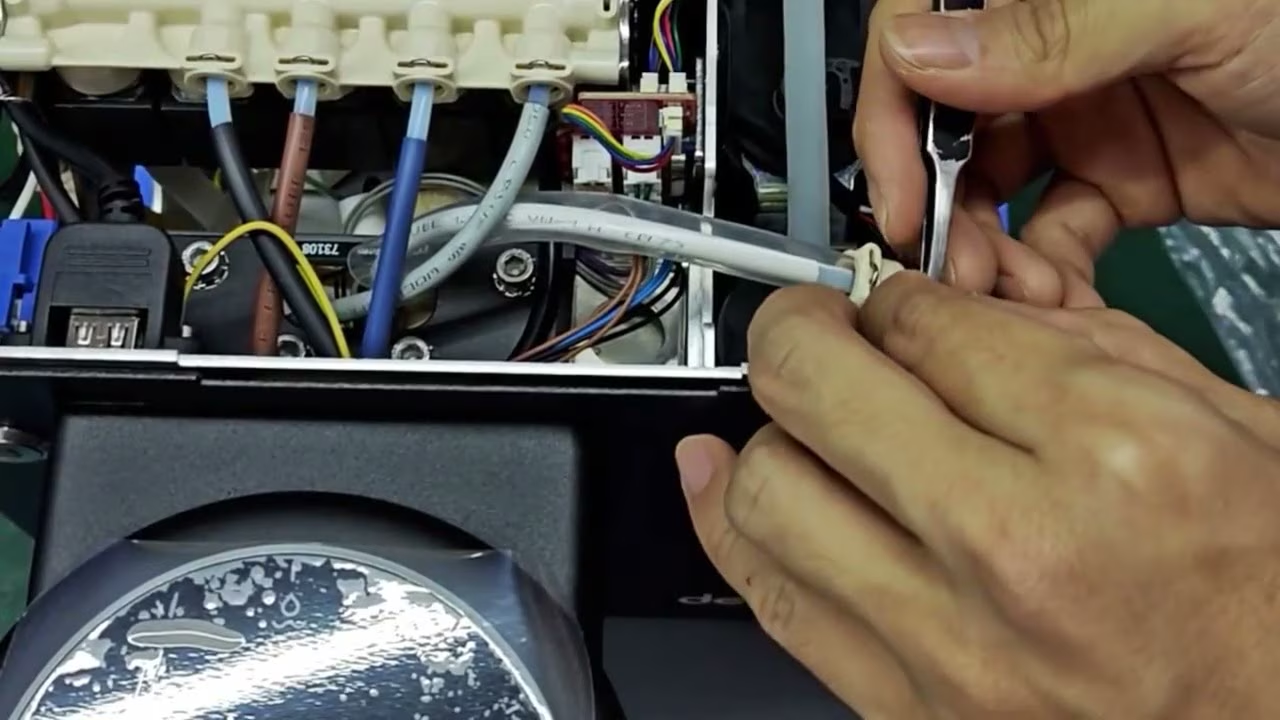
How to replace the O-rings in the brown and black tube connectors
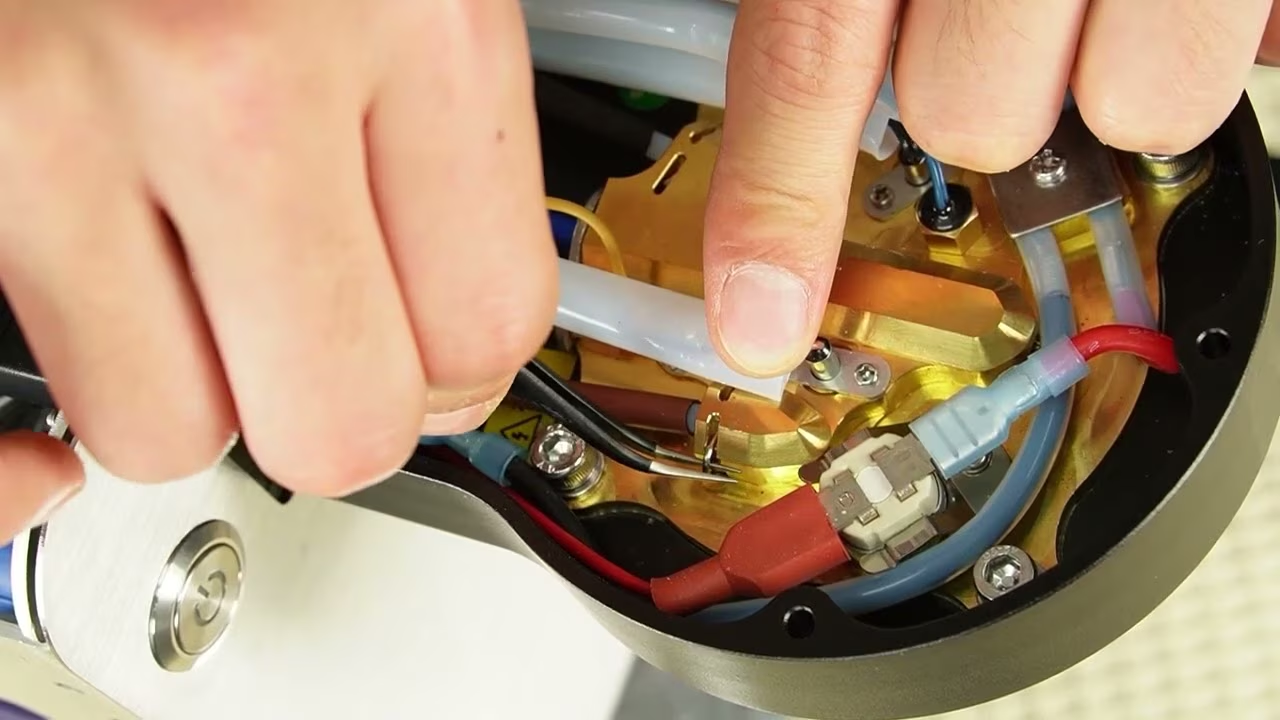
This video shows how to replace the O-rings in the brown and black tube connectors. If there is leakage from the brown or black tube, the O-ring may be deformed or damaged. In that case, the O-ring needs to be replaced to stop the leak. [more] 2025-12-11
How to replace the P10 sensor
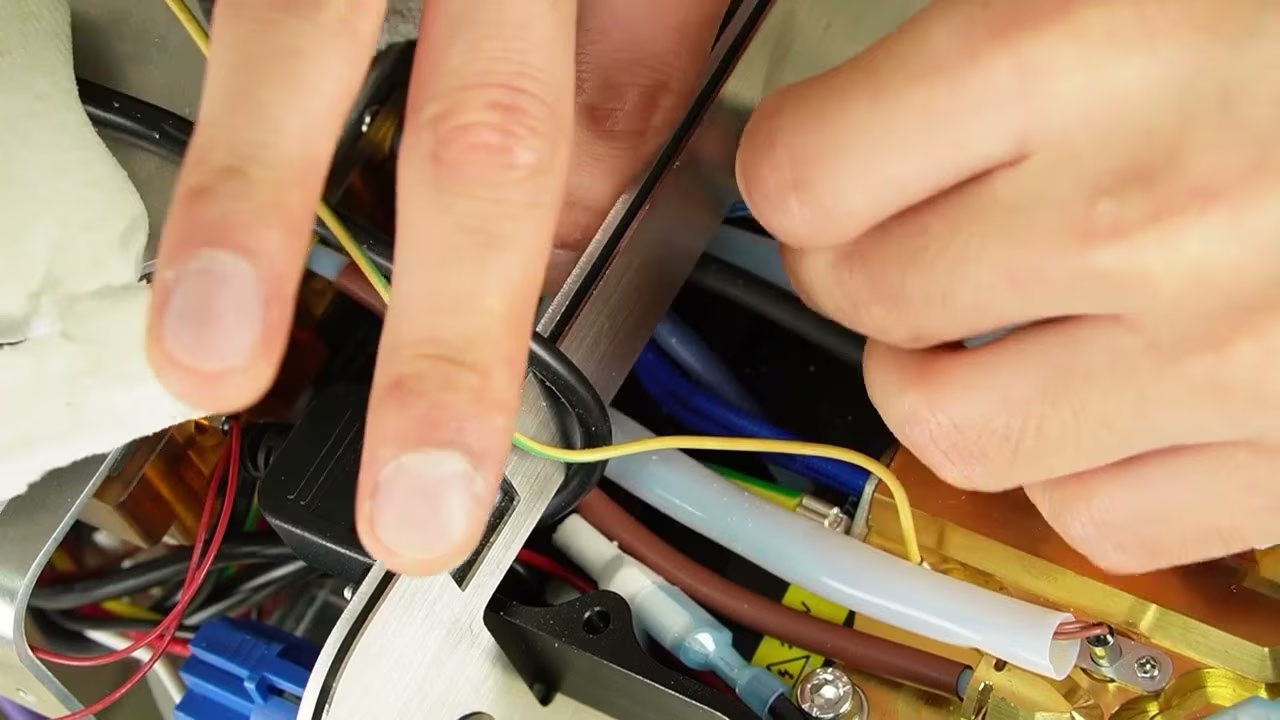
In this video, we'll show you how to replace the P10 sensor. If the metal temperature rises properly, but the app nonetheless displays WAIT forever, the P10 sensor may not be working properly. You will need to replace the sensor in that case. [more] 2025-12-04
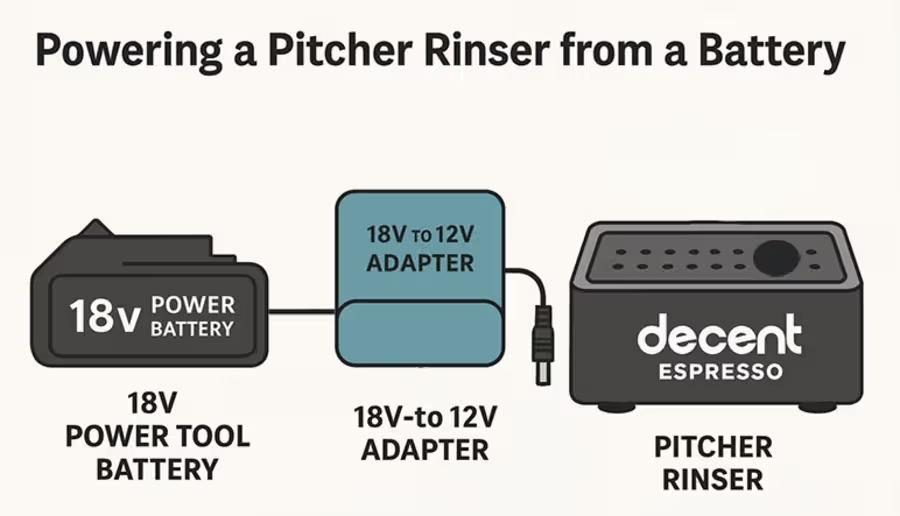
How to power your Decent Portable Rinser with a battery
A Decent Espresso Portable Pitcher Rinser can run from a power-tool battery. This article shows you the gear you need and how to connect it to your pitcher rinser. [more] 2025-11-26
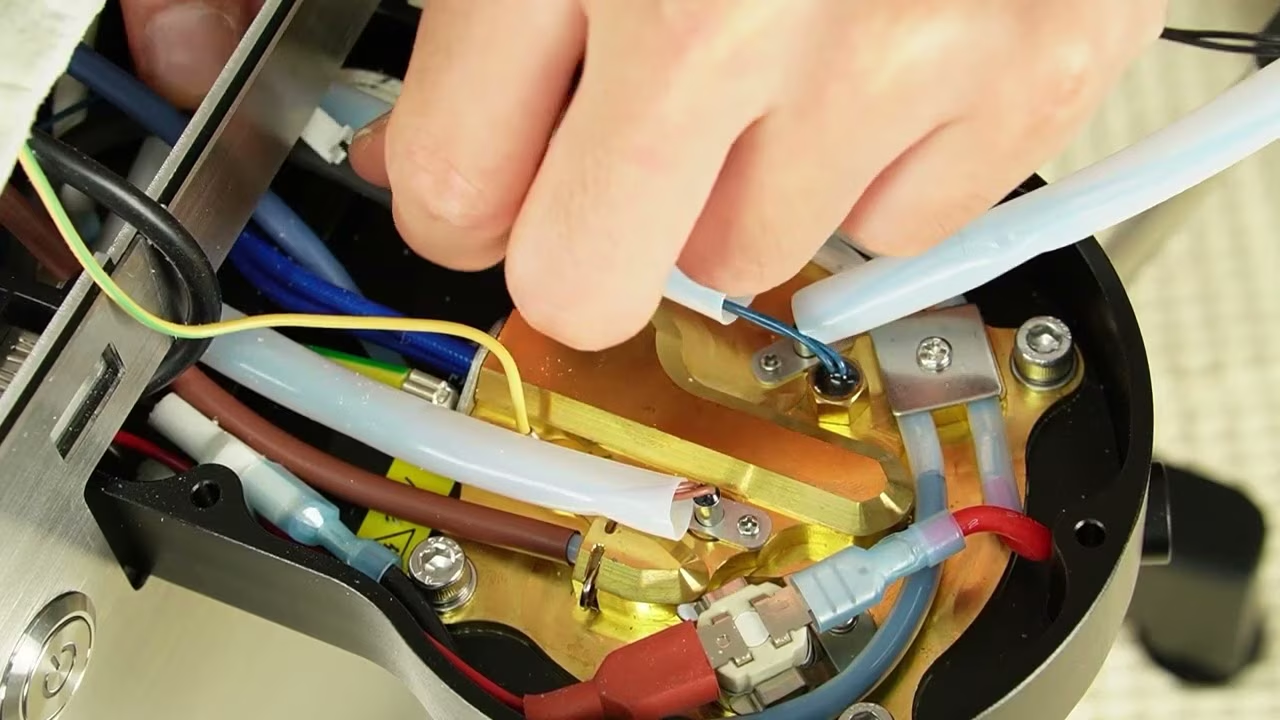
How to replace the P6 sensor
In this video, we'll show you how to replace the P6 sensor. When this sensor is broken, it causes an incorrect metal (group) temperature reading and needs to be replaced. [more] 2025-11-24
Water recommendations for the DE1 and Bengle
The water used in espresso machines is easily the single most important factor for their longevity and functionality - and our machines are no exception. Using the wrong water can lead to scale buildup, causing heater failures which require sending the machine back to our Hong Kong factory for repair - failures we cannot cover under warranty. The good news: Our machines are designed to safely use reverse osmosis (RO) or distilled water, either of which is actually the ideal water choice. With sufficiently soft water (under approximately 30ppm TDS) there is no need to ever descale, since no scale will build up in the machine. This document provides specific water recommendations based on your water source, guidance on when descaling is necessary, and explains why our machines benefit from softer water than typical espresso machines. [more] 2025-11-01
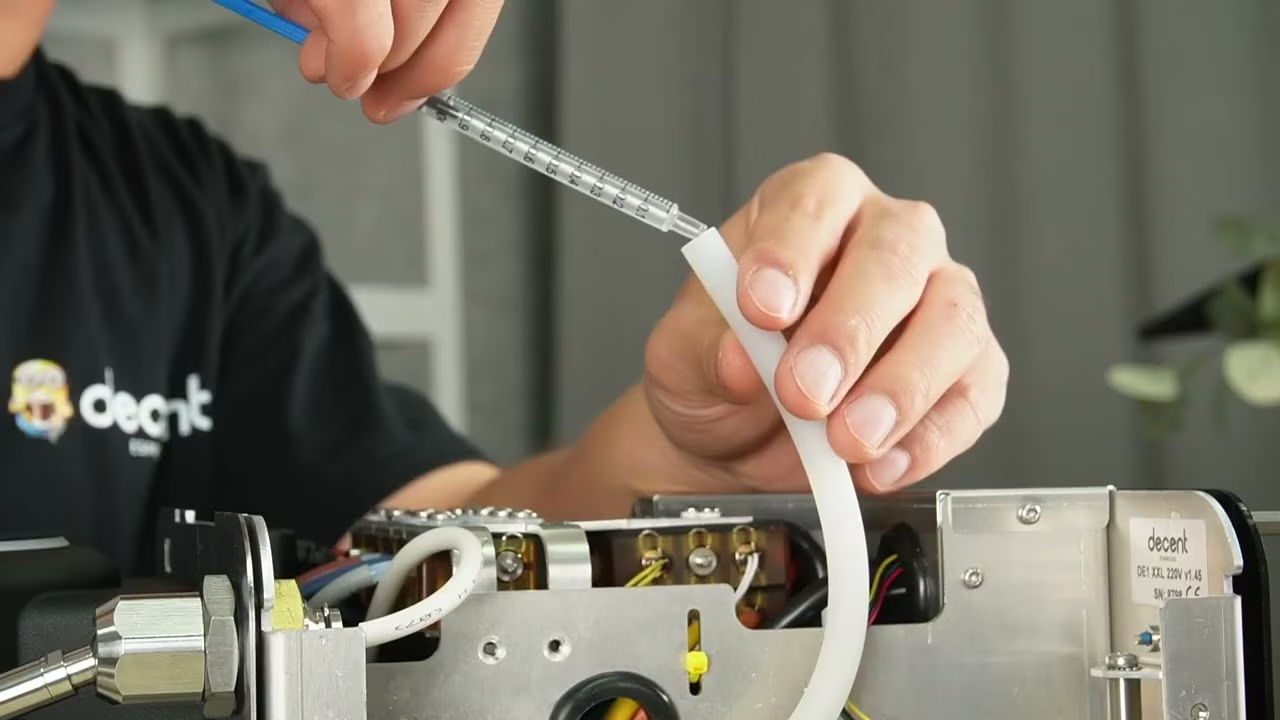
How to manually fill the F-type tube (pump prime failure fix)
In this video, we’ll walk you through how to manually fill the F-type tube to prime the pumps. It is part of a series that we produce, helping people self-repair their Decent Espresso Machine. [more] 2025-10-08
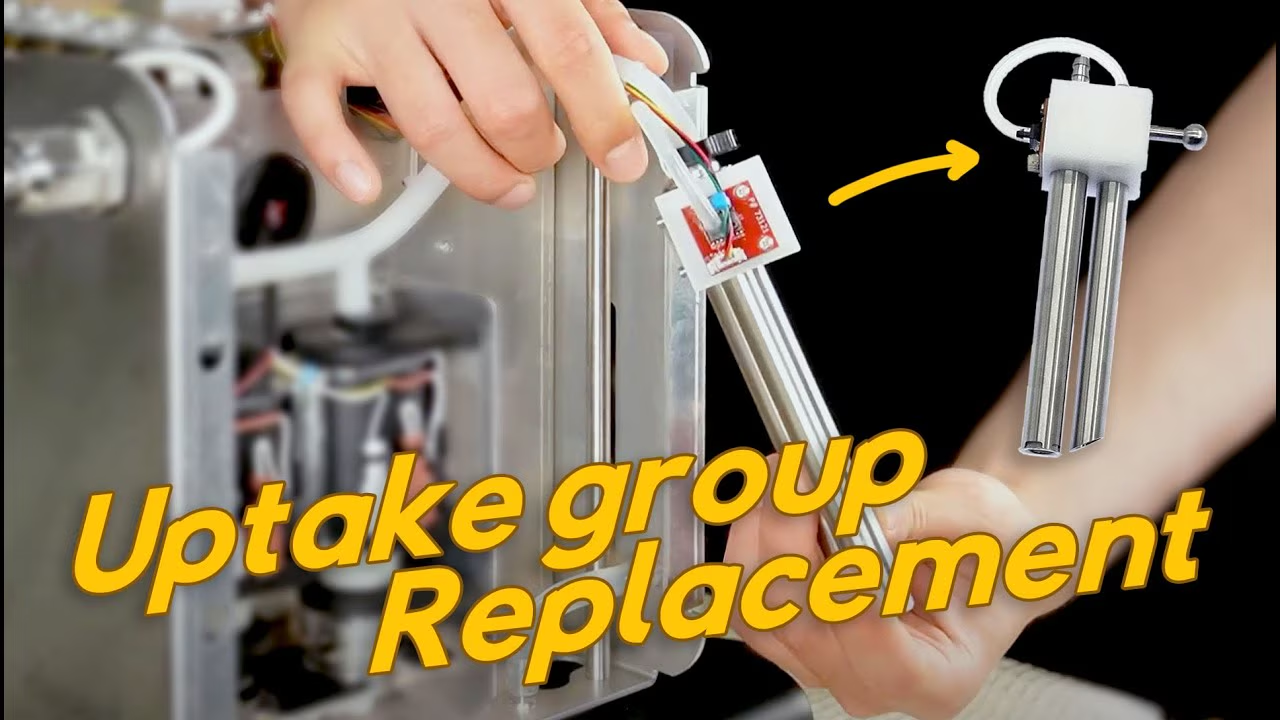
How to replace the DE1 uptake group
In this video, we’ll walk you through how to replace the DE1 Uptake group. [more] 2025-10-07
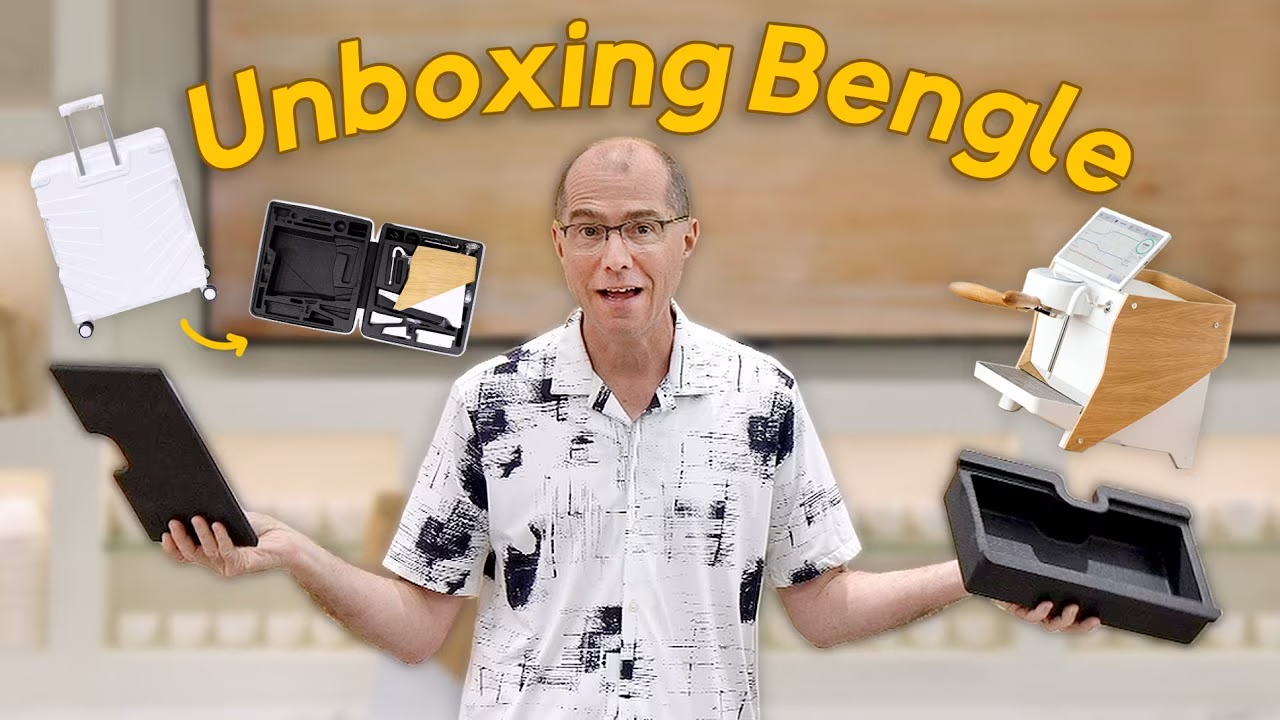
Bengle espresso machine unboxing and setup guide
John Buckman from Decent Espresso demonstrates how to unbox and set up your new Bengle espresso machine, showing what's included and how to assemble it. He also explains that you should keep all the packing materials for future travel or servicing of the machine. [more] 2025-09-29
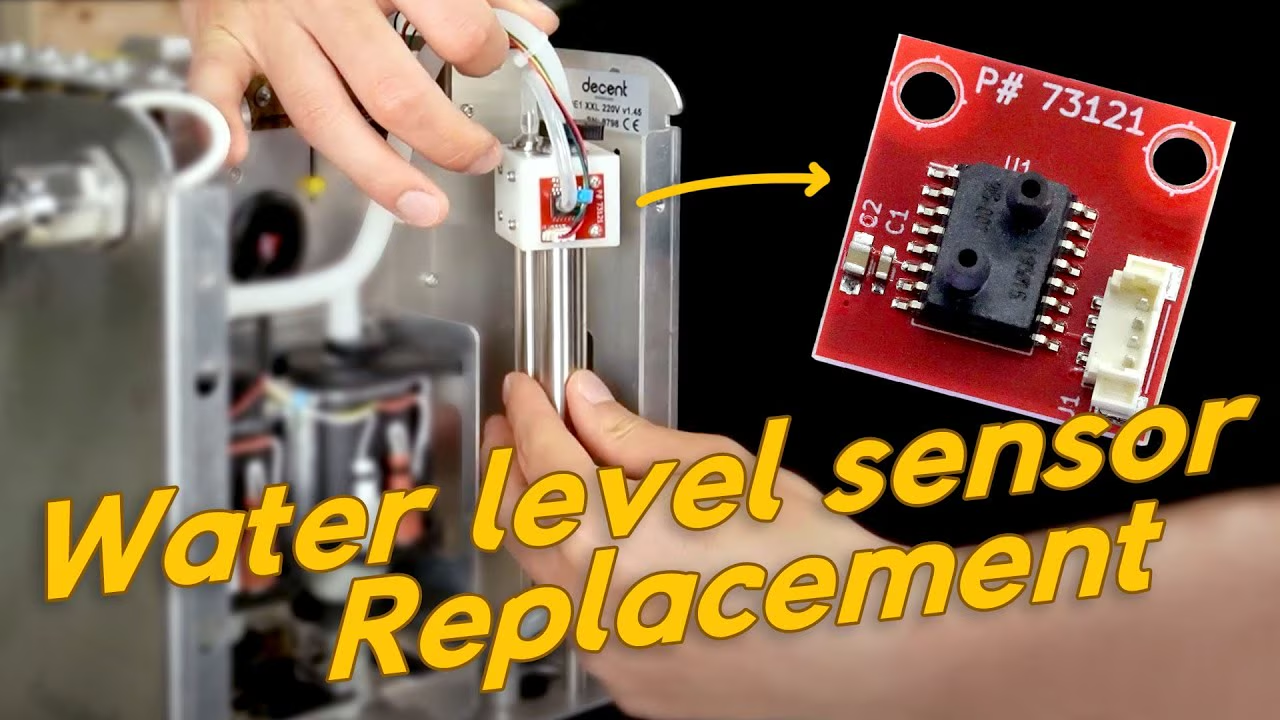
How to replace the water level sensor
In this video, we’ll walk you through how to replace the Water level sensor [more] 2025-09-26
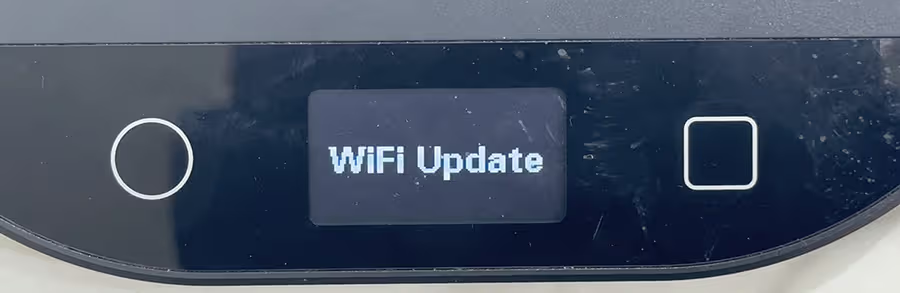
How to use Wi-Fi to upgrade your HDS firmware (v3.0.0 and above)
Instructions for upgrading HDS firmware over WiFI (version 3.0.0 and above) [more] 2025-09-26
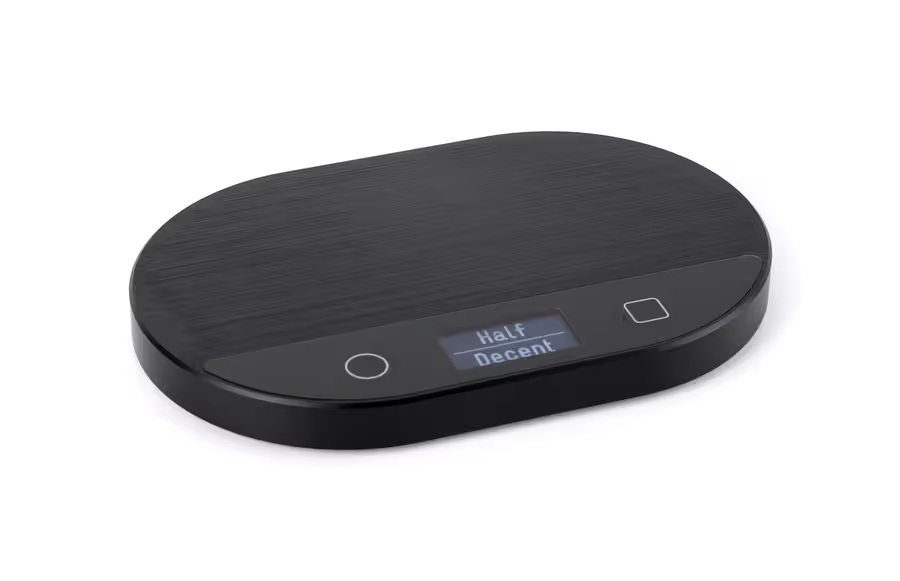
How to use USB-C to upgrade your HDS firmware (v3.0.0 and above)
Instructions for updating firmware on HDS, for firmware version 3.0.0 and above [more] 2025-09-16
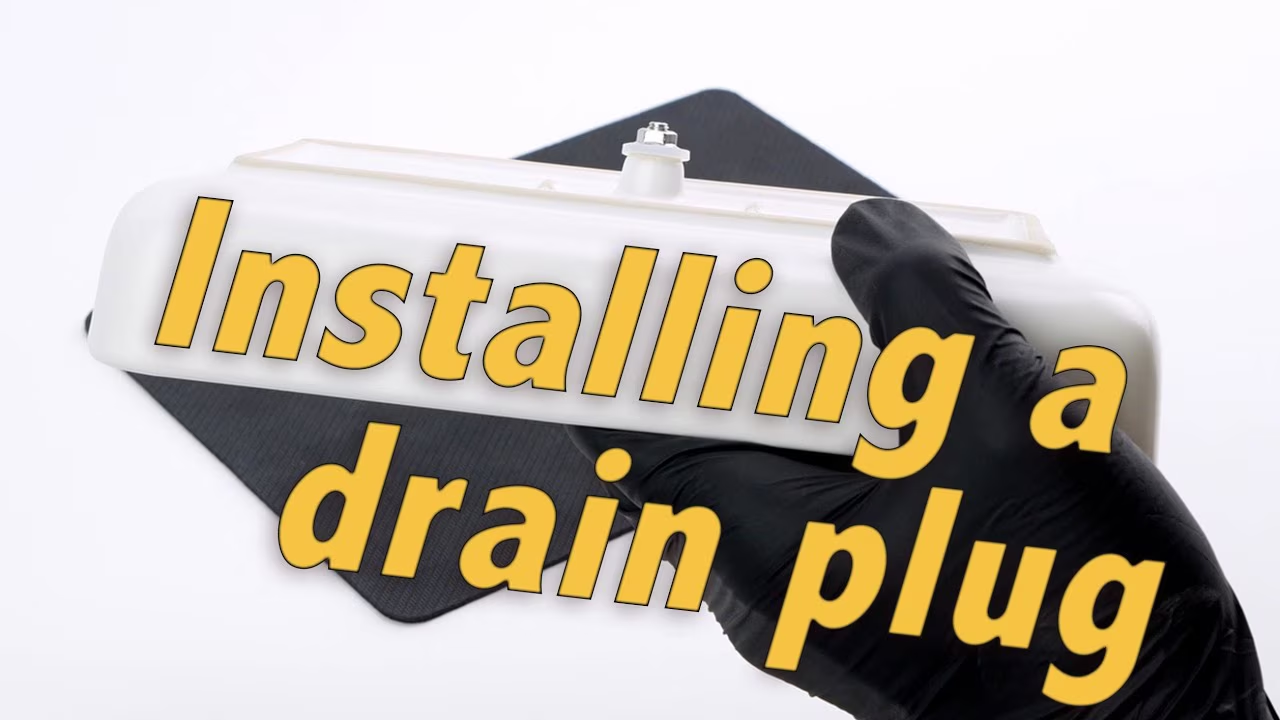
Installing a drain plug on DE1 v1 drip tray
v1 ceramic drip trays are sold with a drain hole, and without a hole. You can save money by buying just the version with a hole, and plugging it with the parts we provide. Then, when you want it to drain, remove the plug. [more] 2025-08-13
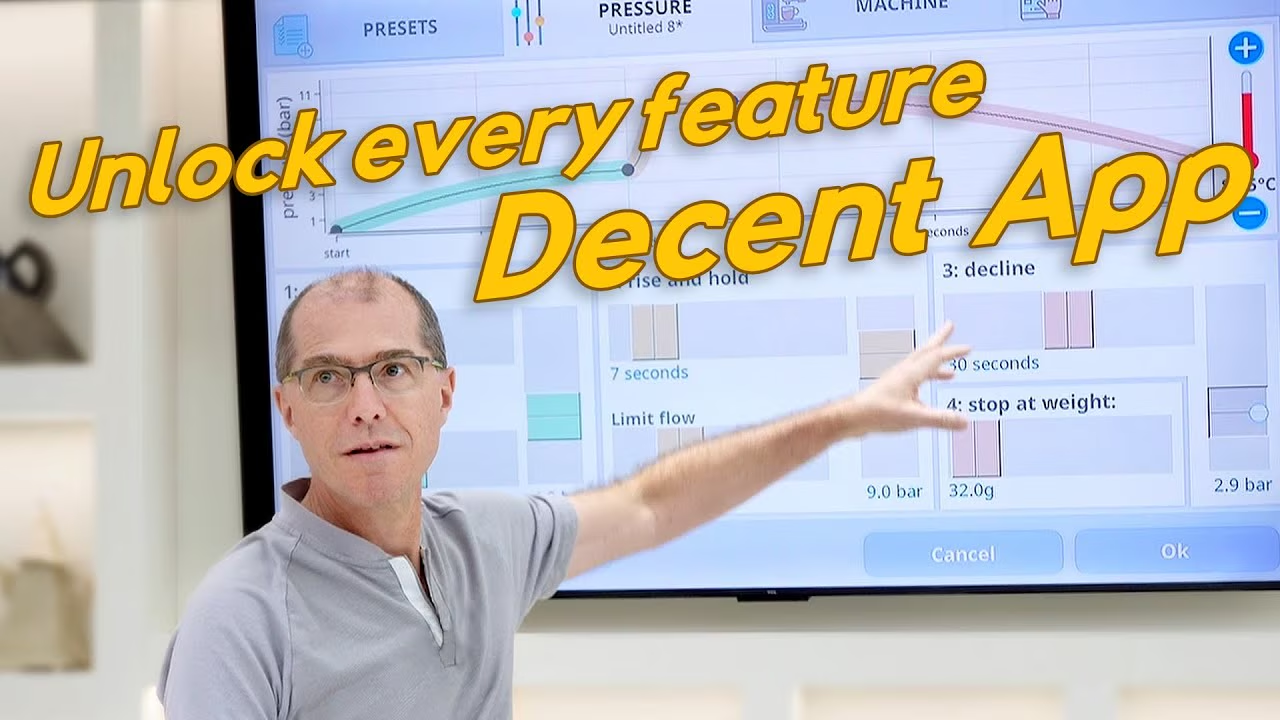
The Decent App, explained. Unlock every feature.
The Decent App, explained. Unlock every feature. This video walks you through the main features of the tablet app that controls your DE1 — from pulling your first shot to customizing advanced espresso profiles. [more] 2025-08-11
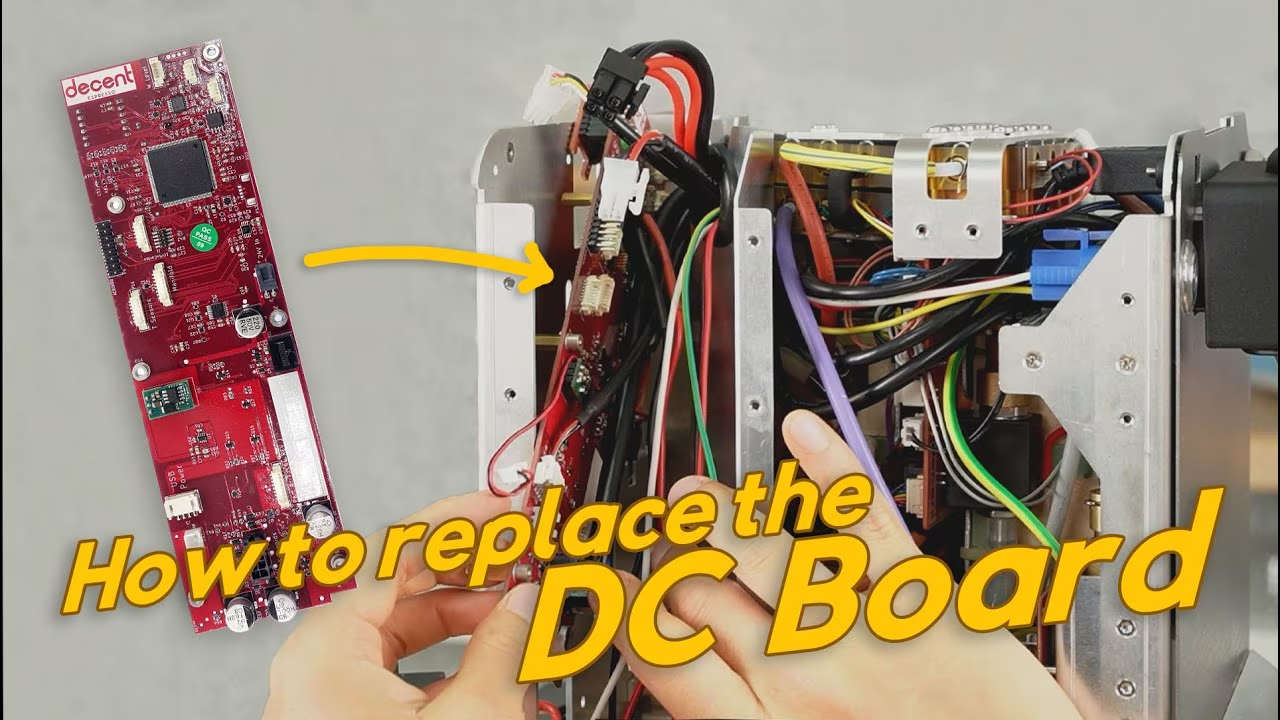
How to replace the DC board
In this video, we’ll walk you through how to replace the DC board. You’ll need to open the pcb area to access the DC board if the machine is failing to boot up. [more] 2025-07-29
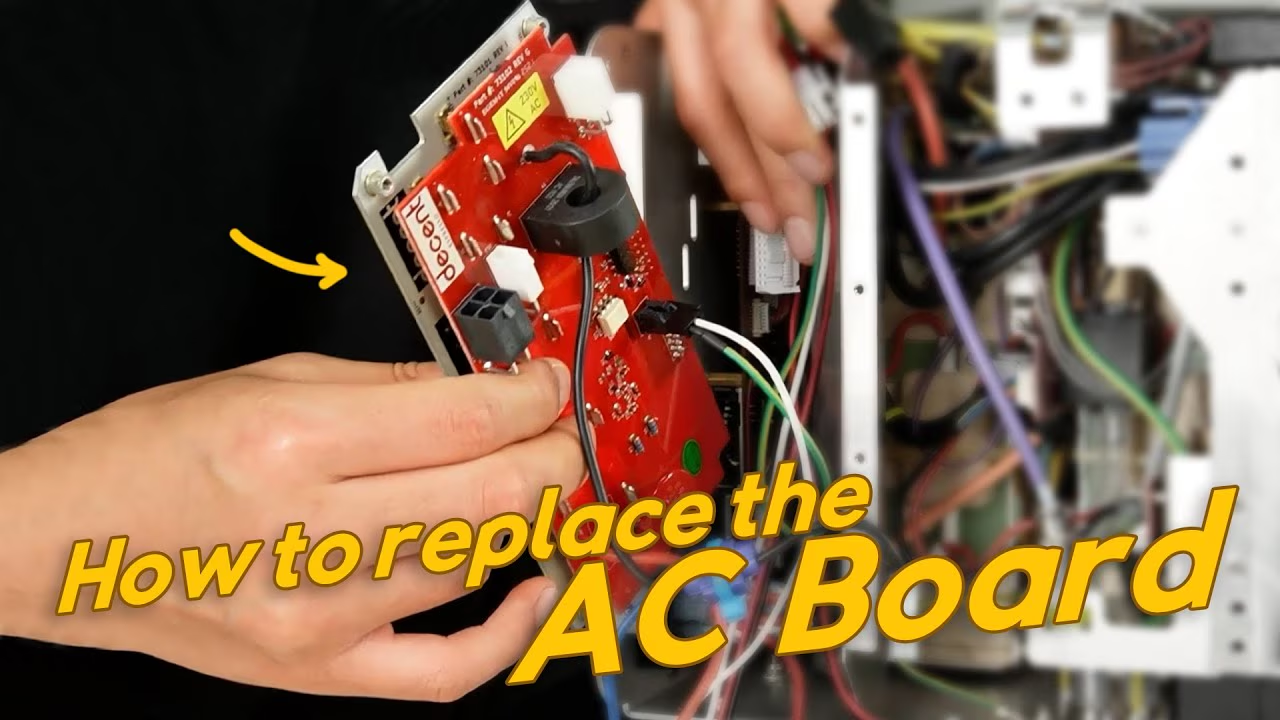
How to replace the DE1 AC board
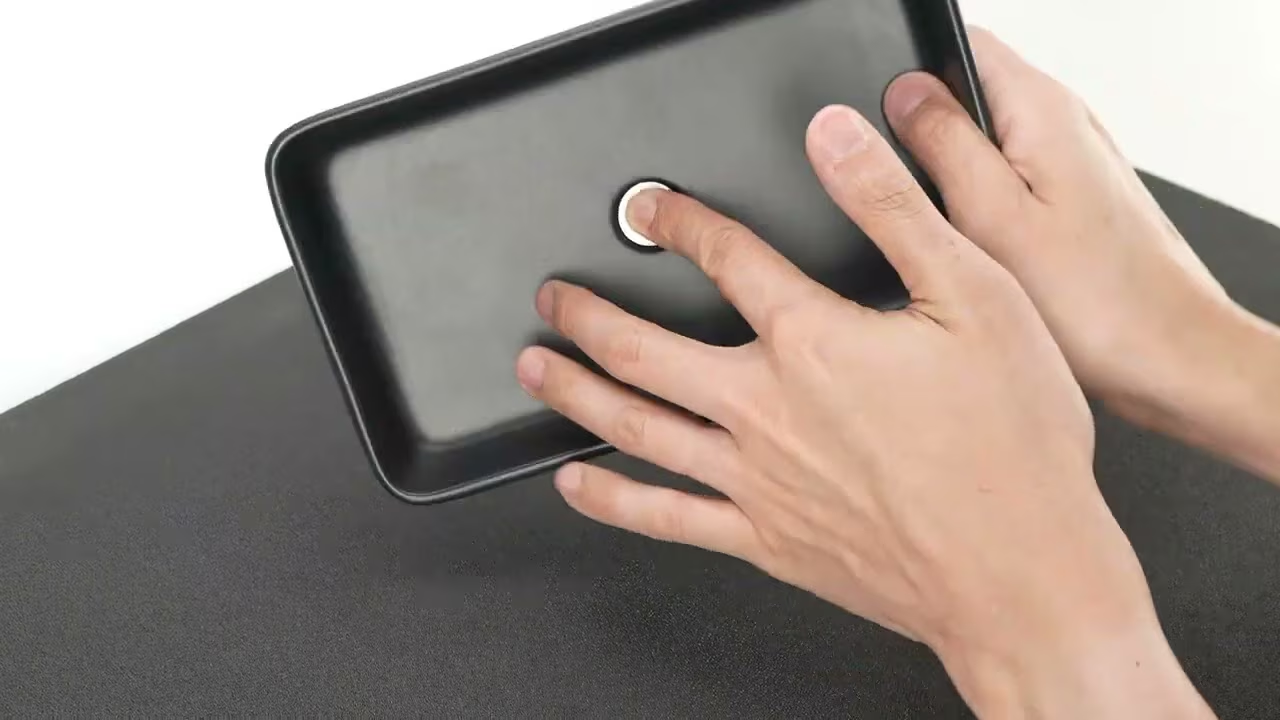
In this video, we’ll walk you through how to replace the AC board. Important: Do not open the board room or attempt to access the AC board without our guidance. The AC board carries high voltage. [more] 2025-07-15
DE1 drip tray v2 fittings how-to
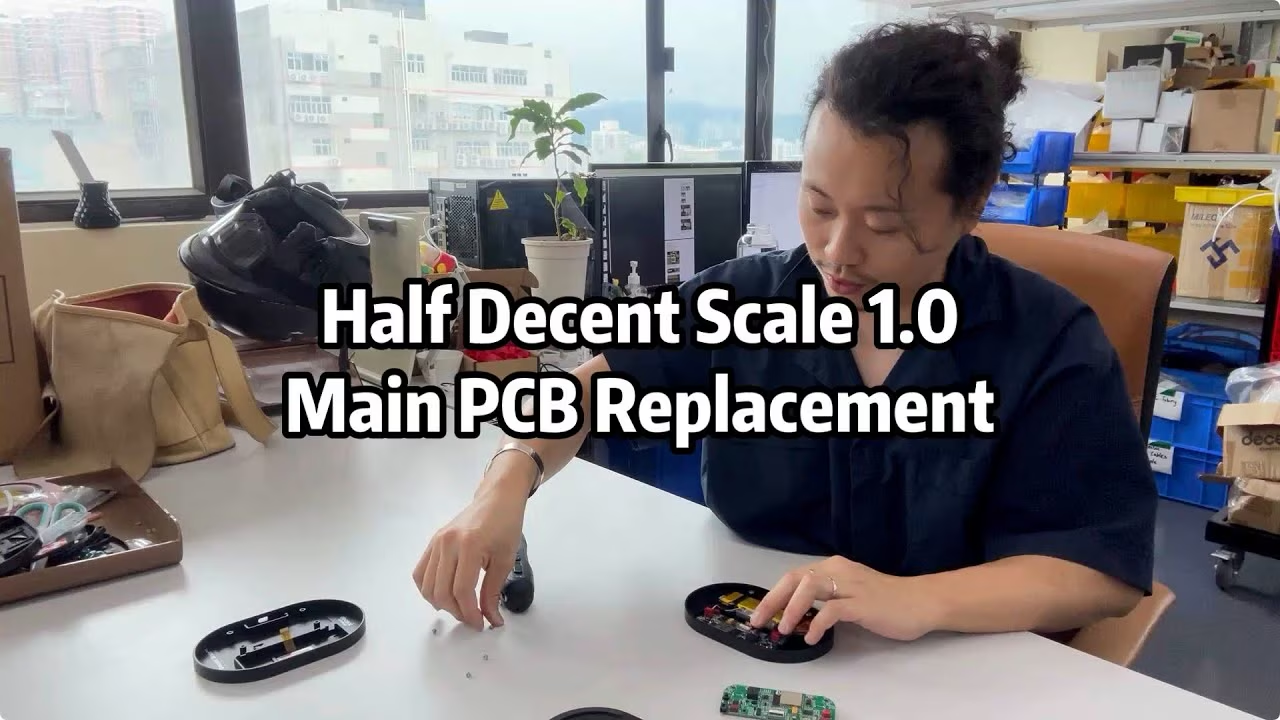
This video explains how to install the washers, gaskets, and fittings to our v2 draining drip tray for our DE1 espresso machines. [more] 2025-05-30
Half Decent Scale : how to replace the PCB
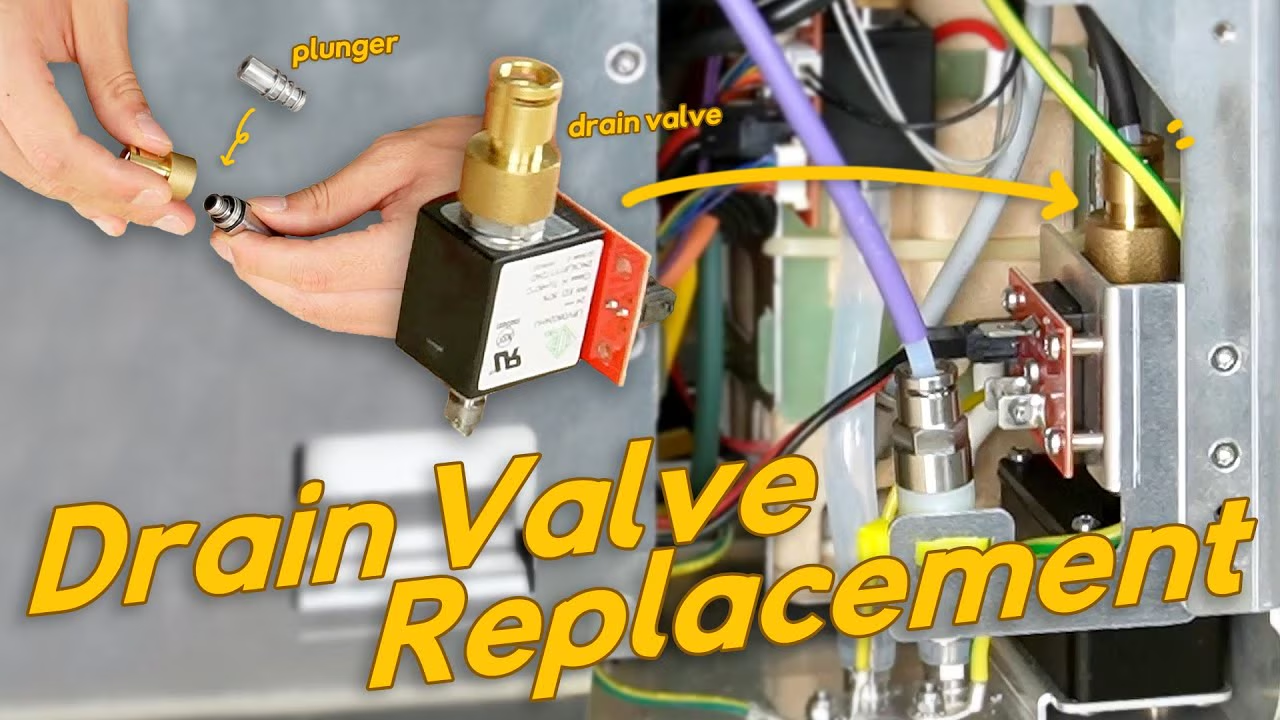
In this video Levi shows you how you can replace the PCB in the Half Decent Scale. You might need to do this if Decent comes out with a PCB upgrade that you want, or if you PCB fails for some other reason. [more] 2025-05-29
How to clean and replace the drain valve
In this video, we'll walk you through how to clean and replace the drain valve on your Decent Espresso Machine. You'll need to clean the valve if: The drain valve remains open during shots. The drain valve doesn't open when the shots end, causing pressure to stay trapped in the group head. If cleanin... [more] 2025-05-29
Introducing Half Decent Scale web apps
This is a general overview of 3 half decent scale web apps and explaining the code structure behind them. [more] 2025-05-28
Portafilter basket analysis software by John Weiss
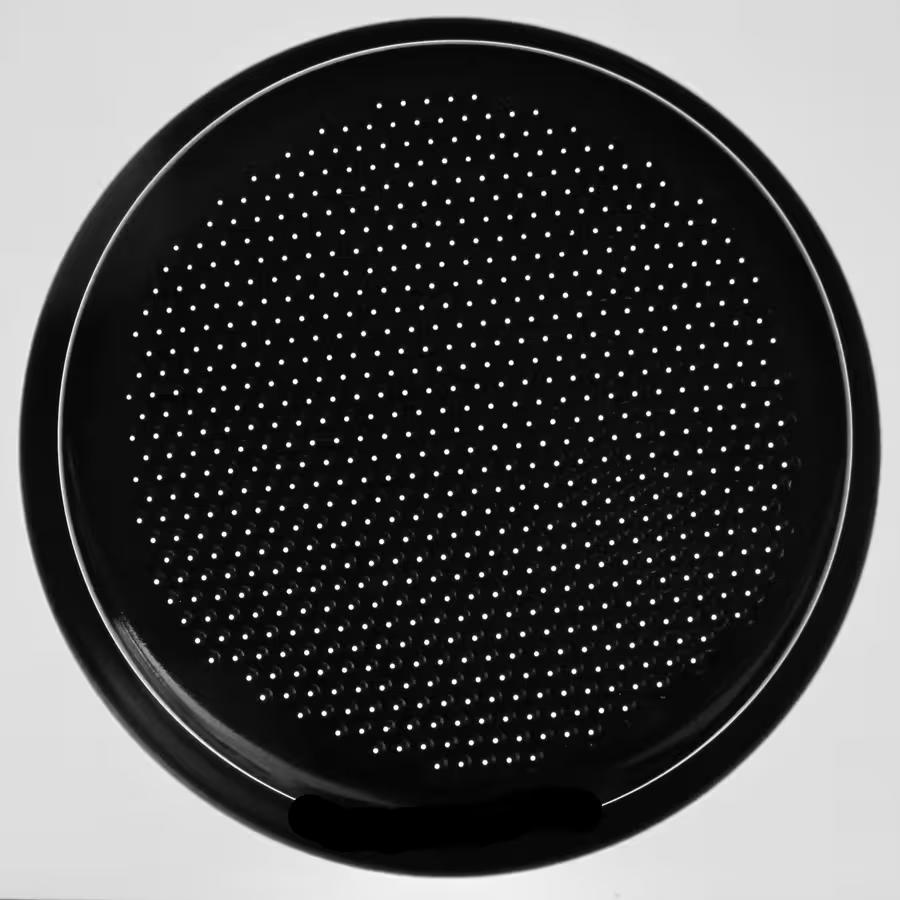
Decent Espresso hired John Weiss in 2016 to write a espresso filter basket analysis software program for us. We use this software to quality-control the portafilter baskets we sell. [more] 2025-05-08
How to replace the DE1 manifold
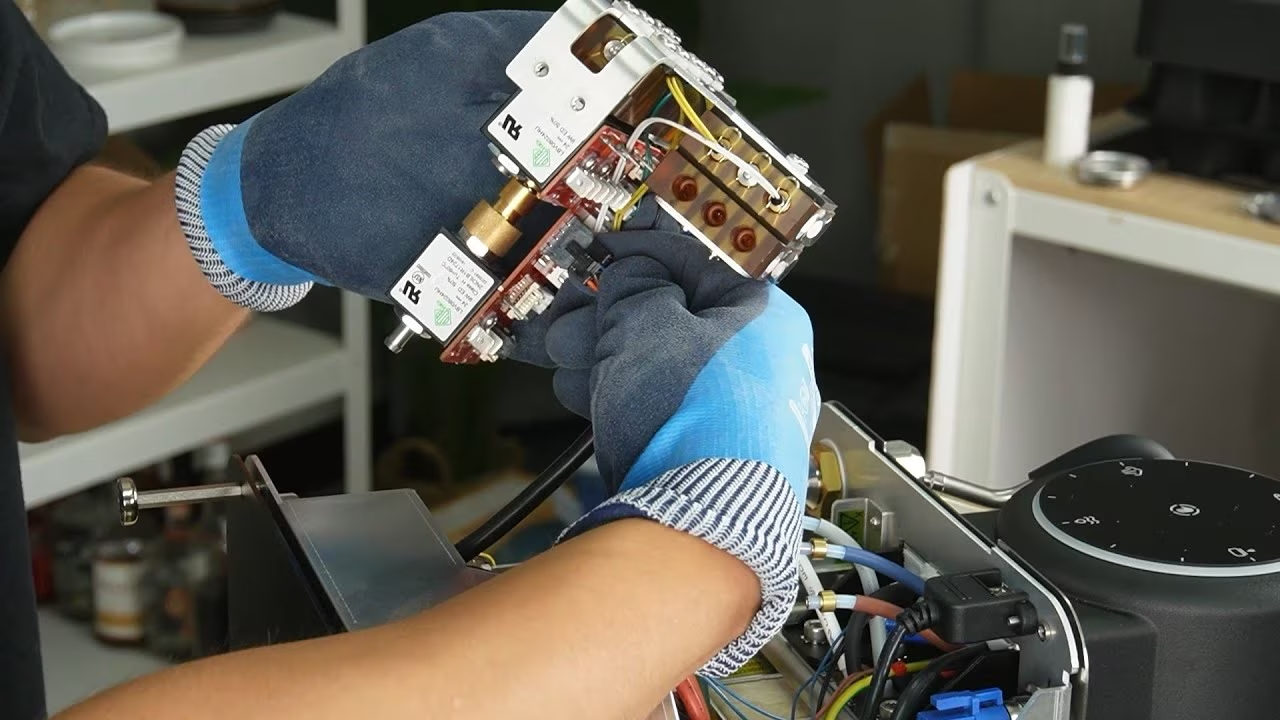
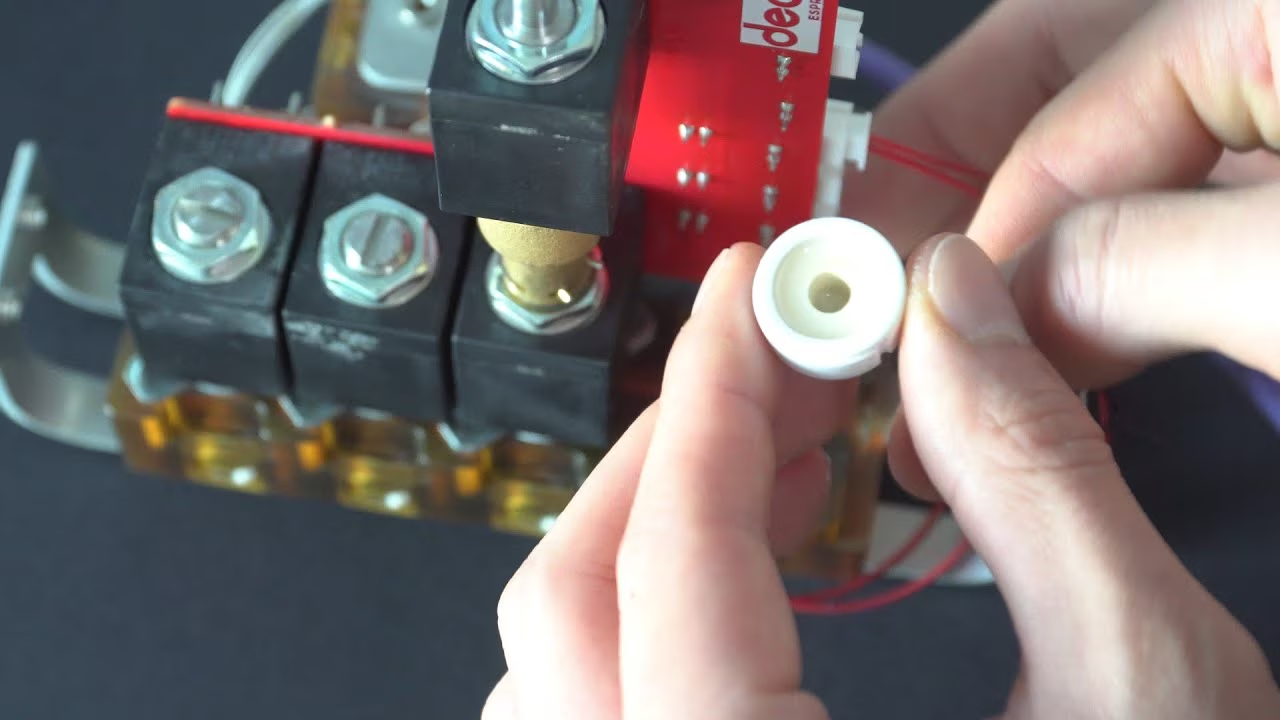
The "manifold" in the DE1 espresso machine is what guides water to various destinations, as well as measuring temperature and pressure. We’ll walk you through the entire process of replacing the manifold. [more] 2025-04-23
How to replace the DE1 pressure sensor
In this video, we’ll walk you through the entire process of replacing a pressure sensor. You'll need to do this if the sensor has failed and is now broken. [more] 2025-04-09
Stolen machine policy
Decent Espresso has established a comprehensive policy to address stolen machines, aiming to assist buyers, verify legitimate sales, and discourage theft. Potential buyers are advised to request the serial number from sellers and verify the machine's legitimacy through tech support before they buy. If a machine is confirmed stolen and connected to the Internet, it will be remotely disabled, requiring a $600 fee to restore functionality. The policy also addresses issues like courier theft, scams, and dishonest sales practices, emphasizing preventive measures and buyer awareness. [more] 2025-03-28
Three new bluetooth Decent Scale apps
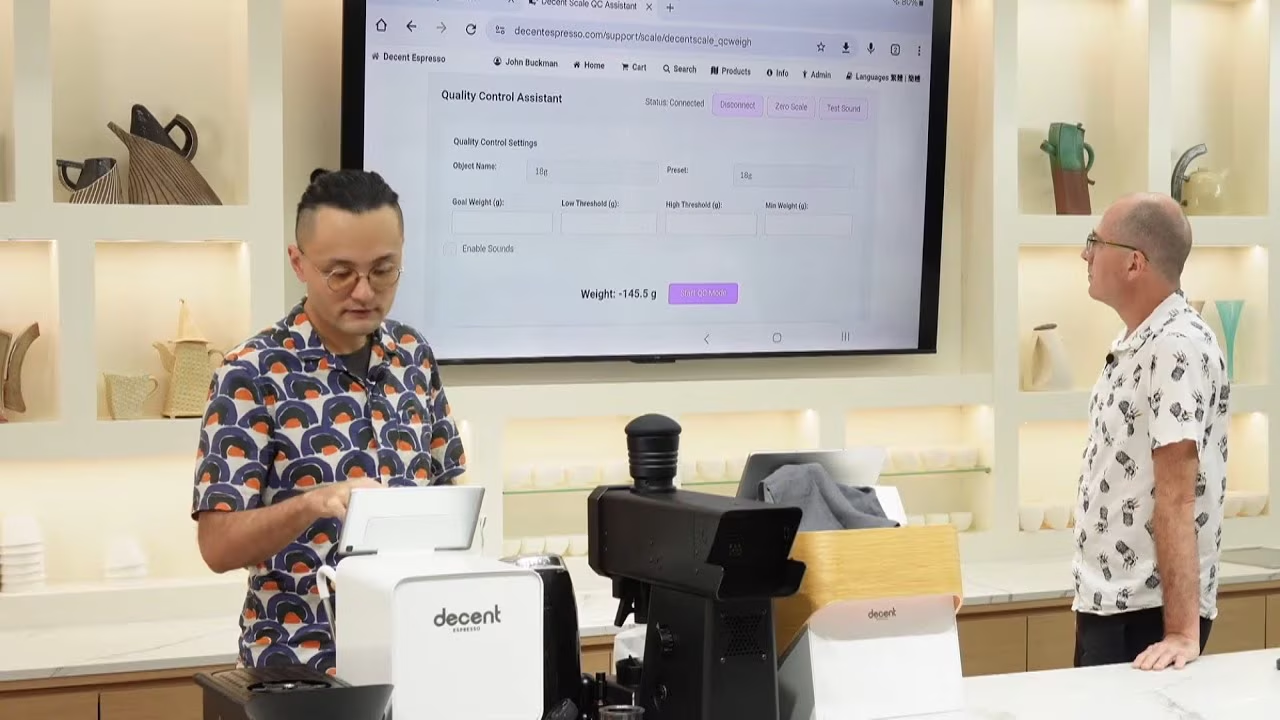
Three new apps for all Decent Scale owners: web weigh, QC weighing and the Dosing Assistant. Weigh several objects in a row, see which of those objects are within your stated tolerances, and keep a log of the whole thing. [more] 2025-02-25
Programmers guide to the Half Decent Scale
The Half Decent Scale has an extensive programming API that is available over Bluetooth and USB. You can read weight, control buttons, turn the LED on and off, etc. [more] 2025-02-25
STL CAD files for the Half Decent Scale
Here are the STL CAD files for the Half Decent Scale. With these, you can print your own case parts. Screen PCB Lower cover Glass Upper cover Load cell Outer dimensions 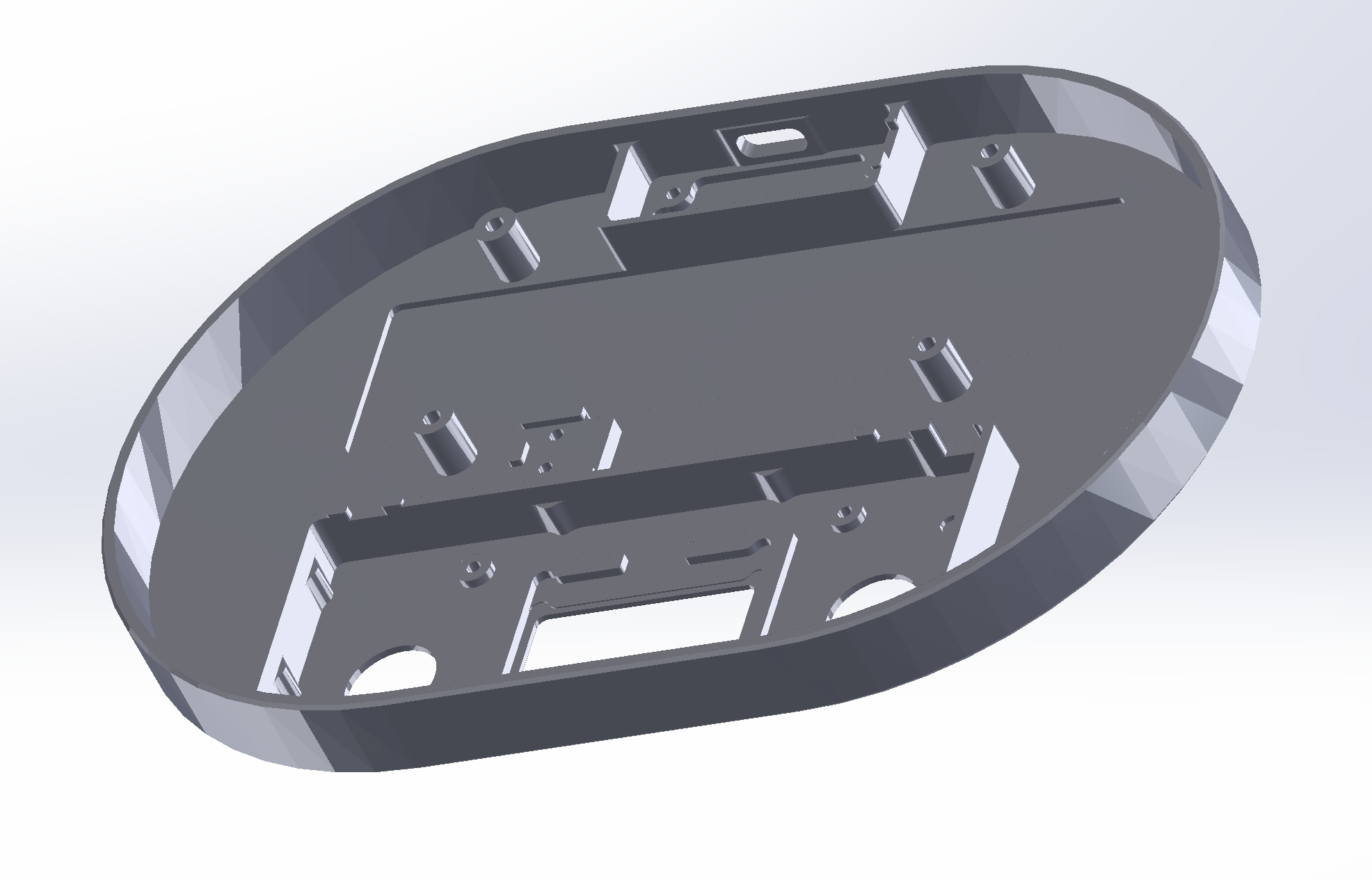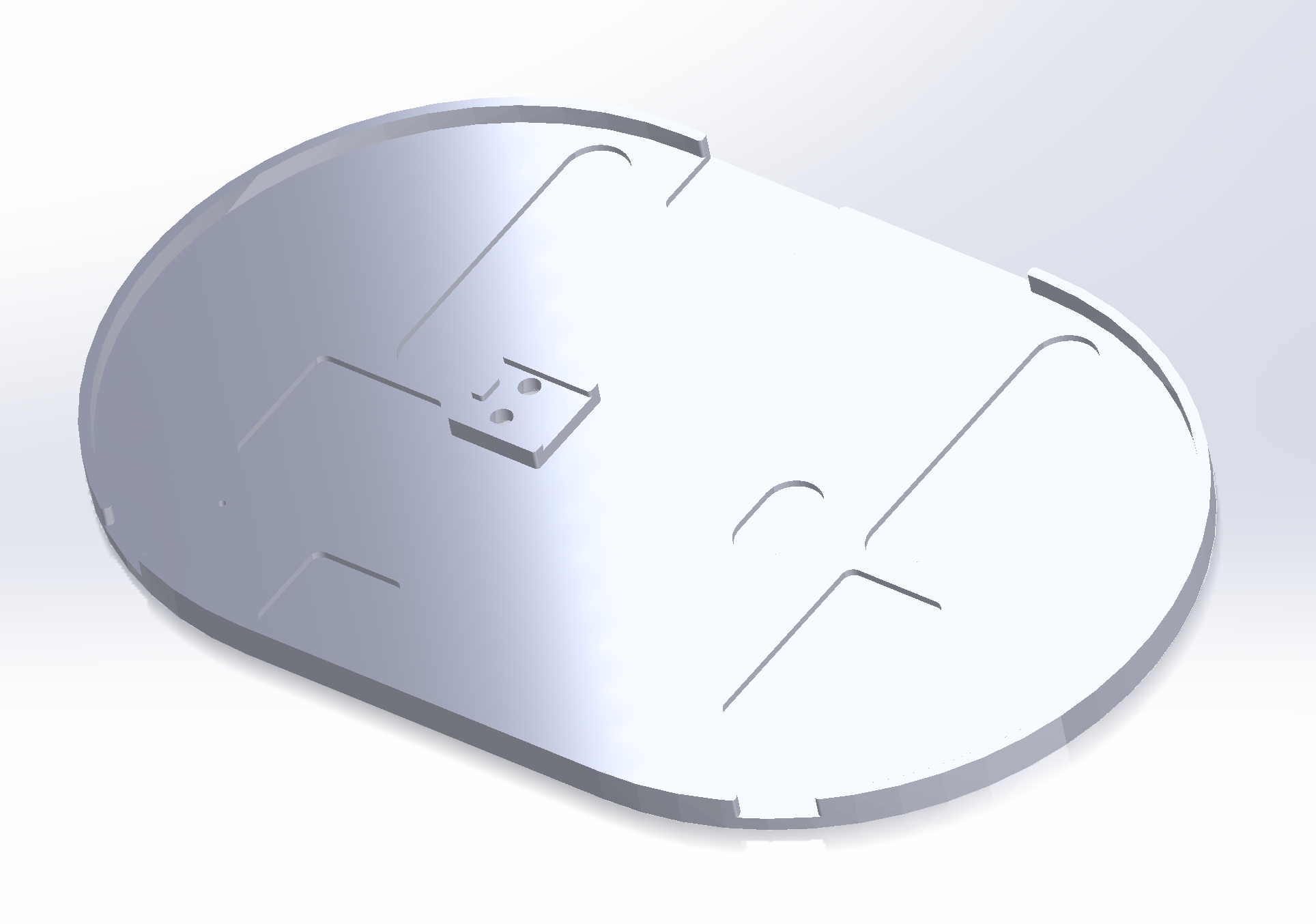  2025-02-24
Interesting features of the Half Decent Scale
Some interesting things about the Half Decent Scale, that we think differentiate it significantly from other scales: already supported by a wide variety of software, free web apps from Decent, USB, wifi and bluetooth weight communications, easy firmware upgrades via Wifi or USB, released on a regular schedule. Totally open source. [more] 2025-02-24
Basic use of the Half Decent Scale
Powering on and off To turn the scale on: Hold down the O button To turn the scale on, with bluetooth disabled: Hold down the ▢ button To turn the scale on, in SETUP mode: Hold down both the O and ▢ buttons In setup mode, you can upgrade your firmware via wifi , weight calibrate your scale, and see what firmware and PCB version you have. To see the PCB and Firmware version, while in SETUP mode: tap the O button to choose "About" then tap the ▢ button to select "About" then tap the ▢ button to lea... [more] 2025-02-23
Firmware for Half Decent Scale
Up to date versions and a changelog for the firmware of Decent Espresso's Half Decent Scale. [more] 2025-02-19
How to use USBC to upgrade the firmware on your Half Decent Scale
Looking for v3.0.0 upgrade instructions? While we recommend that you use wifi to update your scale's firmware, there are times when using USBC is more convenient or necessary. For example, if you upgraded to beta firmware that had a big bug in it, you might have "bricked" your scale and it is unable ... [more] 2025-02-18
How to weight calibrate the Half Decent Scale
This tutorial will show you how to weight calibrate the Half Decent Scale, so that it is more accurate for your setup. You will need a calibrated weight of 50g, 100g, 200g or 500g. To go into SETUP MODE: hold your left fingers down on the O button and ▢ button at the same time You will see HDS SETUP To Calibrate your scale: Make sure you have no objects on your scale Tap the O button until you reach the Calibrate menu. Tap the ▢ button Tap the O button to move to the word "Calibrate". Tap the ▢ b... [more] 2025-02-18
How to upgrade firmware via Wifi on the Half Decent Scale
Note: these instructions are valid for Firmware versions 1.x and 2.x. For firmware 3.x and newer, see: How to use Wi-Fi to upgrade your HDS firmware (v3.0.0 and above) In this tutorial, I'll cover how to upload new firmware via Wifi for your Half Decent Scale. To go into SETUP MODE: hold your left fingers down on the O button and ▢ button at the same time You will see HDS SETUP To go into Wifi Update Mode: Tap the O button to move the cursor to "WiFi Update" Tap the ▢ button Tap O once to Choose ... [more] 2025-02-17
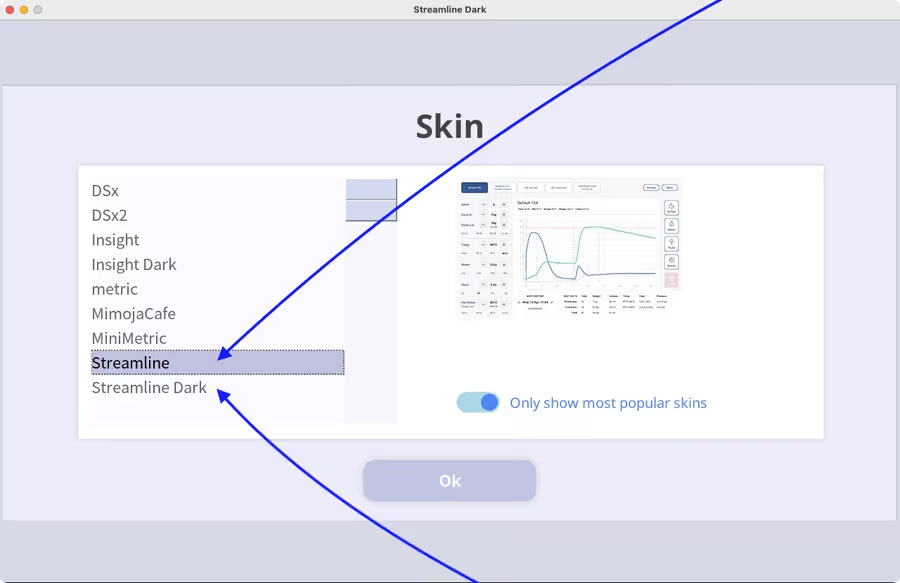
Quick guide to streamline skin
The guide explains how to use Streamline Skin, offering users a smoother, more intuitive experience for managing and customizing their coffee brewing. [more] 2025-02-16
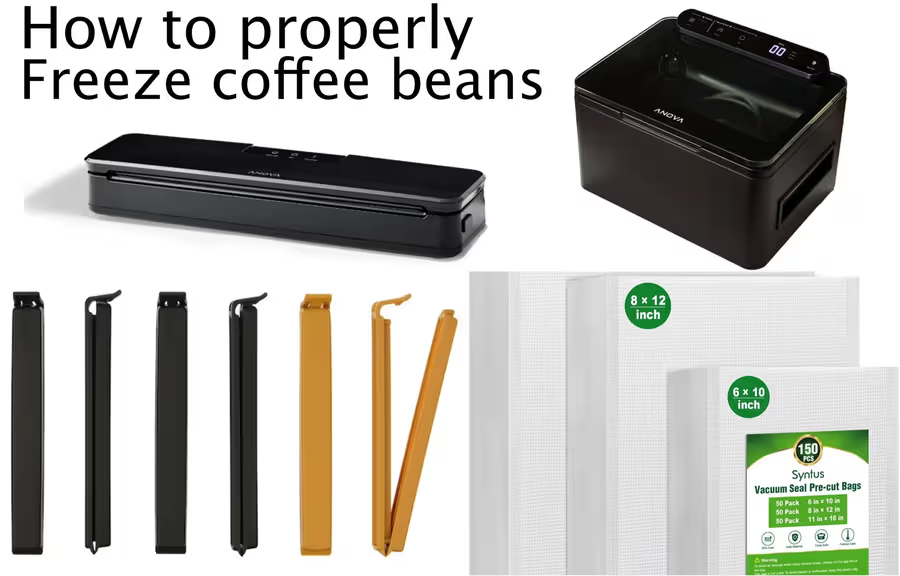
How to correctly freeze espresso coffee beans
To correctly freeze espresso coffee beans, avoid regular freezer bags, as they let in moisture and gases. Learn what else is important to freeze beans correctly. [more] 2025-02-06
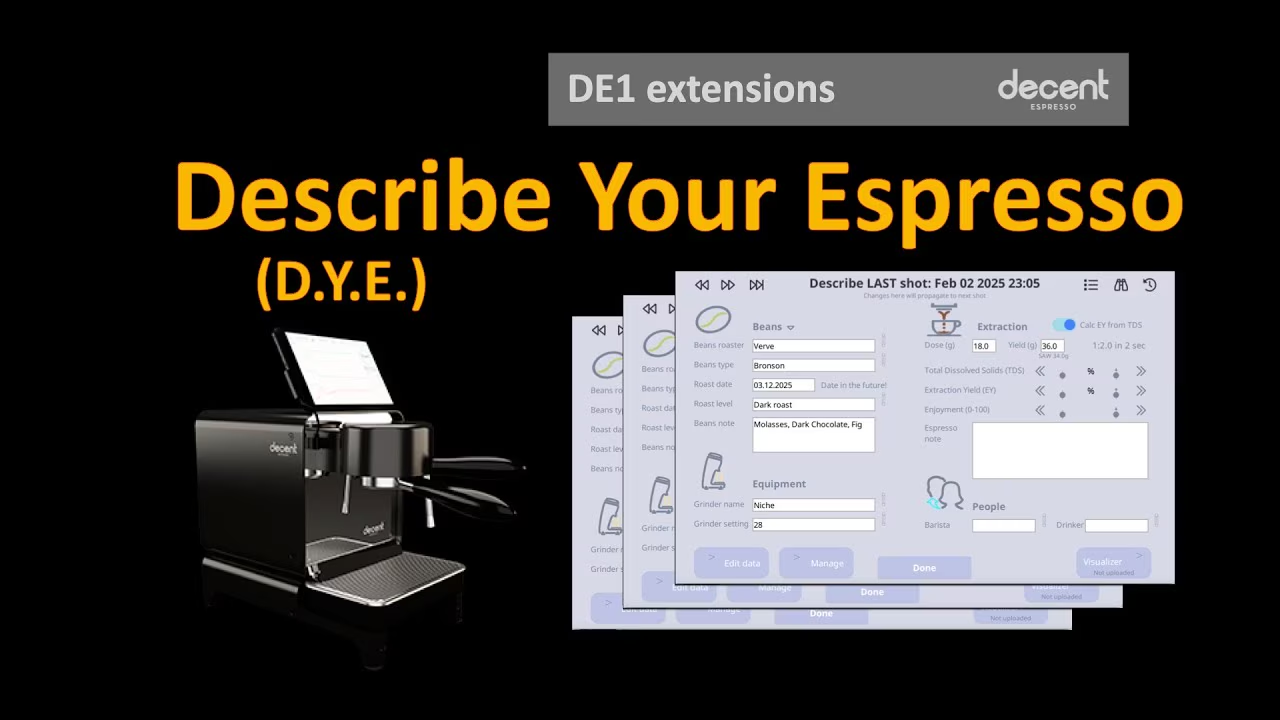
How to use the "Describe Your Espresso" extension in your DE1 app
The "Describe Your Espresso" extension in the DE1 app lets you save espresso shot details, including bean information, grind, and more. [more] 2025-02-06
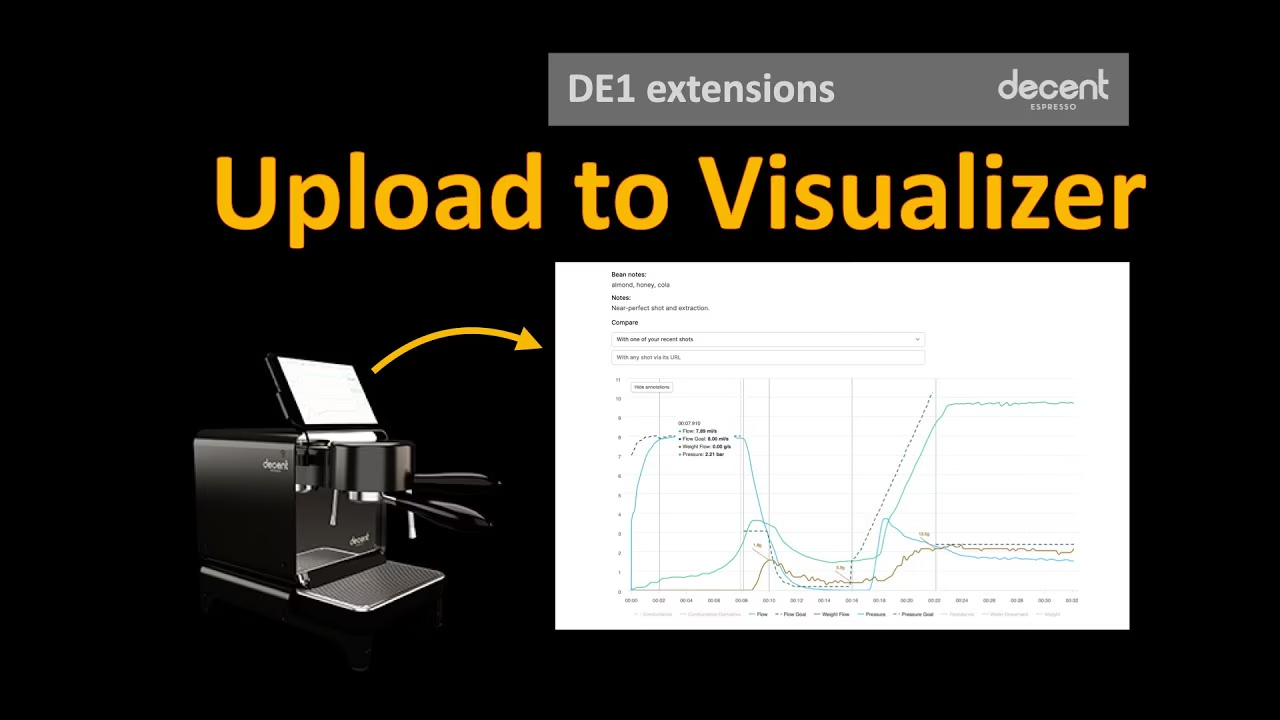
How to use the "Upload to Visualizer" extension in the DE1 app
Learn how to use the "Upload to Visualizer" extension in the DE1 app to upload your coffee brewing data and visualize it for better analysis and improvement. [more] 2025-02-06
Bengle CAD files and dimensions
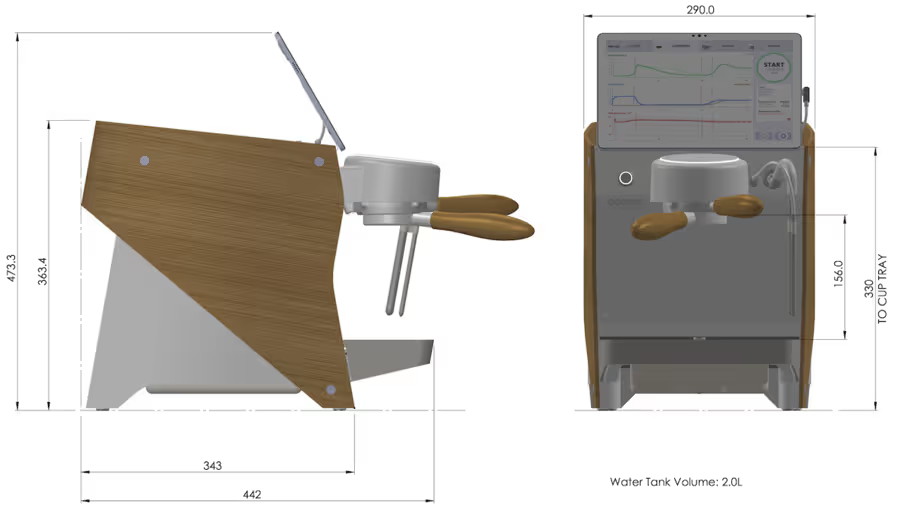
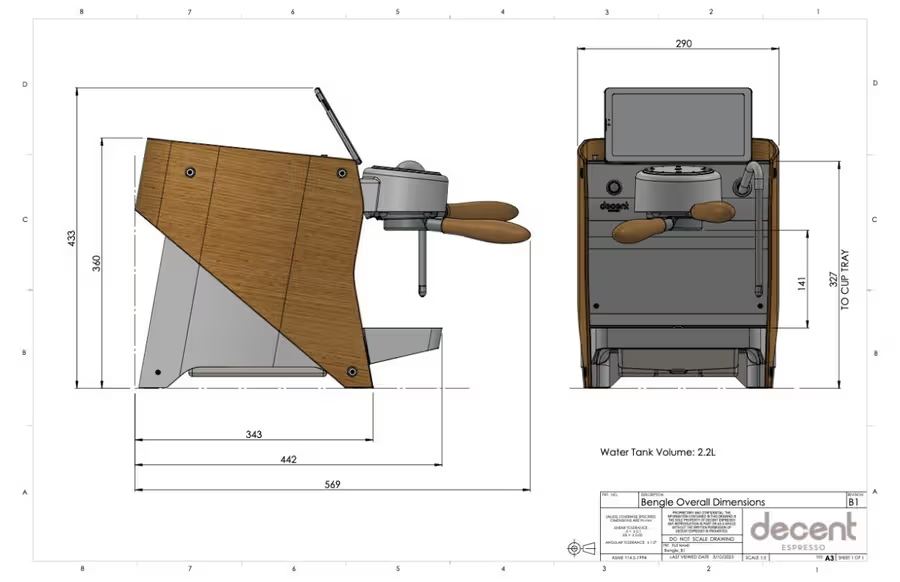
In this blog post, we share the CAD files and dimensions of the upcoming Bengle espresso machine. These files are open to the public and support our open-source ethos. We strongly believe that sharing such information encourages active community involvement, including modding and third-party accessories. [more] 2025-01-08
Bengle dimensions
This post is a reply to specify the dimensions of the Bengle, with and without the tablet, to give users an idea of the space requirements. [more] 2025-01-06
Video: How to remove and replace the Decent tablet stand
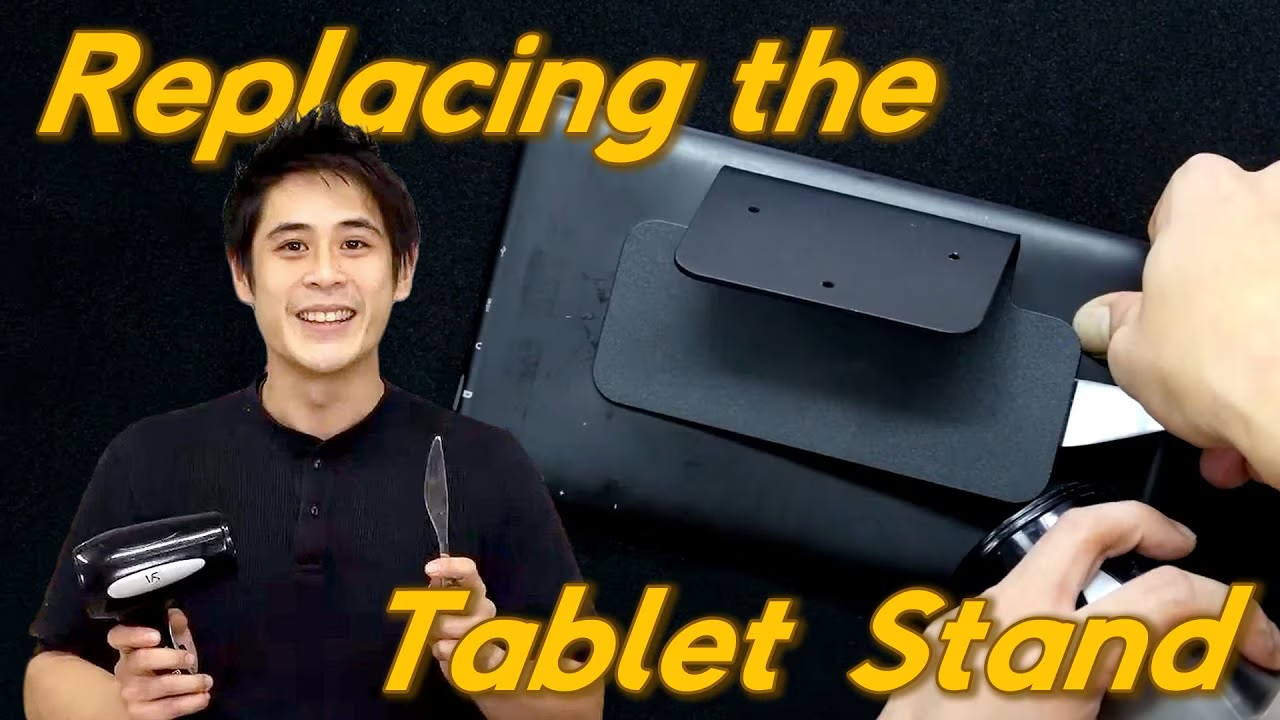
This guide walks through the process of changing a tablet stand using a hair dryer to loosen the adhesive and a knife to separate the stand from the tablet. It emphasizes proper alignment and reapplying new adhesive to secure the new stand effectively. [more] 2025-01-04
Video: How to replace the O-Ring in your Decent water tube
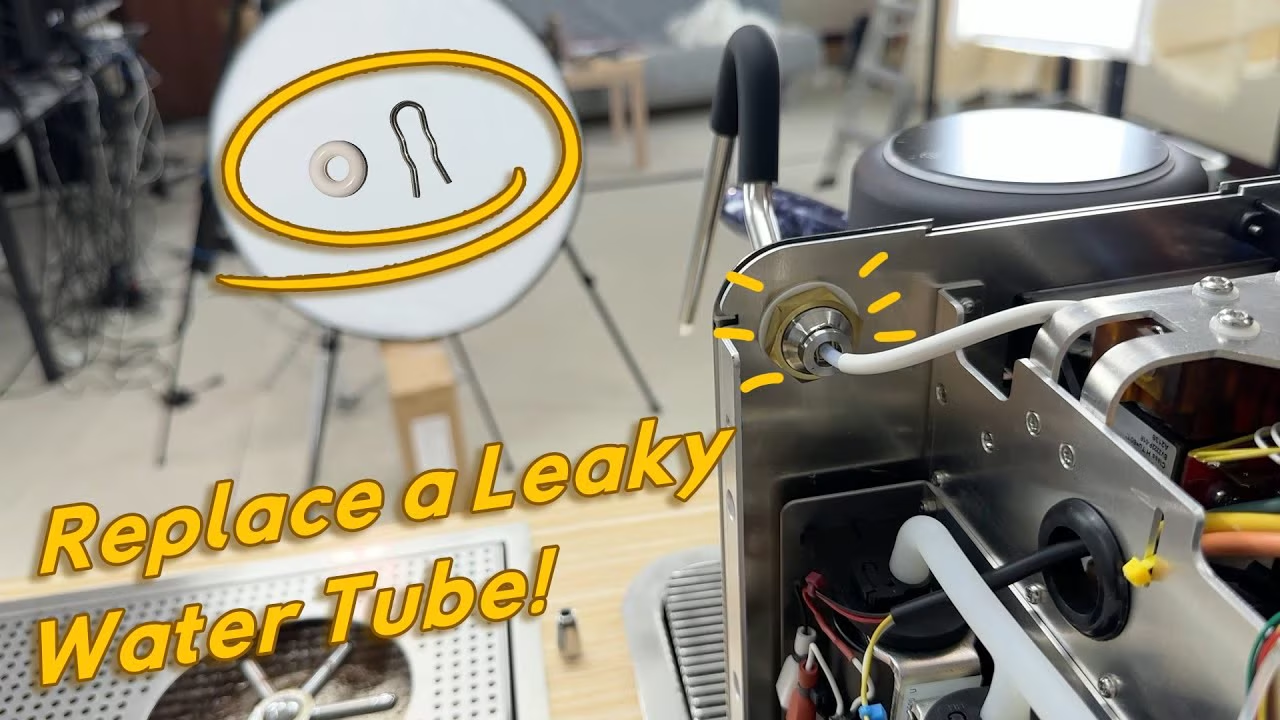
The blog post explains how to replace the O-ring in a Decent Espresso machine's water tube, a crucial part preventing leaks. It involves removing the O-ring using tweezers, cleaning it, or replacing it if damaged. [more] 2025-01-04
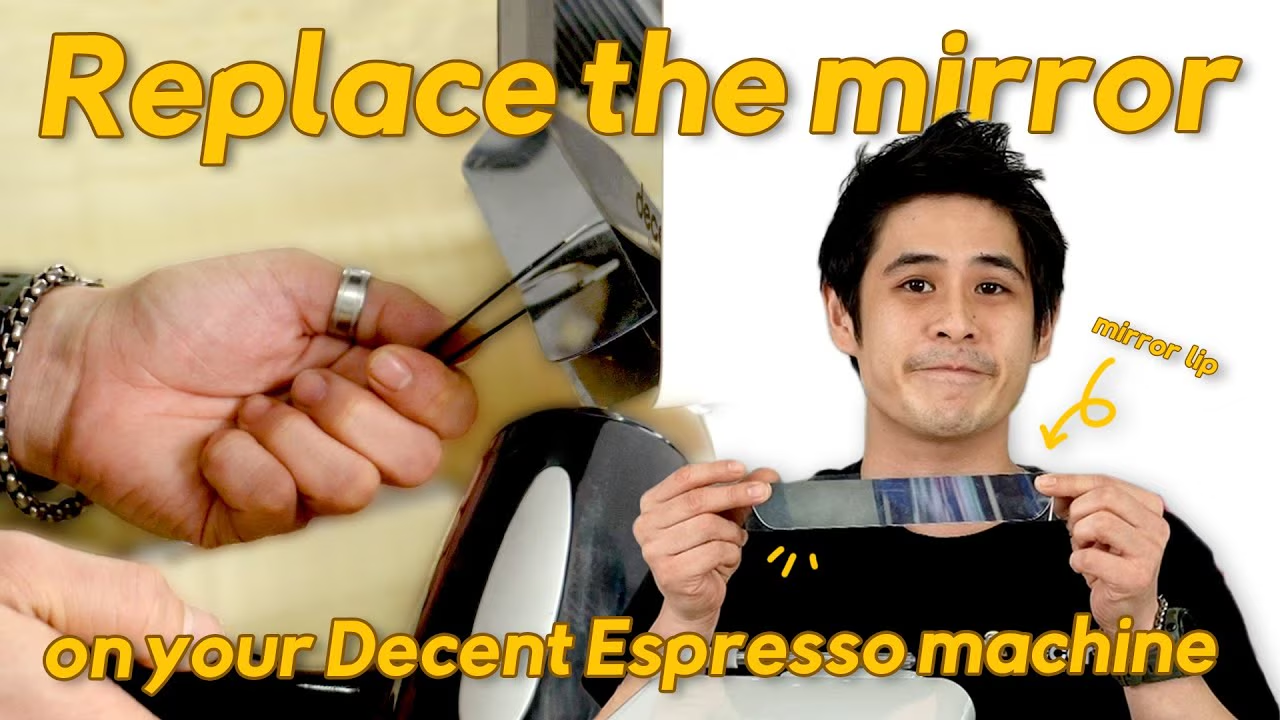
Video: How to replace the mirror on your Decent Espresso Machine
Here, we explain how to replace the mirror on your Decent Espresso machine, which is attached with double-sided tape. Over time, the edges may degrade or scratch, but the mirror is designed to be easily replaced. [more] 2025-01-04
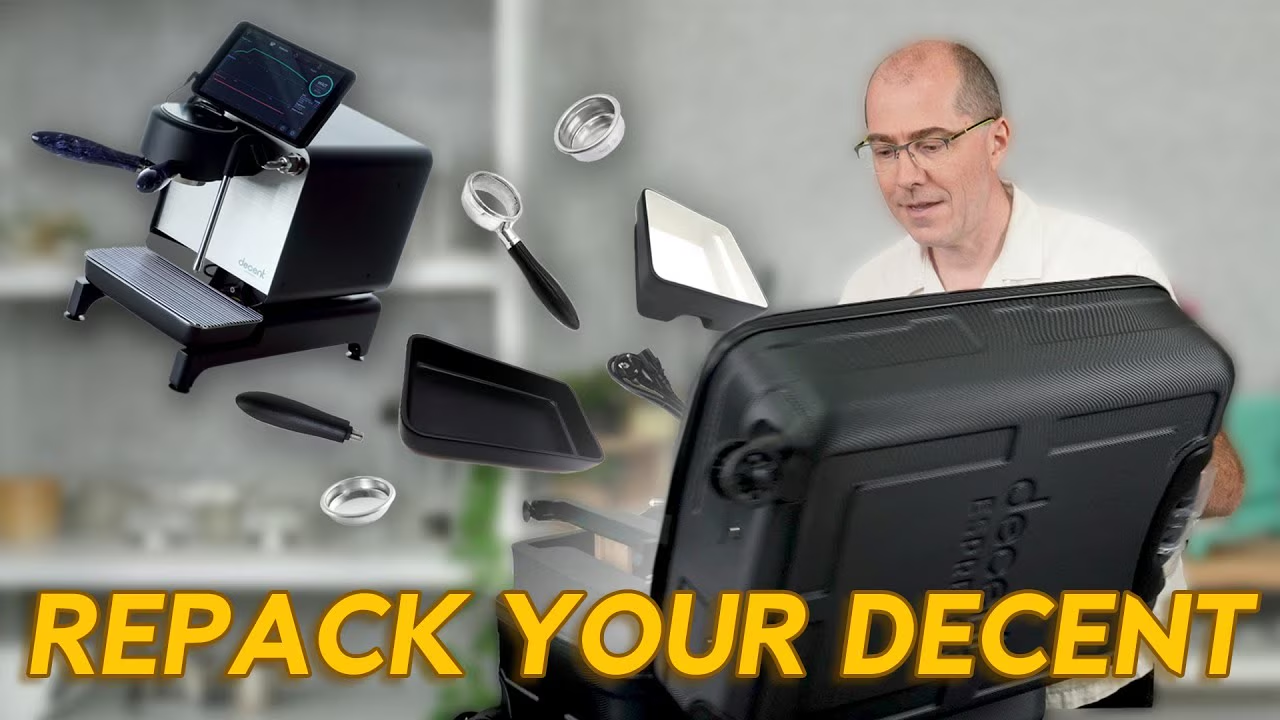
Video: How to repack your Decent Espresso machine
This video guide walks you through repacking your machine, showing how to remove and replace parts for optimal performance. [more]![Basic lesson on steaming milk [Video]](http://fast.decentespresso.com/f/0/thumbnail_1000584.avif) 2025-01-04
2025-01-04
Basic lesson on steaming milk [Video]
Dennis Hew shows the swirling pattern you want to achieve when steaming, so as to get perfect microfoam that also makes great latte art. [more] 2025-01-02
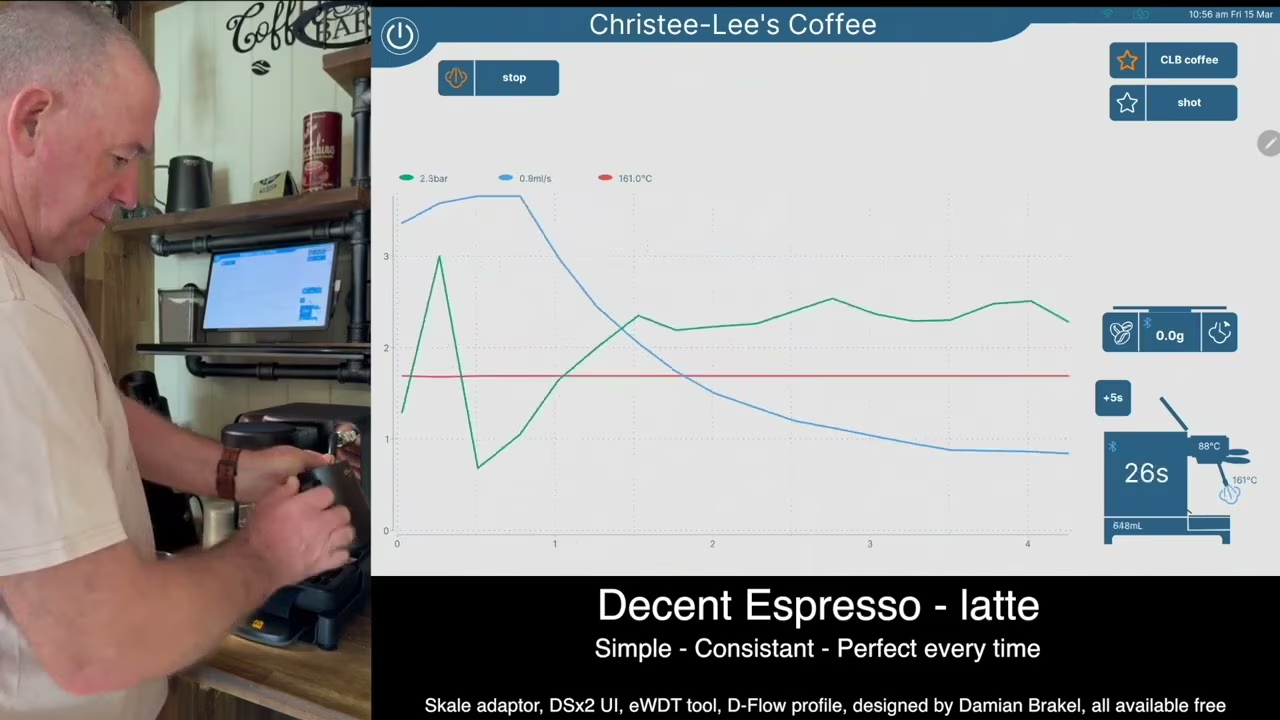
Damian's many tools
Damian Brakel, a Decent DE1 owner, showcases his innovative coffee routine using custom tools, including a bluetooth scale adaptor, eWDT tool, and DSX interface. [more] 2025-01-01
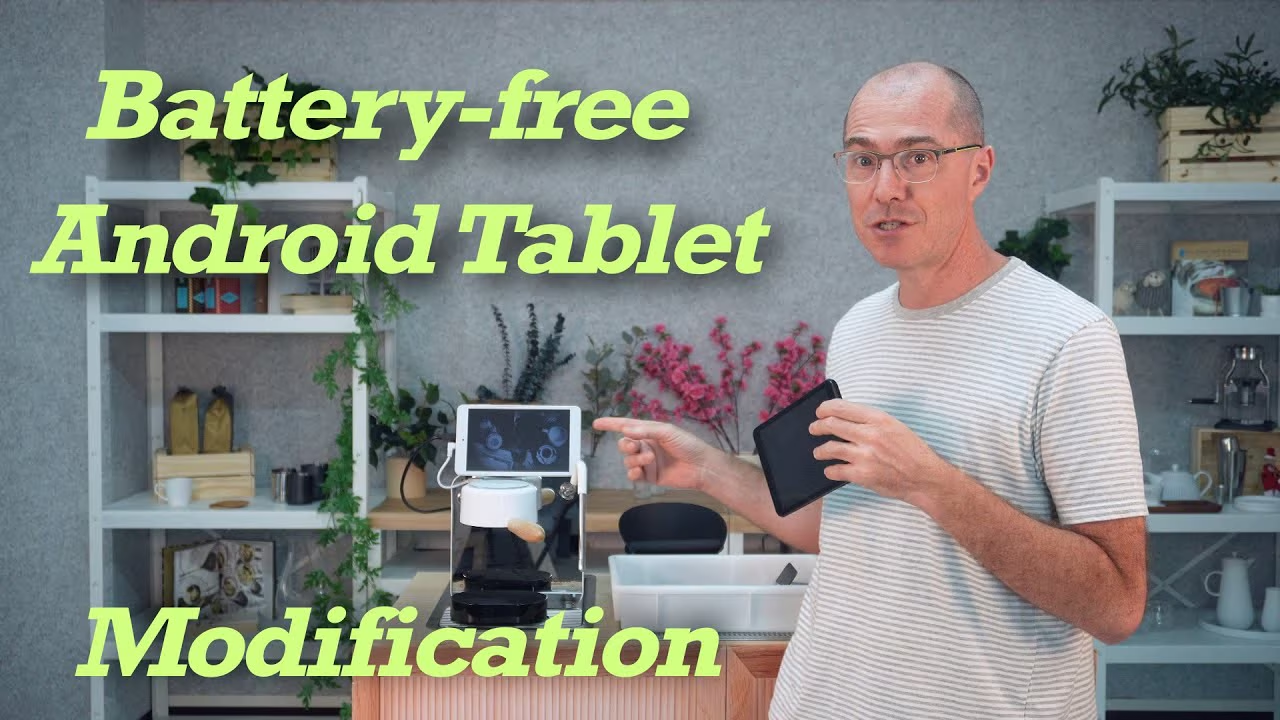
Battery-free Android tablet modification
We discusse the issue of battery degradation in Android tablets used with our machines. To combat this, we offer a modification kit to make the tablet battery-free. We also provide free replacements for tablets under warranty. [more] 2024-07-29
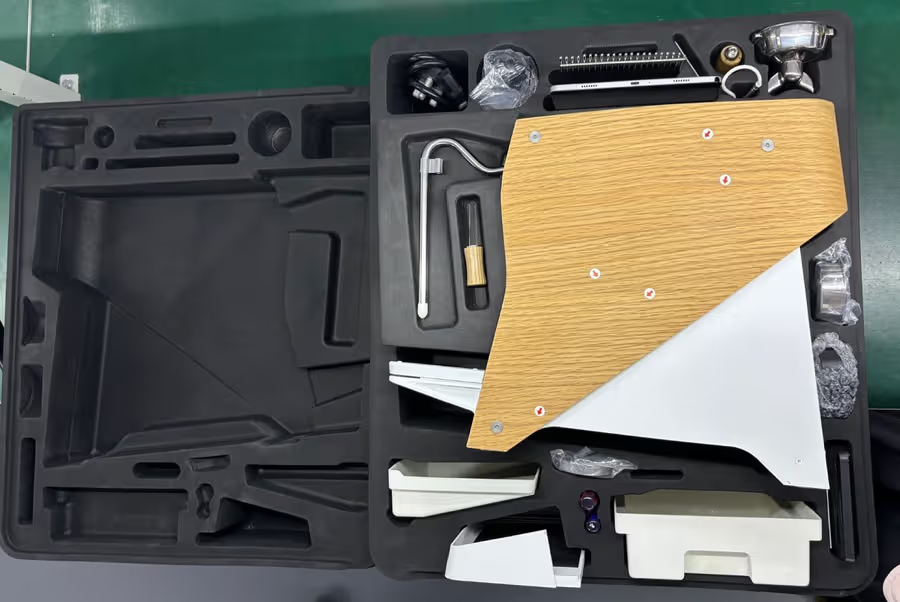
Bengle foam design
We have finalized the foam design for Bengle's suitcase, ensuring secure placement for all components and typical coffee accessories. The prototype uses dense, hard foam for easy machining, but the final version will utilize bicycle helmet-grade foam. [more] 2021-03-10
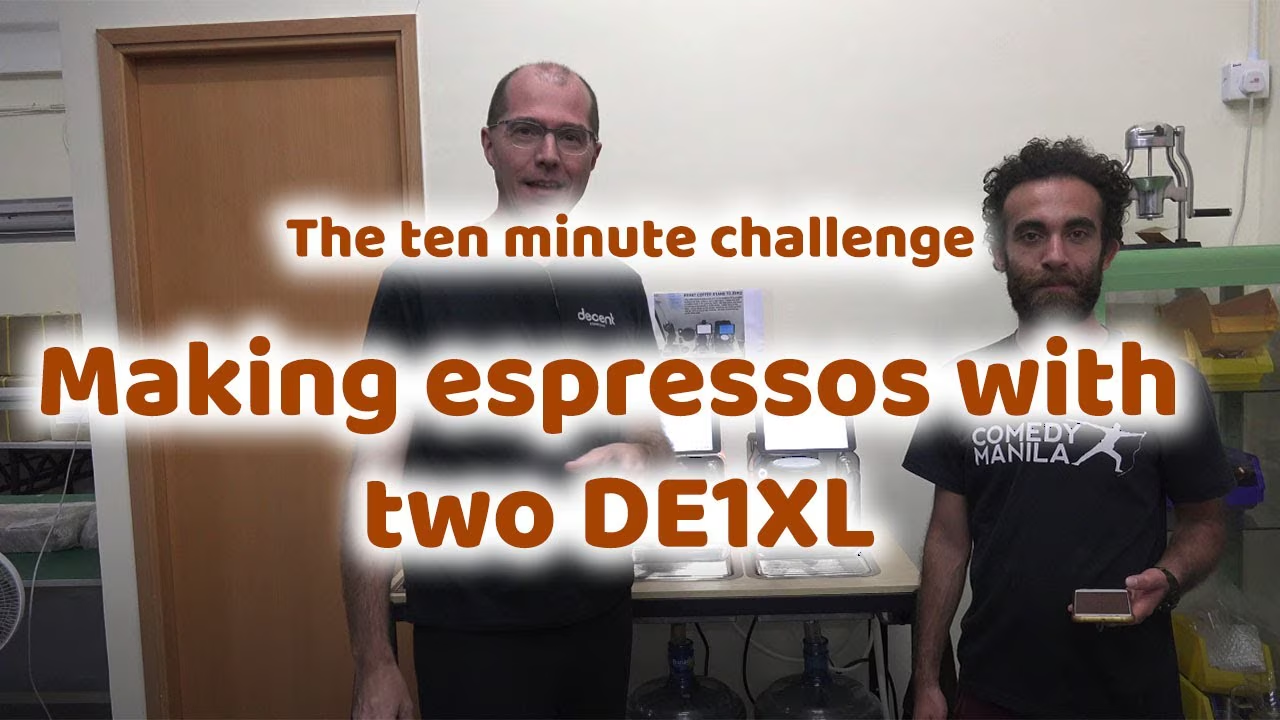
How many coffees can a Decent Espresso machine make per hour?
We often get contacted by people wanting to know how many coffees an hour a Decent Espresso machine can make. John decided to give it a try and managed to make 17 coffees in 10 minutes, equating to 102 coffees an hour. With a flawless workflow, the machine could brew even more coffees! [more] 2020-12-02