Indian cooking
Indian cooking / Dishes / Murgh Musallam
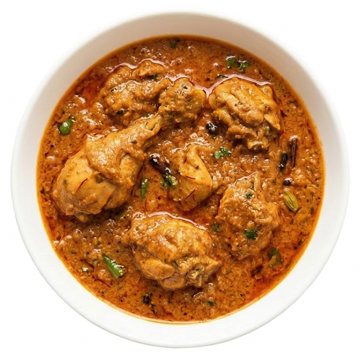
Murgh Musallam (Whole Roast Chicken Stuffed with Mince, Cashews, Raisins, Green Chillies & Boiled Eggs)

Murgh Musallam

Whole Roast Chicken Stuffed with Mince, Cashews, Raisins, Green Chillies & Boiled Eggs
Non-vegetarianOrigin Lucknow

A whole chicken filled with spiced minced chicken, cashews and raisins, marinated overnight, then roasted and served with a light gravy and boiled eggs. It is aromatic and gently spiced, with a tangy yoghurt marinade and a savoury filling.

Marinade whole spices

4.3 gToasted in a dry pan, then blended into the marinade (step 3)
01
2.8 g1 teaspoon
nut/seed
02
1.1 g6 pods
spice
03
0.4 g5 cloves
spice
Toast until fragrant, then tip into the blender.

Marinade ground spices

11 gBlended into the marinade with the toasted spices (step 3)
02
2.6 g1 teaspoon
spice blend
03
5 g1 tablespoon
spice
Add to the blender with the other marinade ingredients.

Stuffing spices

2.4 gStirred into the stuffing onions and chilli (step 2)
01
0.9 g½ teaspoon
spice
02
1.5 g½ teaspoon
spice
Stir into the onion and chilli mixture.

Saffron water

0.3 gMixed with rose water for the finish (step 5)
01
~0.3 g1 pinch
spice
Steep in the rose water.

Everything else

01
40 g3 tablespoons
oil/fat
02
400 g
vegetable
04
4.9 g1 teaspoon
liquid
05
Gheefor basting
to taste
oil/fat
06
150 g3 eggs
egg
07
18 g2 tablespoons
nut/seed
08
60 g4 tablespoons
dairy
09
15 g5 cloves
aromatic
10
20 g5 cm
aromatic
11
Mint leaf · Pudinafinely chopped
20 g
herb
12
31 g2 tablespoons
souring agent
13
to taste
salt
14
5 g1 teaspoon
other
15
3 g2 chillies
vegetable
17
to taste
salt
18
1 g1 tablespoon
herb
19
Cashew nut · Kajuroughly crushed
9 g1 tablespoon
nut/seed
20
9 g1 tablespoon
fruit
21
4.4 g1 teaspoon
oil/fat
22
99 g100 ml
liquid

Method

  1. Warm 40.5 g ghee or vegetable oil in a wide frying pan over medium heat. Add 400 g thinly sliced white onion and cook for 30–35 minutes, stirring every so often, until softened and browned. Spoon half onto a plate and let it cool; leave the rest in the pan.
  2. For the stuffing, stir 4 g finely chopped green bird's-eye chilli into the onions in the pan and cook for a few seconds. Add the stuffing spices and stir. Add 150 g minced chicken, stir, reduce the heat and cook for 1 minute. Season with salt. Stir in 1 g finely chopped coriander leaf, 9 g roughly crushed cashew nut and 9 g raisin. Turn off the heat, mix and set aside.
  3. For the marinade, dry-toast the marinade whole spices and 18 g cashew nut in a small pan for 1–2 minutes. Tip into a blender. Add the cooled onions, 60 g greek yoghurt, 15 g garlic, 10 g ginger root and the marinade ground spices. Blend until thick and smooth. Scrape into a bowl and stir in 20 g finely chopped mint leaf, 30.6 g lemon juice, salt and 5 g meat tenderizer. Split between two bowls.
  4. Put 1700 g whole chicken on a plate. Spoon the stuffing into the cavity and tie the legs. Rub one bowl of marinade over the chicken and under the skin. Cover and chill overnight.
  5. Stir 0.3 g saffron into 4.9 g rose water in a small bowl and set aside.
  6. Heat the oven to 180°C fan (400°F/gas 6). Line a roasting tray with foil and set a wire rack on it. Set the chicken breast up on the rack. Roast for 45 minutes. Halfway through, brush with ghee, turn the chicken breast down, brush again and roast for 50 minutes more, until cooked through and the juices run clear.
  7. Lift the chicken onto a plate, letting any cavity juices drain into the roasting tray. Spoon the saffron water over the chicken. Cover loosely with foil and rest for 20–30 minutes.
  8. For the gravy, warm 4.4 g ghee in a small pan over low heat. Add the second bowl of marinade, the tray juices and 99.4 g water. Stir and simmer for 15–20 minutes until thickened.
  9. Carve the chicken and serve with the warm gravy and 150 g boiled egg, halved.

Don't have something?

Ghee or vegetable oil
  • Peanut oil

    Use equal weight; handles high tempering heat well and keeps flavours neutral.

  • Butter

    Use equal weight; cook over gentle heat to prevent browning the milk solids too quickly.

White onion
  • Brown onion

    Use the same weight; it is the closest everyday match, with a slightly deeper sweetness when fried.

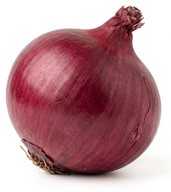
  • Red onion

    Use the same weight; it is sharper and will tint the dish pink, so cook a little longer for sweetness.

  • Shallot

    Use the same weight; it is milder and sweeter, so reduce frying time slightly to avoid burning.

Whole chicken
  • Chicken pieces

    Use the same weight; joints cook faster, so reduce roasting time by 15–20 minutes and check at the bone.

  • Chicken breast and leg pieces

    Use the same weight; brown breast later or remove earlier as it dries out.

  • Chicken leg

    Use the same weight; legs need 10–15 minutes more than breast, so cook to tenderness.

Saffron
  • Ground turmeric

    Use 15% of the saffron's weight. Replicates the bright yellow colour well, but lacks the floral, earthy depth; use sparingly to avoid bitterness.

  • Screwpine water or rosewater

    Use a few drops combined with a tiny pinch of ground turmeric to mimic both the regal floral aroma and the golden hue.

Rosewater
  • Screwpine water or rosewater

    If using kewra water, use 50% of the volume specified; it is intensely floral and pungent, so add drop by drop to avoid overpowering.

  • Ground green cardamom

    Use 0.5 g ground spice for every 5 ml rosewater. Adds warm, perfumed top notes, shifting the aroma from floral to sweet spice.

  • Dried rose petals

    Steep 1 g dried petals in 15 ml hot milk or water for 10 minutes, strain, and stir in for a subtle, natural floral note.

Ghee
  • Unsalted butter

    Use 120% of the weight; melt gently over low heat to avoid burning the milk solids, which will yield a softer, creamier richness rather than a nutty aroma.

  • Vegetable oil

    Use 85% of the weight; holds high cooking temperatures without smoking, but the final dish will lack traditional dairy depth.

  • Mustard oil

    Use equal weight; heat to smoking point and cool slightly before cooking, bearing in mind it introduces an assertive, pungent edge.

Hard-boiled egg
  • Egg

    Use the same weight, about 50 g per egg. Boil 9–10 minutes, cool and peel; exact substitute.

  • Boiled egg white

    Use the same weight. Leaner and less rich; mash with a little oil or yolk if the dish needs richness.

  • Tofu

    Use the same weight; press and cube. No egg flavour, so add 5 minutes before the end and adjust salt.

White poppy seeds
  • Poppy seed

    Use the same weight; grey seeds make a darker paste but taste close.

  • White sesame seed

    Use the same weight, lightly toasted; the paste is nuttier and less thickening.

  • Cashew nut paste

    For 10 g poppy seeds use about 15 g cashew nut paste; it thickens more, so reduce other thickeners.

Green cardamom pod
  • Green cardamom seed

    Use 35 to 40% of the total pod weight; lightly bruise the seeds before frying in oil to release their essential oils.

  • Ground green cardamom

    Use 20 to 25% of the pod weight (about 1 generous pinch per pod); stir in toward the end of cooking so the delicate floral notes do not dissipate.

  • White cardamom pod

    Use 1:1 by pod count or weight; crack gently before using, though it is slightly less intensely floral.

Clove
  • Ground cloves

    Use 1 g ground for 4 g whole (or 1 small pinch per 2 to 3 whole cloves). Add with spice powders; disperses intense warmth quickly, so use with restraint.

  • Allspice berries

    Use 100% of the weight whole in tempering. Imparts a warm, clove-like aromatic profile combined with hints of nutmeg and cinnamon.

  • Black cardamom pod

    Use 1 pod for 3 to 4 cloves in whole tempering. Shares a camphor-like warmth and medicinal depth, though it introduces a distinct smoky undertone.

Cashew nut
  • Almond

    Use 100% of the weight. Soak in boiling water and slip off skins before frying or grinding; gives a lighter, slightly less sweet richness to curries.

  • Poppy seed

    Use 60% of the weight for gravies. Soak in warm water and grind into a fine paste to thicken royal kormas without adding heavy oiliness.

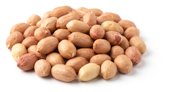
  • Shelled peanut

    Use 100% of the weight. Roast, skin, and grind; creates a thicker, earthier texture typical of Maharashtrian and western Indian curries.

Greek yoghurt
Garlic
  • Garlic paste

    Use equal weight. Fry gently in oil or ghee with the ginger; incorporates smoothly into curries without visible minced bits.

  • Garlic powder

    Use 15% to 20% of the weight (about 1 g for every 5 to 6 g fresh cloves). Whisk into sauces; gives a savoury, toasted garlic flavour without raw pungency.

  • Shallot

    Use 1.5 times the weight, very finely minced. Sauté until golden; provides savoury allium sweetness, though it lacks garlic's pungent sulphur bite.

Fresh ginger
  • Ginger paste

    Use equal weight. Sauté in hot fat until the raw allium smell disappears; slightly wetter, but provides identical warmth and pungency.

  • Ground ginger

    Use 20% to 25% of the weight (1 g for every 4 to 5 g fresh). Stir into the gravy; adds peppery heat and warmth, though it misses the crisp, zesty kick of raw root.

Kashmiri chilli powder
  • Dried kashmiri chilli

    Grind deseeded dried pods to an equal weight of powder; gives identical vivid red colour and gentle warmth.

  • Red chilli powder

    Use 25% of the weight mixed with sweet paprika for colour; straight red chilli powder is substantially hotter and will make the dish fiery.

  • Chilli powder

    Use one-third of the weight; the sauce will be less intensely red and notably sharper in heat.

Garam masala
  • Ground cumin

    Use 50% of the weight mixed with equal parts ground coriander and a pinch of ground cinnamon, ground cloves, and ground green cardamom. Sprinkle near the end for a warming finish.

  • Lentil stew spice mix

    Use 75% of the weight. Simmer briefly in the gravy; imparts roasted warmth and complexity, though it adds a slight tang and earthy lentil undertone.

Ground coriander
  • Coriander seeds

    Dry-roast lightly in a pan and grind to a fine powder; use equal weight (1:1). Offers a noticeably fresher, brighter citrus note.

  • Ground cumin

    Use 50% to 75% of the weight. Lacks the floral, citrusy profile of coriander and turns the gravy heavier, earthier, and darker.

  • Garam masala

    Use 50% of the weight and stir in near the end of cooking. Adds warmth and depth since it contains ground coriander, but introduces stronger spices like clove and cinnamon.

Mint leaf
  • Mint leaves

    Use the same weight; identical herb, just the plural listing.

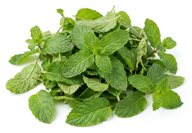
  • Dried mint

    Use 25% of the fresh weight, about 1 g dried for 4 g fresh; crush between fingers. Flavour is stronger and slightly hay-like.

  • Coriander leaf

    Use the same weight; it gives a fresh green note but not true mint flavour.

Lemon juice
  • Lime juice

    Use equal volume or weight; delivers almost identical sharp acidity with a faintly more aromatic, bitter-edged profile.

  • Dried mango powder

    Use 25% of the weight (about 1 g amchoor for 4 g juice); provides clean fruity tartness without thinning the sauce.

  • White vinegar

    Use 75% of the volume; gives direct sourness without any citrus floral fragrance.

Meat tenderizer
  • Raw papaya paste

    Use about 10 g per 500 g meat, rub in and leave 30 minutes; do not overdo or the meat turns mushy.

  • Lemon juice

    Use about 15 ml per 500 g meat, leave 20 minutes; acidic and lightly tenderising.

  • Yoghurt

    Use about 100 g per 500 g meat, leave overnight; mild tenderising and adds tang.

Green bird's eye chilli
  • Bird's eye green chilli

    Use the same weight; heat and flavour are very close.

  • Green chilli

    Use 1.5 to 2 times the weight; deseed for less heat. Larger chillies are more watery.

  • Fresh green chilli

    Use 1.5 to 2 times the weight; chop finely and adjust heat by tasting.

Ground turmeric
  • Ground ginger

    Use 50% of the weight. Mimics turmeric's warm, earthy, rhizome background, but provides none of the golden-yellow colour.

  • Saffron

    Steep a tiny pinch (0.1 g per 2 g turmeric) in 2 tbsp warm water; use to match the rich golden hue. Contributes an aristocratic, honeyed floral flavour rather than earthy bitterness.


Minced chicken
  • Lean minced chicken

    Use the same weight; it is the closest option and cooks in the same time.

  • Boneless chicken thigh

    Mince coarsely at home; use the same weight. It is slightly juicier and needs 2–3 minutes more cooking.

  • Chicken breast

    Mince at home; use the same weight but add 1 tsp oil, as it is drier and can toughen if overcooked.

Coriander leaf
  • Coriander

    Use equal weight finely chopped; this is the exact same fresh herb.

  • Mint

    Use half the weight finely chopped; provides vibrant green freshness, though the flavour profile becomes noticeably cooler and sharper.

Raisin
  • Dried plum

    Use equal weight, pitted and finely chopped. Lends a deeper, slightly more tart sweetness to curries and rice dishes.

  • Cashew nut

    Use equal weight. Fry lightly in ghee until golden; substitutes the burst of sweetness with a rich, buttery crunch.

  • Jaggery

    Use 30% of the weight, finely grated. Dissolve straight into the sauce to match the intended sweetness, though without the fruity chew.

Water
  • Stock

    Use the same weight in savoury dishes; it adds body, so adjust salt.

  • Milk

    Use the same weight only in doughs or creamy dishes; it makes the result richer.

  • Coconut water

    Use the same weight in curries or rice; it adds sweetness and a faint coconut taste.

Similar dishes

Bengali Chicken Chaap
Creamy Saffron & Yoghurt Chicken Curry
Bengali Chicken Chaap tastes creamy and gently spiced from saffron-yoghurt and cashew-poppy paste, while this dish is tangier from lemon and yoghurt and has a savoury-sweet stuffing with raisins and boiled eggs.
  • Same: Bengali Chicken Chaap shares with this dish a yoghurt marinade, saffron, cashew-poppy paste, ghee, onion-garlic-ginger, kashmiri chilli and warm spices such as cardamom and clove.
  • Different: It uses skinless chicken on the bone in a creamy cashew-poppy curry, while this dish roasts a whole chicken stuffed with minced chicken, cashews, raisins, green chillies and boiled eggs and lacks the stuffing, boiled eggs, raisins, lemon juice, mint, rose water and meat tenderizer.
Andhra Kodi Vepudu
Cardamom, Ginger & Black Pepper Chicken
Andhra Kodi Vepudu is dry, spicy and peppery with a thick spice coating, while this dish is aromatic and gently spiced with a tangy yoghurt marinade and savoury filling.
  • Same: Andhra Kodi Vepudu and this dish both use chicken with cardamom, clove, Kashmiri chilli powder, ground coriander, ginger, garlic, onion and cashews.
  • Different: Andhra Kodi Vepudu uses boneless skinless chicken thigh and is a dry fry with tomato, curry leaves and black pepper, while this dish uses a whole chicken stuffed with minced chicken, cashews, raisins and boiled eggs, marinated in yoghurt and roasted with saffron, rose water and poppy seeds.
Hyderabadi Dum Ka Murgh
Slow-cooked Chicken Curry with Saffron, Turmeric, Chilli and Mint
Hyderabadi Dum Ka Murgh is rich and gently spiced with a coconut-nut paste and a mint, coriander and green chilli finish, while this dish is tangy from yoghurt and savoury from its mince filling.
  • Same: Hyderabadi Dum Ka Murgh shares a yoghurt marinade, ghee, onion, cashew, poppy seeds, saffron, cardamom, clove, mint, coriander, green chilli, garlic and ginger with this dish.
  • Different: Hyderabadi Dum Ka Murgh uses skinless bone-in chicken pieces slow-cooked in a toasted onion, coconut and nut paste, while this dish is a whole roast chicken stuffed with minced chicken, cashews, raisins and boiled eggs and served with a light gravy.
Anardana Murgh
Pomegranate & Chilli Spiced Chicken
Anardana Murgh tastes savoury, lightly sour from pomegranate, and warm with gentle chilli heat, while this dish is aromatic and gently spiced with tangy yoghurt and a savoury filling.
  • Same: Anardana Murgh shares onion, garlic, ginger, green bird's-eye chilli, kashmiri chilli powder, ground coriander, garam masala, coriander leaf, salt, and water with this dish.
  • Different: Anardana Murgh uses chicken thigh, vegetable oil, and pomegranate powder and cooks with onions, while this dish uses a whole chicken, ghee, a yoghurt-lemon marinade, and a cashew-raisin-mince-egg stuffing and is roasted.