Glossary
The ingredients, utensils and basics the recipes call for, in our own words, with how to make the basics (hung yoghurt, coconut milk, a dough seal), and how hot each chilli is.
Nothing in the glossary matches that.
A

Ajwain
Ajwain is a very small seed that looks like cumin but has a strong aroma reminiscent of thyme. Indian cooks dry-roast it or fry it in ghee or oil to flavour curries, parathas, breads and snacks, and it is also valued as a digestive.

Alkaline water
Water with a pH above neutral, so it is alkaline rather than acidic or neutral. Some North Indian cooks use it, and it is marketed with unproven claims that it helps counteract bodily acidity. It can be bought or made using an alkalizer fitted to a tap, but ordinary water is a fine substitute.

Allspice · kebab chini
Allspice is the dried berry of a small tropical tree, with a warm aroma that recalls cinnamon, cloves and nutmeg together. Indian cooks use it in kebab and meat spice blends, often grinding it fresh.

Almonds · badam
Almonds are the edible seeds of the almond tree's fruit, with a rich, nutty taste and firm texture. Indian cooks use them whole, blanched, roasted, flaked or ground in curries, biryanis, sweets and drinks such as badam milk, and as a garnish.

Alum · fitkari
A chemical compound sold as a powder. Indian cooks dissolve it in water to soften harsh bitterness or astringency in some ingredients, and use it when pickling. It is usually stocked with spices.
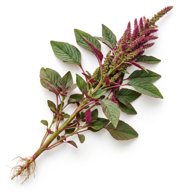
Amaranthus · bathua
A plant grown for its edible leaves and seeds, both of which are nutritious. Indian cooks use the leaves as a green vegetable in dal and saag-style dishes, and spinach is a common substitute.

Amchoor
A souring powder made by drying and grinding unripe mangoes. Indian cooks add it to savoury dishes and chutneys, or sprinkle it over food as a garnish.
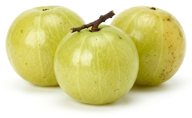
Amla
A small greenish-yellow fruit with a sharp sour and astringent flavour. Indian cooks eat it raw, cook it in dishes, and often pickle it.

Aniseed · daunt
Aniseed is the seed of an annual plant and has a liquorice-like flavour. In India it is called daunt and is used to flavour dishes; it is also traditionally thought to help digestion.

Apricots · khubani
Apricots are small orange-yellow fruits with a stone. Indian cooks use them fresh or dried in drinks, sweet dishes and some meat recipes. Hunza apricots are a small, round, hard beige type from wild trees in Kashmir, Afghanistan and Turkey; they dry on the tree and need soaking before use.

Arhar
Arhar is a yellow lentil, available whole or more commonly hulled and split. It has a mild nutty taste and is widely used in Indian dhal and soups.

Asafoetida · hing
A resin taken from a plant's sap, sold as amber lumps or as a powder. Raw, it has a very strong and unpleasant smell, but heating gives it a milder, onion-like aroma. Indian cooks often fry a small pinch in ghee or oil before adding it to dal, vegetables or pickles.
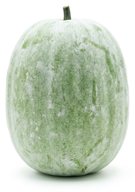
Ash gourd · petha
Ash gourd is a large fruit with firm white flesh that Indian cooks usually treat as a vegetable. It is commonly added to curries and similar savoury dishes, while the less mature fruit can be sweet enough to use in sweets.
B

Badhi
Badhi is a dried tablet made from ground pulses and spices. Indian cooks fry these tablets to eat as they are, or add them to a dish to give it flavour and substance. A spice blend can be used in their place when they are not available.
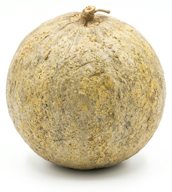
Bael fruit
Bael fruit is a hard-shelled fruit from a tree grown in India and much of South-East Asia. Indian cooks use its aromatic ripe pulp fresh, in drinks and sherbet, and in chutneys and preserves; it is also valued in traditional medicine.

Bamboo shoots · bans ka ankur
Bamboo shoots are the young edible stems of certain bamboo plants. In India they are used mainly in the north-east and other regional kitchens, often as a vegetable in curries, stir-fries and pickles. Fresh shoots need thorough preparation before cooking, while canned or frozen ones are ready to use.

Banana leaves · kela patta
Banana leaves are large, flexible leaves used in India as disposable plates and as wrappers for cooking food. They lend a mild aroma and help keep the food moist during cooking. Frozen leaves can be thawed under warm running water; foil works as a substitute, though it will not give the same subtle flavour.

Banana stems · vazhaithandu
The tender inner core of the banana plant, eaten as a vegetable. Indian cooks slice or shred it and cook it in curries, stir-fries and thorans, often with coconut or lentils.

Basmati
A polished long-grain rice grown widely in India. It has a distinctive aroma and is commonly used for pulao and biryani; the Dehradoon area is particularly known for it.

Bay leaf · Tej patta
Bay leaves are the aromatic leaves of the bay tree, sold fresh or dried. Indian cooks add them whole to curries, rice and pulses to give a warm cinnamon-like flavour, then remove them before serving because the leaf itself is not eaten.

Belan
A belan is a rolling pin used in Indian kitchens, usually alongside a round rolling board. Cooks use it to flatten dough for breads such as roti, paratha and puri.

Bengal gram · kala channa
Bengal gram is a small chickpea with a deep red colour rather than a true black. Indian cooks know it as kala channa and use it in much the same way as ordinary chickpeas, though it has a slightly nutty flavour.

Bhojwar masala
A dry spice powder linked to Hyderabad, made by grinding coriander, sesame, cumin and bay leaf together. Local cooks use it to season Hyderabadi dishes, where it adds a warm, nutty note.
- For a small batch, weigh 50 g coriander seeds, 25 g sesame seeds, 15 g cumin seeds and 1 bay leaf.
- Dry-roast the seeds and bay leaf in a pan over low heat until fragrant, then leave to cool completely.
- Grind the cooled mixture to a fine powder and store it in an airtight jar.
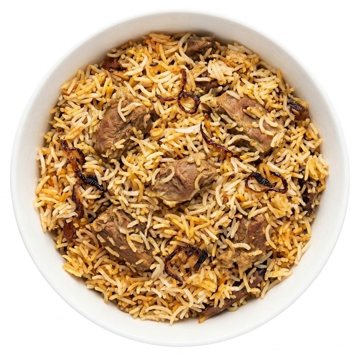
Biryani
Biryani is a layered rice dish, commonly understood to take its name from words meaning fried or cooked rice. Indian cooks make it in many regional styles, usually combining rice with meat or vegetables and aromatic spices; the Hyderabadi dum method, cooked slowly in a sealed pot, is especially admired.
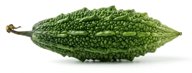
Bitter gourd · karela
A green, knobbly vegetable with a strong bitter taste, sold in several shapes and shades from short and dark to long and pale. Indian cooks use it as a vegetable across the country, often balancing its bitterness with other flavours. It is stocked in Asian grocery shops.
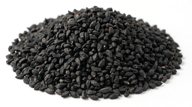
Black cumin · shahi jeera
Black cumin is the dried seed of a plant related to ordinary cumin. The seeds are darker than common cumin and have a sweeter, more layered taste. Indian cooks use them in small amounts in rich dishes from Awadh and Hyderabad.

Black rock salt · kala namak
A dark purple-brown rock salt with a strong smoky, sulphur-like smell. Indian cooks add it to chaats, raitas, chutneys and savoury snacks, and occasionally to drinks.

Black-eyed beans · lobiya beans
Small cream-coloured pulses with a distinctive black spot, known in India as lobiya. Indian cooks use them in curries, dals and salads, and sometimes in rice dishes.

Blanching nuts
Blanching nuts means covering shelled nuts with boiling water for a short time, then draining them so the skins loosen and can be rubbed away. Indian cooks use this for almonds and other nuts when a recipe needs pale, skinless nuts for drinks, curries or sweets.
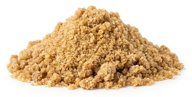
Boora
Boora is an unrefined sugar made by boiling sugarcane juice, removing the scum, drying the syrup and grinding it to a powder. Indian cooks use it to sweeten desserts, drinks and some savoury dishes, where it adds a fuller, molasses-like flavour. Caster sugar can be used instead.
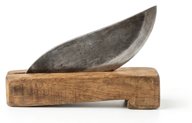
Boti
A sharp manual cutting implement from Bengal, usually with a curved blade set on a small base or handle. Cooks use it to chop meat into pieces before cooking.

Bottle gourd · lauki
A pale green, bottle-shaped fruit with a mild, slightly nutty flavour. Indian cooks use it in curries across the country, where it is commonly called lauki. Squash can be used instead.

Broken rice · khanda
Rice grains that have split or cracked during harvesting or milling. The pieces absorb more water when cooked, so Indian cooks often use them for soft dishes such as khichdi and porridge, and in some idli or dosa batters.

Broken wheat · dalia
Wheat grains that have been coarsely milled without being boiled first. It is sold roasted or unroasted. Indian cooks commonly use it for sweet or savoury breakfast porridge, and it is easy to digest.

Buttermilk · chaas
In India, buttermilk is the thin liquid left after butter is churned from yoghurt. Cooks know it as chaas and use it mainly in seasoned milk drinks, sometimes with cumin, mint or salt. Cultured buttermilk sold elsewhere can be used instead, but it tends to be thicker.
C

Cambodge petals · kodampuli
Dried pieces of the fruit of Garcinia cambogia, used as a souring spice. Indian cooks add them to dishes for acidity, and kokum can be used instead when they are unavailable.

Camphor · kapur
A white, strongly aromatic resin with a cooling taste, used by Indian cooks in very small amounts in sweets, cold drinks and some aromatic spice mixtures. Only camphor clearly labelled as edible should be eaten, as other forms can be harmful.

Candied sugar · misri
An unrefined sugar that comes as crystals or as lumps. Indian cooks call it misri and use it to sweeten sweets, drinks and religious offerings.

Caraway seeds · shahi jeera
Caraway seeds are the small, curved seeds of the caraway plant, used as a warm aromatic spice. Indian cooks add them to rice, breads, biscuits, cakes and some fish dishes, and they are also thought to ease digestion and wind.

Cardamom · elaichi
Cardamom is a spice made from the dried seed pods of a plant in the ginger family. Indian cooks use it in both sweet and savoury cooking; green pods are common, while larger black-brown pods taste sharper and more resinous. Ground green cardamom is sold in Asian grocers.

Cassava · tapioca
Cassava is the starchy root of a tropical plant, with white flesh under a brown skin. It came to India from Brazil in the nineteenth century, when a Kerala prince promoted it as a famine food. Indian cooks boil it, fry it or curry it much as they would potatoes.

Cayenne pepper
A ground hot red chilli used in Indian cooking as a substitute for local red chilli powder; it is bright red, pungent and hot.

Chaar magaz
Chaar magaz is a four-seed blend made from pumpkin, melon, squash and watermelon kernels. Indian cooks grind it to a paste and add it to curries, where it lends flavour and body.

Chaat
A category of savoury Indian street snacks, including tikki, papri, gol gappe and pani puri. They are usually put together to order and served with sweet and sour chutneys and spice powders, often from pushcarts or small kiosks.

Chabaina
Chabaina refers to a small bite to eat rather than a full meal. Indian cooks use it for informal nibbling between main meals or as a modest savoury plate.

Chakki or chakla
A chakla (also called a chakki) is a flat, round board for rolling dough. It is normally made of wood or stone, often raised on small feet, and Indian cooks move a belan back and forth across it when making rotis and similar breads.

Chana dal
Chana dal is the yellow split kernel of small black chickpeas, with the dark skin removed. It has a sweet, nutty flavour and is widely used in Indian cooking for dal, soups and snacks. It keeps its shape well during cooking.

Chayote · chow chow
A climbing-vine gourd with a large, pear-like shape and pale green to white skin. Its flesh is mild and slightly sweet. Indian cooks use it in stir-fries, curries and pickles.

Chhena
A soft fresh cheese made by curdling hot milk and draining the curds. Indian cooks knead it until smooth and use it in sweets such as sandesh and rasgulla.
- Chhena: Warm milk and stir in a souring agent until the curds separate.
- Strain the curds through muslin and hang the cloth to drain off the whey.
- Knead the drained curds until the cheese is smooth.

Chicken, dressed
A chicken that has been plucked and had its head and internal organs removed. Indian cooks buy it whole for biryani, curries, tandoori and roasts, then joint or cut it as needed.

Chickpeas (garbanzo beans) · chana
A round, pale-yellow pulse. Indian cooks use whole chickpeas in dal and in dry, tangy spiced dishes, sometimes with potato, and grind them into gram flour (besan). Tinned cooked chickpeas are widely available and save preparation time.
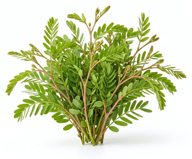
Chigur
Chigur are the young, tender shoots of the tamarind tree. Cooks in Hyderabad and other parts of Andhra Pradesh use them to give dishes a sour flavour, treating them as a souring agent.

Chillies · mirchi
Chillies are the fruits of capsicum plants, prized for the heat they add to curries and other dishes. They range from green to yellow to red as they ripen, and the seeds, which are the hottest part, are usually removed before cooking. Indian cooks use them fresh or dried, whole, slit or chopped; small round birdseed chillies and longer green types are common, while dried red Nagori and Rasampatti chillies are valued for their pungency.

Chippe
A chippe is a clay cooking pot used in Hyderabad. Local cooks use it to prepare a meat speciality, relying on the pot to give slow, even heat.
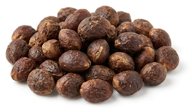
Chironji
Chironji are small seeds with a mild, almond-like taste. Indian cooks use them whole in desserts and grind them to thicken other dishes.

Cinnamon and cassia · dalchini
Two barks are sold as cinnamon. Cassia, or Chinese cinnamon, is thick, rough and single-layered, with a strong, spicy-sweet taste: it is the dalchini of Indian kitchens, and what most UK and US shops sell as cinnamon sticks and ground cinnamon. Ceylon, or true, cinnamon is thin, papery bark rolled into many layers, milder and sweeter. Unless a recipe here says Ceylon, it means cassia. Indian cooks fry a piece of the bark whole in hot oil or simmer it in the pot and lift it out before serving, or grind it into a masala. To use Ceylon cinnamon instead, take about one and a half times the weight.

Citric acid
An acid that occurs naturally in citrus fruit. Indian cooks buy it as a white powder and use it to add sourness when fresh lime juice is not wanted; it also contributes flavour and can help make meat more tender.

Clarify
To clarify is to clear a liquid of solids or impurities. In Indian cooking it usually means melting butter and removing the milk solids so that only pure fat remains, which is ghee. The same idea can be applied to stocks or other fats.

Cloves · laung
Cloves are the dried flower buds of a tropical tree, used as a warm, pungent spice. Indian cooks add them whole or ground to rice, vegetables, pulses and meat dishes, often with black cardamom, and they are a component of garam masala.

Cluster beans · Gawar phali
A legume native to India whose tender green pods are cooked as a vegetable. Its seeds can be milled into a powder that thickens dishes, and the plant also yields a gum used for the same purpose.
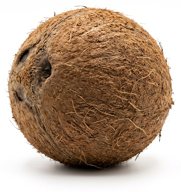
Coconut · Nariyal
Coconut is the large seed of the coconut palm, with a hard brown shell around white flesh. Indian cooks use fresh or dried coconut flesh, and milk pressed from it, in curries, chutneys and sweets to add richness and texture.
- Thick coconut milk: put 200 g freshly grated coconut flesh in a bowl, add 250 ml water and leave it to soak for 30 minutes. Strain through muslin into a bowl; use this first extract in the same way as coconut cream, adding it to a hot dish only after lowering the heat so that it does not split.
- Thin coconut milk: return the grated coconut to the bowl, add another 250 ml water, soak again and strain. This second, thinner milk can be simmered for longer.

Coconut feni · Feni
Coconut feni is a strong distilled spirit made from coconut-palm sap, chiefly in Goa. It is usually drunk neat or in cocktails and is only occasionally used to flavour marinades or desserts, so it is not a common cooking ingredient.

Coconut vinegar
A sour liquid made by fermenting coconut water with yeast and a starter culture. It is less acidic than many vinegars and has a musty flavour. Indian cooks use it in pickles, curries and chutneys, particularly in Kerala and Goa.

Colocasia · arbi
A tropical plant grown mainly for its starchy tuber. Indian cooks use the tuber, stem and leaves, but the plant contains an irritant that must be removed by careful preparation and thorough cooking.

Coriander (cilantro) · dhania
An annual herb whose leaves, seeds and ground seeds all feature in Indian cooking. The fresh leaves are used as a garnish and in green chutney, whole seeds go into temperings, pickling spices and some meat and fish dishes, and ground coriander is a staple everyday spice.

Cornmeal (corn flour) · makki atta
A flour ground from whole, hulled and dried maize kernels, usually fairly coarse. Indian cooks use it for makki di roti and other breads, sometimes mixing it with wheat flour. It is not the same as cornflour (cornstarch), which is a refined starch used for binding and thickening.

Cowpeas · lobia
Cowpeas are small legumes, often the black-eyed variety, sold dried in India as lobia. Indian cooks soak and boil them for curries, dals, salads and soups, and they are also ground or sprouted in some regional dishes.

Cream of tartar
Cream of tartar is an acidic white powder obtained during winemaking. In Indian kitchens it is mainly used in baking: it helps egg whites hold their volume, works with bicarbonate of soda in baking powders, and stops sugar syrups from crystallising.

Cumin · jeera
Cumin is a warm, nutty spice used either as whole seeds or ground. Indian cooks know it as jeera and add it to mixed spices, curry powders, pulses, vegetable dishes and yoghurt preparations.

Curd · dahi
Curd is set, fermented milk, known in Indian English as dahi. Indian cooks use it plain, whisked into raita, marinades and curries, or hung to make a thicker ingredient for sweets and dips.
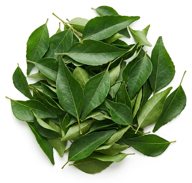
Curry leaves · kadipatta
A small aromatic leaf with a warm, lemon-like scent, much smaller than a bay leaf. South Indian cooks use it to season vegetables, lentil dishes and breads. It is sold both fresh and dried.
D

Dal
Dal is the Indian word for lentils, split pulses and dried beans, and also for dishes made from them. Indian cooks use it for everyday soupy or thick preparations, often flavoured with a tempered spice mix. It can also mean the raw split pulses sold before cooking.

Dekchi
A dekchi is a wide, round cooking pot. Indian cooks use it for rice preparations such as pulao and biryani. A larger commercial version of the same vessel is called a deg.
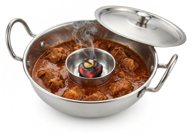
Dhungar
A smoking method used to give cooked meat a smoky flavour. A small dish of burning charcoal is placed among the meat, spices and a little oil are added to the charcoal, and the whole container is covered for a few minutes so the smoke flavours the food.
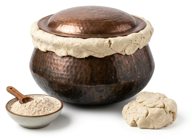
Dough seals
A dough seal is a ring of soft flour dough used to close a cooking pot tightly before baking or slow cooking. Indian cooks use it to trap steam and aroma, particularly in dum-style dishes.
- Put 120 g flour in a bowl and mix in about 60 ml water a little at a time until a soft dough forms.
- Knead on a lightly floured surface for a few minutes, then roll into a long sausage shape.
- Press the dough around the pot rim, put on the lid, and pinch the dough to seal.

Dried red chilli · sookhi lal mirch
Whole dried red chillies used across India in tempering, curries and pickles; they are deep red and hot.

Dried red Goa chilli · Goa mirchi
A dried red chilli from Goa, used in Goan curries, recheado masala and vinegar preserves; it is deep red and moderately hot.

Drumsticks · sahjan ki phalli
Drumsticks are the young, long green seed pods of the moringa tree. Indian cooks use them in South Indian sambhar and other dishes, and the tree's leaves and flowers are also eaten.

Dry roasting
Dry roasting means heating a food in a pan without oil or other liquid. Indian cooks use it to toast spices, flours, semolina and coconut so they become aromatic and take on a light colour. It is usually done over a low to medium heat with constant stirring to prevent burning.

Dum
A slow cooking method in which food is cooked in a closed pot so that steam and juices stay inside. Indian cooks use it for dishes such as rich rice pilafs and meat curries, often placing hot coals on the lid and sometimes beneath the pot so heat reaches the food from above and below. It is strongly linked with Mughal-style cooking.
F

Fennel seed · Saunf
The seed of a herb with a sweet, liquorice-like taste. Indian cooks use the seeds far more than the leaves, often including them in garam masala, and Kashmiri dishes commonly pair them with dried ginger powder.

Fenugreek · Methi
Fenugreek is an aromatic spice with a bittersweet taste. In India it is called methi. The seeds are pungent, while the chopped dried leaves known as kasoori methi are milder; cooks use both in curries, pickles and chutneys.

Fermented fish
Fish preserved by prolonged fermentation, often for several months, until it softens or turns into a paste or liquid. In northeast Indian cooking it is used in small amounts as a strong savoury flavouring in curries and vegetable dishes.
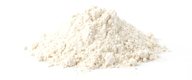
Flour, plain (all-purpose) · maida
A fine white wheat flour made mainly from the starchy centre of the grain, with most of the bran and germ removed. Indian cooks use maida for samosas, naan, biscuits, cakes and pastries, and sometimes for coating or thickening.

Flour, Wholemeal (Whole Wheat) · atta
Flour milled from the entire wheat grain, including the bran and germ. Indian cooks use it mainly for chapatis and other flatbreads, and it can replace plain flour in some recipes.

Fresh red chilli · lal mirch
A fresh ripe red chilli used in Indian cooking for heat and colour; it is red, fruity and hot.
G

Garam masala
A warm, aromatic spice mixture used mainly in northern Indian cooking, especially with meat. It commonly contains cinnamon, bay, cloves, cardamom, mace and black pepper. Cooks may heat it in oil or ghee before adding other ingredients, or put it in a muslin bag and cook it in the pot.

Garlic · Lehsun
The bulb of the garlic plant, made up of cloves with a strong-tasting white flesh. Indian cooks use it widely in savoury dishes, often crushed or chopped for curries, dals and tarkas.

Gentlemen’s toes · tinda
A small green squash also called round gourd or apple gourd. Indian cooks use it in curries, stir-fries and stuffed dishes, often with onion, tomato and spices.

Ghee
Ghee is butter that has been melted and clarified so the milk solids are removed, leaving a pure fat. Indian cooks use it for frying, for rich desserts and for many Mughal-style dishes.

Ginger · adrak
Ginger is the root of a plant used widely in Indian cooking, either fresh or dried and ground. Cooks grate or pound fresh ginger to give curries, dals and marinades a warm, citrus-like flavour, while dried ginger (sonth) tastes woodier and less sharp.

Gold leaf · varak
Gold leaf is gold beaten into an extremely fine foil that can be eaten. Indian cooks use it to give mithai and some rich savoury dishes a luxurious finish; it adds appearance rather than flavour.

Gongura leaves
Gongura leaves are the sour, slightly bitter leaves of a hibiscus plant. There are green- and red-stemmed types, with the red-stemmed one being more acidic. Indian cooks use them in pickles and curries.
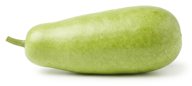
Gourd
A broad group of fleshy, usually mild vegetables with firm rinds, including many types eaten in India. Indian cooks use different gourds in curries, dals, stir-fries and pickles; each variety has its own entry.

Gram flour · Besan
Gram flour is a powder made by grinding dried chickpeas, and it may be roasted before grinding. Indian cooks use it chiefly for batters, especially for deep-fried snacks, and it also thickens some dishes.

Green chilli · hari mirch
A fresh green chilli used throughout India for heat and flavour in curries, dals, chutneys and tempering; it is green and hot.

Grinding spices
Grinding spices means reducing whole spices to a powder or paste, usually with a mortar and pestle or a spice grinder kept for spices alone. Indian cooks grind spices shortly before cooking because the aroma fades quickly, though the ground result can be kept briefly in an airtight container.
H

Handi
A handi is a traditional Indian cooking pot with a narrow opening, traditionally made of clay. Cooks use it for slow, covered cooking, often sealing the lid so steam stays inside.

Hatha
A Hatha is a wooden ladle used in Indian kitchens. Cooks use it to stir, mix and turn food in pots, especially during long simmering or thickening. Wood is preferred because it is gentle on cookware and does not become as hot as metal.

Hemp seeds · bhang ke beej
Edible seeds from Cannabis plants; they are not toxic. Indian cooks grind them to a paste to thicken gravies and add a nutty flavour, and mix them with pomegranate seeds to make a tangy chutney.
I
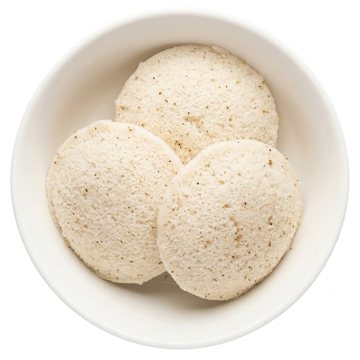
Idli
Idli is a South Indian dish of small savoury cakes steamed from a fermented batter of rice and urad dal. They are eaten mainly at breakfast, usually with coconut chutney, sambar or a dry spice powder.
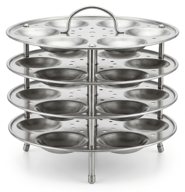
Idli thattu
A metal stand or tray with shallow cups that is used for steaming idli batter. Indian cooks sit it inside a larger pot or a pressure cooker without the weight, so the idlis cook evenly in steam.

Ittar
Ittar are concentrated fragrant essences used for flavouring, most often rosewater or kewra water. Indian cooks add only a few drops to desserts and occasionally to savoury dishes, where the aroma is wanted without sweetness.
J

Jackfruit · Kathal
Jackfruit is a very large tree fruit. Indian cooks use the unripe flesh in curries and dry vegetable dishes, while ripe jackfruit is eaten fresh. Whole fruit releases a sticky latex that can deaden the hands, so gloves are useful when handling it.
- Preparing a whole jackfruit: wear gloves or rub oil on your hands and knife to keep the latex off your skin.
- Cut the fruit into sections, then remove the outer skin, core and seeds.
- Chop the unripe flesh for cooking, or separate the ripe bulbs and discard the seeds.

Jaggery · gur
A crude cane sugar made by boiling down cane juice so that the molasses remains with the sugar instead of being removed. Indian cooks use it to sweeten traditional sweets, snacks and some savoury dishes, particularly in South India and Bengal, where it gives a darker colour and a richer taste than white sugar.

Jalapeño chilli
A fresh green Mexican chilli now used in modern Indian cooking; it is mild to medium-hot with a grassy flavour and is sliced, stuffed or pickled.

Jambu
Jambu is a very aromatic grass used in Uttarakhand. Cooks commonly use it to temper dal, and it can also be used in place of garlic.
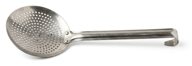
Jharji
A deep-frying utensil with a perforated bowl and a long handle. Indian cooks use it to lift pakoras, puris and other fried items out of hot oil, letting the oil drain back into the pan.
K

Kachri
Kachri is a small desert melon from the cucurbit family, cultivated mainly in Rajasthan. Indian cooks use it as a vegetable and as a tenderiser for meat; it is also dried and milled into powder.

Kalonji seeds
Tiny black seeds with a sharp, peppery taste. Indian cooks scatter them over breads such as naan, add them to vegetable dishes and use them in pickles.

Karhai
A deep, round pan with high sides, usually made of cast iron and shaped much like a wok. Indian cooks use it for deep-frying breads, savoury snacks and sweets.
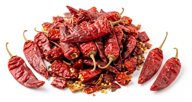
Kashmiri chilli water · Kashmiri mirch ka pani
The liquid left after dried Kashmiri red chillies are soaked and squeezed. Indian cooks use it to add a deep red colour and mild chilli flavour to curries, kebabs and rice without much heat.
- Put 20 g whole dried Kashmiri red chillies in a bowl and cover with 250 ml hot water.
- Leave to soak for 30–60 minutes, until the chillies are soft.
- Squeeze the chillies in the water, then strain out the solids and keep the liquid.

Kashmiri red chilli · Kashmiri mirch
A mild, deep-red chilli grown in Kashmir and used across India for colour and gentle warmth in curries, rice and tandoori dishes.

Kashmiri red chilli powder · Kashmiri mirch
A red chilli powder from Kashmir that gives dishes a strong red colour without much heat. It is milder than most other chilli powders and is used in many Kashmiri recipes as both a spice and a colouring.
Kashmiri red chillies · Kashmiri mirch
Kashmiri red chillies are a mild chilli variety used chiefly to give food a deep scarlet colour without much heat. Indian cooks use them whole or ground in curries, marinades and rice dishes where appearance matters. They are also sold as powder, flakes and paste.
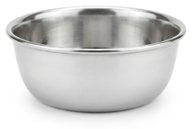
Katori
A katori is a small or large bowl used for serving food, particularly curries and other dishes with a sauce. Several katori can be set out on a thali so that each person can take as much as they like, in whichever order they prefer.

Kewra water
A fragrant flavouring made from the flowers and leaves of a screw-pine plant. Indian cooks add a few drops to sweets such as kheer and to some biryanis and savoury dishes for a soft floral aroma. Rosewater is a common stand-in, though it tastes different.

Khand
A coarse, unrefined sugar sold as chunky crystals or lumps. Indian cooks use it as a sweetener in sweets, drinks and everyday cooking, where it gives a fuller, molasses-like flavour than white sugar.

Khoya
A dairy product made by slowly heating whole milk until it thickens and dries into a powder. Indian cooks use it widely in sweet dishes, sometimes grating it first. Milk powder can be used instead when needed.
Khus
Khus is a fragrant grass grown across India, and an essence taken from the plant is used in cooking. Indian cooks use it to scent savoury Mughal-style dishes and many sweet dishes.

Kidney beans · rajma
Kidney beans are dark red pulses with a firm, nutty flavour. Indian cooks use them mainly in rajma dishes, often served with rice. The Kashmir variety is valued for its colour and taste.

Kofta
Kofta are small balls or short rolls made from mince or vegetables, usually simmered in a gravy. Indian cooks make many regional types, including vegetarian versions using bottle gourd, unripe plantain, potato or paneer.

Kohlrabi · knol khol
Kohlrabi is a vegetable in the cabbage family with a swollen stem that tastes like turnip. Indian cooks use it raw in salads and cook it in curries, sabzis and stir-fries in much the same way as turnip.
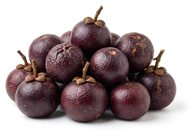
Kokum
The fruit of a tree cultivated in western India; it resembles a plum and has a sharp, sour taste. Indian cooks add it to fish dishes and some vegetable curries to provide acidity and a purple hue.

Korma
A korma is a braised dish, usually of meat, in which the main ingredient is marinated and then cooked gently in a thick sauce. Indian cooks serve it as a rich non-vegetarian main, often with rice or bread, and it is generally milder and more fragrant than many other meat dishes.
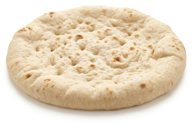
Kulcha
A Punjabi bread that is usually deep-fried and sometimes baked in a tandoor. It is served with chickpeas, or stuffed with paneer or potato. Amritsar is known for the skill involved in making kulcha.

Kulthi
Kulthi is a small oval bean with a wrinkled skin, ranging from black through brown to red. Indian cooks generally use it whole, and it has an earthy flavour; chana dal can be used instead.

Kurcha
A kurcha is a flat-bladed spatula that may have a short or long handle. Indian cooks use it to turn food and to lift off anything clinging to the inside of a pan during lengthy frying or boiling.
L
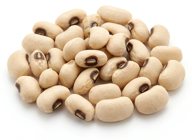
Lobiya
A medium-sized, oblong pulse with a pale cream coat and a dark mark on one side. Its skin is thick, so Indian cooks soak it overnight before boiling it for curries, dals and salads. It has a nutty smell and a creamy, slightly earthy taste.

Lotus puffs · makhana
Lotus puffs are puffed lotus seeds, commonly called makhana. Indian cooks use them in sweet kheer, mix them with dried fruit and nuts, or combine them with green peas in savoury vegetarian dishes.

Lotus roots · kamal kakadi / nadru / bhain
These are the underwater stems of the lotus plant, eaten as a vegetable. Indian cooks boil or fry them and add them to curries, with Kashmiri lotus roots especially well regarded.
M

Mace · Javitri
Mace is the lacy, aromatic covering that surrounds a nutmeg kernel. It is sold dried in whole pieces or ground, and Indian cooks add it to both sweet and savoury dishes for a warm, nutmeg-like flavour.

Malai
Malai is a thick cream that rises when milk is boiled and then cooled. Indian cooks use it in sweets and also stir it into lentil dishes and vegetable preparations to make them richer.

Masala
A Hindi word used either for a spice blend or for a dish made with spices. In Indian cooking it usually means a mixture of whole or ground spices, which may be bought ready-made or put together and cooked for a particular recipe.

Masoor
Masoor is a lentil: left whole, it has a green-brown skin and needs a long simmer. Split masoor is red, cooks quickly, and turns golden during cooking; Indian cooks use it for dal, soups and khichdi. The split form is sold as masoor dal.

Mild dried red chilli · halki sookhi lal mirch
A generic dried red chilli of low heat, used in Indian tempering, curries and pickles; it gives red colour and mild warmth.
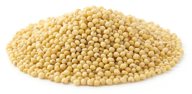
Millet
A small cereal grain that can replace rice in many meals. Indian cooks use it whole or ground in rotis, porridges and pilafs, and it has a mild nutty flavour.

Millet flour · Bajra atta
Flour made by grinding millet grains; it has a gentle nutty taste. Indian cooks use it in doughs for flatbreads like chapati and roti, and in various other dishes.

Mint · pudina
Mint is an aromatic herb with soft leaves; it can be used fresh or dried. In Indian cooking it commonly goes into chutneys and salads, gives a cooling note to drinks, and is scattered over dishes as a garnish.

Mixed pickle · panchranga achaar
Mixed pickle is a North Indian preserve made from several vegetables and fruits in oil, vinegar and sometimes a little sugar. A common mix is mango, lemon, green chilli and carrot, while Punjabi versions may use turnip, cauliflower and carrot. It is served with parathas or as an accompaniment.

Mizo anthurium
A leafy herb from Mizoram in north-east India. Local cooks use it as a green vegetable, and mustard leaves make a suitable replacement if it is not available.

Mogodi
Mogodi are small, lightly spiced dumplings made from moong beans and dried until firm. In Rajasthan they are boiled as a simple dal or cooked with vegetables, and ready-made packs are widely available.
- Soak 250 g split moong beans for 4–6 hours, then drain well.
- Grind the beans to a thick paste with 10 g salt and 5 g ground spices.
- Shape the paste into small flat dumplings.
- Dry them in strong sun for 2–3 days until hard, turning them occasionally.

Mogra flowers
Mogra is a fragrant variety of jasmine. Indian cooks use its petals as a garnish and its essence, or ittar, to flavour Awadhi and Hyderabadi dishes.

Mooli
A white radish with a sharp, peppery bite. Indian cooks use it raw in salads and raitas, cook it with potatoes or tomatoes, or serve it as a vegetable on its own.

Moong Dal
A small lentil from mung beans, green when whole and yellow when split and skinned. It is a little bigger and rougher than whole yellow lentils, with a fuller nutty, sweet flavour. Indian cooks use it in dal, khichdi and some batters.

Morel mushrooms · guchhi
A prized wild mushroom with a honeycombed, sponge-like cap. In India it grows mainly in Kashmir and Himachal Pradesh. Cooks use it in rich gravies, pulaos and special-occasion dishes.

Mowal extract
A colouring made by steeping mowal flowers, also known as cockscomb flowers, in water. Kashmiri cooks use it to give dishes such as Roghanjosh their characteristic red colour.

Mustard · sarson
Mustard is a plant used in Indian cooking for its seeds, oil and green leaves. Yellow and black seeds are fried whole to flavour oil and are important in pickling spices; the oil is a common cooking fat in parts of north India and Bengal, and the leaves are eaten as a vegetable.
N

Nutmeg · jaiphal
Nutmeg is the seed of a tropical tree, sold whole or ground, with a warm, sweet fragrance. Indian cooks use it in garam masala and in rich meat, rice and milk-based sweets, often grating it fresh or using it ground.
O
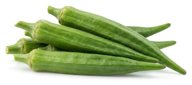
Okra · Bhindi
A green, ridged seed pod with a faint fuzz, eaten as a vegetable. Indian cooks add it to curries, fry it with spices, and pickle it.
P

Paanch phoren
A whole-seed spice blend made from fennel, cumin, nigella, mustard and fenugreek. Bengali cooks typically fry it briefly in hot oil or ghee at the start of cooking to flavour the dish.

Paatra
Paatra is food cooked while wrapped in a leaf, most often a banana leaf. Indian cooks use this method to steam, pan-grill or roast meat or vegetables so that they retain their juices. The leaf also helps protect the food and can add a mild aroma.

Paneer
A fresh cheese made by curdling hot milk with an acidic ingredient and then separating the solid curds from the liquid. It is firm but breaks easily and has a gentle, milky taste. Indian cooks grill or fry it for tikkas and kebabs, use it in bread fillings, and mix it into vegetables and salads.

Papad
A thin, crisp Indian wafer made from lentil flour, usually urad dal, and spices, then dried and fried, roasted or grilled. It is eaten as a snack or served alongside a meal to add crunch.

Papita
A sweet tropical fruit with orange flesh and many small black seeds. Indian cooks add ripe papita to spicy fruit chaat, and use the unripe fruit, including its skin, as a tenderiser in meat marinades.

Paraat
A large circular metal tray. Indian cooks use it when making bread, placing the dry ingredients in it and kneading the dough on its surface. Professional sweet sellers also use paraats to display their goods.
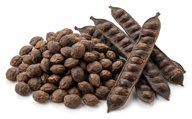
Parkia seeds · yongchak
These are the seeds of a Parkia tree, eaten in North Eastern Indian cooking. Cooks often dry-roast them with ginger and garlic, or cook them with shrimp.

Pasandas
Thin slices of lean lamb taken from the leg, with no bone; they may be cut thinly or beaten out until thin. Indian cooks use them for refined kebabs and kormas, and they are especially associated with Awadh, Delhi and Hyderabad.

Pateeli
A deep cooking pot with a narrow opening that traps steam, allowing food to cook slowly over low heat. Indian cooks use it for dum-style dishes such as pulao and biryani. It is usually made of aluminium or stainless steel, sometimes with a copper outer layer or a tin lining.
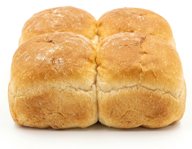
Pav
Pav are small, soft bread rolls, often sold joined together, and are eaten across India with spicy vegetable bhaji and other fillings. The name comes from the Portuguese word for bread. They are split or lightly toasted for street snacks and simple meals.

Pipli
Pipli is long pepper, a hot and pungent spice that was widely used in Indian cooking before chillies arrived. Cooks add it to pickles, spice blends and some savoury dishes for heat and a warm, peppery flavour.

Pistachio · pista
The edible green kernel of the pistachio tree, with a mild, distinctive nutty taste. Indian cooks use it chopped or slivered in sweets such as kulfi and kheer, in rich rice dishes, and as a garnish.
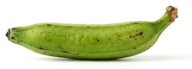
Plantain · kachcha kela
Plantain is a firm, starchy cooking banana, larger and less sweet than the dessert banana. Indian cooks use unripe plantains in curries, stir-fries, chips and fritters, and sometimes cook ripe ones as a sweet dish. They are sold in Asian grocery shops.

Plums (dried) · alubukhara
Dried plums are dehydrated plums, sold as prunes in many places and called alubukhara in India. Indian cooks add them to some dishes to provide a sour, tangy note.

Pomegranate seeds · anardana
These are the sweet, jewel-like seeds of the pomegranate fruit. Indian cooks use them fresh as a garnish and in salads or raitas, and use partly dried or fully dried ground seeds as a tart souring spice in chutneys, curries and masalas.

Poppy seeds · khus khus
Poppy seeds are the very small black seeds from the poppy flower. Indian cooks dry-roast and crush them to thicken sauces and curries, and to give a nutty bite to breads, sweets and meat or vegetable dishes.

Pressed rice · poha
Pressed rice is rice that has been husked, cleaned, soaked, flattened and dried. It tastes bland by itself but soaks up a lot of liquid and flavour, so Indian cooks use it in breakfast dishes such as poha, in snacks, and in some sweets.
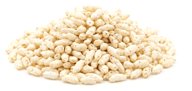
Puffed rice · murmura
Rice grains that are heated under pressure so that they swell into light, crisp pieces. Indian cooks use it as a topping or mix-in for snacks such as bhel and chivda, and it can also be eaten on its own as a light snack.

Pulao
A one-pot rice dish in which rice is simmered with meat, vegetables or both, so the grains absorb the flavours of the other ingredients. Indian cooks serve it as a everyday meal or as part of a festive spread.

Pulses (legumes) · dal
Pulses is the collective name for dried lentils, beans and split peas. Indian cooks call them dal and use them as a major source of protein, typically cooking them into soupy stews or side dishes.
R

Raita
A cooling side dish made by folding vegetables or fruit into plain yoghurt. Indian cooks serve it alongside curries, rice and breads to balance rich or spicy food.

Rasam powder · rasam podi
A South Indian spice blend used to flavour rasam, the thin tamarind and pepper broth. It is usually made from roasted dried red chillies, black pepper, coriander seeds, cumin, fenugreek, curry leaves and sometimes split pigeon peas, then ground to a powder. Cooks stir a spoonful into hot rasam or use it to season other lentil dishes.

Rice flour · chawal ka atta
Rice flour is a fine powder made by milling rice. In south India it is combined with ground lentils and fermented for dosai and idli batters, and it also thickens sauces or forms a batter for crisp fritters.

Ridged gourd · turai
A long, dark-green fruit with deep ridges, a thick skin and soft flesh. Indian cooks usually remove the skin, which can be tough, and use the flesh in curries and stir-fries; the skin is sometimes made into chutney.

Roasting Spices
Roasting spices means heating whole or ground spices, seeds or nuts in a dry pan, sometimes with a little ghee, until they smell fragrant and colour slightly. Indian cooks do it at the start of many dishes to deepen flavour, stirring often and removing the spices before they scorch.

Rose petals · Gulab ke phool
Dried rose petals are used in Indian cooking in ground form for savoury dishes, scattered over rice preparations, and steeped to make cooling sherbets.

Rose water · gulab jal
A perfumed liquid made by distilling fresh rose petals. Indian cooks add it sparingly to sweets and chilled drinks, and it also appears in certain Mughal-style dishes.
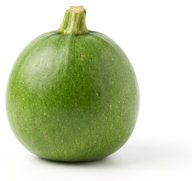
Round gourd · tinda
A small green gourd native to India, with pale flesh and soft edible seeds. Indian cooks use it in curries and dry vegetable dishes, and the seeds can be roasted.
S

Saffron · kesar
Saffron consists of the dried stigmas of a crocus flower. It gives a delicate flavour and a strong yellow-orange colour, so Indian cooks use a small pinch in biryani, pulao, kheer and other sweets, often steeped in warm milk first.

Sago · sabudana
Sago is a starch product sold as tiny white beads, obtained from the core of a palm-like tree. It tastes bland and creamy. Indian cooks soak the beads and cook them in savoury snacks such as sabudana khichdi and vadas, and in sweet puddings.
Scoville scale
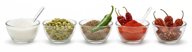
A measure of how hot a chilli is: the number of times an extract of it must be diluted in sugar water before the heat can no longer be tasted. A sweet bell pepper scores 0, a Kashmiri chilli about 1,000 to 2,000, a fresh green chilli tens of thousands and the bhut jolokia of Assam over a million. On each dish page we work out the heat of the finished dish the same way: the Scoville of each chilli, weighted by its share of the cooked weight, so a few chillies in a big pot of dal read milder than the same chillies in a small chutney. The chillies the recipes use, mildest first:
| Chilli | Scoville |
|---|---|
| Kashmiri red chilli | 1,000–2,000 |
| Mild dried red chilli | 1,000–5,000 |
| Jalapeño chilli | 2,500–8,000 |
| Fresh red chilli | 5,000–50,000 |
| Green chilli | 5,000–50,000 |
| Dried red Goa chilli | 10,000–30,000 |
| Dried red chilli | 10,000–50,000 |
| Cayenne pepper | 30,000–50,000 |
| A sweet bell pepper | 0 |

Semolina flour · rava (sooji)
A coarse flour milled from durum wheat. Indian cooks use rava or sooji for upma, halwa, idli and crisp dosas, and it can replace ordinary wheat flour in some recipes.

Sesame seeds · til
Sesame seeds are the small seeds of the sesame plant, sold in white and black forms. They have a rich, nutty taste due to their oil content, and Indian cooks use them in modest amounts to thicken dishes and to make sweets and snacks.

Sharashi
A pair of iron tongs with curved arms, used to grip hot cooking vessels safely. Indian cooks keep them near the stove for lifting or steadying heavy pots and pans over direct heat.

Sherbet · Sharbat
A sweet syrup made by dissolving sugar in water and mixing in fruit juice, pulp or flower extract. Indian cooks serve it diluted with water or milk, usually chilled, as a drink, and it can also flavour desserts.
- Heat 500 ml water with 500 g sugar until the sugar dissolves.
- Cool, then stir in 250 ml fruit juice or pulp, or strained flower infusion.
- Bottle and chill; dilute to taste before serving.

Silver foil · varak
A very thin, edible sheet of silver used as a decoration. Indian cooks lay it over sweets, some savoury dishes and paan; it has no real taste and is purely ornamental.
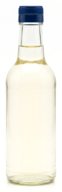
Sirka
Sirka is vinegar used in Indian cooking. It is made from sources such as coconut, sugarcane or jamun, and cooks use it to add a sour taste and to help preserve foods.

Snake gourd · chichinda
A long green fruit with soft skin and white flesh, slightly bitter in taste. Indian cooks use it as a vegetable, slicing it into curries, stir-fries and lentil dishes.

Sorrel leaves · Gongura
Sour, slightly astringent leafy greens from the roselle plant. In Andhra Pradesh and Telangana they are cooked with lentils, made into pachadi or chutney, and sometimes paired with meat or dried fish.
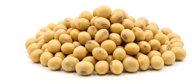
Soya beans
A small round pulse, available fresh and green or dried in yellow and black varieties. Indian cooks mainly use the black type: in Uttarakhand it is boiled like a lentil, and it is also dry-roasted as a snack. It is processed into foods such as tofu and soya milk.

Star anise · chakra phool
Star anise is a spice taken from the dried fruit of an East Asian shrub. The fruit forms a five-pointed star with glossy seeds and has a liquorice-like flavour similar to aniseed. Indian cooks add it whole to Kashmiri, Chettinad and Goan dishes so it can flavour the cooking liquid, but it is not meant to be eaten.

Sterilizing jars
Sterilizing jars means cleaning jars and lids so that nearly all micro-organisms are killed before they are filled. Indian cooks do this when making pickles, chutneys and jams to help the preserves keep without spoiling.
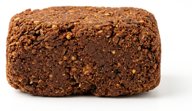
Succh bari
Succh bari is a firm cake of aromatic spices used in Kashmiri cooking. Cooks crumble a small piece into a dish while it cooks to give a distinctive flavour. It is traditionally made at home but is also sold ready-made in Indian shops.

Sugar cane juice · ganne ka ras
The sweet liquid obtained by pressing sugar cane. In India it is drunk fresh, often from street vendors, and is also used to sweeten drinks and desserts.

Sugar syrup · chashni
A syrup made by dissolving sugar in hot water and boiling it to a chosen thickness. Indian cooks use it as chashni to soak sweets such as gulab jamun and jalebi, glaze desserts, and sweeten drinks.
- Put 200 g sugar and 200 ml water in a pan.
- Heat gently, stirring until the sugar has dissolved.
- Raise the heat and boil without stirring until the syrup reaches the thickness you need, skimming off any foam.
- Use warm or cool as the recipe requires.
T

Tamarind · imli
Tamarind is a pod fruit with a sticky, sharply sour pulp. Indian cooks use it to add sourness to dals, chutneys, rasam and curries. It is sold as a concentrate or as dried de-seeded pulp, which can be ground, mashed or steeped in water to draw out its flavour.

Tandoor
A tandoor is a clay oven, traditionally fuelled by charcoal and now often electric. Indian cooks use its high, controllable heat to bake breads and to roast or grill foods.

Tandoori masala
A ground spice blend with a warm aroma and noticeable heat. Indian cooks use it as a rub or seasoning for chicken, paneer and vegetables cooked in a clay oven, and sometimes sprinkle it over dishes afterwards.

Tawa
A heavy, flat metal pan, usually made of iron, that is heated directly over a flame. Indian cooks use it for dry-roasting breads, shallow-frying, and giving spiced patties or kebabs a final sear.

Tempering · tadka
Tempering means heating whole or ground spices briefly in hot oil or ghee until they become fragrant. Indian cooks often do this in a small pan and pour the spiced fat over a finished dish, or stir it in near the end of cooking.

Thali
A large round plate used for eating and serving a meal. Traditionally it is made from metals such as brass or bell metal, though stainless steel is now common. Indian cooks use it to present a full meal, often with several small bowls arranged on it.

Tinda
A small, pale green gourd with firm, mild flesh. Indian cooks often stuff it, stir-fry it, or cook it in curries with spices and yoghurt.
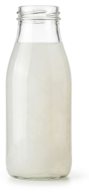
Toddy · Kallu
Toddy is a mildly alcoholic drink made from fermented palm sap, and sometimes from fermented coconut water. Indian cooks use it mainly as a natural leavening agent for batters such as appam and kallappam. It has traditionally been regarded as strengthening for people who are unwell.

Toor
Toor is split yellow pigeon peas, a everyday lentil in Indian cooking. Cooks boil it for dal and use it in dishes such as sambar, often with turmeric and a tempering of spices.

Turmeric · Haldi
A spice made by grinding the rhizome of the turmeric plant into a bright yellow powder. Indian cooks use it in most curries and pickles, where it gives a warm, dry flavour, and it is also valued for its antiseptic properties.
U

Ulta tawa
Ulta tawa is an inverted, domed griddle linked to Awadhi cooking. It is used to cook a distinctive kind of paratha.

Urad dal
A small, oblong pulse with a black skin and creamy white interior, sold whole or split. Indian cooks use it in curries and dals, and the skinned white version, which has a milder flavour, is ground for batters, pastes and flour. It is a key ingredient in dishes such as idli, dosa, vada and papad.
V

Vada
Savoury fritters made from soaked and ground pulses, usually urad dal, which are shaped and fried until crisp. Indian cooks serve them as a snack with chutney or sambar, and in some northern regions they are also eaten with yoghurt.
W

Water Chestnuts (Green) · singhara
Small, crisp aquatic corms that can be eaten raw or cooked in a spicy, aromatic sauce. Indian cooks also dry and grind them into flour, which is used in fasting dishes and other recipes.
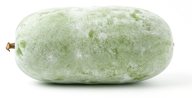
Waxy gourd · parval
A vegetable with a pale, waxy skin and white flesh; the skin helps it keep for several months. Indian cooks use it in curries, pickles and other dishes.

Wearing gloves
A protective measure used when handling raw ingredients that can irritate or numb the skin. Indian cooks may wear gloves when preparing colocasia leaves or roots and when cutting a whole jackfruit, whose sticky white sap can dull sensation in the hands.

Wheat germ
The embryo part of wheat grains, taken out before the grain is milled into flour. Indian cooks use it in baking with other flours, especially in rich, chewy desserts from Awadh.
Y

Yam · suran
A large edible tuber with rough brown skin and firm, dense flesh. Indian cooks use it widely, often braising it until dry or simmering it in a gravy.

Yoghurt · Curd
A fermented milk product thickened by a culture. Indian cooks commonly call it curd and serve it plain, sweetened, or diluted as lassi; it also appears in marinades and sauces.
- Cooked yoghurt: Warm a small amount of ghee in a pan on a low flame, add the yoghurt and stir until it turns pale brown, then take it off the heat.
- Hung yoghurt: Put a clean muslin cloth in a sieve and add the yoghurt. Gather the cloth into a bag, tie it, and suspend it over a bowl to catch the whey; leave for about 30 minutes for a thicker result or up to a day in the fridge for a firm solid.
- Sour yoghurt: Stir a few drops of lemon juice or vinegar into yoghurt.