Indian cooking
Dhansak (All-In-One Lamb, Dal, Vegetable & Rice Curry)

Dhansak

All-In-One Lamb, Dal, Vegetable & Rice Curry
Non-vegetarian●●●Origin ParsiPrep 1¾ hours, plus soaking timeCook 1½–2 hours

An iconic Parsi celebration dish of succulent lamb stewed with lentils and vegetables, paired with spiced fried meatballs and sweet caramelised basmati rice. Rich, hearty, and layered with sweet, sour, and savoury notes.

Kavab spices and aromatics

17 gMixed into the kavab meat mixture (step 1)
Combine into a smooth paste ready to blend into the mince.

Whole spices for the rice

3.3 gStirred into the fried onions with the rice (step 4)
01
2.6 g2 pieces
spice
02
0.7 g10 cloves
spice
Leave whole; they are fried directly in the ghee.

Garlic paste for the curry

16 gFried with the sliced onions and ginger (step 5)
Keep as a smooth paste ready for the pan.

Spices for the dal and lamb

4.6 gAdded to the browned meat and vegetables (step 6)
01
2.6 g1 teaspoon
spice
02
1.5 g½ teaspoon
spice
03
0.5 g10 peppercorns
spice
Leave peppercorns whole with the ground spices ready to add together.

Tempering spices

4.1 gBloomed in the melted butter (step 8)
01
2.1 g1 teaspoon
spice
Leave whole to sizzle in the hot butter.

Everything else

01
200 g
oil/fat
02
200 g
vegetable
03
8 g1 tablespoon
aromatic
04
750 g
meat
05
Pigeon peas · Toor Dalrinsed and drained
100 g
legume
06
Red lentils · Masoor Dalrinsed and drained
100 g
legume
07
Potato · Aloocut into cubes
50 g
vegetable
08
Aubergine · Baingantrimmed and cut into slices
100 g
vegetable
09
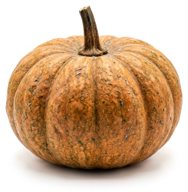
Pumpkin · Kaddupeeled, de-seeded and cut into small pieces
100 g
vegetable
10
300 g
vegetable
11
Green chilli · Hari Mirchde-seeded and chopped
12 g2 chillies
vegetable
13
49 g3½ tablespoons
dairy
14
to taste
salt
15
20 g
herb
16
75 g3 pieces
grain
18
100 g
vegetable
19
~1 g1 sprig
herb
20
3 g2 tablespoons
herb
21
Green chilli · Hari Mirchde-seeded and chopped
24 g4 chillies
vegetable
22
32 g2 tablespoons
souring agent
23
50 g1 egg
egg
24
Gheefor deep-frying
to taste
oil/fat
25
150 g
grain
26
400 g
grain
27
21 g5 teaspoons
sweetener
28
125 g
oil/fat
29
125 g
vegetable

Method

  1. Cover 400 g basmati rice with cold water and soak for 30 minutes, then drain thoroughly. In a separate bowl, moisten 3 slices of bread in water for 30 seconds, squeeze out the liquid, and transfer to a large bowl. Add 300 g minced lamb, 100 g chopped onion, 1 g chopped coriander leaf, 2 tbsp chopped mint, 24 g chopped green chilli, 2 tbsp flour, 1 beaten egg, and the kavab spices and aromatics. Mix until thoroughly incorporated.
  2. Form the meat mixture into small, flat rounds using moistened hands. Spread 150 g breadcrumbs onto a plate and coat each patty completely. Heat ghee for deep-frying in a deep pan to 180°C (350°F), reduce the heat to low, and fry the patties in batches for 3 to 4 minutes until deep golden and cooked through. Transfer to paper towels to drain.
  3. Set the oven to 180°C (350°F / Gas Mark 4). In a small saucepan over medium heat, stir 21 g granulated sugar continuously until it caramelises into a deep amber syrup. Pour in 180 ml water and simmer for 2 to 3 minutes until completely dissolved and uniform.
  4. In a heavy, oven-safe casserole, melt 125 g ghee over medium heat and cook 125 g chopped onion for 5 to 7 minutes until golden brown. Scoop out half of the onions and set aside for later. To the remaining onions in the pot, add the whole spices for the rice and the drained basmati rice, season with salt, and fry for 1 minute. Pour in the prepared caramel syrup and 625 ml water, bring to a boil, then simmer over low heat for 4 to 5 minutes until the surface liquid is absorbed. Cover tightly with a damp cloth and a lid, then transfer to the oven to steam for 15 minutes.
  5. In a large Dutch oven or handi, heat 200 g ghee over medium heat. Add 200 g sliced onion, 7.5 g chopped ginger, and the garlic paste for the curry, stirring for 2 minutes.
  6. Add 750 g lamb pieces to the pot and brown for 10 minutes. Stir in 100 g toor dal, 100 g masoor dal, 50 g cubed potato, 100 g sliced aubergine, 100 g diced pumpkin, 300 g chopped tomato, 12 g chopped green chilli, the spices for the dal and lamb, and a seasoning of salt, cooking for 2 to 3 minutes. Pour in 1.5 litres water, bring to a rolling boil, then reduce the heat, cover, and simmer for 60 to 90 minutes until the lamb is tender and the lentils have broken down completely.
  7. Remove the lamb pieces from the pot and set aside. Press the softened lentils and vegetables through a fine sieve into a clean saucepan to create a smooth, velvety puree. Stir in 15.6 g tamarind extract and adjust salt to taste.
  8. Melt 49.4 g butter in a broad pan over medium heat. Add the tempering spices and 4 tsp Dhansak Masala, frying for 30 seconds until fragrant. Pour in the pureed dal and return the cooked lamb to the pan. Bring to a boil, then turn the heat down to low and simmer for 5 minutes. Garnish with 20 g chopped coriander leaf and the reserved browned onions, and serve hot alongside the caramelised rice and kavabs.

Don't have something?

Ghee
  • Unsalted butter

    Use 120% of the weight; melt gently over low heat to avoid burning the milk solids, which will yield a softer, creamier richness rather than a nutty aroma.

  • Vegetable oil

    Use 85% of the weight; holds high cooking temperatures without smoking, but the final dish will lack traditional dairy depth.

  • Mustard oil

    Use equal weight; heat to smoking point and cool slightly before cooking, bearing in mind it introduces an assertive, pungent edge.

Onion
  • Shallot

    Use equal weight, finely sliced. Shallots soften and brown faster, giving a slightly sweeter and more delicate base to curries.

  • Cabbage

    Use 80% of the weight, finely shredded and browned slowly with a pinch of asafoetida. Replicates the bulk and natural sweetness in gravies without allium.

Ginger
  • Fresh ginger

    Use equal weight; scrape off the skin and grate or finely julienne according to the recipe.

  • Ginger paste

    Use equal weight; stir straight into the sizzling aromatics, taking care as the extra moisture may spit.

  • Ground ginger

    Use 15 to 20% of the weight; add alongside ground spices, noting it imparts warm, dry heat rather than zesty freshness.

Garlic paste
  • Garlic

    Use equal weight; crush or finely grate to a smooth pulp to replicate the same fresh, pungent moisture in your base gravy.

  • Garlic powder

    Use 20 to 25% of the weight; mix with a teaspoon of water before adding to oil so it does not burn, noting it lacks the fresh bite.

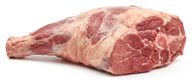
Leg of spring lamb
  • Leg of lamb

    Use the same weight; add 10–15 minutes cooking, as it is less tender.

  • Lamb shoulder

    Use the same weight; more fat, so cook 15–20 minutes longer and skim the fat.

  • Leg of goat

    Use the same weight; much stronger and tougher, so cook 20–25 minutes longer.

Toor dal
  • Red lentils

    Use equal weight. Cooks considerably faster and breaks down into a softer, creamier consistency with an earthier taste.

  • Chana dal

    Use equal weight. Requires longer soaking and cooking; remains firmer with a nuttier bite and less starchy thickening.

  • Split mung beans

    Use equal weight. Cooks quickly to a lighter, more delicate, and silky texture.

Masoor dal
  • Split mung beans

    Use equal weight; cooks down to a creamy, comforting purée in roughly the same 20-25 minutes, with a paler yellow colour.

  • Pigeon peas

    Use equal weight; needs 15 minutes longer cooking or pressure cooking, producing a slightly grainier, nuttier dal.

  • Chana dal

    Use equal weight; pre-soak for 1 hour and cook for 20 minutes longer; stays whole rather than breaking down into a silky soup.

Potato
  • Eggplant

    Use equal weight. Cut into large chunks; cooks down much faster (10-12 minutes) and softens into the sauce rather than staying starchy and firm.

  • Paneer

    Use 80% of the weight. Cube and add in the last 5-10 minutes of cooking; adds rich dairy protein instead of starchy bulk.

  • Dried chickpea

    Use 45% dry weight. Soak overnight and boil until fully soft before stirring into the sauce to simmer for 10 minutes.

Aubergine
  • Baby aubergine

    Use the same weight; halve or quarter and cook 2–3 minutes longer. They hold their shape better in the sauce.

  • Small aubergine

    Use the same weight; slice or cube to the recipe's size. Similar flesh, slightly firmer.

  • Round aubergine

    Use the same weight; cube and salt for 10 minutes if the recipe does. It absorbs oil a little more.

Pumpkin
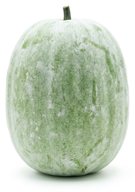
  • Ash gourd

    Use the same weight; peel and cube. Firmer and less sweet, so cook 5–10 minutes longer and taste for sugar.

  • Sweet potato

    Use the same weight; peel and cube. Sweeter and starchier; reduce added sugar and cook until just tender.

  • Courgette

    Use the same weight; cut larger chunks. Watery and soft, so cook 5 minutes less and reduce liquid.

Tomato
  • Tomato purée

    Use 40% to 50% of the fresh tomato weight mixed with a splash of water. Imparts a deeper red colour, thicker sauce, and slightly sweeter cooked flavour.

  • Plain yogurt

    Use 60% of the weight, whisked smooth and added on low heat. Provides rich body and sourness, though the gravy becomes paler and creamier.

Chilli powder
  • Red chilli powder

    Use 100% of the weight. Provides direct, sharp heat and red colour in equal measure.

  • Kashmiri chilli powder

    Use 150% to 200% of the weight if matching colour, but add a pinch of black pepper or hot chilli if you need equivalent fiery heat.

  • Cayenne pepper

    Use 75% to 100% of the weight. Offers a sharp, clean heat with slightly less earthy depth and less crimson colour.

Ground turmeric
  • Ground ginger

    Use 50% of the weight. Mimics turmeric's warm, earthy, rhizome background, but provides none of the golden-yellow colour.

  • Saffron

    Steep a tiny pinch (0.1 g per 2 g turmeric) in 2 tbsp warm water; use to match the rich golden hue. Contributes an aristocratic, honeyed floral flavour rather than earthy bitterness.

Green chilli
  • Chilli powder

    Use 10 to 15% of the weight (about 1/4 teaspoon per chilli); imparts dry pungent heat and reddens the dish without the grassy crunch.

  • Dried red chilli

    Use 1 dried pod per fresh green chilli; snap in half and temper in hot oil for a deeper, toastier heat.

Black peppercorn
  • Coarsely ground black pepper

    Use 75% of the weight. Add midway through simmering; spreads heat evenly through the dish instead of delivering isolated bursts.

  • Ground black pepper

    Use 50% of the weight. Stir in near the end of cooking; significantly darkens light gravies and provides an immediate, sharp bite.

Tamarind extract
  • Tamarind

    Use 180% of the weight of compressed tamarind; soak in three times its weight of boiling water for 15 minutes, knead, and strain out the thick pulp.

  • Dried mango powder

    Use 35% of the weight dissolved in two tablespoons of warm water. Provides sharp tang, though the resulting sauce will be lighter in colour.

  • Lemon juice

    Use equal weight, added right at the end of cooking. Adds sharp acidity without the deep brown hue or pulpy thickness.

Butter
  • Unsalted butter

    Use 100% of the weight. If the original recipe relies on salted table butter, add a pinch of salt to balance.

  • Ghee

    Use 80% to 85% of the weight. Ghee is pure butterfat with moisture removed; it yields a deeper, nuttier flavour and handles high heat better.

  • Vegetable oil

    Use 80% of the weight for frying or tempering. The dish loses sweet dairy richness but remains glossy and light.

Cumin seed
  • Ground cumin

    Use 70% of the weight; add with ground spices or sauce bases rather than hot oil tempering, where it scorches quickly and turns bitter.

  • Black cumin seeds

    Use equal weight for oil tempering. Delivers an earthy profile with an additional musky, smoky, and slightly bitter edge.

  • Fennel seed

    Use 60% of the weight for tempering; offers comparable warm aroma, but leans sweet and liquorice-like rather than savoury and earthy.

Dried red chilli
  • Dried kashmiri chilli

    Use equal weight whole. Fry in hot oil or ghee as tempered spice; gives a richer red colour with slightly milder heat.

  • Red chilli powder

    Use 50% to 70% of the weight. Stir into the oil with ground spices; distributes heat evenly throughout the dish without whole chilli skins.

Dhansak masala
  • Garam masala

    Use 60% of the weight and add a pinch each of ground cumin and ground coriander; less sour and less chilli-hot.

  • Lentil stew spice mix

    Use 75% of the weight; more tart and spicy, so taste before adding more.

  • Chettinad sambhar powder

    Use 60% of the weight; peppery and pungent, with a different southern spice profile.

Coriander leaf
  • Coriander

    Use equal weight finely chopped; this is the exact same fresh herb.

  • Mint

    Use half the weight finely chopped; provides vibrant green freshness, though the flavour profile becomes noticeably cooler and sharper.

Bread slice
  • White bread

    Use the same weight, about 30 g per slice; cut to the same shape and trim crusts if the recipe needs soft bread.

  • Bread roll

    Use the same weight; it is denser and sweeter, so press it thin if the recipe layers it.

  • Chapati

    Use the same weight; soften briefly in water if the recipe needs bread-like texture. It will be flatter and less absorbent.

Minced lamb
  • Ground lamb

    Use the same weight; it is the same thing under another name and cooks identically.

  • Minced chicken

    Use the same weight; it is leaner, so add 1 tbsp oil and cook 3–4 minutes less.

  • Boneless lamb

    Mince at home; use the same weight. Keep some fat for juiciness and cook until browned.

Ginger paste
  • Fresh ginger

    Use equal weight; peel and grate very finely on a microplane or pound to a fine paste in a mortar.

  • Ginger

    Use equal weight; mince finely and crush with the flat of a knife before frying.

  • Ground ginger

    Use 20% of the weight; add directly with the dry spice powders, though it yields an earthier, less pungent profile.

Mint
  • Dried mint

    Use about 30% of the weight of fresh mint. Rub between your palms to crush before stirring in; the flavour will be more intensely herbal and less bright.

  • Coriander leaf

    Use equal weight, finely chopped. Adds fresh citrusy green notes, but lacks the cooling menthol lift.

Worcestershire sauce
  • Soy sauce

    Use the same weight; it is saltier, so reduce added salt and taste before finishing.

  • Vinegar

    Use 60–70% of the weight; it is sharper, so add a pinch of sugar to soften it.

  • Tamarind extract

    Use 50% of the weight; it gives sourness but not the same savoury depth, so adjust salt and sugar.

Egg
  • Chickpea flour

    For binding, use about 10 g chickpea flour mixed with 20 ml water per egg and rest for 10 minutes. Denser and nuttier; not suitable for baking or coating in the same way.

  • Full-fat natural yoghurt

    Use about 30 g per egg for moisture and binding in koftas or fillings. Adds tang and softness; will not set or glaze like egg.

  • Tofu

    Use the same weight, mashed, for egg-like bulk in curries. Soft and bland; add extra spices and do not expect it to bind.

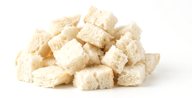
Dried breadcrumb
  • Fresh breadcrumbs

    Use the same weight, but adjust liquid slightly as they are moister. Softer set; good for binding.

  • Bread slice

    Use the same weight of stale bread, whizz to crumbs and dry in a low oven. Closest texture to dried crumbs.

  • Coarse semolina

    Use about 70% of the weight and rest briefly before cooking. Grittier and absorbs more liquid; use for crunch or binding, not for coating.

Basmati rice
  • Plain boiled rice

    Use 2.5 times the weight if substituting pre-cooked rice. Fold in gently at the end of the recipe; grains will be shorter and less fragrant.

Granulated sugar
  • Jaggery

    Use equal weight; grate or shave finely so it dissolves rapidly, giving a warm, caramel-like sweetness and slightly darker sauce.

Cassia bark
  • Ceylon cinnamon

    True cinnamon: thinner, papery quills, milder and sweeter. Use about 1.5 times the weight, and taste.

  • Ground cinnamon (cassia)

    Use about a third of the weight (0.5 g ground for a 2.5 cm piece), stirred in with the ground spices rather than fried whole, since the powder burns quickly.

  • Cassia buds

    Use 60-70% of the weight; stronger and more peppery, so taste before adding more.

Clove
  • Ground cloves

    Use 1 g ground for 4 g whole (or 1 small pinch per 2 to 3 whole cloves). Add with spice powders; disperses intense warmth quickly, so use with restraint.

  • Allspice berries

    Use 100% of the weight whole in tempering. Imparts a warm, clove-like aromatic profile combined with hints of nutmeg and cinnamon.


  • Black cardamom pod

    Use 1 pod for 3 to 4 cloves in whole tempering. Shares a camphor-like warmth and medicinal depth, though it introduces a distinct smoky undertone.

Similar dishes

Kacchi Biryani
Saffron-flavoured Meat Cooked with Rice
Kacchi Biryani has a warm, fragrant spice profile dominated by cardamom, mint, and lactic tang, lacking the sweet-sour tamarind notes and earthy lentil richness of this dish.
  • Same: Kacchi Biryani shares the core combination of lamb, basmati rice, and ghee, seasoned with ginger, garlic, onions, green chillies, cinnamon, and cloves.
  • Different: Rather than stewing lamb with lentils, potatoes, tomatoes, and tamarind, Kacchi Biryani marinates raw meat in yogurt and papaya to steam directly under the rice in a sealed pot, omitting dal and sugar.
Shahi Biryani
Imperial Biryani
Shahi Biryani tastes aromatic and rich from saffron, yogurt, and whole spices, with less sourness and no dal or vegetable sweetness compared with this dish's sweet, sour, and savoury tamarind-tomato profile.
  • Same: Shahi Biryani shares lamb, basmati rice, ghee, ginger paste, garlic paste, turmeric, and whole warm spices with this dish.
  • Different: Shahi Biryani lacks this dish's toor and masoor dal, potato, aubergine, pumpkin, tomato, tamarind, dhansak masala, meatballs, breadcrumbs, egg, and Worcestershire sauce, while it adds saffron, plain yogurt, black cardamom, bay leaf, and a dough seal and is cooked as a layered sealed rice dish rather than a stew with separate rice and meatballs.
Mysore Masala Dosa
Rice Pancakes from Mysore
Mysore Masala Dosa tastes crisp, savoury and mildly tangy from fermentation with warm spices and a potato-pea filling, while this dish is rich, hearty and layered with sweet, sour and savoury notes from lamb, dal and caramelised rice.
  • Same: Mysore Masala Dosa shares rice, lentils, onion, ginger, green chilli, turmeric, cumin, dried red chilli, mint, and butter or ghee with this dish.
  • Different: Mysore Masala Dosa uses a fermented rice, urad dal, chana dal and fenugreek batter cooked as crisp crêpes with a potato-pea masala and coconut chutney, and it lacks this dish's lamb, meatballs, tamarind extract, dhansak masala, Worcestershire sauce, egg and breadcrumbs.
Keema Khichari
Savoury Minced (Ground) Meat Pulao
Keema Khichari tastes savory and aromatic with a lime-and-yogurt tang and saffron perfume, while this dish is richer and more sweet-sour from tamarind, caramelised sugar, lentils and vegetables.
  • Same: Both pair lamb with basmati rice and build flavor with onion, ginger-garlic paste, coriander leaf, and warm spices such as cinnamon and clove.
  • Different: Keema Khichari is a minced-lamb pulao with yogurt, poppy seed, saffron milk and lime juice, while this dish is a lamb, dal and vegetable stew with tamarind, dhansak masala, fried meatballs and sweet caramelised rice.