Indian cooking
Indian cooking / Dishes / Kacchi Biryani
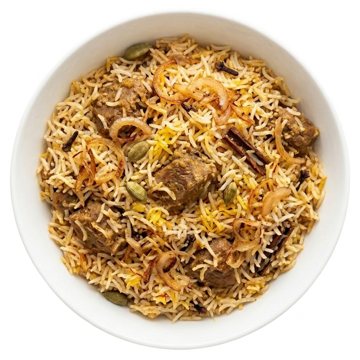
Kacchi Biryani (Saffron-flavoured Meat Cooked with Rice)

Kacchi Biryani

Saffron-flavoured Meat Cooked with Rice
Non-vegetarianOrigin HyderabadPrep 1 hour 20 minutes, plus marinating and soaking timeCook 50 minutes

A classic layered biryani where raw, tenderised lamb is slow-cooked under a blanket of parboiled rice, infused with saffron, ghee, and warming whole spices.

Marinade spices

22 gStirred into the yogurt marinade in step 2
01
2.6 g1 teaspoon
spice
03
0.3 g4 cloves
spice
04
2.6 g2 pieces
spice
Keep whole spices intact and combine with the pastes.

Layering spice

2.2 gDusted over the meat and rice layers in step 5
01
2.2 g1 teaspoon
spice
Keep as a ground powder.

Everything else

01
100 g
oil/fat
02
450 g3 onions
vegetable
03
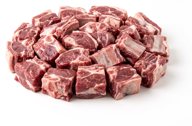
Lamb · Goshtcut into 5-cm / 2-inch pieces
1000 g
meat
04
9 g1 tablespoon
fruit
05
129 g125 ml
dairy
06
1000 g
grain
07
Milk · Doodhplus a little extra
259 g250 ml
dairy
08
~100 g1 bunch
herb
09
~1 g1 sprig
herb
10
36 g6 chillies
vegetable
11
120 g4 limes
souring agent
13
to taste
salt

Method

  1. Heat 100 g ghee in a heavy-based pan over medium heat. Fry 450 g onion for 5–7 minutes until deep golden brown. Lift out the onions, crush half of them to a paste, and reserve the remainder along with the ghee in the pan.
  2. Place 1000 g lamb into a wide bowl and rub all over with 1 tablespoon ground unripe papaya. Add 129 g yogurt, the marinade spices, 1 teaspoon ground caraway seeds, the crushed onions, and salt to taste. Mix thoroughly, then cover and chill in the refrigerator for 1 hour, turning the meat once after 25 minutes.
  3. If baking, preheat the oven to 150°C (300°F). Soak 1000 g basmati rice in salted water for 20 minutes, then drain. Bring a large pot of salted water to the boil, add the rice, and cook for 12–15 minutes until parboiled. Drain thoroughly, reserving 375 ml of the cooking water.
  4. Lightly crush 1 teaspoon saffron in a small cup and stir in a splash of milk.
  5. Arrange the marinated lamb across the base of a large heavy casserole or ovenproof pot. Pour over half of the 259 g milk, the reserved 375 ml cooking water, and the saffron milk. Scatter over the reserved fried onions with their ghee, 100 g coriander leaf, 1 g mint, 36 g green chilli, half of the layering spice, and the juice from 4 limes. Spread the parboiled rice over the top, then finish with the remaining layering spice and a pinch of salt.
  6. Fit the lid tightly and lute the edges with 150 g dough to trap the steam. Cook over medium heat for about 10 minutes until sizzling sounds are heard inside. Lower the flame, place a heavy griddle under the pot, and cook gently for 35–40 minutes (or bake in the oven at 150°C / 300°F). Check doneness by opening the seal and probing the base with a spoon; if any liquid remains at the bottom, continue cooking until fully absorbed. Keep covered until ready to serve.

Don't have something?

Ghee
  • Unsalted butter

    Use 120% of the weight; melt gently over low heat to avoid burning the milk solids, which will yield a softer, creamier richness rather than a nutty aroma.

  • Vegetable oil

    Use 85% of the weight; holds high cooking temperatures without smoking, but the final dish will lack traditional dairy depth.

  • Mustard oil

    Use equal weight; heat to smoking point and cool slightly before cooking, bearing in mind it introduces an assertive, pungent edge.

Onion
  • Shallot

    Use equal weight, finely sliced. Shallots soften and brown faster, giving a slightly sweeter and more delicate base to curries.

  • Cabbage

    Use 80% of the weight, finely shredded and browned slowly with a pinch of asafoetida. Replicates the bulk and natural sweetness in gravies without allium.

Lamb
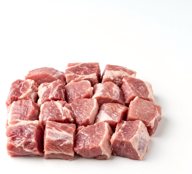
  • Pork

    Use equal weight of pork shoulder or collar; cut into identical cubes and braise, reducing cooking time by 15-20 minutes.

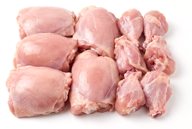
  • Chicken

    Use equal weight of bone-in chicken thighs; curry simmers in roughly 25 minutes instead of over an hour, with a much lighter sauce.

Unripe papaya
  • Plain yogurt

    Use equal weight when needed as a meat tenderiser in marinades; softens meat effectively via lactic acid, though it lacks the enzyme strength of papain.

  • Cabbage

    Use equal weight, shredded, when used raw or stir-fried in slaws and sambharo. Provides similar crunch, though it is slightly softer and sweeter.

Yogurt
  • Plain yogurt

    Use 100% of the weight. Whisk thoroughly until smooth before stirring into warm gravies to prevent curdling.

  • Single cream

    Use 90% of the weight combined with 10% lemon juice to replicate the lactic tang and rich body in marinades and curries.

Chilli powder
  • Red chilli powder

    Use 100% of the weight. Provides direct, sharp heat and red colour in equal measure.

  • Kashmiri chilli powder

    Use 150% to 200% of the weight if matching colour, but add a pinch of black pepper or hot chilli if you need equivalent fiery heat.

  • Cayenne pepper

    Use 75% to 100% of the weight. Offers a sharp, clean heat with slightly less earthy depth and less crimson colour.

Green cardamom pod
  • Green cardamom seed

    Use 35 to 40% of the total pod weight; lightly bruise the seeds before frying in oil to release their essential oils.

  • Ground green cardamom

    Use 20 to 25% of the pod weight (about 1 generous pinch per pod); stir in toward the end of cooking so the delicate floral notes do not dissipate.

  • White cardamom pod

    Use 1:1 by pod count or weight; crack gently before using, though it is slightly less intensely floral.

Clove
  • Ground cloves

    Use 1 g ground for 4 g whole (or 1 small pinch per 2 to 3 whole cloves). Add with spice powders; disperses intense warmth quickly, so use with restraint.

  • Allspice berries

    Use 100% of the weight whole in tempering. Imparts a warm, clove-like aromatic profile combined with hints of nutmeg and cinnamon.

  • Black cardamom pod

    Use 1 pod for 3 to 4 cloves in whole tempering. Shares a camphor-like warmth and medicinal depth, though it introduces a distinct smoky undertone.

Cassia bark
  • Ceylon cinnamon

    True cinnamon: thinner, papery quills, milder and sweeter. Use about 1.5 times the weight, and taste.

  • Ground cinnamon (cassia)

    Use about a third of the weight (0.5 g ground for a 2.5 cm piece), stirred in with the ground spices rather than fried whole, since the powder burns quickly.

  • Cassia buds

    Use 60-70% of the weight; stronger and more peppery, so taste before adding more.

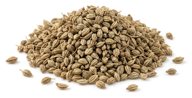
Caraway seeds
  • Fennel seed

    Same weight, lightly crushed; sweeter and milder but the closest match for the anise note.

  • Cumin seed

    Use two-thirds the weight; earthier and warmer, losing most of the aniseed character — good in breads and root vegetables.

  • Carom seeds

    Use half the weight; much more pungent and thyme-like, so add early in hot oil to soften it.

Garlic paste
  • Garlic

    Use equal weight; crush or finely grate to a smooth pulp to replicate the same fresh, pungent moisture in your base gravy.

  • Garlic powder

    Use 20 to 25% of the weight; mix with a teaspoon of water before adding to oil so it does not burn, noting it lacks the fresh bite.

Ginger paste
  • Fresh ginger

    Use equal weight; peel and grate very finely on a microplane or pound to a fine paste in a mortar.

  • Ginger

    Use equal weight; mince finely and crush with the flat of a knife before frying.

  • Ground ginger

    Use 20% of the weight; add directly with the dry spice powders, though it yields an earthier, less pungent profile.

Basmati rice
  • Plain boiled rice

    Use 2.5 times the weight if substituting pre-cooked rice. Fold in gently at the end of the recipe; grains will be shorter and less fragrant.

Saffron thread
  • Saffron powder

    Use the same weight; it disperses faster, so no steeping is needed. Add directly to warm milk or oil.

  • Ground turmeric

    Use a tiny pinch for colour only, about 1 g for 0.2 g saffron. It will not give saffron flavour.

  • Screwpine water or rosewater

    Use 1 tsp for a floral scent only. It does not replace saffron's colour or taste.

Milk
  • Whole milk

    Use equal weight; provides the standard rich dairy fat and body expected in creamy Indian bases.

  • Single cream

    Dilute 3 parts cream with 1 part water to match the weight; yields a richer, glossier gravy that resists curdling.

  • Plain yogurt

    Whisk thoroughly and use equal weight; adds extra body and a mild pleasant acidity, best added off the heat.

Coriander leaf
  • Coriander

    Use equal weight finely chopped; this is the exact same fresh herb.

  • Mint

    Use half the weight finely chopped; provides vibrant green freshness, though the flavour profile becomes noticeably cooler and sharper.

Mint
  • Dried mint

    Use about 30% of the weight of fresh mint. Rub between your palms to crush before stirring in; the flavour will be more intensely herbal and less bright.


  • Coriander leaf

    Use equal weight, finely chopped. Adds fresh citrusy green notes, but lacks the cooling menthol lift.

Green chilli
  • Chilli powder

    Use 10 to 15% of the weight (about 1/4 teaspoon per chilli); imparts dry pungent heat and reddens the dish without the grassy crunch.

  • Dried red chilli

    Use 1 dried pod per fresh green chilli; snap in half and temper in hot oil for a deeper, toastier heat.

Lime juice
  • Lemon juice

    Use equal volume or weight; slightly sweeter and less pungent, but otherwise an imperceptible swap.

  • Dried mango powder

    Use 25% of the weight; imparts dry, fruity sourness, best stirred in right at the end of cooking.

  • Tamarind extract

    Use 50% of the weight; delivers pleasant fruity tang but turns pale sauces considerably darker.

Dough
  • Plain boiled rice

    If dough was intended to accompany a curry (such as flatbreads), serve equal cooked weight of rice instead.

Similar dishes

Yakhni Pulao
Lamb Stock Pulao
Yakhni Pulao tastes milder, richer, and more delicate, lacking the sharp chilli heat and fresh herbal punch of this dish.
  • Same: Yakhni Pulao shares basmati rice, ghee, milk, yogurt, and whole spices like cinnamon, cloves, and cardamom with this dish.
  • Different: Rather than slow-cooking raw marinated lamb in sealed layers with unripe papaya, mint, and chillies, it cooks the rice in pre-made meat stock with bay leaves and lime juice.
Qorma Pulao
Curried Lamb Pulao
Qorma Pulao tastes milder and roundly spiced from the stewed curry, lacking the sharp herbal bite and fresh heat found in this dish.
  • Same: Both dishes slow-steam basmati rice and lamb with ghee, fried onions, yogurt, saffron milk, and whole spices like cardamom, cinnamon, and cloves under a dough-sealed lid.
  • Different: Qorma Pulao is layered with pre-cooked mutton curry rather than raw meat marinated in green papaya, and it omits ginger-garlic paste, fresh coriander, mint, and green chillies.
Hyderabadi Dum ki Biryani
Aromatic Slow-cooked Biryani
Hyderabadi Dum ki Biryani is richer, tangier, and distinctly floral from the cream, lemon juice, and rosewater, whereas this dish tastes more herbaceous and savoury with fresh mint and coriander.
  • Same: Both dishes layer meat with parboiled basmati rice to slow-cook in a dough-sealed pot using ghee, yogurt, milk, green chillies, ginger, garlic, cloves, cinnamon, and cardamom.
  • Different: Hyderabadi Dum ki Biryani incorporates single cream, lemon juice, rosewater, bay leaf, and ground mace, but omits the unripe papaya tenderiser, mint, and fresh coriander found in this dish.
Keema Khichari
Savoury Minced (Ground) Meat Pulao
Keema Khichari tastes tangier and nuttier from the tomatoes and poppy seeds, but it lacks the sharp herbaceous heat from this dish's green chillies and mint.
  • Same: Keema Khichari also layers spiced meat with parboiled basmati rice, yogurt, onions, saffron milk, and whole spices like cardamom, cinnamon, and cloves.
  • Different: It uses minced meat, vegetable oil, tomatoes, poppy seeds, and ground coriander, rather than this dish's raw papaya-tenderised lamb pieces cooked in ghee under a dough seal with fresh mint and green chillies.