Indian cooking
Indian cooking / Dishes / Keema Khichari
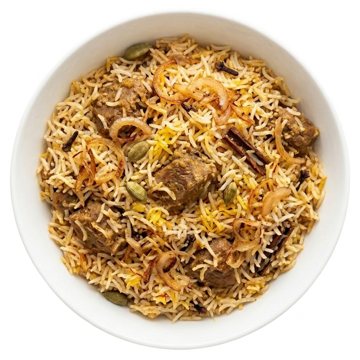
Keema Khichari (Savoury Minced (Ground) Meat Pulao)

Keema Khichari

Savoury Minced (Ground) Meat Pulao
Non-vegetarianOrigin HyderabadPrep 45 minutes, plus soaking timeCook 45 minutes–1 hour

A fragrant, layered meat-and-rice pulao combining richly spiced minced meat with parboiled basmati rice, golden fried onions, and saffron milk. The result is deeply savoury and aromatic, lifted by fresh coriander and a subtle citrus tang.

Whole spices for the mince

3.2 gFried in the oil at the start of the mince (step 2)
02
0.2 g3 cloves
spice
03
2.6 g1 piece
spice
Leave whole.

Aromatics and ground spices for the mince

50 gStirred into the fried onions (step 3)
Stir together into a uniform spice paste.

Saffron for the mince

0.3 gAdded with the coriander leaf at the end of cooking the mince (step 4)
01
0.3 g½ teaspoon
spice
Leave as whole threads.

Saffron for the rice

0.3 gSteeped in warm milk at the beginning (step 1)
01
~0.3 gpinch
spice
Pound into the milk using a pestle.

Whole spices for the rice

1.9 gDropped into the boiling water with the rice (step 6)
01
0.1 g1 clove
spice
03
1.3 g1 piece
spice
Leave whole.

Everything else

01
114 g125 ml
oil/fat
02
600 g4 onions
vegetable
04
120 g1 tomato
vegetable
05
254 g250 ml
dairy
06
~50 g½ bunch
herb
07
Rice · Chawalrinsed and drained
500 g
grain
08
5 g1 teaspoon
dairy
09
14 g1 tablespoon
oil/fat
10
300 g2 onions
vegetable
11
20 g4 teaspoons
dairy
12
~100 g1 bunch
herb
13
30 g1 lime
souring agent
14
Butter · Makhansmall knob (pat)
to taste
dairy

Method

  1. Cover 500 g rice with water in a bowl and soak for 20 minutes, then drain thoroughly. In a small cup, steep the saffron for the rice in 5.1 g milk for 10 minutes, then crush and grind the threads into the milk using a small pestle.
  2. Heat 114 g vegetable oil in a large, heavy saucepan over medium heat. Add the whole spices for the mince and let them sizzle for 1 minute until fragrant. Stir in 600 g onion and sauté for 5 to 7 minutes until golden brown.
  3. Add the aromatics and ground spices for the mince and fry for 2 to 3 minutes, adding a splash of water if the mixture begins to catch on the bottom. Add 500 g minced meat and cook for 5 to 10 minutes, breaking up lumps until evenly browned.
  4. Fold in 120 g tomato and 254 g plain yogurt. Lower the heat to low, cover, and simmer for 15 minutes. Stir in 50 g coriander leaf and the saffron for the mince, cook for 1 to 2 minutes more, then take the pan off the heat.
  5. Warm 13.5 g vegetable oil in a separate frying pan over medium heat. Fry 300 g onion for 5 to 7 minutes until deep golden brown, then remove the onions to a plate and keep the cooking oil in the pan.
  6. Bring a large pan of water to a rolling boil. Add the whole spices for the rice and the soaked rice, and boil for about 10 minutes until half-cooked. Drain the rice completely, then spread half of it across the base of the cooking pot.
  7. Layer all of the minced meat evenly over the rice base. Dot with half of the 20 g plain yogurt, half of the 100 g coriander leaf, half of the 2 ground cardamom pods, a squeeze of the juice from 1 lime, and a spoonful of the saffron milk. Cover with the remaining rice, then finish with the rest of the plain yogurt, coriander leaf, ground cardamom, saffron milk, the fried onions, and a drizzle of the reserved onion oil or a knob of butter to taste.
  8. Fit the pot with a tight lid. Set it over low heat (or atop a hot griddle plate) and steam for 10 minutes before serving.

Don't have something?

Vegetable oil
  • Peanut oil

    Use 1:1 by weight. Handles high-heat frying identically and introduces a very subtle, pleasant nuttiness.

  • Ghee

    Use 1:1 by weight. Yields a much richer, authentic aroma and a glossy, heavier mouthfeel.

  • Mustard oil

    Use 1:1 by weight. Heat until smoking, then cool slightly before cooking to temper its intensely pungent, sharp mustard kick.

Green cardamom pod
  • Green cardamom seed

    Use 35 to 40% of the total pod weight; lightly bruise the seeds before frying in oil to release their essential oils.

  • Ground green cardamom

    Use 20 to 25% of the pod weight (about 1 generous pinch per pod); stir in toward the end of cooking so the delicate floral notes do not dissipate.

  • White cardamom pod

    Use 1:1 by pod count or weight; crack gently before using, though it is slightly less intensely floral.

Clove
  • Ground cloves

    Use 1 g ground for 4 g whole (or 1 small pinch per 2 to 3 whole cloves). Add with spice powders; disperses intense warmth quickly, so use with restraint.

  • Allspice berries

    Use 100% of the weight whole in tempering. Imparts a warm, clove-like aromatic profile combined with hints of nutmeg and cinnamon.

  • Black cardamom pod

    Use 1 pod for 3 to 4 cloves in whole tempering. Shares a camphor-like warmth and medicinal depth, though it introduces a distinct smoky undertone.

Cassia bark
  • Ceylon cinnamon

    True cinnamon: thinner, papery quills, milder and sweeter. Use about 1.5 times the weight, and taste.

  • Ground cinnamon (cassia)

    Use about a third of the weight (0.5 g ground for a 2.5 cm piece), stirred in with the ground spices rather than fried whole, since the powder burns quickly.

  • Cassia buds

    Use 60-70% of the weight; stronger and more peppery, so taste before adding more.

Onion
  • Shallot

    Use equal weight, finely sliced. Shallots soften and brown faster, giving a slightly sweeter and more delicate base to curries.

  • Cabbage

    Use 80% of the weight, finely shredded and browned slowly with a pinch of asafoetida. Replicates the bulk and natural sweetness in gravies without allium.

Ginger paste
  • Fresh ginger

    Use equal weight; peel and grate very finely on a microplane or pound to a fine paste in a mortar.

  • Ginger

    Use equal weight; mince finely and crush with the flat of a knife before frying.

  • Ground ginger

    Use 20% of the weight; add directly with the dry spice powders, though it yields an earthier, less pungent profile.

Garlic paste
  • Garlic

    Use equal weight; crush or finely grate to a smooth pulp to replicate the same fresh, pungent moisture in your base gravy.

  • Garlic powder

    Use 20 to 25% of the weight; mix with a teaspoon of water before adding to oil so it does not burn, noting it lacks the fresh bite.

Ground coriander
  • Coriander seeds

    Dry-roast lightly in a pan and grind to a fine powder; use equal weight (1:1). Offers a noticeably fresher, brighter citrus note.

  • Ground cumin

    Use 50% to 75% of the weight. Lacks the floral, citrusy profile of coriander and turns the gravy heavier, earthier, and darker.

  • Garam masala

    Use 50% of the weight and stir in near the end of cooking. Adds warmth and depth since it contains ground coriander, but introduces stronger spices like clove and cinnamon.

Poppy seed
  • Cashew nut

    Use equal weight. Soak in warm water for 20 minutes and grind to a smooth paste; produces an even creamier, slightly richer gravy than poppy seeds.

  • White sesame seed

    Use equal weight. Soak and grind finely; provides similar thickening and body with a slightly nuttier, faintly bitter edge.

  • Almond

    Use equal weight. Blanch, peel, and grind finely with a splash of water; lends a velvety body and gentle sweetness to gravies.

Minced lamb
  • Ground lamb

    Use the same weight; it is the same thing under another name and cooks identically.

  • Minced chicken

    Use the same weight; it is leaner, so add 1 tbsp oil and cook 3–4 minutes less.

  • Boneless lamb

    Mince at home; use the same weight. Keep some fat for juiciness and cook until browned.

Tomato
  • Tomato purée

    Use 40% to 50% of the fresh tomato weight mixed with a splash of water. Imparts a deeper red colour, thicker sauce, and slightly sweeter cooked flavour.

  • Plain yogurt

    Use 60% of the weight, whisked smooth and added on low heat. Provides rich body and sourness, though the gravy becomes paler and creamier.

Plain yogurt
  • Yogurt

    Use equal weight, whisked thoroughly until smooth before adding to hot dishes to prevent curdling.

  • Coconut milk

    Use equal weight with 1 teaspoon lemon juice mixed in. Provides rich creaminess in curries, but adds a noticeable coconut flavour.

  • Single cream

    Use 80% of the weight plus a squeeze of lemon juice for acidity. Enriches sauces nicely, though it is richer and less tangy.

Coriander leaf
  • Coriander

    Use equal weight finely chopped; this is the exact same fresh herb.

  • Mint

    Use half the weight finely chopped; provides vibrant green freshness, though the flavour profile becomes noticeably cooler and sharper.

Saffron
  • Ground turmeric

    Use 15% of the saffron's weight. Replicates the bright yellow colour well, but lacks the floral, earthy depth; use sparingly to avoid bitterness.

  • Screwpine water or rosewater

    Use a few drops combined with a tiny pinch of ground turmeric to mimic both the regal floral aroma and the golden hue.

Rice
  • Basmati rice

    Use the same weight; rinse and soak as needed. Fluffier and drier, so use slightly less water.

  • Long-grain rice

    Use the same weight; similar behaviour, adjust water to your usual method.

  • Short-grain rice

    Use the same weight; stickier and softer, so reduce water and avoid stirring.

Milk
  • Whole milk

    Use equal weight; provides the standard rich dairy fat and body expected in creamy Indian bases.

  • Single cream

    Dilute 3 parts cream with 1 part water to match the weight; yields a richer, glossier gravy that resists curdling.

  • Plain yogurt

    Whisk thoroughly and use equal weight; adds extra body and a mild pleasant acidity, best added off the heat.

Lime juice
  • Lemon juice

    Use equal volume or weight; slightly sweeter and less pungent, but otherwise an imperceptible swap.

  • Dried mango powder

    Use 25% of the weight; imparts dry, fruity sourness, best stirred in right at the end of cooking.

  • Tamarind extract

    Use 50% of the weight; delivers pleasant fruity tang but turns pale sauces considerably darker.

Butter
  • Unsalted butter

    Use 100% of the weight. If the original recipe relies on salted table butter, add a pinch of salt to balance.

  • Ghee

    Use 80% to 85% of the weight. Ghee is pure butterfat with moisture removed; it yields a deeper, nuttier flavour and handles high heat better.

  • Vegetable oil

    Use 80% of the weight for frying or tempering. The dish loses sweet dairy richness but remains glossy and light.

Similar dishes

Yakhni Pulao
Lamb Stock Pulao
Yakhni Pulao is milder, creamier, and stock-infused with a touch of lime, whereas this dish is more heavily spiced, savory, and tangy from tomato and saffron.
  • Same: Yakhni Pulao also combines rice and meat with ginger, garlic, onions, yogurt, and warm whole spices like cardamom, cloves, and cinnamon.
  • Different: Instead of layering minced meat with tomatoes, saffron, and poppy seeds in vegetable oil, Yakhni Pulao cooks the rice in lamb stock, milk, and ghee with bay leaf, peas, and eggs.
Qorma Pulao
Curried Lamb Pulao
It delivers a richer, heavier mutton and ghee flavor, lacking the prominent fresh coriander and tomato notes of this dish.
  • Same: Qorma Pulao shares the layered basmati rice format with this dish, using fried onions, yogurt, saffron milk, and warm whole spices like cardamom, cinnamon, and cloves.
  • Different: Rather than minced meat prepared with vegetable oil, tomatoes, and poppy seeds, it uses curried mutton pieces cooked with ghee and is sealed with dough to steam.
Zafrani Pulao
Saffron Rice
Zafrani Pulao tastes lighter and more saffron-and-stock-forward than this dish, without the rich minced meat, yogurt tang, or citrus lift.
  • Same: Zafrani Pulao shares with this dish basmati rice cooked with saffron milk, whole cardamom, clove, and cinnamon, plus onion and garlic paste.
  • Different: Zafrani Pulao lacks minced lamb, tomato, yogurt, poppy seed, lime juice, coriander leaf, and butter, and it uses ghee and chicken stock instead of vegetable oil and a layered meat-and-rice method.
Kacchi Biryani
Saffron-flavoured Meat Cooked with Rice
Kacchi Biryani is richer and more pungent with fresh mint and green chilli heat, lacking the gentle tomato acidity and nutty poppy seed flavour found in this dish.
  • Same: Both dishes layer parboiled basmati rice with meat, fried onions, yogurt, saffron milk, and whole spices like cardamom, cloves, and cinnamon.
  • Different: Kacchi Biryani uses ghee to slow-cook raw marinated lamb pieces sealed with dough, omitting the tomatoes, poppy seeds, vegetable oil, and minced meat of this dish.