Indian cooking
Indian cooking / Dishes / Bataer Masaledar
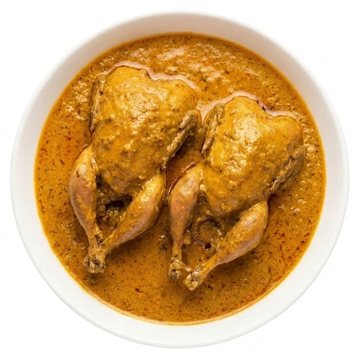
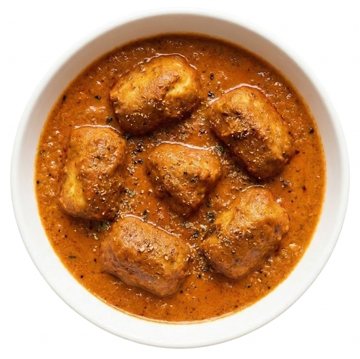
Bataer Masaledar (Stuffed Quails in Spicy Sauce)

Bataer Masaledar

Stuffed Quails in Spicy Sauce
Non-vegetarian●●●Origin PunjabPrep 1 hour, plus marinating timeCook 1 hour

Whole quails stuffed with a spiced chicken mince and simmered in a fragrant, rich yogurt-and-almond gravy. The sauce is aromatic and mildly sweet, scented with saffron, mace, and whole spices.

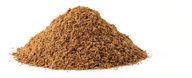
Quail marinade spices

35 gMixed with oil and vinegar for the quail marinade (step 1)
Stir the pastes and chilli powder together into a uniform blend.

Stuffing spices

52 gMixed into the minced chicken filling (step 2)
Combine evenly so the spices and pastes distribute throughout the mince.

Saffron

0.7 gSteeped in warm milk (step 4)
01
0.7 g1 teaspoon
spice
Crush lightly in a mortar before infusing.

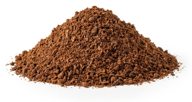
Ground spices for the sauce

8 gMixed with water and added to the browned onions (step 7)
01
3.6 g2 teaspoons
spice
02
3.9 g1½ teaspoons
spice
Stir together with two tablespoons of water to form a slurry.

Whole spices

12 gBloomed in the hot ghee (step 6)
02
0.3 g4 cloves
spice
03
2.6 g2 pieces
spice
04
1 g2 leaves
spice
Leave whole: they go straight into the hot fat.

Finishing spices

4 gStirred into the reduced gravy (step 11)
03
0.5 g¼ teaspoon
spice
04
0.8 g½ teaspoon
spice
Mix into a uniform ground spice powder.

Everything else

01
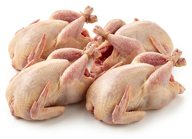
960 g8 quails
poultry
03
15 g1 tablespoon
dairy
04
79 g6 tablespoons
oil/fat
05
48 g16 cloves
aromatic
06
250 g
vegetable
07
4 g2 teaspoons
aromatic
08
200 g
vegetable
09
90 g6 tablespoons
dairy
10
31 g2 tablespoons
nut/seed
11
to taste
salt
12
88 g6 tablespoons
liquid
13
30 g2 tablespoons
souring agent
14
12 g2 chillies
vegetable
15
13 g16 kernels
nut/seed
16
8 g16 raisins
fruit
17
~0.3 gpinch
salt
18
8 g1 tablespoon
nut/seed
19
0–0 g4–6 sheets
other

Method

  1. Prick 8 quails all over with a fork. In a bowl, combine the quail marinade spices with 6 tablespoons oil and 30 g white malt vinegar. Rub the mixture thoroughly over and inside the quails, then cover and refrigerate for at least 1 hour.
  2. In a separate bowl, thoroughly mix 250 g minced chicken with the stuffing spices, 12 g green chilli, 16 roasted almonds, 8 g raisin, and 0.3 g salt. Divide the mixture into 8 equal portions.
  3. Pack one portion of the stuffing mixture into the cavity of each marinated quail. Fold the flaps over the opening and tie firmly with kitchen twine.
  4. Pound the saffron in a small mortar, then transfer to a small bowl with 15.3 g warm milk. Add 1 tablespoon flaked almonds and leave to infuse until the milk takes on a deep golden colour.
  5. Mix the ground spices for the sauce with 2 tablespoons of water in a small ramekin to form a smooth paste.
  6. Melt 79.2 g ghee in a heavy-based pot over medium heat. Drop in the whole spices and fry for a few seconds until fragrant. Add 48 g chopped garlic and sauté for about 1 minute until lightly coloured.
  7. Add 250 g grated onion and fry for roughly 4 minutes until pale golden. Stir in 4 g chopped fresh ginger, cook for 30 seconds, then pour in the ground spices for the sauce. Cook for 1 to 2 minutes until the moisture evaporates.
  8. Tip in 200 g chopped tomato, season with salt to taste, and cook for about 5 minutes until the fat separates from the masala. Take the pan off the heat, stir in 90 g whisked plain yogurt, and return to medium heat, cooking until droplets of ghee reappear. Add 2 tablespoons almond paste and fry for 1 to 2 minutes until the oil separates again.
  9. Pour in 1 litre of water and bring to a boil. Lower the stuffed quails into the pan, bring back to a boil, then cover and simmer over low heat for 5 to 7 minutes, stirring occasionally, until almost cooked through.
  10. Strain the flaked almonds out of the saffron milk, keeping both aside. Uncover the pan, raise the heat slightly, and simmer until the gravy reduces to a medium-thick sauce.
  11. Stir in the finishing spices, followed by the infused saffron milk. Adjust the salt to taste, remove from the heat, and garnish with the reserved flaked almonds and 4 silver leaves before serving.

Don't have something?

Quail
  • Chicken thigh

    Use the same weight, cut into small pieces. Cook 10–15 minutes longer until tender; milder flavour.

  • Guinea fowl

    Use the same weight, jointed small. Stronger game flavour and needs 15–20 minutes more cooking.

  • Whole partridge

    Use the same weight, cut into pieces. Larger and tougher; simmer 20–30 minutes longer.

Minced chicken
  • Lean minced chicken

    Use the same weight; it is the closest option and cooks in the same time.

  • Boneless chicken thigh

    Mince coarsely at home; use the same weight. It is slightly juicier and needs 2–3 minutes more cooking.

  • Chicken breast

    Mince at home; use the same weight but add 1 tsp oil, as it is drier and can toughen if overcooked.

Saffron
  • Ground turmeric

    Use 15% of the saffron's weight. Replicates the bright yellow colour well, but lacks the floral, earthy depth; use sparingly to avoid bitterness.

  • Screwpine water or rosewater

    Use a few drops combined with a tiny pinch of ground turmeric to mimic both the regal floral aroma and the golden hue.

Milk
  • Whole milk

    Use equal weight; provides the standard rich dairy fat and body expected in creamy Indian bases.

  • Single cream

    Dilute 3 parts cream with 1 part water to match the weight; yields a richer, glossier gravy that resists curdling.

  • Plain yogurt

    Whisk thoroughly and use equal weight; adds extra body and a mild pleasant acidity, best added off the heat.

Ground coriander
  • Coriander seeds

    Dry-roast lightly in a pan and grind to a fine powder; use equal weight (1:1). Offers a noticeably fresher, brighter citrus note.

  • Ground cumin

    Use 50% to 75% of the weight. Lacks the floral, citrusy profile of coriander and turns the gravy heavier, earthier, and darker.

  • Garam masala

    Use 50% of the weight and stir in near the end of cooking. Adds warmth and depth since it contains ground coriander, but introduces stronger spices like clove and cinnamon.

Chilli powder
  • Red chilli powder

    Use 100% of the weight. Provides direct, sharp heat and red colour in equal measure.

  • Kashmiri chilli powder

    Use 150% to 200% of the weight if matching colour, but add a pinch of black pepper or hot chilli if you need equivalent fiery heat.

  • Cayenne pepper

    Use 75% to 100% of the weight. Offers a sharp, clean heat with slightly less earthy depth and less crimson colour.

Ghee
  • Unsalted butter

    Use 120% of the weight; melt gently over low heat to avoid burning the milk solids, which will yield a softer, creamier richness rather than a nutty aroma.

  • Vegetable oil

    Use 85% of the weight; holds high cooking temperatures without smoking, but the final dish will lack traditional dairy depth.

  • Mustard oil

    Use equal weight; heat to smoking point and cool slightly before cooking, bearing in mind it introduces an assertive, pungent edge.

Black cardamom pod
  • Ground black cardamom

    Use 0.5 g of ground seeds for each whole pod. Stir directly into the curry base; delivers identical smoky flavour without woody husks.

  • Green cardamom pod

    Use equal pod count or weight. Crack slightly and fry whole; tastes sweet, menthol-fresh, and floral rather than dark and smoky.

Clove
  • Ground cloves

    Use 1 g ground for 4 g whole (or 1 small pinch per 2 to 3 whole cloves). Add with spice powders; disperses intense warmth quickly, so use with restraint.

  • Allspice berries

    Use 100% of the weight whole in tempering. Imparts a warm, clove-like aromatic profile combined with hints of nutmeg and cinnamon.

  • Black cardamom pod

    Use 1 pod for 3 to 4 cloves in whole tempering. Shares a camphor-like warmth and medicinal depth, though it introduces a distinct smoky undertone.

Cassia bark
  • Ceylon cinnamon

    True cinnamon: thinner, papery quills, milder and sweeter. Use about 1.5 times the weight, and taste.

  • Ground cinnamon (cassia)

    Use about a third of the weight (0.5 g ground for a 2.5 cm piece), stirred in with the ground spices rather than fried whole, since the powder burns quickly.

  • Cassia buds

    Use 60-70% of the weight; stronger and more peppery, so taste before adding more.

Bay leaf
  • Cinnamon stick

    Use a 2 cm piece (about 1 g) for every 1 to 2 bay leaves. Fry in whole-spice temperings; provides the cassia-like warmth typical of Indian tejpatta.

  • Ground cinnamon (cassia)

    Use 0.5 g per leaf. Stir into the sauce during simmering; gives the same warm woodiness but darkens the colour slightly.

Garlic
  • Garlic paste

    Use equal weight. Fry gently in oil or ghee with the ginger; incorporates smoothly into curries without visible minced bits.

  • Garlic powder

    Use 15% to 20% of the weight (about 1 g for every 5 to 6 g fresh cloves). Whisk into sauces; gives a savoury, toasted garlic flavour without raw pungency.

  • Shallot

    Use 1.5 times the weight, very finely minced. Sauté until golden; provides savoury allium sweetness, though it lacks garlic's pungent sulphur bite.

Onion
  • Shallot

    Use equal weight, finely sliced. Shallots soften and brown faster, giving a slightly sweeter and more delicate base to curries.

  • Cabbage

    Use 80% of the weight, finely shredded and browned slowly with a pinch of asafoetida. Replicates the bulk and natural sweetness in gravies without allium.

Fresh ginger
  • Ginger paste

    Use equal weight. Sauté in hot fat until the raw allium smell disappears; slightly wetter, but provides identical warmth and pungency.

  • Ground ginger

    Use 20% to 25% of the weight (1 g for every 4 to 5 g fresh). Stir into the gravy; adds peppery heat and warmth, though it misses the crisp, zesty kick of raw root.

Tomato
  • Tomato purée

    Use 40% to 50% of the fresh tomato weight mixed with a splash of water. Imparts a deeper red colour, thicker sauce, and slightly sweeter cooked flavour.


  • Plain yogurt

    Use 60% of the weight, whisked smooth and added on low heat. Provides rich body and sourness, though the gravy becomes paler and creamier.

Plain yogurt
  • Yogurt

    Use equal weight, whisked thoroughly until smooth before adding to hot dishes to prevent curdling.

  • Coconut milk

    Use equal weight with 1 teaspoon lemon juice mixed in. Provides rich creaminess in curries, but adds a noticeable coconut flavour.

  • Single cream

    Use 80% of the weight plus a squeeze of lemon juice for acidity. Enriches sauces nicely, though it is richer and less tangy.

Almond paste
  • Blanched almond paste

    Use the same weight; same flavour and texture. Break up lumps before mixing.

  • Ground almonds

    Use the same weight with 25–30% caster sugar and a little water; less smooth and sweeter.

  • Cashew paste

    Use the same weight; softer and milder, with less almond flavour. Good in creamy gravies.

Ground green cardamom
  • Green cardamom seed

    Grind freshly extracted inner black seeds finely; use equal weight (1:1). Greatly superior aroma with potent eucalyptus and citrus notes.

  • Green cardamom pod

    Lightly crack whole pods and simmer them in the gravy; use 150% of the weight of ground cardamom. Fish out the pods before serving.

  • Ground nutmeg

    Use 50% of the weight. Delivers warm, sweet aroma, but lacks cardamom's cooling, citrusy top notes.

Ground cinnamon
  • Ground Ceylon cinnamon

    Milder and sweeter than ground cassia: use about 1.5 times the weight.

  • Cassia bark (Chinese cinnamon)

    Grind the same weight of cassia bark in a spice mill until powdery, or simmer a piece whole and lift it out before serving.

  • Ground mace

    Use 40 to 50% of the weight; offers a delicate, sweet, woodsy fragrance that complements rich curries without dominating.

Ground clove
  • Ground allspice

    Use 1.5–2 times the weight; it has a similar warm pungency but is milder and rounder, so the dish loses clove’s sharp medicinal heat.

  • Ground cinnamon (cassia)

    Use the same weight; it gives warmth but is sweeter and lacks clove’s strength, so use only if the amount is small.

Ground mace
  • Mace blade

    Grind dried blades finely in a spice mill; use equal weight (1:1). Provides an identical, freshly aromatic, sweet-musky profile.

  • Ground nutmeg

    Use 75% to 80% of the weight. Derived from the seed of the same tree, it shares the flavour profile but is heavier, sweeter, and more pungent.

  • Ground cinnamon (cassia)

    Use 50% of the weight. Adds warming sweetness, but lacks mace's savoury, elegant floral notes.

Red wine
  • Brandy or rum

    Use about one-third of the wine weight, diluted with water or stock; simmers off alcohol but lacks wine acidity.

  • White wine vinegar

    Use 1 tbsp per 100 ml wine, topped up with water or stock; gives acidity but not body.

  • Pomegranate juice

    Use the same weight with a splash of vinegar; fruity and sweet, less complex.

White malt vinegar
  • White vinegar

    Use 90% of the weight. It is sharper and lacks the mild malty grain undertone, so temper with a tiny pinch of sugar if needed.

  • Lemon juice

    Use 100% of the weight. Best for marinades or quick chutneys; imparts fresh citrus flavour instead of fermented acidity.

Ginger paste
  • Fresh ginger

    Use equal weight; peel and grate very finely on a microplane or pound to a fine paste in a mortar.

  • Ginger

    Use equal weight; mince finely and crush with the flat of a knife before frying.

  • Ground ginger

    Use 20% of the weight; add directly with the dry spice powders, though it yields an earthier, less pungent profile.

Garlic paste
  • Garlic

    Use equal weight; crush or finely grate to a smooth pulp to replicate the same fresh, pungent moisture in your base gravy.

  • Garlic powder

    Use 20 to 25% of the weight; mix with a teaspoon of water before adding to oil so it does not burn, noting it lacks the fresh bite.

Green chilli
  • Chilli powder

    Use 10 to 15% of the weight (about 1/4 teaspoon per chilli); imparts dry pungent heat and reddens the dish without the grassy crunch.

  • Dried red chilli

    Use 1 dried pod per fresh green chilli; snap in half and temper in hot oil for a deeper, toastier heat.

Pistachio
  • Pistachio nut

    Use the same weight; blanch and peel for a brighter green paste. This is the closest match.

  • Almond

    Use the same weight; blanch and peel. It is firmer and less sweet, so grind a little longer.

  • Cashew nut

    Use the same weight; soak in hot water for 15 minutes for a smooth paste. It is sweeter and softer.

Raisin
  • Dried plum

    Use equal weight, pitted and finely chopped. Lends a deeper, slightly more tart sweetness to curries and rice dishes.

  • Cashew nut

    Use equal weight. Fry lightly in ghee until golden; substitutes the burst of sweetness with a rich, buttery crunch.

  • Jaggery

    Use 30% of the weight, finely grated. Dissolve straight into the sauce to match the intended sweetness, though without the fruity chew.

Black cumin seed
  • Nigella seeds

    Use the same weight; in Indian cooking this is usually the same seed. Toast lightly if the recipe asks for toasted.

  • Kalonji seed

    Use the same weight; it is another name for nigella. Add whole or crush lightly.

  • Cumin seed

    Use about 75% of the weight and toast before use; the flavour is different, more warm and less onion-like.

Ground black pepper
  • Black peppercorn

    Use 1:1 by weight; pulverise in a spice mill or mortar to a fine powder for immediate, punchy heat.

  • Coarsely ground black pepper

    Use equal weight; offers the same bite, though it gives a visibly speckled finish and firmer crunch.

Slivered almond
  • Blanched split almond

    Use the same weight; they are already blanched and split, so cut into slivers or use whole for a coarser finish.

  • Almond

    Use the same weight; blanch in hot water, peel, then cut into thin slivers. Toast lightly before garnishing.

  • Ground almonds

    Use the same weight in sauces or stuffings, but not as a garnish; it thickens and gives a softer texture.

Edible silver leaf
  • Edible gold leaf

    Use the same amount to cover the same surface. Purely decorative; only the colour changes.

  • Silver leaf

    Use the same amount if it is food-grade. Same decorative effect.

Similar dishes

Shola e Dil
Quails Stuffed with Savoury Minced (Ground) Chicken
Shola e Dil tastes more floral and creamier with a pure yogurt tang, lacking the sharp sweet-and-sour edge given by this dish's vinegar, tomatoes, and raisins.
  • Same: Both dishes feature whole quails stuffed with spiced minced chicken cooked in ghee with yogurt, saffron, mace, and whole warming spices.
  • Different: Shola e Dil poaches the quails in stock, relies solely on yogurt rather than tomatoes and vinegar for acidity, and adds rosewater while omitting the raisins.
Malai Kofta
Stuffed Paneer Dumplings
Malai Kofta tastes sweeter, richer, and significantly milder than this dish, lacking the sharp acidity of vinegar and the pungent heat of green chillies and garlic.
  • Same: Malai Kofta also features a spiced, stuffed element simmered in a rich gravy seasoned with saffron, mace, cinnamon, and cardamom.
  • Different: Instead of stuffed poultry cooked in a yogurt and onion base, Malai Kofta uses deep-fried paneer dumplings filled with khoya and clotted cream simmered in a cashew and tomato gravy without garlic, onion, or vinegar.
Shahi Qorma
Prince-like Curry
Shahi Qorma tastes delicately spiced and floral from saffron and kewra or rosewater, with a yogurt-onion lamb flavor and less sweetness and no wine-vinegar tang compared with this dish's mildly sweet almond gravy.
  • Same: Both use ghee, yogurt, onion, saffron, mace, green and black cardamom, clove, cinnamon, bay leaf, chilli powder, coriander, garlic, ginger, almonds, and silver leaf.
  • Different: Shahi Qorma braises lamb in a yogurt-onion sauce with kewra or rosewater, while this dish stuffs whole quails with chicken mince and simmers them in a yogurt-almond gravy; it lacks tomato, red wine, malt vinegar, pistachio, raisin, green chilli, black cumin, and the stuffing.
Magaj Masala
Lambs' Brains
Magaj Masala has a creamier, nuttier profile with earthy undertones, lacking the pronounced sweet and tangy punch of tomatoes, vinegar, and mace in this dish.
  • Same: Both curries are cooked in ghee with an onion and yogurt base, sharing whole black cardamom, cinnamon, cloves, bay leaves, and green chillies.
  • Different: Instead of stuffed quail, tomatoes, malt vinegar, saffron, and raisins, Magaj Masala uses lamb brains simmered with cashew paste, milk, turmeric, fennel, and lemon juice.