
Malai Kofta
Crisp paneer dumplings stuffed with rich clotted cream, khoya, nuts, and dried fruit, gently simmered in a fragrant, velvety tomato and cashew gravy.
Filling spices
2.1 gSteeped in milk and mixed into the filling (step 2)Whole spices for the sauce
4.8 gSizzled in the hot ghee (step 5)Sauce spice paste
18 gBlended with water and fried into the sauce (step 5)Finishing spices
4.9 gDusted over the curry at the end of simmering (step 7)Everything else

Method
- Mash 750 g paneer thoroughly in a large bowl, then knead in 50 g chickpea flour until smooth and pliable. Divide into 8 equal balls.
- Steep the filling spices in 15.3 g milk. In another bowl, combine the milk and spices with 150 g clotted cream, 8–12 g cashew nut half, 150 g paneer, mashed, 8 g raisin, 30 g khoya, 1 g coriander leaf, chopped, 2 g fresh ginger, finely chopped, and 0.3 g salt. Mix thoroughly and divide into 8 portions.
- Flatten each paneer ball into a disc, place a portion of filling in the centre, and enclose the edges, rolling into smooth, crack-free balls or ovals.
- Heat vegetable oil, for deep-frying in a deep pan or kadhai to 180°C (350°F), then lower the flame slightly. Fry the dumplings in batches for 2 to 3 minutes until crisp and golden brown all over. Lift out with a slotted spoon and drain on paper towels.
- Warm 40.5 g ghee or vegetable oil in a heavy pan over medium heat. Tip in the whole spices for the sauce and cook for about 1 minute until the cardamom pods swell and darken. Stir in the sauce spice paste and fry for 2 to 3 minutes until the water evaporates and oil releases.
- Stir in 15.6 g cashew paste and fry for roughly 2 minutes until glossy and oil separates. Add 750 g tomato, chopped and salt to taste, bring to a boil, then lower the heat and simmer gently for 5 to 7 minutes until the tomatoes soften.
- Pour in 994 g vegetable stock and bring back to a boil, then reduce the heat and simmer for 10 minutes. Settle the fried koftas into the sauce and simmer for 3 to 4 minutes. Scatter the finishing spices over the top before taking off the heat.
Don't have something?

 Extra-firm tofu
Use equal weight, pressed well to remove excess moisture and cut into cubes. Pan-fry lightly before adding; absorbs sauces similarly, though it lacks dairy sweetness.
 Halloumi
Use equal weight, soaked in warm water for 20 minutes to leach out excess salt. Holds shape during frying, but has a denser, saltier chew.


 Yellow split pea flour
Use 100% of the weight. Many commercial gram flours are milled from split peas; performs identically in pakora batters and kadhi.
 Cornstarch
For crisping batters or binding cutlets: use 50% to 60% of the weight. Produces a very crisp shell but lacks the earthy, roasted nutty flavour of besan.


 Peanut oil
Use 1:1 by weight. Handles high-heat frying identically and introduces a very subtle, pleasant nuttiness.
 Ghee
Use 1:1 by weight. Yields a much richer, authentic aroma and a glossy, heavier mouthfeel.
 Mustard oil
Use 1:1 by weight. Heat until smoking, then cool slightly before cooking to temper its intensely pungent, sharp mustard kick.


 Ground turmeric
Use 15% of the saffron's weight. Replicates the bright yellow colour well, but lacks the floral, earthy depth; use sparingly to avoid bitterness.
 Screwpine water or rosewater
Use a few drops combined with a tiny pinch of ground turmeric to mimic both the regal floral aroma and the golden hue.



 Whole milk
Use equal weight; provides the standard rich dairy fat and body expected in creamy Indian bases.
 Single cream
Dilute 3 parts cream with 1 part water to match the weight; yields a richer, glossier gravy that resists curdling.
 Plain yogurt
Whisk thoroughly and use equal weight; adds extra body and a mild pleasant acidity, best added off the heat.


 Double cream
Use 100% of the weight. Stir straight into curries off the heat; mimics the rich, buttery mouthfeel of clotted cream or fresh malai.
- Single cream
Use 100% of the weight. Simmer the sauce for a few extra minutes to evaporate excess moisture and thicken the texture.
 Milk solids
Use 70% of the weight, whisked with a splash of whole milk. Imparts deep, cooked-milk richness with a subtle graininess suited to Mughlai gravies.


 Cashew nut
Use 100% of the weight. Split whole raw or roasted cashews in half along their natural centre seam using a paring knife or fingers.
 Almond
Use 100% of the weight. Blanch, skin, and slice in half lengthwise; gives a crisper, firmer bite when fried for garnishing pilafs and biryanis.
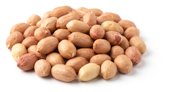 Shelled peanut
Use 100% of the weight. Split blanched peanuts in half; adds a familiar earthy crunch to tempered poha or upma.


 Dried plum
Use equal weight, pitted and finely chopped. Lends a deeper, slightly more tart sweetness to curries and rice dishes.
- Cashew nut
Use equal weight. Fry lightly in ghee until golden; substitutes the burst of sweetness with a rich, buttery crunch.
 Jaggery
Use 30% of the weight, finely grated. Dissolve straight into the sauce to match the intended sweetness, though without the fruity chew.


- Whole milk
Use 4 times the weight of milk; simmer and stir continuously in a wide heavy pan until reduced to a dense, fudgy paste.
- Paneer
Use equal weight of finely crumbled or grated paneer mixed with 15% single cream; gives similar body but a less caramelised, milk-solid flavour.
- Single cream
Simmer gently until heavily reduced, or stir in directly at 70% weight; produces rich gravies without the granular bite of khoya.


 Ginger paste
Use equal weight. Sauté in hot fat until the raw allium smell disappears; slightly wetter, but provides identical warmth and pungency.
 Ground ginger
Use 20% to 25% of the weight (1 g for every 4 to 5 g fresh). Stir into the gravy; adds peppery heat and warmth, though it misses the crisp, zesty kick of raw root.


 Nigella seeds
Use the same weight; in Indian cooking this is usually the same seed. Toast lightly if the recipe asks for toasted.
- Kalonji seed
Use the same weight; it is another name for nigella. Add whole or crush lightly.
 Cumin seed
Use about 75% of the weight and toast before use; the flavour is different, more warm and less onion-like.



 Coriander seeds
Dry-roast lightly in a pan and grind to a fine powder; use equal weight (1:1). Offers a noticeably fresher, brighter citrus note.
 Ground cumin
Use 50% to 75% of the weight. Lacks the floral, citrusy profile of coriander and turns the gravy heavier, earthier, and darker.
 Garam masala
Use 50% of the weight and stir in near the end of cooking. Adds warmth and depth since it contains ground coriander, but introduces stronger spices like clove and cinnamon.


 Dried kashmiri chilli
Grind deseeded dried pods to an equal weight of powder; gives identical vivid red colour and gentle warmth.
 Red chilli powder
Use 25% of the weight mixed with sweet paprika for colour; straight red chilli powder is substantially hotter and will make the dish fiery.
 Chilli powder
Use one-third of the weight; the sauce will be less intensely red and notably sharper in heat.


- Peanut oil
Use equal weight; handles high tempering heat well and keeps flavours neutral.
 Butter
Use equal weight; cook over gentle heat to prevent browning the milk solids too quickly.


 Green cardamom seed
Use 35 to 40% of the total pod weight; lightly bruise the seeds before frying in oil to release their essential oils.
 Ground green cardamom
Use 20 to 25% of the pod weight (about 1 generous pinch per pod); stir in toward the end of cooking so the delicate floral notes do not dissipate.
 White cardamom pod
Use 1:1 by pod count or weight; crack gently before using, though it is slightly less intensely floral.


 Ground cloves
Use 1 g ground for 4 g whole (or 1 small pinch per 2 to 3 whole cloves). Add with spice powders; disperses intense warmth quickly, so use with restraint.
 Allspice berries
Use 100% of the weight whole in tempering. Imparts a warm, clove-like aromatic profile combined with hints of nutmeg and cinnamon.
 Black cardamom pod
Use 1 pod for 3 to 4 cloves in whole tempering. Shares a camphor-like warmth and medicinal depth, though it introduces a distinct smoky undertone.

 Ground black cardamom
Use 0.5 g of ground seeds for each whole pod. Stir directly into the curry base; delivers identical smoky flavour without woody husks.
- Green cardamom pod
Use equal pod count or weight. Crack slightly and fry whole; tastes sweet, menthol-fresh, and floral rather than dark and smoky.


 Cinnamon stick
Use a 2 cm piece (about 1 g) for every 1 to 2 bay leaves. Fry in whole-spice temperings; provides the cassia-like warmth typical of Indian tejpatta.
 Ground cinnamon (cassia)
Use 0.5 g per leaf. Stir into the sauce during simmering; gives the same warm woodiness but darkens the colour slightly.

 Ceylon cinnamon
True cinnamon: thinner, papery quills, milder and sweeter. Use about 1.5 times the weight, and taste.
- Ground cinnamon (cassia)
Use about a third of the weight (0.5 g ground for a 2.5 cm piece), stirred in with the ground spices rather than fried whole, since the powder burns quickly.
 Cassia buds
Use 60-70% of the weight; stronger and more peppery, so taste before adding more.


- Fresh ginger
Use equal weight; peel and grate very finely on a microplane or pound to a fine paste in a mortar.
 Ginger
Use equal weight; mince finely and crush with the flat of a knife before frying.
- Ground ginger
Use 20% of the weight; add directly with the dry spice powders, though it yields an earthier, less pungent profile.


- Cashew nut
Use 100% of the weight. Soak raw cashews in boiling water for 20 minutes, then blend with just enough water to form a silky, thick paste.
- Almond
Use 100% of the weight. Blanch, peel skins completely, and blend with warm water until velvety; gravies will be marginally less sweet.
- Single cream
Use 80% of the weight. Stir in near the end of cooking over low heat; provides luxurious gloss and fat without the nut solids.


 Tomato purée
Use 40% to 50% of the fresh tomato weight mixed with a splash of water. Imparts a deeper red colour, thicker sauce, and slightly sweeter cooked flavour.
- Plain yogurt
Use 60% of the weight, whisked smooth and added on low heat. Provides rich body and sourness, though the gravy becomes paler and creamier.


 Water
Use 100% of the weight. Add an extra pinch of salt and simmer with a bruised bay leaf or a slice of ginger; the gravy will taste cleaner but slightly less savoury.


- Green cardamom seed
Grind freshly extracted inner black seeds finely; use equal weight (1:1). Greatly superior aroma with potent eucalyptus and citrus notes.
- Green cardamom pod
Lightly crack whole pods and simmer them in the gravy; use 150% of the weight of ground cardamom. Fish out the pods before serving.
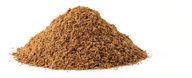 Ground nutmeg
Use 50% of the weight. Delivers warm, sweet aroma, but lacks cardamom's cooling, citrusy top notes.


 Mace blade
Grind dried blades finely in a spice mill; use equal weight (1:1). Provides an identical, freshly aromatic, sweet-musky profile.
- Ground nutmeg
Use 75% to 80% of the weight. Derived from the seed of the same tree, it shares the flavour profile but is heavier, sweeter, and more pungent.
- Ground cinnamon (cassia)
Use 50% of the weight. Adds warming sweetness, but lacks mace's savoury, elegant floral notes.


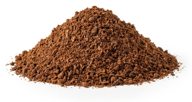 Ground allspice
Use 1.5–2 times the weight; it has a similar warm pungency but is milder and rounder, so the dish loses clove’s sharp medicinal heat.
- Ground cinnamon (cassia)
Use the same weight; it gives warmth but is sweeter and lacks clove’s strength, so use only if the amount is small.
- Ground Ceylon cinnamon
Milder and sweeter than ground cassia: use about 1.5 times the weight.
- Cassia bark (Chinese cinnamon)
Grind the same weight of cassia bark in a spice mill until powdery, or simmer a piece whole and lift it out before serving.
- Ground mace
Use 40 to 50% of the weight; offers a delicate, sweet, woodsy fragrance that complements rich curries without dominating.
Similar dishes

- Same: Paneer Jaipuri also features paneer in a velvety, cashew-thickened gravy scented with saffron, green cardamom, cinnamon, and mace.
- Different: Instead of deep-fried paneer dumplings stuffed with khoya and dried fruit in a tomato gravy, Paneer Jaipuri simmers plain paneer cubes directly in an onion-and-yogurt base with garlic and yellow chilli.

- Same: Bataer Masaledar also simmers a stuffed element in a spiced sauce sharing saffron, mace, cinnamon, cardamom, cloves, and raisins.
- Different: Bataer Masaledar uses whole quails stuffed with minced chicken rather than paneer dumplings, cooking them in an onion, yogurt, and malt vinegar base instead of cashew paste and vegetable stock.
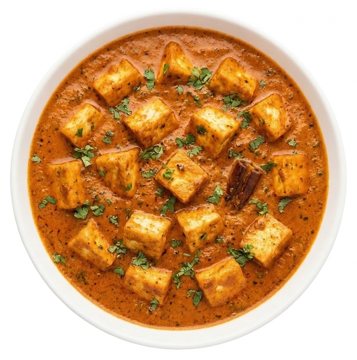
- Same: Both dishes feature paneer served in a smooth, spiced tomato gravy flavoured with cinnamon, cloves, bay leaves, and cardamom.
- Different: Paneer Makhani uses plain paneer cubes simmered with butter, single cream, garlic paste, and kasuri methi rather than deep-fried paneer dumplings stuffed with khoya, dried fruit, and clotted cream.
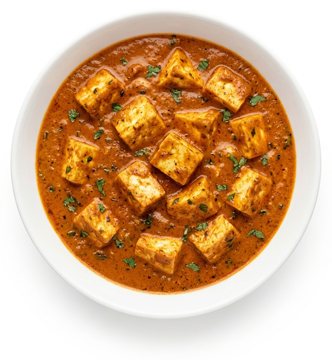
- Same: Paneer Butter Masala shares paneer, a tomato-cashew gravy, Kashmiri chilli, saffron, and cardamom-cinnamon-clove spice with this dish.
- Different: Paneer Butter Masala uses grilled paneer cubes, onion, garlic, ginger, tomato purée, sugar, Greek yoghurt, butter, dried fenugreek and garam masala, while this dish uses fried stuffed paneer dumplings with khoya, clotted cream, raisins and chickpea flour in a stock-based gravy.