
Raan Musallam
Raan musallam is a slow-roasted leg of lamb coated in a yoghurt marinade and a warm toasted spice blend. It is tender and aromatic, with saffron and cardamom in the background and a fresh mint-pomegranate finish.
Dry marinade spices
19 gToasted and ground before coating the lamb (step 2)Wet marinade spices
4.2 gStirred into the yoghurt marinade (step 7)Everything else


Method
- Mix 1.3 g ground cumin, 0.3 g black salt and 3 g dried mango powder in a small bowl; set aside.
- Put the dry marinade spices in a dry frying pan and toast over low heat for 7–8 minutes, moving the pan now and then. Let cool, then grind to a fine powder.
- Score 1200 g leg of lamb in several places and lay it in a deep baking dish.
- Coat the lamb with the dry marinade spices and set aside for 35–40 minutes.
- Warm 27 g vegetable oil or ghee in a frying pan over medium heat. Cook 150 g thinly sliced white onion for 6–8 minutes until it takes on colour.
- Add 18–21 g roughly chopped garlic and 10 g roughly chopped ginger root; cook for 4 minutes more, stirring. Let the mixture cool.
- Blend the onion mixture with 2 g green bird’s-eye chilli and 2 tbsp of the 280 g Greek yoghurt until smooth.
- Tip the paste into a bowl. Stir in the rest of the yoghurt, the wet marinade spices, 10 g meat tenderizer and salt to taste.
- Coat the lamb with the wet marinade, cover and chill for 5–6 hours or overnight.
- Remove the lamb from the fridge and leave at room temperature for 1 hour.
- Heat the oven to 180°C fan (400°F/gas 6).
- Set the lamb in a roasting tray and pour 199 g water into the base. Seal the tray with foil.
- Roast for 2 hours, spooning the juices over the lamb once halfway through.
- Remove the foil and roast for another 25–30 minutes.
- Lift the lamb onto a plate, cover loosely and rest for 20 minutes.
- Carve the lamb into thin slices. Scatter over the reserved cumin-salt-mango mixture, 30 g chopped mint leaf and 21.6 g pomegranate seed.
Don't have something?
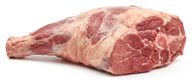
 Leg of spring lamb
Use the same weight; younger and tenderer, so reduce cooking by 10–15 minutes.
 Lamb shoulder
Use the same weight; more fat, so cook 15–20 minutes longer and skim excess fat.
 Leg of goat
Use the same weight; stronger flavour and tougher, so cook 15–20 minutes longer.


 Stock
Use the same weight in savoury dishes; it adds body, so adjust salt.
 Milk
Use the same weight only in doughs or creamy dishes; it makes the result richer.
 Coconut water
Use the same weight in curries or rice; it adds sweetness and a faint coconut taste.


 Green cardamom seed
Use 35 to 40% of the total pod weight; lightly bruise the seeds before frying in oil to release their essential oils.
 Ground green cardamom
Use 20 to 25% of the pod weight (about 1 generous pinch per pod); stir in toward the end of cooking so the delicate floral notes do not dissipate.
 White cardamom pod
Use 1:1 by pod count or weight; crack gently before using, though it is slightly less intensely floral.


 Ground cloves
Use 1 g ground for 4 g whole (or 1 small pinch per 2 to 3 whole cloves). Add with spice powders; disperses intense warmth quickly, so use with restraint.
 Allspice berries
Use 100% of the weight whole in tempering. Imparts a warm, clove-like aromatic profile combined with hints of nutmeg and cinnamon.
 Black cardamom pod
Use 1 pod for 3 to 4 cloves in whole tempering. Shares a camphor-like warmth and medicinal depth, though it introduces a distinct smoky undertone.


 Ground mace
Use 0.5 g ground mace for 1 g mace blade; add towards the end of frying spices as ground powder burns much quicker than whole blades.
 Nutmeg
Grate finely, using 50% of the weight; sweeter, deeper, and slightly heavier in aroma than delicate mace.
 Ground nutmeg
Use 40% of the weight; stir in gently with ground spices, avoiding high direct heat to prevent bitterness.


 Cinnamon stick
Use a 2 cm piece (about 1 g) for every 1 to 2 bay leaves. Fry in whole-spice temperings; provides the cassia-like warmth typical of Indian tejpatta.
 Ground cinnamon (cassia)
Use 0.5 g per leaf. Stir into the sauce during simmering; gives the same warm woodiness but darkens the colour slightly.


 Aniseed
Use 75% of the weight. Fry in hot oil or ghee; has a sharper, more pronounced liquorice flavour, so use a lighter hand.
 Ground fennel seed
Use 60% of the weight. Stir into the sauce with ground masalas; provides identical sweet aniseed flavour without whole seed crunch.
 Star anise
Use one point (single carpel) per 1 g of fennel seeds. Simmer in gravies and remove before serving; gives a deeper, woodier liquorice aroma.


 Ceylon cinnamon
True cinnamon: thinner, papery quills, milder and sweeter. Use about 1.5 times the weight, and taste.
- Ground cinnamon (cassia)
Use about a third of the weight (0.5 g ground for a 2.5 cm piece), stirred in with the ground spices rather than fried whole, since the powder burns quickly.
 Cassia buds
Use 60-70% of the weight; stronger and more peppery, so taste before adding more.


 Peanut oil
Use equal weight; handles high tempering heat well and keeps flavours neutral.
 Butter
Use equal weight; cook over gentle heat to prevent browning the milk solids too quickly.


 Brown onion
Use the same weight; it is the closest everyday match, with a slightly deeper sweetness when fried.
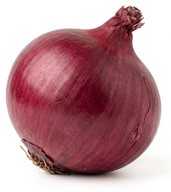 Red onion
Use the same weight; it is sharper and will tint the dish pink, so cook a little longer for sweetness.
 Shallot
Use the same weight; it is milder and sweeter, so reduce frying time slightly to avoid burning.

 Garlic paste
Use equal weight. Fry gently in oil or ghee with the ginger; incorporates smoothly into curries without visible minced bits.
 Garlic powder
Use 15% to 20% of the weight (about 1 g for every 5 to 6 g fresh cloves). Whisk into sauces; gives a savoury, toasted garlic flavour without raw pungency.
- Shallot
Use 1.5 times the weight, very finely minced. Sauté until golden; provides savoury allium sweetness, though it lacks garlic's pungent sulphur bite.


 Ginger paste
Use equal weight. Sauté in hot fat until the raw allium smell disappears; slightly wetter, but provides identical warmth and pungency.
 Ground ginger
Use 20% to 25% of the weight (1 g for every 4 to 5 g fresh). Stir into the gravy; adds peppery heat and warmth, though it misses the crisp, zesty kick of raw root.


- Bird's eye green chilli
Use the same weight; heat and flavour are very close.
 Green chilli
Use 1.5 to 2 times the weight; deseed for less heat. Larger chillies are more watery.
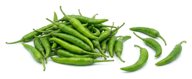 Fresh green chilli
Use 1.5 to 2 times the weight; chop finely and adjust heat by tasting.


 Hung natural yoghurt
Use the same weight and whisk smooth; same thick consistency.
 Full-fat natural yoghurt
Use 1.25 times the weight and strain through muslin for 30 minutes; looser if not strained.
 Hung yogurt
Use the same weight; virtually identical.


 Dried kashmiri chilli
Grind deseeded dried pods to an equal weight of powder; gives identical vivid red colour and gentle warmth.
 Red chilli powder
Use 25% of the weight mixed with sweet paprika for colour; straight red chilli powder is substantially hotter and will make the dish fiery.
 Chilli powder
Use one-third of the weight; the sauce will be less intensely red and notably sharper in heat.


 Ground turmeric
Use 15% of the saffron's weight. Replicates the bright yellow colour well, but lacks the floral, earthy depth; use sparingly to avoid bitterness.
 Screwpine water or rosewater
Use a few drops combined with a tiny pinch of ground turmeric to mimic both the regal floral aroma and the golden hue.


 Raw papaya paste
Use about 10 g per 500 g meat, rub in and leave 30 minutes; do not overdo or the meat turns mushy.
 Lemon juice
Use about 15 ml per 500 g meat, leave 20 minutes; acidic and lightly tenderising.
 Yoghurt
Use about 100 g per 500 g meat, leave overnight; mild tenderising and adds tang.


 Cumin seed
Dry-roast briefly and grind finely; use equal weight (1:1). Imparts an even punchier, nuttier, toasty aroma than pre-ground cumin.
 Ground coriander
Use equal weight (1:1). Adds mild, lemony sweetness rather than cumin's smoky, earthy bite; curries will taste lighter and less savoury.
 Black cumin seeds
Grind finely; use 60% to 75% of the weight. Produces a darker, more complex, smoky-herbal flavour suited to rich gravies.


 Ground dried mango powder
Use the same weight; same sour mango flavour. Add early so it can soften into the dish.
 Dried mango powder
Grind to a powder and use the same weight. Slightly coarser unless finely ground.
- Lemon juice
Use 5–6 times the weight, e.g. 1 tsp powder to about 5 tsp juice; add off the heat. Wetter and fresher-tasting.


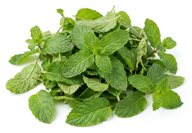 Mint leaves
Use the same weight; identical herb, just the plural listing.
 Dried mint
Use 25% of the fresh weight, about 1 g dried for 4 g fresh; crush between fingers. Flavour is stronger and slightly hay-like.
 Coriander leaf
Use the same weight; it gives a fresh green note but not true mint flavour.


 Pomegranate
Use the same weight of seeds from fresh fruit; about one fruit gives 100 g seeds. Deseed carefully.
 Dried pomegranate seeds
Use 20% of the weight, soak and crush; they add sourness, not fresh garnish.
 Green grape
Use the same weight, halved; good for garnish but less crunchy and less sour.


Similar dishes

- Same: Both use leg meat with onion and whole spices such as green cardamom, clove, cinnamon, and fennel.
- Different: Paye ki Yakhni lacks yoghurt, saffron, garlic, ginger, chilli, mint, pomegranate, dried mango powder, black salt, and meat tenderizer, and it uses semolina and more onion in a simmered broth rather than a yoghurt-marinated roast.

- Same: Meat Beliram and this dish both use lamb, yoghurt, onion, ginger, garlic, green cardamom, cinnamon, clove and Kashmiri chilli powder, and both are slow-cooked with warm whole spices.
- Different: Meat Beliram is a stovetop curry with 180 g ghee, 761 g plain yogurt, 750 g onion and coriander seeds; it lacks this dish's saffron, fennel, mace, bay leaf, dried mango powder, black salt, mint and pomegranate, and it is not a roasted leg of lamb.

- Same: Bengali Mangsho Ghugni shares with this dish a slow-cooked leg of lamb base built on onion, garlic, ginger, green bird's-eye chilli, Kashmiri chilli powder, green cardamom, clove, bay leaf, cumin and vegetable oil.
- Different: Bengali Mangsho Ghugni adds tomato, tomato purée, chickpeas, sugar, garam masala and lime, and it lacks this dish's yoghurt marinade, saffron, mace, fennel seed, cinnamon stick, dried mango powder, black salt, mint and pomegranate.

- Same: Kashmiri Qorma and this dish both use lamb with saffron, green cardamom, cinnamon and clove in a slow-cooked preparation.
- Different: Kashmiri Qorma is a ghee-rich curry with tamarind, sugar, raisins and saffron milk, while this dish is a yoghurt-marinated roast leg of lamb with fennel, dried mango powder, mint and pomegranate.