
Bengali Mangsho Ghugni
A slow-cooked Bengali-style lamb curry with chickpeas, built on an onion-tomato masala and finished with garam masala and lime. The lamb is tender, the chickpeas soft, and the sauce warmly spiced with a fresh citrus lift.
Whole spices for the oil
2 gAdded to the hot oil before the onions (step 2)Ground spices for the sauce
3.9 gStirred in after the garlic, ginger and chilli (step 5)Finishing garam masala
1.3 gStirred in at the end, off the heat (step 12)Everything else

Method
- Blend 12 g garlic and 10 g ginger root to a smooth paste. Set aside.
- Warm 40.5 g vegetable oil in a large saucepan over a medium heat. Add the whole spices for the oil and cook until they sizzle.
- Add 250 g white onion, thinly sliced, and fry for 12–14 minutes, stirring often.
- Stir in the garlic-ginger paste and 4 g green bird’s-eye chilli, slit lengthways, and cook for a few seconds.
- Add the ground spices for the sauce and stir well.
- Add 200 g tomato, finely chopped, and cook for 4 minutes, scraping the base; loosen with a little of the 497 g water if it catches.
- Stir in 5.2 g tomato purée.
- Add 600 g boneless leg of lamb, cut into bite-size chunks, and stir to coat. Cook for 5–6 minutes to colour the meat.
- Pour in 497 g water, add 4.2 g granulated sugar and salt to taste, and bring to the boil.
- Cover and simmer over a low heat for 40 minutes, stirring once halfway through.
- Add 200 g tinned chickpeas, drained, cover and cook for 20–25 minutes, stirring twice so the base does not catch.
- Stir in the finishing garam masala. Turn off the heat.
- Scatter over chopped coriander and finely chopped red onion to taste, then squeeze over the juice of 25 g lime. Serve warm.
Don't have something?

 Garlic paste
Use equal weight. Fry gently in oil or ghee with the ginger; incorporates smoothly into curries without visible minced bits.
 Garlic powder
Use 15% to 20% of the weight (about 1 g for every 5 to 6 g fresh cloves). Whisk into sauces; gives a savoury, toasted garlic flavour without raw pungency.
 Shallot
Use 1.5 times the weight, very finely minced. Sauté until golden; provides savoury allium sweetness, though it lacks garlic's pungent sulphur bite.


 Ginger paste
Use equal weight. Sauté in hot fat until the raw allium smell disappears; slightly wetter, but provides identical warmth and pungency.
 Ground ginger
Use 20% to 25% of the weight (1 g for every 4 to 5 g fresh). Stir into the gravy; adds peppery heat and warmth, though it misses the crisp, zesty kick of raw root.


 Peanut oil
Use 1:1 by weight. Handles high-heat frying identically and introduces a very subtle, pleasant nuttiness.
 Ghee
Use 1:1 by weight. Yields a much richer, authentic aroma and a glossy, heavier mouthfeel.
 Mustard oil
Use 1:1 by weight. Heat until smoking, then cool slightly before cooking to temper its intensely pungent, sharp mustard kick.


 Cinnamon stick
Use a 2 cm piece (about 1 g) for every 1 to 2 bay leaves. Fry in whole-spice temperings; provides the cassia-like warmth typical of Indian tejpatta.
 Ground cinnamon (cassia)
Use 0.5 g per leaf. Stir into the sauce during simmering; gives the same warm woodiness but darkens the colour slightly.


 Ground cloves
Use 1 g ground for 4 g whole (or 1 small pinch per 2 to 3 whole cloves). Add with spice powders; disperses intense warmth quickly, so use with restraint.
 Allspice berries
Use 100% of the weight whole in tempering. Imparts a warm, clove-like aromatic profile combined with hints of nutmeg and cinnamon.
 Black cardamom pod
Use 1 pod for 3 to 4 cloves in whole tempering. Shares a camphor-like warmth and medicinal depth, though it introduces a distinct smoky undertone.


 Green cardamom seed
Use 35 to 40% of the total pod weight; lightly bruise the seeds before frying in oil to release their essential oils.
 Ground green cardamom
Use 20 to 25% of the pod weight (about 1 generous pinch per pod); stir in toward the end of cooking so the delicate floral notes do not dissipate.
 White cardamom pod
Use 1:1 by pod count or weight; crack gently before using, though it is slightly less intensely floral.


 Brown onion
Use the same weight; it is the closest everyday match, with a slightly deeper sweetness when fried.
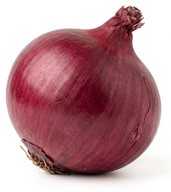 Red onion
Use the same weight; it is sharper and will tint the dish pink, so cook a little longer for sweetness.
- Shallot
Use the same weight; it is milder and sweeter, so reduce frying time slightly to avoid burning.


- Bird's eye green chilli
Use the same weight; heat and flavour are very close.
 Green chilli
Use 1.5 to 2 times the weight; deseed for less heat. Larger chillies are more watery.
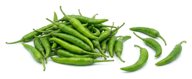 Fresh green chilli
Use 1.5 to 2 times the weight; chop finely and adjust heat by tasting.


 Cumin seed
Dry-roast briefly and grind finely; use equal weight (1:1). Imparts an even punchier, nuttier, toasty aroma than pre-ground cumin.
 Ground coriander
Use equal weight (1:1). Adds mild, lemony sweetness rather than cumin's smoky, earthy bite; curries will taste lighter and less savoury.
 Black cumin seeds
Grind finely; use 60% to 75% of the weight. Produces a darker, more complex, smoky-herbal flavour suited to rich gravies.


 Dried kashmiri chilli
Grind deseeded dried pods to an equal weight of powder; gives identical vivid red colour and gentle warmth.
 Red chilli powder
Use 25% of the weight mixed with sweet paprika for colour; straight red chilli powder is substantially hotter and will make the dish fiery.
 Chilli powder
Use one-third of the weight; the sauce will be less intensely red and notably sharper in heat.


 Tomato purée
Use 40% to 50% of the fresh tomato weight mixed with a splash of water. Imparts a deeper red colour, thicker sauce, and slightly sweeter cooked flavour.
 Plain yogurt
Use 60% of the weight, whisked smooth and added on low heat. Provides rich body and sourness, though the gravy becomes paler and creamier.

- Tomato
Use 200% to 250% of the weight. Finely grate or blend fresh tomatoes, then cook them down until the moisture evaporates and the oil separates.


 Boneless lamb shoulder
Use same weight; shoulder is more marbled, so the curry will be richer and can take the same simmering.
 Boneless lamb
Use same weight; ordinary boneless lamb is a good all-purpose swap, with similar cooking time.
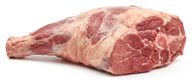 Leg of lamb
Use same weight, cut off the bone into even pieces; cooking time is similar.


 Stock
Use the same weight in savoury dishes; it adds body, so adjust salt.
 Milk
Use the same weight only in doughs or creamy dishes; it makes the result richer.
 Coconut water
Use the same weight in curries or rice; it adds sweetness and a faint coconut taste.


 Jaggery
Use equal weight; grate or shave finely so it dissolves rapidly, giving a warm, caramel-like sweetness and slightly darker sauce.


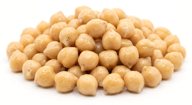 Canned chickpea
Use the same drained weight, rinse well and add near the end so it does not break up.
 Dried chickpea
Use about 40% of the cooked weight, soak overnight and boil until tender; cooking time is much longer.
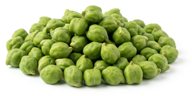 Green chickpea
Use the same weight and cook 10-15 minutes less; it is softer and sweeter.


- Ground cumin
Use 50% of the weight mixed with equal parts ground coriander and a pinch of ground cinnamon, ground cloves, and ground green cardamom. Sprinkle near the end for a warming finish.
 Lentil stew spice mix
Use 75% of the weight. Simmer briefly in the gravy; imparts roasted warmth and complexity, though it adds a slight tang and earthy lentil undertone.


 Coriander leaf
Use equal weight, chopped fresh and stirred in off the heat or used as garnish. Matches the citrus-herbal profile identically.
 Mint
Use 40% to 50% of the weight; chop finely and add at the very end. Adds fresh herbal brightness, but shifts the aroma toward cool menthol.


- Onion
Use the same weight; cook a little longer. Milder and less sweet when raw.
- Shallot
Use the same weight; sweeter and softer, so reduce cooking time slightly.
 Spring onion
Use only the white parts, weight for weight, for raw or quick-cooked dishes; green parts are too grassy for long cooking.


 Lemon
Use the same weight; sharper and less floral, so reduce any extra souring slightly.
 Lemon juice
Use about 30 g juice per lime (2 tbsp), strain pips; add at the end for fresh sourness.
 Dried mango powder
Use 1 g amchoor for about 15 g lime juice; add early with spices; gives dry mango sourness, not citrus aroma.


Similar dishes

- Same: Rajasthani Laal Maas and this dish are both slow-cooked lamb curries built on onion, garlic, ginger, Kashmiri chilli, garam masala, bay leaf, clove, coriander and vegetable oil.
- Different: Rajasthani Laal Maas uses lamb shoulder with marrow bone, ghee, dried Kashmiri chillies, lamb stock and coal smoke, and it has no chickpeas, lime, sugar, cumin, cardamom or fresh green chilli like this dish.

- Same: Raan Musallam shares lamb, onion, garlic, ginger, green chilli, Kashmiri chilli powder, cumin, cardamom, clove, bay leaf, oil or ghee, salt and water with this dish.
- Different: Raan Musallam uses a whole leg of lamb in a yoghurt marinade with saffron, mace, fennel, cinnamon, meat tenderizer, black salt, dried mango powder, mint and pomegranate, and it is slow-roasted rather than cooked as a onion-tomato chickpea curry finished with garam masala and lime.

- Same: It shares chickpeas, onion, tomato, garlic, ginger, cumin, Kashmiri chilli powder, tomato purée, sugar and coriander with this dish.
- Different: It uses ghee instead of vegetable oil, adds ground coriander and dried mango powder, uses tinned chickpeas, and lacks lamb, bay leaf, clove, fresh bird's-eye chilli, lime and red onion garnish.

- Same: Keema Baida Roti shares lamb, onion, garlic, ginger, Kashmiri chilli powder, garam masala, green chilli and lime with this dish.
- Different: Keema Baida Roti uses minced lamb, plain flour, egg, ghee and dried fenugreek leaf and is fried as a stuffed flatbread, while this dish is a slow-cooked curry with chickpeas, fresh tomato, water and a coriander-red onion garnish.