Indian cooking
Indian cooking / Dishes / Paye ki Yakhni
Paye ki Yakhni (Goats' Leg Soup)

Paye ki Yakhni

Goats' Leg Soup
Non-vegetarian●●●Origin HyderabadPrep 30 minutesCook 1 hour

A light and restorative goat trotter broth infused with whole spices and gently thickened with browned onions and semolina. It is savoury, aromatic, and rich in natural gelatin.

Yakhni whole spices

3.7 gAdded to the pressure cooker with the meat (step 3)
02
0.1 g2 cloves
spice
03
0.5 g1 piece
spice
04
2 g1 teaspoon
spice
Leave whole to infuse into the cooking broth.

Everything else

01
13 g3 teaspoons
oil/fat
02
300 g2 onions
vegetable
03
21 g2 tablespoons
flour
04
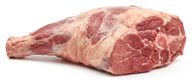
Goat or lamb leg · Mutton legcut into 5-cm / 2-inch pieces with marrow intact
500 g
meat
05
to taste
salt

Method

  1. Warm 13.2 g ghee in a deep, heavy pan set over medium heat, add 300 g chopped onion, and cook for 5 to 7 minutes until deep golden brown. Transfer the onions out with a slotted spoon and keep them aside.
  2. Add 2 tablespoon semolina to the residual fat in the pan and stir-fry for 2 to 3 minutes until it turns a light brown shade.
  3. Combine 500 g goat leg pieces, the Yakhni whole spices, salt to taste, and 1.5 litres of water in a pressure cooker. Seal the lid and cook under pressure for roughly 30 minutes until the meat is tender.
  4. Release the steam, open the pot, and stir in the fried onions along with the toasted semolina. Simmer for an additional 30 minutes (or, if using a regular heavy pan, keep simmering gently until the trotters are thoroughly tender).
  5. Pass the liquid through a fine strainer to separate the rich broth, then serve hot.

Don't have something?

Ghee
  • Unsalted butter

    Use 120% of the weight; melt gently over low heat to avoid burning the milk solids, which will yield a softer, creamier richness rather than a nutty aroma.

  • Vegetable oil

    Use 85% of the weight; holds high cooking temperatures without smoking, but the final dish will lack traditional dairy depth.

  • Mustard oil

    Use equal weight; heat to smoking point and cool slightly before cooking, bearing in mind it introduces an assertive, pungent edge.

Onion
  • Shallot

    Use equal weight, finely sliced. Shallots soften and brown faster, giving a slightly sweeter and more delicate base to curries.

  • Cabbage

    Use 80% of the weight, finely shredded and browned slowly with a pinch of asafoetida. Replicates the bulk and natural sweetness in gravies without allium.

Semolina
  • Coarse semolina

    Use the same weight. Soak 10 minutes longer and cook 2–3 minutes more; texture will be more granular.

  • Fine semolina

    Use the same weight. It cooks faster, so reduce cooking time by 2 minutes and stir well to avoid lumps.

  • Cream of wheat

    Use the same weight. It behaves like fine semolina; cook 1–2 minutes less and add liquid gradually.

Goat or lamb leg
  • Lamb leg

    Use the same weight. Lamb is usually more tender than goat, so check sooner and shorten cooking by about 10–15 minutes.

  • Lamb shoulder

    Use the same weight. More marbled and richer; it cooks faster and gives a softer, fattier result.

  • Leg of lamb

    Use the same weight. Lean and close in shape; trim excess fat and cook a little less than goat.

Green cardamom pod
  • Green cardamom seed

    Use 35 to 40% of the total pod weight; lightly bruise the seeds before frying in oil to release their essential oils.

  • Ground green cardamom

    Use 20 to 25% of the pod weight (about 1 generous pinch per pod); stir in toward the end of cooking so the delicate floral notes do not dissipate.

  • White cardamom pod

    Use 1:1 by pod count or weight; crack gently before using, though it is slightly less intensely floral.

Clove
  • Ground cloves

    Use 1 g ground for 4 g whole (or 1 small pinch per 2 to 3 whole cloves). Add with spice powders; disperses intense warmth quickly, so use with restraint.

  • Allspice berries

    Use 100% of the weight whole in tempering. Imparts a warm, clove-like aromatic profile combined with hints of nutmeg and cinnamon.

  • Black cardamom pod

    Use 1 pod for 3 to 4 cloves in whole tempering. Shares a camphor-like warmth and medicinal depth, though it introduces a distinct smoky undertone.

Cassia bark
  • Ceylon cinnamon

    True cinnamon: thinner, papery quills, milder and sweeter. Use about 1.5 times the weight, and taste.

  • Ground cinnamon (cassia)

    Use about a third of the weight (0.5 g ground for a 2.5 cm piece), stirred in with the ground spices rather than fried whole, since the powder burns quickly.


  • Cassia buds

    Use 60-70% of the weight; stronger and more peppery, so taste before adding more.

Fennel seed
  • Aniseed

    Use 75% of the weight. Fry in hot oil or ghee; has a sharper, more pronounced liquorice flavour, so use a lighter hand.

  • Ground fennel seed

    Use 60% of the weight. Stir into the sauce with ground masalas; provides identical sweet aniseed flavour without whole seed crunch.

  • Star anise

    Use one point (single carpel) per 1 g of fennel seeds. Simmer in gravies and remove before serving; gives a deeper, woodier liquorice aroma.

Similar dishes

Kabargah
Batter-fried Lamb Ribs
Kabargah is richer, crispier, and punchier with heat from chilli powder and ginger, compared to the light, gelatinous, and mild trotter broth of this dish.
  • Same: Both dishes feature tender bone-in red meat cooked with ghee, salt, and warm spices including green cardamom, cloves, cinnamon, and fennel seeds.
  • Different: Kabargah poaches lamb ribs in milk and fries them in a batter spiced with ginger, chilli powder, and asafoetida, whereas this dish simmers goat trotters into a brothy soup with browned onions.
Meat Beliram
Punjabi Lamb Curry
Meat Beliram tastes much richer, tangier from the yogurt, and spicier compared to this light, fennel-scented, and gelatinous broth.
  • Same: Meat Beliram also uses ghee, onions, and whole warm spices including green cardamom, cinnamon, and cloves to flavor red meat.
  • Different: Meat Beliram is a thick curry made with lamb meat, yogurt, ginger, garlic, coriander seeds, and Kashmiri chilli, whereas this dish is a goat trotter broth flavored with fennel seeds and semolina.
Kashmiri Qorma
Saffron-flavoured Lamb
It tastes sweet, sour, and saffron-rich from the sugar, raisins, and tamarind, whereas this dish is savoury, gelatinous, and fennel-scented.
  • Same: Kashmiri Qorma shares with this dish a base of red meat cooked in ghee with whole green cardamom, cinnamon, and cloves.
  • Different: Instead of simmering trotters into a broth with onions and fennel, Kashmiri Qorma slow-cooks lamb meat in far more ghee with saffron, tamarind extract, sugar, and raisins.
Gol Maas Kaachar
Lamb with Kachri
Gol Maas Kaachar tastes significantly spicier and tangier from the chilli, tomatoes, and yogurt, rather than mild, savoury, and fennel-scented like this dish.
  • Same: Gol Maas Kaachar shares the use of onions along with whole green cardamom, cloves, and cinnamon.
  • Different: Gol Maas Kaachar is a braised lamb curry cooked in mustard oil with yogurt, tomatoes, chilli powder, garlic, ginger, and bay leaf, whereas this dish is a light goat leg broth made with ghee, fennel seeds, and semolina.