Indian cooking
Indian cooking / Dishes / Murgh Makhani
Murgh Makhani (Butter Chicken)

Murgh Makhani

Butter Chicken
Non-vegetarian

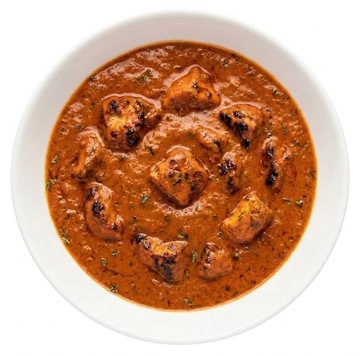
Murgh makhani is grilled, yoghurt-marinated chicken folded into a silky tomato, cream and butter sauce. It tastes rich, mildly tangy and aromatic, with gentle warmth from the spices.

Tandoori marinade spices

7 gStirred into the yoghurt marinade (step 4)
01
2.3 g1 teaspoon
spice
03
1.3 g½ teaspoon
spice blend
04
1.8 g1 teaspoon
spice
06
~0.3 gpinch
spice
Keep ground; stir them into the yoghurt mixture before the chicken goes in.

Chaat masala finish

3 gDusted over grilled chicken with lemon (step 8)
01
3 g1 teaspoon
spice blend
Keep ready to sprinkle over the cooked chicken.

Whole spices for the gravy butter

2.7 gFried in butter at the start of the gravy (step 9)
01
1.1 g6 pods
spice
03
0.3 g4 cloves
spice
Keep whole; add them together to the hot butter.

Ground spices for the gravy

3.8 gStirred in after the ginger and chilli (step 12)
02
1.3 g½ teaspoon
spice blend
Keep ground; add them together after the ginger and chilli.

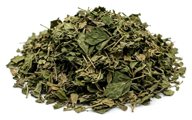
Kasuri methi finish

2 gStirred in with the honey (step 14)
Crush lightly before adding.

Everything else

01
10 g2½ cm
aromatic
02
12 g4 cloves
aromatic
03
1.5 g1 chilli
vegetable
04
30 g2 tablespoons
dairy
05
4 g2 teaspoons
flour
06
450 g
poultry
07
to taste
salt
08
Butter · Makhanfor basting
to taste
dairy
09
25 g½ lemon
fruit
10
to taste
other
11
21 g1½ tablespoons
dairy
12
Onion · Pyazfinely chopped
150 g1 onion
vegetable
13
6 g1 tablespoon
aromatic
14
3 g2 chillies
vegetable
15
47 g3 tablespoons
vegetable
16
149 g150 ml
dairy
17
42 g2 tablespoons
sweetener
18
to taste
salt
19
to taste
herb

Method

  1. Soak 5–6 wooden skewers in water while you prepare the chicken.
  2. Blend 10 g fresh ginger, 12 g garlic and 2 g green bird’s eye chilli to a smooth paste.
  3. Mix 30 g greek yoghurt and 4 g chickpea flour in a bowl until smooth.
  4. Stir the ginger-garlic-chilli paste into the yoghurt, then add the tandoori marinade spices (2.3 g mild paprika, 1.3 g kashmiri chilli powder, 1.3 g garam masala, 1.8 g ground coriander, 0.3 g ground cinnamon, 0.3 g saffron) and salt to taste.
  5. Add 450 g skinless boneless chicken thigh pieces and coat well. Marinate for 2–3 hours, or overnight in the fridge.
  6. Preheat the grill to medium-hot. Shake excess marinade off the chicken and thread the pieces onto the soaked skewers.
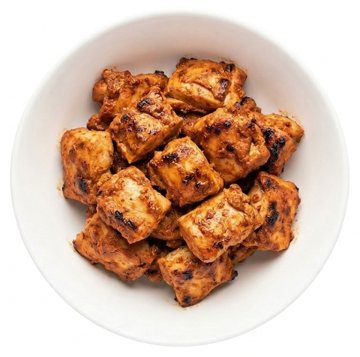
  7. Put the skewers on a wire rack on the top shelf. Grill for 15–20 minutes, turning every 5 minutes and brushing with melted butter, until cooked through with clear juices and dark patches at the edges.
  8. For butter chicken, set the grilled chicken aside. If serving tandoori-style, sprinkle with 3 g chaat masala, squeeze over 25 g lemon juice and serve with salad and chutney.
  9. Melt 21.2 g unsalted butter in a deep saucepan over low heat. Add the whole spices for the gravy butter (1.1 g green cardamom pod, lightly crushed, 2 g cassia bark, 0.3 g clove) and fry for 20 seconds.
  10. Add 150 g onion, finely chopped, and sauté over medium heat for 5–7 minutes until light brown.
  11. Add 6 g fresh ginger, grated, and 4 g green bird’s eye chilli, slit lengthways. Fry for 1 minute.
  12. Stir in the ground spices for the gravy (2.5 g kashmiri chilli powder or mild paprika, 1.3 g garam masala) for 20 seconds, then add 46.8 g tomato purée. Cook, stirring, for 2 minutes.
  13. Pour in 149 g double cream gradually, stirring, and simmer for 2 minutes.
  14. Stir in 42 g honey, the kasuri methi finish (2 g) and salt to taste. Add 50 ml water.
  15. Add the grilled chicken pieces and simmer over low heat for 6–8 minutes.
  16. Scatter over chopped coriander leaves and serve with naan.

Don't have something?

Fresh ginger
  • Ginger paste

    Use equal weight. Sauté in hot fat until the raw allium smell disappears; slightly wetter, but provides identical warmth and pungency.

  • Ground ginger

    Use 20% to 25% of the weight (1 g for every 4 to 5 g fresh). Stir into the gravy; adds peppery heat and warmth, though it misses the crisp, zesty kick of raw root.

Garlic
  • Garlic paste

    Use equal weight. Fry gently in oil or ghee with the ginger; incorporates smoothly into curries without visible minced bits.

  • Garlic powder

    Use 15% to 20% of the weight (about 1 g for every 5 to 6 g fresh cloves). Whisk into sauces; gives a savoury, toasted garlic flavour without raw pungency.

  • Shallot

    Use 1.5 times the weight, very finely minced. Sauté until golden; provides savoury allium sweetness, though it lacks garlic's pungent sulphur bite.

Green bird's eye chilli
  • Bird's eye green chilli

    Use the same weight; heat and flavour are very close.

  • Green chilli

    Use 1.5 to 2 times the weight; deseed for less heat. Larger chillies are more watery.

  • Fresh green chilli

    Use 1.5 to 2 times the weight; chop finely and adjust heat by tasting.

Greek yoghurt
Chickpea flour
  • Yellow split pea flour

    Use 100% of the weight. Many commercial gram flours are milled from split peas; performs identically in pakora batters and kadhi.

  • Cornstarch

    For crisping batters or binding cutlets: use 50% to 60% of the weight. Produces a very crisp shell but lacks the earthy, roasted nutty flavour of besan.

Paprika
  • Kashmiri red chilli powder

    Use the same weight for a similar mild colour; it has a little more heat, so taste as you go.

  • Red chilli powder

    Use 50–60% of the weight; it is much hotter, so add it gradually.

  • Cayenne pepper

    Use 25–40% of the weight; it gives heat but little colour, so it changes the look of the dish.

Kashmiri chilli powder
  • Dried kashmiri chilli

    Grind deseeded dried pods to an equal weight of powder; gives identical vivid red colour and gentle warmth.

  • Red chilli powder

    Use 25% of the weight mixed with sweet paprika for colour; straight red chilli powder is substantially hotter and will make the dish fiery.

  • Chilli powder

    Use one-third of the weight; the sauce will be less intensely red and notably sharper in heat.

Garam masala
  • Ground cumin

    Use 50% of the weight mixed with equal parts ground coriander and a pinch of ground cinnamon, ground cloves, and ground green cardamom. Sprinkle near the end for a warming finish.

  • Lentil stew spice mix

    Use 75% of the weight. Simmer briefly in the gravy; imparts roasted warmth and complexity, though it adds a slight tang and earthy lentil undertone.

Ground coriander
  • Coriander seeds

    Dry-roast lightly in a pan and grind to a fine powder; use equal weight (1:1). Offers a noticeably fresher, brighter citrus note.

  • Ground cumin

    Use 50% to 75% of the weight. Lacks the floral, citrusy profile of coriander and turns the gravy heavier, earthier, and darker.

  • Garam masala

    Use 50% of the weight and stir in near the end of cooking. Adds warmth and depth since it contains ground coriander, but introduces stronger spices like clove and cinnamon.

Ground cinnamon
  • Ground Ceylon cinnamon

    Milder and sweeter than ground cassia: use about 1.5 times the weight.

  • Cassia bark (Chinese cinnamon)

    Grind the same weight of cassia bark in a spice mill until powdery, or simmer a piece whole and lift it out before serving.

  • Ground mace

    Use 40 to 50% of the weight; offers a delicate, sweet, woodsy fragrance that complements rich curries without dominating.

Saffron
  • Ground turmeric

    Use 15% of the saffron's weight. Replicates the bright yellow colour well, but lacks the floral, earthy depth; use sparingly to avoid bitterness.

  • Screwpine water or rosewater

    Use a few drops combined with a tiny pinch of ground turmeric to mimic both the regal floral aroma and the golden hue.

Boneless chicken thigh
  • Boneless chicken

    Use the same weight, cut into thigh-sized pieces. If the mix includes breast, add breast pieces 5 minutes later so they do not dry out.

  • Skinless chicken thigh

    Use the same weight. Remove any skin and cut into cubes; cooking time and juiciness are almost the same.

  • Boneless chicken breast

    Use the same weight, cut into slightly larger cubes and marinate well. Reduce the final simmer by about 5 minutes; it is leaner and can dry out.

Butter
  • Unsalted butter

    Use 100% of the weight. If the original recipe relies on salted table butter, add a pinch of salt to balance.

  • Ghee

    Use 80% to 85% of the weight. Ghee is pure butterfat with moisture removed; it yields a deeper, nuttier flavour and handles high heat better.

  • Vegetable oil

    Use 80% of the weight for frying or tempering. The dish loses sweet dairy richness but remains glossy and light.

Chaat masala
  • Tandoori snack spice mix

    Use the same weight; taste first as it can be smokier and saltier. Add lime or amchoor if the dish needs more tang.

  • Dried mango powder

    Use about half the weight, mixed with black salt and a pinch of ground cumin. It gives tang and saltiness but lacks the minty, asafoetida notes.

  • Black salt

    Use about half the weight and add lime juice to taste. It gives the salty, sulphurous edge but not the full tangy blend.

Lemon
  • Lime

    Use the same weight or juice amount; sharper, so taste before adding all the juice.

  • Lemon juice

    Use about 45–50 ml for 1 lemon; add off the heat to keep the freshness.

  • Dried mango powder

    Use 1 tsp for the juice of 1 lemon; add early. Sourness is flatter and less fresh.

Salad and chutney
  • Chutney

    Use the same weight; any chutney works, but adjust salt and chilli to taste.

  • Green chutney

    Use the same weight; fresher and sharper, so reduce lemon juice elsewhere.

  • Salad

    Use the same weight; plain salad lacks the chutney tang, so add a squeeze of lemon.

Unsalted butter
  • Ghee

    Use 80% to 85% of the weight. Delivers rich dairy flavour without the milk solids or moisture; watch the heat as it cooks hotter.

  • Butter

    Use equal weight, but reduce the recipe's added salt by approximately 1.5% of the weight of butter used.

Green cardamom pod
  • Green cardamom seed

    Use 35 to 40% of the total pod weight; lightly bruise the seeds before frying in oil to release their essential oils.

  • Ground green cardamom

    Use 20 to 25% of the pod weight (about 1 generous pinch per pod); stir in toward the end of cooking so the delicate floral notes do not dissipate.

  • White cardamom pod

    Use 1:1 by pod count or weight; crack gently before using, though it is slightly less intensely floral.

Cassia bark
  • Ceylon cinnamon

    True cinnamon: thinner, papery quills, milder and sweeter. Use about 1.5 times the weight, and taste.

  • Ground cinnamon (cassia)

    Use about a third of the weight (0.5 g ground for a 2.5 cm piece), stirred in with the ground spices rather than fried whole, since the powder burns quickly.

  • Cassia buds

    Use 60-70% of the weight; stronger and more peppery, so taste before adding more.

Clove
  • Ground cloves

    Use 1 g ground for 4 g whole (or 1 small pinch per 2 to 3 whole cloves). Add with spice powders; disperses intense warmth quickly, so use with restraint.

  • Allspice berries

    Use 100% of the weight whole in tempering. Imparts a warm, clove-like aromatic profile combined with hints of nutmeg and cinnamon.

  • Black cardamom pod

    Use 1 pod for 3 to 4 cloves in whole tempering. Shares a camphor-like warmth and medicinal depth, though it introduces a distinct smoky undertone.

Onion
  • Shallot

    Use equal weight, finely sliced. Shallots soften and brown faster, giving a slightly sweeter and more delicate base to curries.

  • Cabbage

    Use 80% of the weight, finely shredded and browned slowly with a pinch of asafoetida. Replicates the bulk and natural sweetness in gravies without allium.


Kashmiri chilli powder or mild paprika
  • Kashmiri chilli powder

    Use the same weight; this is the first half of the book's option and gives the best red colour with mild heat.

  • Mild paprika

    Use the same weight; add a pinch of cayenne pepper for warmth. Slightly less colour.

  • Paprika

    Use the same weight and add cayenne pepper to taste; works but is less aromatic.

Tomato purée
  • Tomato

    Use 200% to 250% of the weight. Finely grate or blend fresh tomatoes, then cook them down until the moisture evaporates and the oil separates.

Double cream
  • Heavy cream

    Use the same weight; whips and cooks almost identically.

  • Single cream

    Use the same weight in cooking, but it will not whip; reduce other liquid slightly.

  • Clotted cream

    Use 80% of the weight; richer and thicker, good for serving but not for whipping.

Honey
  • Jaggery

    Use the same weight, grated and melted in a little warm liquid. It gives a stronger, earthy caramel flavour.

  • Caster sugar

    Use 75–80% of the weight and dissolve in the recipe's liquid. It is less moist and lacks honey's aroma.

  • Brown sugar

    Use the same weight, packed. It adds a mild molasses note and more moisture than white sugar.

Kasuri methi
  • Ground fenugreek

    Use 20% of the weight; stir in during tempering rather than crushing over at the end, and be cautious as it turns bitter easily.

  • Fenugreek seeds

    Crush lightly and fry in the initial oil tempering, using 25% of the weight; provides bitter notes but lacks leafy aroma.

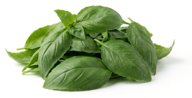
Coriander leaves
  • Coriander (cilantro) or basil

    Use the same weight, choosing the coriander element if available. If only basil is available, expect a sweeter, more aniseed flavour.

  • Basil leaves

    Use the same weight. Basil is sweeter and more aromatic in a different way; add near the end so it keeps its perfume.

  • Coriander paste

    Use 1.5 times the weight and reduce other liquid slightly; it is less fresh and more concentrated, so taste before adding more.

Similar dishes

Tandoori Chicken Tikka
Tandoori Chicken Tikka tastes tangier and drier from yoghurt and lime with a chaat-masala finish, while this dish tastes richer and creamier from tomato, cream, butter and honey.
  • Same: Tandoori Chicken Tikka shares with this dish a yoghurt marinade for chicken thigh with chickpea flour, kashmiri chilli, garam masala, ground coriander, cinnamon, saffron, butter, chaat masala and citrus.
  • Different: Tandoori Chicken Tikka lacks this dish's tomato purée, double cream, honey, onion, green cardamom, cassia bark and clove, and it is grilled and finished with lime and chaat masala rather than simmered in a tomato-cream-butter sauce.
Murgh Makhni
Chicken Tikka in Creamed Fresh Tomatoes
Murgh Makhni tastes tangier from yogurt and fresh tomatoes and more fragrant with whole spices, while this dish tastes richer and more buttery with a lemon-and-chaat-masala tang.
  • Same: Murgh Makhni shares with this dish a yogurt-and-ginger-garlic marinade for chicken thigh, Kashmiri chilli and garam masala, and a tomato-butter-cream gravy finished with honey and kasuri methi.
  • Different: Murgh Makhni chars chicken tikka for a gravy of fresh tomatoes, single cream, vegetable oil and bay leaf with whole cinnamon, cardamom and clove, while this dish grills yogurt-marinated chicken for a tomato purée sauce with double cream, butter, onion, saffron, lemon and chaat masala.
Bengali Chicken Chaap
Creamy Saffron & Yoghurt Chicken Curry
Bengali Chicken Chaap tastes creamy and gently spiced with nutty poppy and saffron, while this dish tastes richer, tangier and more tomato-butter-cream aromatic.
  • Same: Bengali Chicken Chaap shares with this dish a yoghurt-marinated chicken base and warm spices including saffron, cardamom, clove and cinnamon.
  • Different: Bengali Chicken Chaap uses cashew-poppy paste, bone-in chicken and ghee or oil, and lacks this dish’s tomato purée, double cream, butter, honey, kasuri methi, chaat masala and lemon.
Nalli Gosht
Spiced Lamb Shanks
Nalli Gosht tastes meatier and more tangy from lamb, yoghurt and lemon with a rose-water aroma, while this dish is creamier, sweeter from honey and milder from butter and tomato cream.
  • Same: Nalli Gosht shares yoghurt, tomato purée, onion, ginger, garlic, green chilli, kashmiri chilli, ground coriander, cassia, cardamom, clove, butter, lemon and coriander leaves with this dish.
  • Different: Nalli Gosht uses lamb shanks instead of chicken thigh, adds vegetable oil, turmeric, black peppercorn, nutmeg and rose water, and lacks cream, honey, kasuri methi, saffron, chaat masala and chickpea flour; it is slow-cooked rather than grilled.