
Murgh Makhni
Charred, tender pieces of spiced chicken tikka are bathed in a luscious, silky tomato gravy enriched with butter and cream. The flavour is mildly sweet, tangy, and deeply fragrant with warm whole spices.
Ginger-garlic paste
31 gRubbed over the chicken (step 1)Yoghurt marinade spice
2.6 gWhisked into the yoghurt marinade (step 2)Whole spices for the sauce
7 gSautéed in the oil (step 4)Kasuri methi
1.3 gSprinkled into the simmering sauce (step 6)Everything else

Method
- Place 16 chicken thighs into a shallow dish, rub thoroughly with the ginger-garlic paste and salt to taste, and set aside.
- In a separate bowl, whisk 240 g plain yogurt with 1 tbsp chilli powder and the yoghurt marinade spice. Coat the chicken thoroughly in this mixture, cover, and chill in the refrigerator for at least 4 hours.
- Preheat a grill, barbecue, or tandoor until moderately hot. Cook the chicken pieces for 4 minutes, flip them, and grill for another 3 minutes until cooked through, then set aside.
- Heat 40.5 g vegetable oil in a heavy saucepan over medium heat. Add the whole spices for the sauce, 5 cardamom pods, 24 g green chilli, and 12 g ginger, frying them for 2 minutes.
- Tip in 12 whole fresh tomatoes and cook over medium heat until they break down into a soft pulp. Transfer the contents to a blender, blend until smooth, and press through a fine strainer into a clean saucepan.
- Place the strained sauce back over the heat and bring to a boil. Stir in 1 tbsp chilli powder, 1 tbsp honey, 28.2 g butter, 0.5 tbsp tomato purée, and salt to taste, then drop to a gentle simmer for 20 minutes before scattering in the kasuri methi.
- Melt a small knob of extra butter in a wide pan over medium flame and sauté the cooked chicken thighs until piping hot. Pour in the prepared makhni sauce and 240 g single cream, lower the heat, and simmer gently for 2 to 3 minutes. Finish with an extra swirl of single cream before serving.
Don't have something?


 Boneless chicken
Use the same weight, cut into thigh-sized pieces. If the mix includes breast, add breast pieces 5 minutes later so they do not dry out.
 Skinless chicken thigh
Use the same weight. Remove any skin and cut into cubes; cooking time and juiciness are almost the same.
 Boneless chicken breast
Use the same weight, cut into slightly larger cubes and marinate well. Reduce the final simmer by about 5 minutes; it is leaner and can dry out.


 Fresh ginger
Use equal weight; peel and grate very finely on a microplane or pound to a fine paste in a mortar.
 Ginger
Use equal weight; mince finely and crush with the flat of a knife before frying.
 Ground ginger
Use 20% of the weight; add directly with the dry spice powders, though it yields an earthier, less pungent profile.


 Garlic
Use equal weight; crush or finely grate to a smooth pulp to replicate the same fresh, pungent moisture in your base gravy.
 Garlic powder
Use 20 to 25% of the weight; mix with a teaspoon of water before adding to oil so it does not burn, noting it lacks the fresh bite.


 Yogurt
Use equal weight, whisked thoroughly until smooth before adding to hot dishes to prevent curdling.
 Coconut milk
Use equal weight with 1 teaspoon lemon juice mixed in. Provides rich creaminess in curries, but adds a noticeable coconut flavour.
 Single cream
Use 80% of the weight plus a squeeze of lemon juice for acidity. Enriches sauces nicely, though it is richer and less tangy.


 Dried kashmiri chilli
Grind deseeded dried pods to an equal weight of powder; gives identical vivid red colour and gentle warmth.
 Red chilli powder
Use 25% of the weight mixed with sweet paprika for colour; straight red chilli powder is substantially hotter and will make the dish fiery.
 Chilli powder
Use one-third of the weight; the sauce will be less intensely red and notably sharper in heat.


 Ground cumin
Use 50% of the weight mixed with equal parts ground coriander and a pinch of ground cinnamon, ground cloves, and ground green cardamom. Sprinkle near the end for a warming finish.
 Lentil stew spice mix
Use 75% of the weight. Simmer briefly in the gravy; imparts roasted warmth and complexity, though it adds a slight tang and earthy lentil undertone.


 Peanut oil
Use 1:1 by weight. Handles high-heat frying identically and introduces a very subtle, pleasant nuttiness.
 Ghee
Use 1:1 by weight. Yields a much richer, authentic aroma and a glossy, heavier mouthfeel.
 Mustard oil
Use 1:1 by weight. Heat until smoking, then cool slightly before cooking to temper its intensely pungent, sharp mustard kick.


 Ceylon cinnamon
True cinnamon: thinner, papery quills, milder and sweeter. Use about 1.5 times the weight, and taste.
 Ground cinnamon (cassia)
Use about a third of the weight (0.5 g ground for a 2.5 cm piece), stirred in with the ground spices rather than fried whole, since the powder burns quickly.
 Cassia buds
Use 60-70% of the weight; stronger and more peppery, so taste before adding more.


 Green cardamom seed
Use 35 to 40% of the total pod weight; lightly bruise the seeds before frying in oil to release their essential oils.
 Ground green cardamom
Use 20 to 25% of the pod weight (about 1 generous pinch per pod); stir in toward the end of cooking so the delicate floral notes do not dissipate.
 White cardamom pod
Use 1:1 by pod count or weight; crack gently before using, though it is slightly less intensely floral.


 Ground cloves
Use 1 g ground for 4 g whole (or 1 small pinch per 2 to 3 whole cloves). Add with spice powders; disperses intense warmth quickly, so use with restraint.
 Allspice berries
Use 100% of the weight whole in tempering. Imparts a warm, clove-like aromatic profile combined with hints of nutmeg and cinnamon.
 Black cardamom pod
Use 1 pod for 3 to 4 cloves in whole tempering. Shares a camphor-like warmth and medicinal depth, though it introduces a distinct smoky undertone.


- Chilli powder
Use 10 to 15% of the weight (about 1/4 teaspoon per chilli); imparts dry pungent heat and reddens the dish without the grassy crunch.
 Dried red chilli
Use 1 dried pod per fresh green chilli; snap in half and temper in hot oil for a deeper, toastier heat.


- Fresh ginger
Use equal weight; scrape off the skin and grate or finely julienne according to the recipe.
- Ginger paste
Use equal weight; stir straight into the sizzling aromatics, taking care as the extra moisture may spit.
- Ground ginger
Use 15 to 20% of the weight; add alongside ground spices, noting it imparts warm, dry heat rather than zesty freshness.


- Cinnamon stick
Use a 2 cm piece (about 1 g) for every 1 to 2 bay leaves. Fry in whole-spice temperings; provides the cassia-like warmth typical of Indian tejpatta.
- Ground cinnamon (cassia)
Use 0.5 g per leaf. Stir into the sauce during simmering; gives the same warm woodiness but darkens the colour slightly.


 Tomato purée
Use 40% to 50% of the fresh tomato weight mixed with a splash of water. Imparts a deeper red colour, thicker sauce, and slightly sweeter cooked flavour.
- Plain yogurt
Use 60% of the weight, whisked smooth and added on low heat. Provides rich body and sourness, though the gravy becomes paler and creamier.


 Jaggery
Use the same weight, grated and melted in a little warm liquid. It gives a stronger, earthy caramel flavour.
 Caster sugar
Use 75–80% of the weight and dissolve in the recipe's liquid. It is less moist and lacks honey's aroma.
 Brown sugar
Use the same weight, packed. It adds a mild molasses note and more moisture than white sugar.


 Unsalted butter
Use 100% of the weight. If the original recipe relies on salted table butter, add a pinch of salt to balance.
- Ghee
Use 80% to 85% of the weight. Ghee is pure butterfat with moisture removed; it yields a deeper, nuttier flavour and handles high heat better.
- Vegetable oil
Use 80% of the weight for frying or tempering. The dish loses sweet dairy richness but remains glossy and light.

- Tomato
Use 200% to 250% of the weight. Finely grate or blend fresh tomatoes, then cook them down until the moisture evaporates and the oil separates.
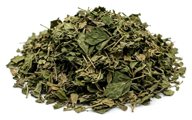
 Ground fenugreek
Use 20% of the weight; stir in during tempering rather than crushing over at the end, and be cautious as it turns bitter easily.
 Fenugreek seeds
Crush lightly and fry in the initial oil tempering, using 25% of the weight; provides bitter notes but lacks leafy aroma.


 Whole milk
Use equal weight, whisked with a small knob of unsalted butter. Simmer gently over low heat to reduce curdling; sauce will be slightly lighter.
 Clotted cream
Use 50% weight combined with 50% whole milk, whisked until smooth. Adds intense richness, so stir in at the very end off the heat.
 Cashew paste
Use 60% cashew paste mixed with 40% warm water. Creates a silky, luxurious thickening that won't split even under high heat.


Similar dishes
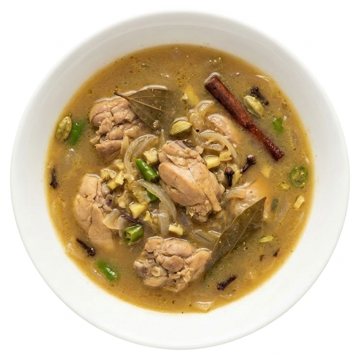
- Same: Chicken Ishtoo also features chicken cooked with ginger, garlic, green chillies, and whole spices like cinnamon, cloves, and bay leaves.
- Different: Chicken Ishtoo braises the meat gently with lots of onions and green cardamom, omitting the tomatoes, yogurt, cream, butter, and kasuri methi used in this dish.
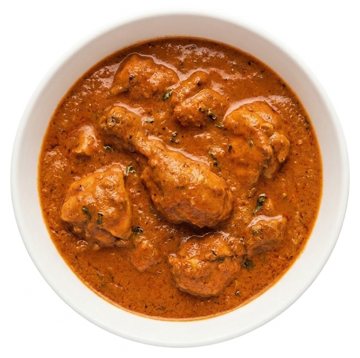
- Same: Butter Chicken shares the yogurt marinade, ginger-garlic paste, Kashmiri chilli, garam masala, kasuri methi, tomato gravy, butter, and cream with this dish.
- Different: Butter Chicken adds lime juice, ground coriander, cumin, turmeric, and regular chilli powder, and uses more butter and yogurt but less tomato and much less cream than this dish; it lacks this dish's whole cinnamon, cardamom, clove, bay leaf, green chilli, fresh ginger, honey, and tomato purée, and its chicken is slow-cooked rather than charred tikka.
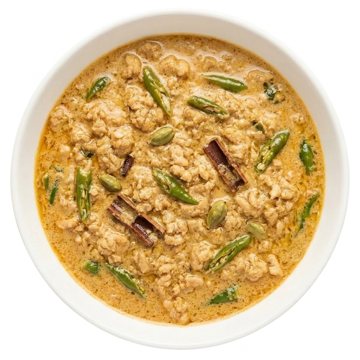
- Same: Murg Rezhala shares plain yogurt, ginger paste, garlic paste, green chilli, cinnamon and green cardamom with this dish.
- Different: Murg Rezhala uses minced chicken, saffron milk and sugar, and lacks tomato, butter, cream, honey, kasuri methi and charred tikka pieces; it is cooked as a yogurt-based curry rather than a tomato-butter-cream gravy.

- Same: Khad Murg shares chicken, a yogurt marinade, ginger and garlic pastes, chilli powder, and whole spices such as cinnamon, green cardamom, clove, and bay leaf with this dish.
- Different: Khad Murg lacks tomato, cream, honey, and kasuri methi; it uses saffron milk, almond paste, lemon juice, chicken stock, ghee, and handkerchief bread, and it is braised then wrapped and baked instead of charred and simmered in a tomato-butter-cream gravy.