
Marinated Tandoori Monkfish with Green Mango Chutney
Tandoori-style monkfish in a tangy yoghurt and spice marinade, grilled until just done and served with a fresh green mango chutney. The fish is warm-spiced and smoky, with a sharp, herby chutney on the side.
Marinade masala
166 gStirred into the hung yoghurt (step 2)Chaat masala finish
1.4 gDusted over the grilled fish (step 14)Tempering spices
6 gAdded to the hot oil for the chutney (step 5)Everything else

Method
- Put 200 g greek yoghurt into a muslin cloth, tie the corners and suspend it over a bowl for 1 hour; do not stir it.
- Stir 50 g ginger garlic paste, 40.5 g mustard oil, 25 g sea salt and the marinade masala (3 g nigella seeds, 2 g fennel seed, 2.2 g caraway seeds, 9 g ground turmeric, 100 g kasuri methi) into the hung yoghurt.
- Coat 600 g monkfish pieces gently in the marinade, cover and refrigerate for a few hours.
- Heat 2 tbsp of the 137 g vegetable oil in a large heavy pan over medium heat.
- Add the tempering spices (3.3 g yellow mustard seed, 3 g dried kashmiri chilli), 4.2 g chana dal and 30 g curry leaves and stir for 30 seconds until they crackle and pop.
- Take the pan off the heat and let the oil cool.
- Blend 400 g coriander leaves, fresh ginger root to taste (thumb-size), 18 g green chilli, 200 g coconut pieces, 12 g garlic and 200 g green mango to a thick paste.
- With the blender running, add the rest of the 137 g vegetable oil and blend until thick.
- Scrape the chutney into a bowl and stir in the cooled tempering spices with their oil.
- Season the chutney to taste with sea salt and caster sugar.
- Refrigerate the chutney until needed; bring it back to room temperature before serving.
- Heat the grill to medium and grill the marinated monkfish for about 4 minutes on each side, until coloured outside and just opaque at the centre.
- If the fish colours too fast, move it to a hot oven to finish.
- Dust the fish with 1.4 g chaat masala and squeeze over lemon juice to taste.
- Serve with the green mango chutney and 50 g lime wedges.
Don't have something?


 Cod fillet
Use the same weight, cut to the same thickness; cooking time is similar, but check it just flakes rather than overcooks.
 Hake fillet
Use the same weight, cut into thick pieces; softer than monkfish, so reduce simmering by a few minutes.
 Firm white fish fillet
Use the same weight and thickness; keep pieces large so they do not break up in the curry.


 Tandoori snack spice mix
Use the same weight; taste first as it can be smokier and saltier. Add lime or amchoor if the dish needs more tang.
 Dried mango powder
Use about half the weight, mixed with black salt and a pinch of ground cumin. It gives tang and saltiness but lacks the minty, asafoetida notes.
 Black salt
Use about half the weight and add lime juice to taste. It gives the salty, sulphurous edge but not the full tangy blend.


 Lime juice
Use equal volume or weight; delivers almost identical sharp acidity with a faintly more aromatic, bitter-edged profile.
 Dried mango powder
Use 25% of the weight (about 1 g amchoor for 4 g juice); provides clean fruity tartness without thinning the sauce.
 White vinegar
Use 75% of the volume; gives direct sourness without any citrus floral fragrance.


 Lemon
Use the same weight; sharper and less floral, so reduce any extra souring slightly.
- Lemon juice
Use about 30 g juice per lime (2 tbsp), strain pips; add at the end for fresh sourness.
- Dried mango powder
Use 1 g amchoor for about 15 g lime juice; add early with spices; gives dry mango sourness, not citrus aroma.


 Hung natural yoghurt
Use the same weight and whisk smooth; same thick consistency.
 Full-fat natural yoghurt
Use 1.25 times the weight and strain through muslin for 30 minutes; looser if not strained.
 Hung yogurt
Use the same weight; virtually identical.


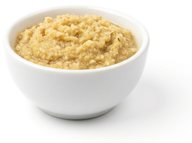
- Ginger and garlic paste
Use the same weight; the difference is only the order of the names.
 Garlic paste
Mix with an equal weight of ginger paste and use the same total weight.
 Garlic
For 20 g paste use about 10 g crushed garlic and 10 g grated ginger root with a splash of water. Add a little extra water if the dish looks dry.


 Peanut oil
Use equal weight. It handles high-heat cooking well, but lacks the signature pungent, nasal heat of mustard oil.
 Vegetable oil
Use equal weight. Neutral in flavour, so your curry will lack the characteristic Bengali or North Indian pungent punch.


 Black cumin seeds
Use equal weight. Imparts an earthy, slightly bitter note in temperings, though it lacks nigella's oniony sharpness.
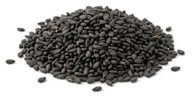 Black sesame seeds
Use equal weight. Gives a similar speckled appearance and light crunch on breads, but provides a nutty rather than herbaceous, onion-like flavour.


 Aniseed
Use 75% of the weight. Fry in hot oil or ghee; has a sharper, more pronounced liquorice flavour, so use a lighter hand.
 Ground fennel seed
Use 60% of the weight. Stir into the sauce with ground masalas; provides identical sweet aniseed flavour without whole seed crunch.
 Star anise
Use one point (single carpel) per 1 g of fennel seeds. Simmer in gravies and remove before serving; gives a deeper, woodier liquorice aroma.


- Fennel seed
Same weight, lightly crushed; sweeter and milder but the closest match for the anise note.
 Cumin seed
Use two-thirds the weight; earthier and warmer, losing most of the aniseed character — good in breads and root vegetables.
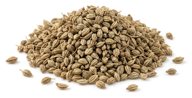 Carom seeds
Use half the weight; much more pungent and thyme-like, so add early in hot oil to soften it.


 Ground ginger
Use 50% of the weight. Mimics turmeric's warm, earthy, rhizome background, but provides none of the golden-yellow colour.
 Saffron
Steep a tiny pinch (0.1 g per 2 g turmeric) in 2 tbsp warm water; use to match the rich golden hue. Contributes an aristocratic, honeyed floral flavour rather than earthy bitterness.


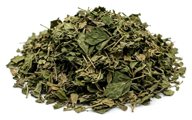
 Ground fenugreek
Use 20% of the weight; stir in during tempering rather than crushing over at the end, and be cautious as it turns bitter easily.
 Fenugreek seeds
Crush lightly and fry in the initial oil tempering, using 25% of the weight; provides bitter notes but lacks leafy aroma.


- Peanut oil
Use 1:1 by weight. Handles high-heat frying identically and introduces a very subtle, pleasant nuttiness.
 Ghee
Use 1:1 by weight. Yields a much richer, authentic aroma and a glossy, heavier mouthfeel.
- Mustard oil
Use 1:1 by weight. Heat until smoking, then cool slightly before cooking to temper its intensely pungent, sharp mustard kick.


 Mustard seed
Use the same weight for tempering. It is the closest match; watch the heat because it can pop faster than yellow mustard seed.
 Black mustard seed
Use the same weight, or 75% if you want less heat. It is sharper and more pungent; temper in hot oil as usual.
 Mustard powder
Use about half the weight of whole seed, mix with a little water and add near the end. It will not give the same whole-seed crunch in a tempering.


 Yellow split peas
Use 100% of the weight. Soak for at least 1 hour; takes about 10 minutes longer to cook through and has a marginally earthier flavour.
 Pigeon peas
Use 100% of the weight. Reduces cooking time by about 10 minutes and breaks down softer, giving a smoother consistency rather than distinct grains.
 Black gram
For tempering or tadka only: use 70% of the weight. Browns faster in hot oil, providing a nutty, crunchy bite.


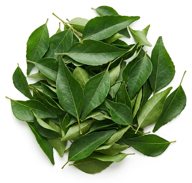
 Curry leaf
Use the same weight; tear and fry in oil as usual.
 Lime leaf
Use 50% of the weight, torn; citrusy but not resinous.
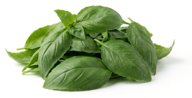 Basil leaves
Use the same weight; sweet and aniseed-like, but quite different.



 Kashmiri chilli powder
Use 1 g powder for every 1.5 g whole dried chilli; whisk with a spoonful of warm water and stir into the masala to provide identical ruby colour and mild heat.
 Dried red chilli
Use 35% to 40% of the weight; discard seeds before tearing into oil to temper. Delivers a much fiercer heat, with significantly less red colouring.


 Coriander (cilantro) or basil
Use the same weight, choosing the coriander element if available. If only basil is available, expect a sweeter, more aniseed flavour.
- Basil leaves
Use the same weight. Basil is sweeter and more aromatic in a different way; add near the end so it keeps its perfume.
 Coriander paste
Use 1.5 times the weight and reduce other liquid slightly; it is less fresh and more concentrated, so taste before adding more.


 Ginger paste
Use equal weight. Sauté in hot fat until the raw allium smell disappears; slightly wetter, but provides identical warmth and pungency.
- Ground ginger
Use 20% to 25% of the weight (1 g for every 4 to 5 g fresh). Stir into the gravy; adds peppery heat and warmth, though it misses the crisp, zesty kick of raw root.


 Chilli powder
Use 10 to 15% of the weight (about 1/4 teaspoon per chilli); imparts dry pungent heat and reddens the dish without the grassy crunch.
- Dried red chilli
Use 1 dried pod per fresh green chilli; snap in half and temper in hot oil for a deeper, toastier heat.


 Fresh coconut
Use the same weight and cut into pieces the same size; this is the closest.
 Desiccated coconut
Use 70% of the weight, soak in warm water for 15 minutes and drain; it is drier and chewier.
 Grated coconut
Use the same weight; texture is much smaller, so fold in gently at the end.


- Garlic paste
Use equal weight. Fry gently in oil or ghee with the ginger; incorporates smoothly into curries without visible minced bits.
 Garlic powder
Use 15% to 20% of the weight (about 1 g for every 5 to 6 g fresh cloves). Whisk into sauces; gives a savoury, toasted garlic flavour without raw pungency.
 Shallot
Use 1.5 times the weight, very finely minced. Sauté until golden; provides savoury allium sweetness, though it lacks garlic's pungent sulphur bite.


 Raw green mango
Use the same weight; same result.
 Raw unripe mango
Use the same weight; same result.
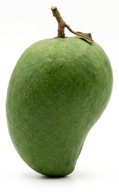 Sour green mango
Use the same weight; more sour, so adjust sugar.


 Granulated sugar
Use the same weight. It is slightly coarser, so stir a little longer to dissolve; in baking, grind briefly if a fine texture matters.
 Demerara sugar
Use the same weight, but dissolve it earlier as it is coarser. It adds a light caramel note and a little colour.
 Ground jaggery or soft brown sugar
Use the same weight; crush or grate jaggery first. It darkens the dish and adds molasses flavour, so reduce other liquid slightly.


Similar dishes

- Same: It shares grilled fish with a fresh coconut-and-coriander chutney, and both chutneys use mustard seed, chana dal, curry leaves, dried Kashmiri chilli, ginger, green chilli, coconut, coriander, sea salt and sugar.
- Different: It uses whole sea bream with a spiced salt marinade and no yoghurt, kasuri methi, chaat masala or mustard oil, and its chutney uses lemon juice instead of green mango.
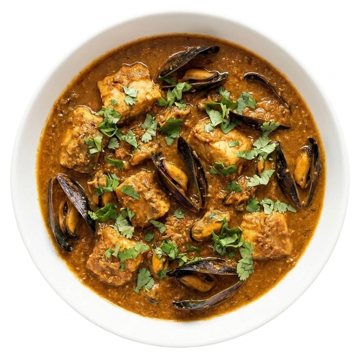
- Same: Both are fish dishes that use ginger garlic paste, ground turmeric, fennel seed, coriander and sea salt, and both include coconut.
- Different: Goan Fish Curry is a simmered wet curry with hake, mussels, fish stock, white wine, tamarind paste and a toasted coconut-seed masala; it lacks this dish's yoghurt marinade, mustard oil, nigella seeds, caraway seeds, chana dal, curry leaves and green mango chutney, and it is not grilled.

- Same: Hake with Malai Sauce shares with this dish a 600 g white fish fillet marinated with turmeric, oil, ginger garlic paste, salt, lime or lemon, and coriander.
- Different: Hake with Malai Sauce is fried and served over a coconut-milk red onion sauce with samphire and toasted poha, while this dish is yoghurt-marinated, grilled, and served with a green mango, coconut, curry leaf, mustard seed, and chilli chutney.

- Same: It shares mustard oil, ginger-garlic paste, turmeric, caraway, fennel, green chilli, chaat masala, sea salt and caster sugar with this dish.
- Different: It uses haddock in a cornstarch crust and is deep-fried, while this dish uses monkfish in a yoghurt marinade and is grilled; it has pea purée and pickled shallots, but lacks green mango chutney, coconut, curry leaves, chana dal, kasuri methi and nigella seeds.