
Goan Fish Curry
A Goan-style fish and mussel curry with a toasted coconut and seed masala, tamarind sourness and gentle warmth. The sauce is rich and tangy, with tender hake and briny mussels.
Toasted coconut and seed masala
28 gToasted and blended, then added to the pan after the ginger-garlic paste (step 4)Ginger-garlic paste
30 gStirred into the hot oil (step 3)Ground turmeric
6 gStirred in after the coconut masala (step 5)Everything else

Method
- Put 11.1 g fenugreek seed, 5.1 g coriander seeds, 6.3 g cumin seed, 6 g fennel seed and 200 g coconut in a dry frying pan over medium heat. Stir continuously for about 30 seconds, until the coconut turns light brown. Take off the heat and leave to cool.
- Blend the cooled coconut and seed mixture to a fine paste.
- Heat 13.5 g vegetable oil in a deep pan. Add 30 g ginger garlic paste and cook for 1 minute.
- Add the toasted coconut and seed masala and cook over low heat for 5 minutes.
- Stir in 6 g ground turmeric, cover and cook for 2 minutes.
- Stir in 199 g fish stock and bring to the boil. Add 100 g tamarind paste, then season to taste with caster sugar and sea salt. Cover and cook for 5 minutes.
- Add 300 g hake fillet, cut into chunks, re-cover and cook gently for 3–4 minutes, until the fish flakes readily.
- Meanwhile, rinse 200 g mussels well; scrub and debeard them. Heat a wide heavy pan over medium heat and add dry white wine to taste. Add the mussels, cover with a tight lid and cook for about 4 minutes, until they open. Throw away any that stay shut.
- Add the opened mussels to the sauce, mix well and cook for a few more minutes.
- Divide the seafood and sauce between bowls and top with 30 g coriander, fresh leaves.
Don't have something?


 Cod fillet
Use the same weight. Cod is firmer, so cook 2 minutes longer and stir less.
 Haddock
Use the same weight. It is slightly firmer and flakier; cook for about the same time and handle gently.
 Firm white fish fillet
Use the same weight. Cook until it just flakes, checking early because thickness varies.


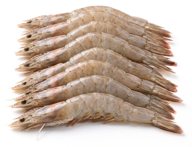 Prawn
Use the same weight, shelled; add in the last 2-3 minutes until pink. Texture is firmer and less briny.
 Small prawn
Use the same weight; they cook very quickly, so add at the end and do not simmer long.
- Firm white fish fillet
Use the same weight, cut into chunks; add 3-4 minutes before serving. Less briny, so taste and add salt.


 White wine vinegar
For 100 ml wine use 25 ml white wine vinegar plus 75 ml water; simmer 2 minutes to soften the sharpness.
 Lemon juice
For 100 ml wine use 1 tbsp lemon juice made up to 100 ml with water; add off the heat. Sharper and less complex.
 Vegetable stock
Use the same volume; add 1 tsp vinegar or lemon juice for acidity. Lighter, without wine's fermented depth.


 Coriander leaf
Use equal weight, chopped fresh and stirred in off the heat or used as garnish. Matches the citrus-herbal profile identically.
 Mint
Use 40% to 50% of the weight; chop finely and add at the very end. Adds fresh herbal brightness, but shifts the aroma toward cool menthol.


 Mustard seed
Use 50% of the weight, crush or grind. Sharper heat and less maple-bitter; fry briefly in oil before adding.
 Caraway seeds
Use the same weight, crush lightly. Similar bitter-seed note but more aniseed; reduce other sweet spices slightly.
 Ajwain seeds
Use 25–30% of the weight, crush. Much stronger thyme-like flavour; do not overdo.


 Ground coriander
Use 75% of the weight; stir in along with wet masala or tomato purée rather than frying in hot oil, as the fine powder burns instantly.
 Cumin seed
Use 50% of the weight for tempering in hot oil. Lacks the floral, sweet citrus flavour of coriander, introducing warm, pungent earthiness instead.
 Fennel seed
Use 50% of the weight in tempering; provides pleasant aromatic sweetness, though noticeably aniseedy rather than citrusy.

 Ground cumin
Use 70% of the weight; add with ground spices or sauce bases rather than hot oil tempering, where it scorches quickly and turns bitter.
 Black cumin seeds
Use equal weight for oil tempering. Delivers an earthy profile with an additional musky, smoky, and slightly bitter edge.
- Fennel seed
Use 60% of the weight for tempering; offers comparable warm aroma, but leans sweet and liquorice-like rather than savoury and earthy.


 Aniseed
Use 75% of the weight. Fry in hot oil or ghee; has a sharper, more pronounced liquorice flavour, so use a lighter hand.
 Ground fennel seed
Use 60% of the weight. Stir into the sauce with ground masalas; provides identical sweet aniseed flavour without whole seed crunch.
 Star anise
Use one point (single carpel) per 1 g of fennel seeds. Simmer in gravies and remove before serving; gives a deeper, woodier liquorice aroma.


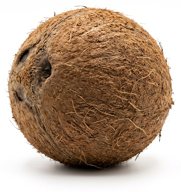
 Fresh coconut
Use equal weight freshly grated or diced. Delivers the identical sweet, milky taste and juicy texture.
 Desiccated coconut
Use 60% of the weight and soak in hot water or milk for 15 minutes before using. The finished dish will be slightly sweeter and less fibrous.
 Dried coconut
Finely grate and use 50% of the weight, soaked in hot water for 20 minutes. Yields a firmer chew and a denser, oilier coconut aroma.


 Peanut oil
Use 1:1 by weight. Handles high-heat frying identically and introduces a very subtle, pleasant nuttiness.
 Ghee
Use 1:1 by weight. Yields a much richer, authentic aroma and a glossy, heavier mouthfeel.
 Mustard oil
Use 1:1 by weight. Heat until smoking, then cool slightly before cooking to temper its intensely pungent, sharp mustard kick.


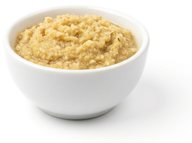
- Ginger and garlic paste
Use the same weight; the difference is only the order of the names.
 Garlic paste
Mix with an equal weight of ginger paste and use the same total weight.
 Garlic
For 20 g paste use about 10 g crushed garlic and 10 g grated ginger root with a splash of water. Add a little extra water if the dish looks dry.


 Ground ginger
Use 50% of the weight. Mimics turmeric's warm, earthy, rhizome background, but provides none of the golden-yellow colour.
 Saffron
Steep a tiny pinch (0.1 g per 2 g turmeric) in 2 tbsp warm water; use to match the rich golden hue. Contributes an aristocratic, honeyed floral flavour rather than earthy bitterness.


 Chicken stock
Use the same volume. It gives a fuller, less fishy base; simmer with a few prawn shells if you have them.
- Vegetable stock
Use the same volume for a neutral version; add 1 tsp soy sauce per 250 ml to hint at fish.
 Water
Use the same volume with a pinch of salt. The dish will be thinner, so reduce other liquid slightly.


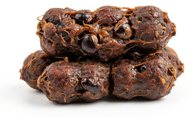 Tamarind pulp
Use 120–150% of the weight and strain; pulp is less concentrated, so simmer a little longer to thicken.
 Tamarind extract
Use 150–200% of the weight and reduce gently; extract is already diluted.
 Lime juice
Use 60–70% of the weight with a pinch of jaggery; sharper, so add near the end off the heat.


 Granulated sugar
Use the same weight. It is slightly coarser, so stir a little longer to dissolve; in baking, grind briefly if a fine texture matters.
 Demerara sugar
Use the same weight, but dissolve it earlier as it is coarser. It adds a light caramel note and a little colour.
 Ground jaggery or soft brown sugar
Use the same weight; crush or grate jaggery first. It darkens the dish and adds molasses flavour, so reduce other liquid slightly.


Similar dishes

- Same: Goan Fish Caldine shares coconut, tamarind, cumin, coriander seed and turmeric with this dish, and both are fish curries cooked with vegetable oil.
- Different: Goan Fish Caldine uses cod, coconut milk, tomato, onion, green chilli and vinegar, while this dish uses hake and mussels, toasted coconut and seed masala, white wine, fenugreek, fennel and fish stock.

- Same: Patrani Machli and this dish both pair white fish with a coconut, coriander and cumin-spiced coating or masala.
- Different: Patrani Machli is steamed in banana leaf with green chilli, garlic and lemon juice, while this dish is a simmered curry with hake and mussels, tamarind, fish stock, white wine, turmeric, fenugreek and fennel.

- Same: Maharashtrian Fish Kalwan shares fish, coconut, tamarind, ginger, garlic, turmeric, vegetable oil and coriander with this dish.
- Different: Maharashtrian Fish Kalwan uses firm white fish only, coconut milk, malt vinegar, curry leaves, bird’s eye chilli, Kashmiri chilli powder, black peppercorn and cumin seed, while this dish adds hake and mussels, white wine, fish stock, fenugreek, coriander seed, fennel seed, caster sugar and a toasted coconut and seed masala.

- Same: Hake with Malai Sauce shares hake, vegetable oil, turmeric, ginger garlic paste, cumin and coconut with this dish.
- Different: It lacks mussels, tamarind, fenugreek, fennel, fish stock and white wine, and it uses coconut milk, red onion, bay leaf, cardamom, lime juice, samphire and poha instead.