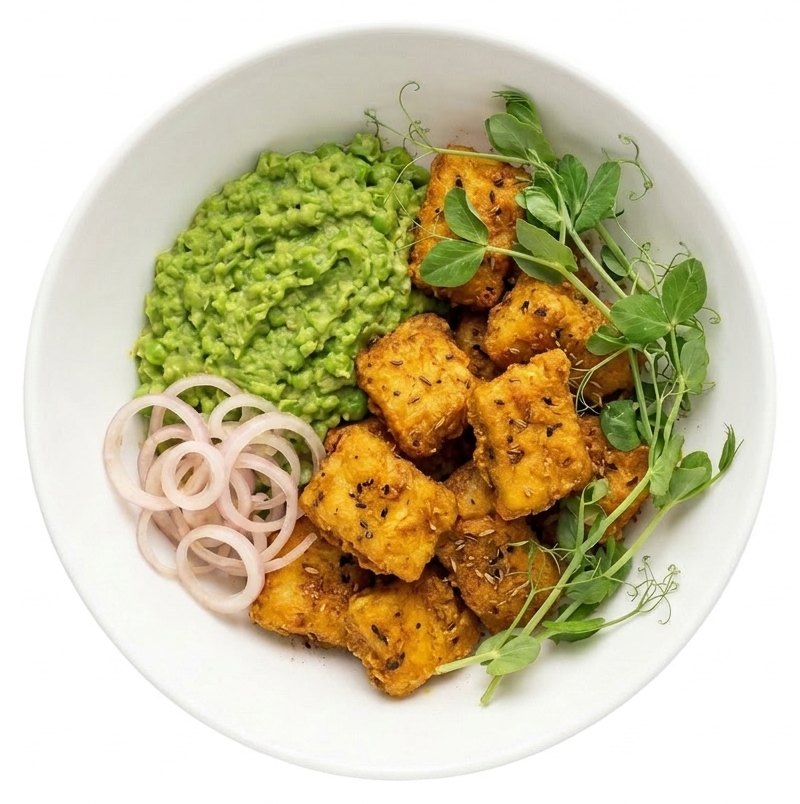
Amritsari Haddock in Mustard Oil
Crisp fried haddock marinated in mustard oil and warm whole spices, then coated in a turmeric-chilli cornstarch crust. It eats pungent and lightly sharp, with cool pea purée and quick-pickled shallots alongside.
Mustard marinade seeds
7 gToasted and added to the mustard-oil marinade (step 2)Ginger & garlic paste
30 gStirred into the marinade (step 3)Coating spices
34 gMixed into the cornstarch for dusting the fish (step 7)Chaat masala garnish
0.3 gScattered over the fried fish (step 10)Everything else


Method
- Put 200 g banana shallot rings in 199 g pickling liquor and leave at room temperature for 1–2 hours, then refrigerate.
- Toast the mustard marinade seeds in a dry frying pan over low heat for about 30 seconds, until fragrant. Tip out and cool.
- In a bowl, mix the cooled seeds, 91.3 g mustard oil, 12 g green chilli and 30 g ginger garlic paste. Season to taste with caster sugar and sea salt.
- Turn 600 g haddock pieces in the marinade until fully coated. Cover and refrigerate.
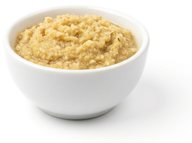
- Blend 500 g petit pois to a smooth, thick purée, adding a splash of water only if needed.
- Heat 913 g vegetable oil in a deep heavy pan to 180°C (350°F). A bread cube should bubble at once.
- Mix 400 g cornstarch with the coating spices, 0.3 g caster sugar and 0.3 g sea salt.
- Dust the marinated haddock lightly in the seasoned cornstarch, shaking off excess.
- Fry the fish in batches for about 2 minutes, until golden brown. Lift out and drain on kitchen paper.
- Scatter 0.3 g chaat masala over the fish. Add the pickled shallots and 200 g pea shoots, and serve the pea purée alongside.
Don't have something?


 Cod fillet
Use the same weight. Cod is firmer and breaks less, so cook 2–3 minutes longer and handle gently.
 Hake fillet
Use the same weight. Hake is softer, so reduce the simmer by 2–3 minutes and turn the pieces carefully.
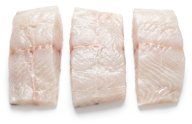 Firm white fish fillet
Use the same weight. Check doneness early, as thickness varies; stop cooking as soon as it flakes.


 Peanut oil
Use 1:1 by weight. Handles high-heat frying identically and introduces a very subtle, pleasant nuttiness.
 Ghee
Use 1:1 by weight. Yields a much richer, authentic aroma and a glossy, heavier mouthfeel.
 Mustard oil
Use 1:1 by weight. Heat until smoking, then cool slightly before cooking to temper its intensely pungent, sharp mustard kick.


 Chickpea flour
Whisk equal weight thoroughly with cold water before stirring into hot sauce; thickens well, but imparts an earthy, nutty taste and pale golden colour.


 Ground ginger
Use 50% of the weight. Mimics turmeric's warm, earthy, rhizome background, but provides none of the golden-yellow colour.
 Saffron
Steep a tiny pinch (0.1 g per 2 g turmeric) in 2 tbsp warm water; use to match the rich golden hue. Contributes an aristocratic, honeyed floral flavour rather than earthy bitterness.


 Dried kashmiri chilli
Grind deseeded dried pods to an equal weight of powder; gives identical vivid red colour and gentle warmth.
 Red chilli powder
Use 25% of the weight mixed with sweet paprika for colour; straight red chilli powder is substantially hotter and will make the dish fiery.
 Chilli powder
Use one-third of the weight; the sauce will be less intensely red and notably sharper in heat.


 Tandoori snack spice mix
Use the same weight; taste first as it can be smokier and saltier. Add lime or amchoor if the dish needs more tang.
 Dried mango powder
Use about half the weight, mixed with black salt and a pinch of ground cumin. It gives tang and saltiness but lacks the minty, asafoetida notes.
 Black salt
Use about half the weight and add lime juice to taste. It gives the salty, sulphurous edge but not the full tangy blend.


 Pea pod
Use the same weight, sliced thinly and cooked 1 minute longer; not a raw-leaf texture.
 Spinach
Use the same weight; wilts faster and is less sweet.
 Watercress
Use the same weight; peppery, best raw or added at the end.


 Granulated sugar
Use the same weight. It is slightly coarser, so stir a little longer to dissolve; in baking, grind briefly if a fine texture matters.
 Demerara sugar
Use the same weight, but dissolve it earlier as it is coarser. It adds a light caramel note and a little colour.
 Ground jaggery or soft brown sugar
Use the same weight; crush or grate jaggery first. It darkens the dish and adds molasses flavour, so reduce other liquid slightly.







 White vinegar
Use 70% of the weight, make up the rest with water, and add a little granulated sugar if the liquor was sweet. Sharper and thinner.
 White wine vinegar
Use at 70% of the weight with water. Milder and fruitier than pickling liquor.
 Malt vinegar
Use at 60% of the weight with water; stronger and maltier, so reduce any other vinegar in the dish.


 Fennel seed
Same weight, lightly crushed; sweeter and milder but the closest match for the anise note.
 Cumin seed
Use two-thirds the weight; earthier and warmer, losing most of the aniseed character — good in breads and root vegetables.
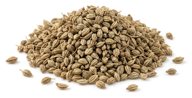 Carom seeds
Use half the weight; much more pungent and thyme-like, so add early in hot oil to soften it.


 Black cumin seeds
Use equal weight. Imparts an earthy, slightly bitter note in temperings, though it lacks nigella's oniony sharpness.
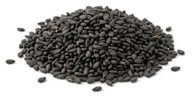 Black sesame seeds
Use equal weight. Gives a similar speckled appearance and light crunch on breads, but provides a nutty rather than herbaceous, onion-like flavour.


 Aniseed
Use 75% of the weight. Fry in hot oil or ghee; has a sharper, more pronounced liquorice flavour, so use a lighter hand.
 Ground fennel seed
Use 60% of the weight. Stir into the sauce with ground masalas; provides identical sweet aniseed flavour without whole seed crunch.
 Star anise
Use one point (single carpel) per 1 g of fennel seeds. Simmer in gravies and remove before serving; gives a deeper, woodier liquorice aroma.


- Peanut oil
Use equal weight. It handles high-heat cooking well, but lacks the signature pungent, nasal heat of mustard oil.
- Vegetable oil
Use equal weight. Neutral in flavour, so your curry will lack the characteristic Bengali or North Indian pungent punch.


- Chilli powder
Use 10 to 15% of the weight (about 1/4 teaspoon per chilli); imparts dry pungent heat and reddens the dish without the grassy crunch.
 Dried red chilli
Use 1 dried pod per fresh green chilli; snap in half and temper in hot oil for a deeper, toastier heat.

- Ginger and garlic paste
Use the same weight; the difference is only the order of the names.
 Garlic paste
Mix with an equal weight of ginger paste and use the same total weight.
 Garlic
For 20 g paste use about 10 g crushed garlic and 10 g grated ginger root with a splash of water. Add a little extra water if the dish looks dry.


Similar dishes

- Same: It shares mustard oil, Kashmiri chilli powder, green chilli, petit pois, pickling liquor, caster sugar, sea salt and ginger/garlic with this dish.
- Different: It is cured sea trout with kasundi mustard, gin, lemon and lime zest and kohlrabi rather than cornstarch-crusted fried haddock with turmeric, whole spices, pea shoots and pickled shallots.

- Same: It shares mustard oil, Kashmiri chilli powder, chaat masala, onion seed, green chilli and pickling liquor with this dish, and both pair fish with a pickled garnish.
- Different: It uses mackerel fillet and is torched, not cornstarch-crusted and fried like this dish; it has gooseberry chutney, cucumber, flaked almonds, kasundi mustard and bay leaf, and lacks this dish's pea purée, pea shoots and shallots.

- Same: Grilled Sea Bream with Coconut & Coriander Chutney shares fish, vegetable oil, Kashmiri chilli, green chilli, ginger garlic paste, onion seed, fennel seed, caraway seeds, sea salt and caster sugar with this dish.
- Different: Grilled Sea Bream with Coconut & Coriander Chutney uses whole sea bream griddled and grilled with a spiced salt marinade, while this dish uses haddock marinated in mustard oil and fried in a turmeric-chilli cornstarch crust; it has coconut, coriander leaves, lime, curry leaf, chana dal and black mustard seed, and lacks cornstarch, mustard oil, pea purée, pickled shallots, chaat masala and pickling liquor.

- Same: Tandoori Fish Tikka with Turmeric, Carom Seeds & Chaat Masala shares fish, mustard oil, turmeric and Kashmiri chilli powder with this dish.
- Different: It uses cod in a yoghurt and chickpea-flour marinade and is grilled with ghee, carom seeds and garam masala, while this dish coats haddock in a cornstarch crust and deep-fries it with whole caraway, onion and fennel seeds and serves pea purée and pickled shallots.