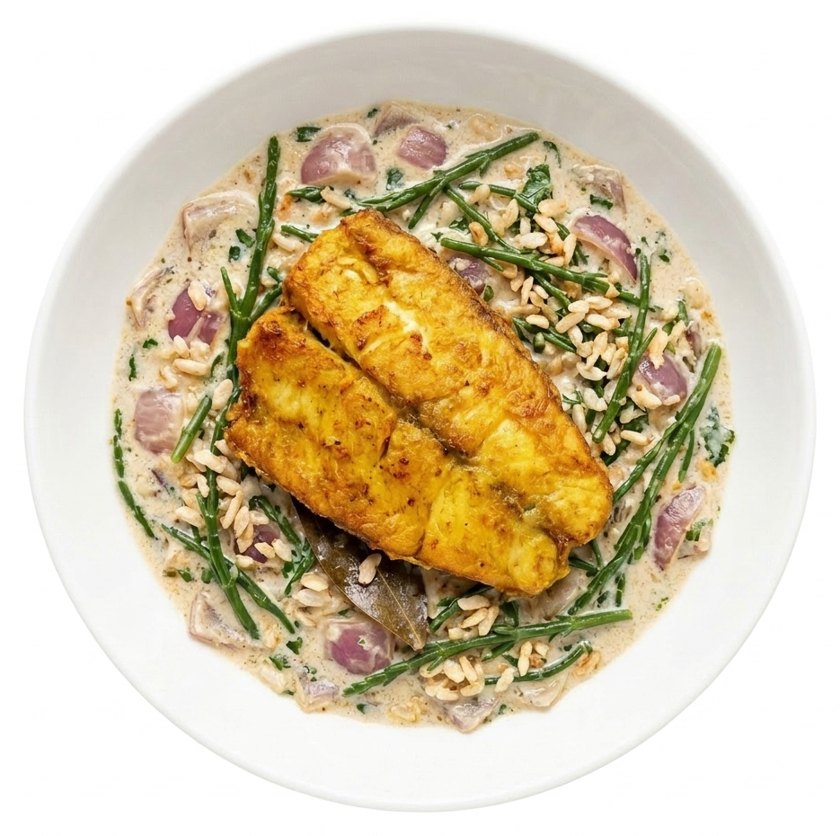
Hake with Malai Sauce
Hake fillets are marinated with turmeric and oil, pan-fried until crisp, and served over a creamy coconut-milk onion sauce with samphire and toasted poha. The sauce is aromatic, mildly sweet and tangy, while the fish and poha add crisp texture.
Marinade turmeric
0.3 gRubbed into the hake with oil and salt (step 1)Whole spice for the oil
0.4 gDropped into the hot oil before the onion purée (step 3)Ground spices for the sauce
64 gStirred in after the onion purée has browned (step 5)Finishing spice for the sauce
6 gStirred in after the coconut milk (step 7)Everything else

Method
- Rub 54 g vegetable oil, 0.3 g ground turmeric and 0.3 g sea salt over 600 g hake fillet; set aside to marinate.
- Blitz 500 g red onion chunks to a smooth purée.
- Heat 137 g vegetable oil in a pan, add the whole spice for the oil, then add the onion purée.
- Cook over medium heat for about 10 minutes, stirring often, until the onion water has gone and the purée is brown.
- Stir in the ground spices for the sauce and cook for 2 minutes.
- Pour in 507 g coconut milk and stir until thick.
- Add the finishing spice for the sauce, 1.5 g coriander leaves, 15.3 g lime juice, sea salt and caster sugar to taste; stir.
- Heat 1 tbsp vegetable oil in a frying pan and cook the hake skin-side down over medium-high heat for about 5 minutes until crisp.
- Flip the fish, add 120 g samphire and warm through.
- Toast 60 g poha in a hot dry frying pan for about 30 seconds until toasted.
- Serve the hake and samphire on the malai sauce and scatter over the poha.
Don't have something?


 Cod fillet
Use the same weight. Cod is firmer, so cook 2 minutes longer and stir less.
 Haddock
Use the same weight. It is slightly firmer and flakier; cook for about the same time and handle gently.
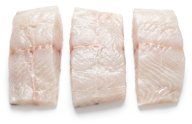 Firm white fish fillet
Use the same weight. Cook until it just flakes, checking early because thickness varies.


 Peanut oil
Use 1:1 by weight. Handles high-heat frying identically and introduces a very subtle, pleasant nuttiness.
 Ghee
Use 1:1 by weight. Yields a much richer, authentic aroma and a glossy, heavier mouthfeel.
 Mustard oil
Use 1:1 by weight. Heat until smoking, then cool slightly before cooking to temper its intensely pungent, sharp mustard kick.


 Ground ginger
Use 50% of the weight. Mimics turmeric's warm, earthy, rhizome background, but provides none of the golden-yellow colour.
 Saffron
Steep a tiny pinch (0.1 g per 2 g turmeric) in 2 tbsp warm water; use to match the rich golden hue. Contributes an aristocratic, honeyed floral flavour rather than earthy bitterness.


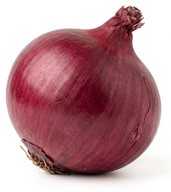
 Onion
Use the same weight; cook a little longer. Milder and less sweet when raw.
 Shallot
Use the same weight; sweeter and softer, so reduce cooking time slightly.
 Spring onion
Use only the white parts, weight for weight, for raw or quick-cooked dishes; green parts are too grassy for long cooking.


 Bay leaf
Use the same number or weight. Ordinary bay is milder and lacks the cinnamon-clove note; add early and remove before serving.
 Cassia bark (Chinese cinnamon)
Use about 1 g cassia for every 2 g Indian bay leaf. It gives a warm cinnamon note but not a true laurel flavour; remove before serving.
- Cinnamon stick
Use a small 1 cm piece for 2 leaves. It adds warm sweetness but not bay flavour; remove before serving.


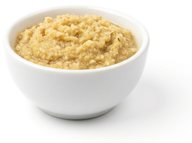
- Ginger and garlic paste
Use the same weight; the difference is only the order of the names.
 Garlic paste
Mix with an equal weight of ginger paste and use the same total weight.
 Garlic
For 20 g paste use about 10 g crushed garlic and 10 g grated ginger root with a splash of water. Add a little extra water if the dish looks dry.


 Cumin seed
Dry-roast briefly and grind finely; use equal weight (1:1). Imparts an even punchier, nuttier, toasty aroma than pre-ground cumin.
 Ground coriander
Use equal weight (1:1). Adds mild, lemony sweetness rather than cumin's smoky, earthy bite; curries will taste lighter and less savoury.
 Black cumin seeds
Grind finely; use 60% to 75% of the weight. Produces a darker, more complex, smoky-herbal flavour suited to rich gravies.


 Single cream
Use equal weight; simmer gently over low heat to prevent curdling. Imparts a comparable rich texture, though it adds dairy richness without any coconut fragrance.
 Cashew paste
Whisk 1 part cashew paste with 2 parts water to match the consistency, then use equal weight. Provides a thick, velvety body without coconut flavour.
 Whole milk
Use equal weight, but reduce other cooking liquids by 20% to compensate for the lower viscosity. The curry will be lighter and lack sweetness.


 Cardamom seed
Grind the same weight; remove the pods first for a cleaner, stronger powder.
 Green cardamom pod seed
Grind the same weight of the seeds from green pods; discard the husks for the best flavour.
 Ground green cardamom
Use the same weight; it is the same spice and works directly.


 Coriander (cilantro) or basil
Use the same weight, choosing the coriander element if available. If only basil is available, expect a sweeter, more aniseed flavour.
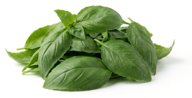 Basil leaves
Use the same weight. Basil is sweeter and more aromatic in a different way; add near the end so it keeps its perfume.
 Coriander paste
Use 1.5 times the weight and reduce other liquid slightly; it is less fresh and more concentrated, so taste before adding more.



 Lemon juice
Use equal volume or weight; slightly sweeter and less pungent, but otherwise an imperceptible swap.
 Dried mango powder
Use 25% of the weight; imparts dry, fruity sourness, best stirred in right at the end of cooking.
 Tamarind extract
Use 50% of the weight; delivers pleasant fruity tang but turns pale sauces considerably darker.


 Granulated sugar
Use the same weight. It is slightly coarser, so stir a little longer to dissolve; in baking, grind briefly if a fine texture matters.
 Demerara sugar
Use the same weight, but dissolve it earlier as it is coarser. It adds a light caramel note and a little colour.
 Ground jaggery or soft brown sugar
Use the same weight; crush or grate jaggery first. It darkens the dish and adds molasses flavour, so reduce other liquid slightly.


 French bean
Use the same weight; blanch for 2–3 minutes and add no salt, as beans are not salty.
 Asparagus spear
Use the same weight; blanch for about 2 minutes; similar shape but not salty.
 Green bean
Use the same weight; blanch for 2–3 minutes; gives texture only.


 Thick flattened rice
Use the same weight; rinse in a sieve and soak 5–10 minutes until just soft. It is the same poha in a thicker grade, so texture is close.
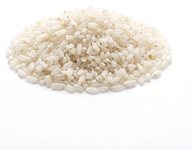 Coarsely broken rice
Use the same weight; soak 20–30 minutes and cook 5 minutes longer. Grains stay separate and less flaky.
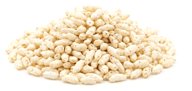 Puffed rice
Use the same weight only for dry snacks; it goes soggy if soaked. Not for poha-style dishes.

Similar dishes
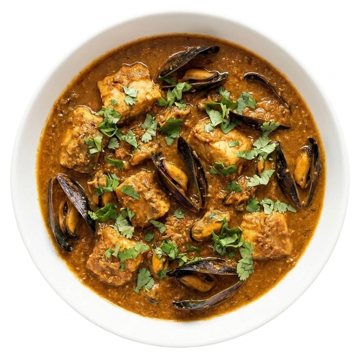
- Same: Goan Fish Curry shares hake, turmeric, ginger garlic paste and vegetable oil with this dish, and both build the sauce on coconut.
- Different: Goan Fish Curry adds mussels, tamarind paste, toasted coconut with fenugreek, coriander, cumin and fennel seeds, fish stock and white wine, while this dish uses coconut milk, red onion, lime juice, cardamom, samphire and toasted poha and fries the hake before serving.

- Same: Meen Thala Kari shares with this dish coconut milk, ground turmeric, ground cumin, vegetable oil, ginger, salt and fish as core ingredients.
- Different: Meen Thala Kari uses fish head, tamarind extract, tomato, green chilli, ground coriander, chilli powder, okra and aubergine, and it lacks hake fillet, samphire, poha, red onion, garlic, lime juice, cardamom, bay leaf and caster sugar, while it simmers the fish head in a coconut-tamarind curry instead of frying marinated hake and serving it over an onion sauce.

- Same: Kerala Meen Mappas shares with this dish fish, coconut milk, onion, ginger, garlic, turmeric and lime juice.
- Different: It uses sea bream instead of hake, adds mustard seeds, curry leaves, green bird’s eye chilli, tamarind paste, Kashmiri chilli powder and black pepper, and is a simmered curry rather than fried turmeric-marinated fish served with samphire and toasted poha.

- Same: Maharashtrian Fish Kalwan shares with this dish the use of white fish, coconut milk, turmeric, ginger, garlic, cumin, coriander and vegetable oil in a coconut-based fish preparation.
- Different: Maharashtrian Fish Kalwan uses tamarind paste, malt vinegar, fresh coconut, curry leaves, green bird’s eye chilli, Kashmiri chilli powder and black peppercorn, and it lacks this dish’s red onion, bay leaf, cardamom, lime juice, sugar, samphire and toasted poha; it is a curry rather than fried hake served over an onion sauce.