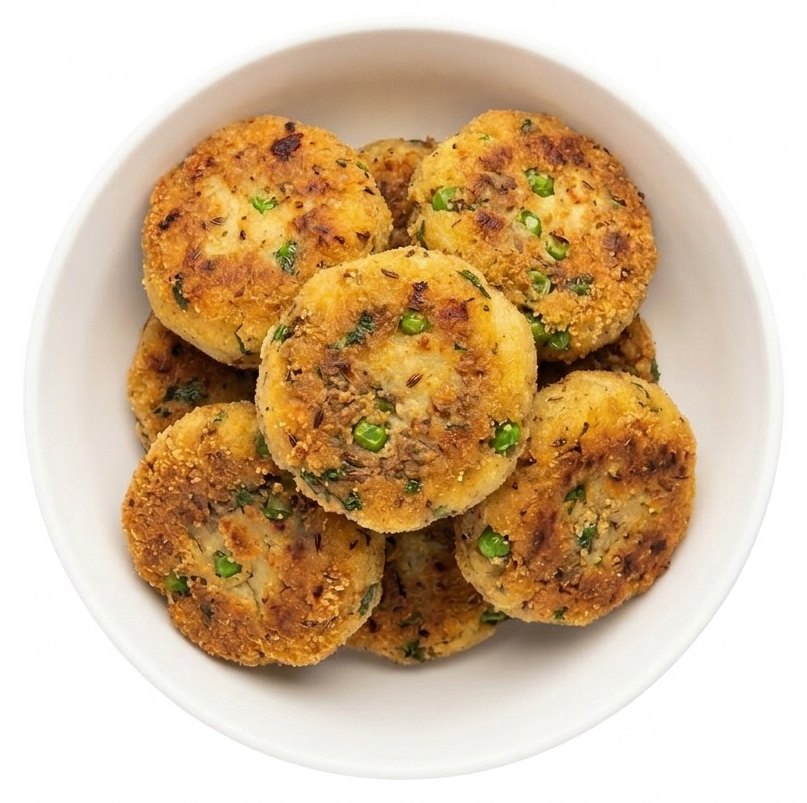
Kheema Aloo Tikki
Spicy lamb and pea filling enclosed in a soft potato crust, then crumbed and shallow-fried. The result is crisp outside and savoury inside, with a warm chilli kick.
Paste spices
5 gStirred into the chilli-garlic-ginger paste (step 2)Whole spices for the oil
0.9 gAdded to the hot oil (step 3)Lamb chilli powder
1.2 gAdded with the reserved paste (step 6)Finishing garam masala
1.3 gStirred in with the peas (step 10)Everything else

Method
- Pound 4 g green bird’s eye chilli, 12 g garlic and 10 g fresh ginger to a coarse paste.
- Stir the paste spices and 30 g malt vinegar into the chilli-garlic-ginger paste; set aside.
- Heat 40.5 g vegetable oil in a deep sauté pan over medium heat. Add the whole spices for the oil and let them sizzle for 2 seconds.
- Add 150 g red onion, finely chopped, and fry for about 8 minutes, until soft and light brown.
- Add 31.8 g tomato purée or ketchup and fry for 2 minutes, until the oil separates at the pan sides; scrape up any stuck bits.
- Add the reserved paste and the lamb chilli powder; fry for 2 minutes.
- Add 400 g leg of lamb, minced; raise the heat slightly and fry for 5 minutes, stirring so the masala coats the meat and it colours all over.
- Add 80 ml water and salt to taste; simmer covered for 20 minutes.
- Uncover and simmer for 30 minutes more, stirring now and then, until the mixture is dry.
- Stir 80 g green pea and the finishing garam masala into the pan and cook gently until the mixture is dry.
- Take off the heat; stir in 2 g green bird’s eye chilli, finely chopped, and coriander to taste, roughly chopped. Leave to cool.
- Grate 1200 g boiled potato coarsely into a mixing bowl.
- Soak 25 g white bread in cold water for a few seconds, squeeze dry, and add to the potatoes with 8.1 g cornflour, 1.5 g coriander leaves, finely chopped, and salt to taste; knead well and chill for 10–15 minutes.
- Divide the potato mix into 5–6 equal portions. Flatten one portion in your palm, press a hollow in the centre, put in 2 teaspoons of the lamb mixture, and close the potato around it into a patty; seal any gaps. Repeat, then chill the patties for 20 minutes.
- Heat oil for shallow-frying in a frying pan over medium-high heat until it comes halfway up the sides.
- Coat each patty in 90 g plain flour, then 100 g egg, lightly beaten, then 90 g breadcrumb.
- Fry the patties for 2–3 minutes per side, until crisp and golden brown all over.
Don't have something?


- Bird's eye green chilli
Use the same weight; heat and flavour are very close.
 Green chilli
Use 1.5 to 2 times the weight; deseed for less heat. Larger chillies are more watery.
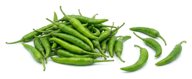 Fresh green chilli
Use 1.5 to 2 times the weight; chop finely and adjust heat by tasting.


 Garlic paste
Use equal weight. Fry gently in oil or ghee with the ginger; incorporates smoothly into curries without visible minced bits.
 Garlic powder
Use 15% to 20% of the weight (about 1 g for every 5 to 6 g fresh cloves). Whisk into sauces; gives a savoury, toasted garlic flavour without raw pungency.
 Shallot
Use 1.5 times the weight, very finely minced. Sauté until golden; provides savoury allium sweetness, though it lacks garlic's pungent sulphur bite.


 Ginger paste
Use equal weight. Sauté in hot fat until the raw allium smell disappears; slightly wetter, but provides identical warmth and pungency.
 Ground ginger
Use 20% to 25% of the weight (1 g for every 4 to 5 g fresh). Stir into the gravy; adds peppery heat and warmth, though it misses the crisp, zesty kick of raw root.



 Coriander seeds
Dry-roast lightly in a pan and grind to a fine powder; use equal weight (1:1). Offers a noticeably fresher, brighter citrus note.
 Ground cumin
Use 50% to 75% of the weight. Lacks the floral, citrusy profile of coriander and turns the gravy heavier, earthier, and darker.
 Garam masala
Use 50% of the weight and stir in near the end of cooking. Adds warmth and depth since it contains ground coriander, but introduces stronger spices like clove and cinnamon.


 White malt vinegar
Use the same weight; sharper and clearer; reduce salt slightly.
 White vinegar
Use 90% of the weight, diluted with 10% water; harsher, so taste.
 Lime juice
Use the same weight; fresher sourness but no malt flavour; reduce salt.


 Black peppercorn
Crush whole peppercorns roughly in a mortar or under a heavy skillet; use equal weight. Yields the exact same fiery heat and crunchy bite.
 Ground black pepper
Use 70% of the weight. It disperses heat much more aggressively through sauces and can darken the dish, lacking the crunchy specks of coarse pepper.


 Peanut oil
Use 1:1 by weight. Handles high-heat frying identically and introduces a very subtle, pleasant nuttiness.
 Ghee
Use 1:1 by weight. Yields a much richer, authentic aroma and a glossy, heavier mouthfeel.
 Mustard oil
Use 1:1 by weight. Heat until smoking, then cool slightly before cooking to temper its intensely pungent, sharp mustard kick.


 Green cardamom seed
Use 35 to 40% of the total pod weight; lightly bruise the seeds before frying in oil to release their essential oils.
 Ground green cardamom
Use 20 to 25% of the pod weight (about 1 generous pinch per pod); stir in toward the end of cooking so the delicate floral notes do not dissipate.
 White cardamom pod
Use 1:1 by pod count or weight; crack gently before using, though it is slightly less intensely floral.


 Cinnamon stick
Use a 2 cm piece (about 1 g) for every 1 to 2 bay leaves. Fry in whole-spice temperings; provides the cassia-like warmth typical of Indian tejpatta.
 Ground cinnamon (cassia)
Use 0.5 g per leaf. Stir into the sauce during simmering; gives the same warm woodiness but darkens the colour slightly.

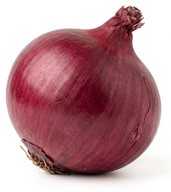
 Onion
Use the same weight; cook a little longer. Milder and less sweet when raw.
- Shallot
Use the same weight; sweeter and softer, so reduce cooking time slightly.
 Spring onion
Use only the white parts, weight for weight, for raw or quick-cooked dishes; green parts are too grassy for long cooking.


 Tomato purée
Use the same weight for a less sweet result; add sugar and vinegar if the recipe expects ketchup.
 Tomato ketchup
Use the same weight for a sweeter result; reduce any added sugar in the recipe.
 Concentrated tomato purée
Use 50-60% of the weight and loosen with water; it is much stronger and thicker.


 Kashmiri chilli powder
Use the same weight; this is the first half of the book's option and gives the best red colour with mild heat.
 Mild paprika
Use the same weight; add a pinch of cayenne pepper for warmth. Slightly less colour.
- Paprika
Use the same weight and add cayenne pepper to taste; works but is less aromatic.


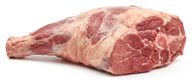
 Leg of spring lamb
Use the same weight; younger and tenderer, so reduce cooking by 10–15 minutes.
 Lamb shoulder
Use the same weight; more fat, so cook 15–20 minutes longer and skim excess fat.
 Leg of goat
Use the same weight; stronger flavour and tougher, so cook 15–20 minutes longer.


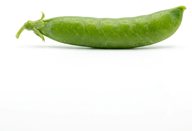


- Ground cumin
Use 50% of the weight mixed with equal parts ground coriander and a pinch of ground cinnamon, ground cloves, and ground green cardamom. Sprinkle near the end for a warming finish.
 Lentil stew spice mix
Use 75% of the weight. Simmer briefly in the gravy; imparts roasted warmth and complexity, though it adds a slight tang and earthy lentil undertone.


 Coriander leaf
Use equal weight, chopped fresh and stirred in off the heat or used as garnish. Matches the citrus-herbal profile identically.
 Mint
Use 40% to 50% of the weight; chop finely and add at the very end. Adds fresh herbal brightness, but shifts the aroma toward cool menthol.



 Eggplant
Use equal weight. Cut into large chunks; cooks down much faster (10-12 minutes) and softens into the sauce rather than staying starchy and firm.
 Paneer
Use 80% of the weight. Cube and add in the last 5-10 minutes of cooking; adds rich dairy protein instead of starchy bulk.
 Dried chickpea
Use 45% dry weight. Soak overnight and boil until fully soft before stirring into the sauce to simmer for 10 minutes.


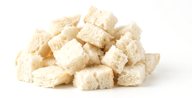
 Bread slice
Use the same weight; remove crusts if the recipe wants soft crumb.
 Bread
Use the same weight; adjust slices by weight, not count.
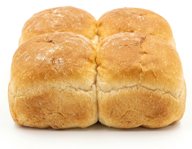 Bread roll
Use the same weight; it is denser and sweeter, so reduce sugar slightly and soak if making crumbs.


 Cornstarch
Use the same weight. It is the same ingredient under another name and thickens or crisps in the same way.
 Rice flour
For coating and frying, use the same weight; it gives a crisper, slightly gritty crust. For thickening, use 1.5 times the weight and simmer a little longer.
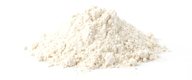 Plain flour
For coating, use the same weight. For thickening, use twice the weight and cook out for 2–3 minutes; it gives a softer, less glossy sauce.


 Coriander (cilantro) or basil
Use the same weight, choosing the coriander element if available. If only basil is available, expect a sweeter, more aniseed flavour.
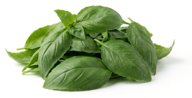 Basil leaves
Use the same weight. Basil is sweeter and more aromatic in a different way; add near the end so it keeps its perfume.
 Coriander paste
Use 1.5 times the weight and reduce other liquid slightly; it is less fresh and more concentrated, so taste before adding more.


- Vegetable oil
Use the same weight. It is neutral and behaves the same in frying and tempering; no noticeable change in flavour.
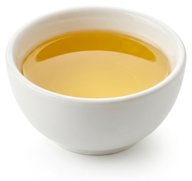 Corn or vegetable oil
Use the same weight. Neutral and good for high heat; the dish will taste virtually the same.
 Groundnut oil
Use the same weight. It has a mild nutty flavour and is good for Indian cooking; heat until just hot, not smoking, so the nuttiness does not dominate.

 Whole wheat flour
Use the same weight, add 10–15% more water and rest the dough for 20 minutes; the result is heavier and nuttier.
- Rice flour
Use the same weight for crisp coatings; for doughs use no more than half rice flour with wheat flour, or it will be crumbly.
- Cornflour
For thickening use half the weight, mixed with cold water; it is not suitable for bread or chapati dough.


 Chickpea flour
For binding, use about 10 g chickpea flour mixed with 20 ml water per egg and rest for 10 minutes. Denser and nuttier; not suitable for baking or coating in the same way.
 Full-fat natural yoghurt
Use about 30 g per egg for moisture and binding in koftas or fillings. Adds tang and softness; will not set or glaze like egg.
 Tofu
Use the same weight, mashed, for egg-like bulk in curries. Soft and bland; add extra spices and do not expect it to bind.


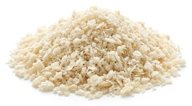
 White breadcrumb
Use the same weight; fresh white crumbs are softer and bind more gently.
 Dried breadcrumb
Use about 70% of the weight and moisten slightly, as dried crumbs absorb more liquid.
 Panko breadcrumbs
Use the same weight; they are lighter and crisper, giving a coarser coating.


Similar dishes

- Same: Bengali Kosha Mangsho shares leg of lamb, potato, onion, garlic, ginger, tomato purée, ground coriander, kashmiri chilli powder and coriander leaves with this dish.
- Different: Bengali Kosha Mangsho is a slow-cooked curry with yoghurt, mustard oil, lemon juice, dried kashmiri chilli, clove, cassia and cumin, while this dish is a shallow-fried potato-crusted cake with peas, malt vinegar, bread, flour, egg and breadcrumb.

- Same: Aloo ka Salan shares lamb, potato, onion, garlic, ginger, ground coriander, garam masala and salt with this dish.
- Different: Aloo ka Salan uses ghee and yogurt as its fat and souring agent and is simmered as a curry, while this dish uses malt vinegar, tomato purée or ketchup, peas, a potato crust, flour, egg and breadcrumbs and is shallow-fried.

- Same: Aloo Gosht shares lamb, potato, onion, ginger, garlic, tomato, garam masala, coriander, cardamom, bay leaf, chilli and vegetable oil with this dish.
- Different: Aloo Gosht is a simmered curry with pan-fried potatoes and uses cumin, cinnamon, clove, black cardamom and mace, while this dish is a crumbed, shallow-fried potato cake with peas, malt vinegar, fresh green chilli, bread, cornflour, flour, egg and breadcrumb.

- Same: Attirachi Perelan shares lamb, potato, green bird's-eye chilli, garlic, ginger, ground coriander, Kashmiri chilli powder and vegetable oil with this dish.
- Different: Attirachi Perelan uses lamb on the bone and simmers it with turmeric, fennel, black peppercorn, curry leaf, tomato, lamb stock and coconut milk, while this dish is a crumbed, shallow-fried potato cake with peas, malt vinegar, bread, cornflour, flour and egg.