
Duck Breast with Sesame & Tamarind Sauce
Duck breast served with a nutty sesame, cashew and coconut masala sauce, tamarind, pickled cucumber and chilli oil. It tastes rich and aromatic, with tangy pickle and gentle heat.
Chilli marinade spice
8 gStirred into the chilli marinade (step 3)Duck stock spices
2.8 gAdded to the roasted bones for the stock (step 4)Masala blend spices
23 gToasted for the masala paste (step 5)Tempering seeds
19 gAdded to the hot oil with curry leaves (step 7)Ground spices for the sauce
34 gStirred into the onion base (step 8)Everything else

Method
- Put 400 g cucumber ribbons in a bowl, pour over 199 g pickling liquor and leave to steep for 1–2 hours. Chill until needed.
- Heat the oven to 200°C (400°F).
- Stir the chilli marinade spice into 27 g vegetable oil and 1.4 g sea salt in a bowl. Turn 800 g duck breast fillet in the marinade, cover and refrigerate.
- Roast 500 g duck bone in the oven for 30 minutes until browned. Put in a saucepan with the duck stock spices, cover with water, bring to the boil, then cover and simmer on low for 1 hour. Strain the stock and set aside.
- Toast the masala blend spices with 200 g cashew nut, 100 g desiccated coconut and 100 g sesame seed in a dry frying pan until fragrant.
- Transfer the toasted mixture to a blender, add a little water and blend to a paste.
- Heat a splash of vegetable oil in a deep frying pan over low heat. Add the tempering seeds and 80 g curry leaves, then stir in 600 g onion purée and cook for 10 minutes until soft.
- Add the ground spices for the sauce, 100 g tamarind paste and sea salt to taste; mix well. Stir in the masala paste and thin with the duck stock. Set aside.
- Lower the oven to 160°C (320°F). Put the marinated duck breasts skin-side down in a cold frying pan and raise the heat gradually to render the fat and crisp the skin.
- Transfer the breasts to a baking tray and cook in the oven for 6 minutes. Remove, cover with foil and rest for 10 minutes.
- Slice the duck. Spoon the sauce onto plates, top with duck slices, add pickled cucumber ribbons and drizzle with chilli oil.
Don't have something?


 Chicken breast
Use the same weight; cook 8-10 minutes instead of 15-20. Leaner and less gamey.
 Skinless boneless chicken breast
Use the same weight; sear gently so it does not dry out. Much milder flavour.
 Boneless chicken thigh
Use the same weight; cook 10-12 minutes. Juicier and closer in richness.


 Peanut oil
Use 1:1 by weight. Handles high-heat frying identically and introduces a very subtle, pleasant nuttiness.
 Ghee
Use 1:1 by weight. Yields a much richer, authentic aroma and a glossy, heavier mouthfeel.
 Mustard oil
Use 1:1 by weight. Heat until smoking, then cool slightly before cooking to temper its intensely pungent, sharp mustard kick.


 Black mustard seed
Use the same weight. The seeds are smaller and hotter; fry in hot oil until they pop, about 20–30 seconds, and reduce the heat if they darken too fast. The dish will be a little sharper.
 Yellow mustard seeds
Use the same weight. They are milder and larger; fry a few seconds longer until they pop. The finished dish will have less pungency.
 Ground mustard seed
Use 70% of the weight of whole seed, added with the other ground spices rather than fried whole. You lose the popping texture and the heat comes through more evenly.


 Black cumin seeds
Use equal weight. Imparts an earthy, slightly bitter note in temperings, though it lacks nigella's oniony sharpness.
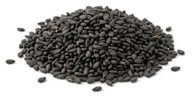 Black sesame seeds
Use equal weight. Gives a similar speckled appearance and light crunch on breads, but provides a nutty rather than herbaceous, onion-like flavour.

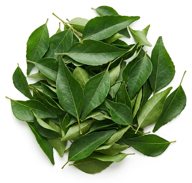
 Curry leaf
Use the same weight; tear and fry in oil as usual.
 Lime leaf
Use 50% of the weight, torn; citrusy but not resinous.
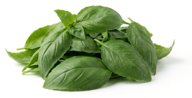 Basil leaves
Use the same weight; sweet and aniseed-like, but quite different.






 Ground ginger
Use 50% of the weight. Mimics turmeric's warm, earthy, rhizome background, but provides none of the golden-yellow colour.
 Saffron
Steep a tiny pinch (0.1 g per 2 g turmeric) in 2 tbsp warm water; use to match the rich golden hue. Contributes an aristocratic, honeyed floral flavour rather than earthy bitterness.


 Dried kashmiri chilli
Grind deseeded dried pods to an equal weight of powder; gives identical vivid red colour and gentle warmth.
 Red chilli powder
Use 25% of the weight mixed with sweet paprika for colour; straight red chilli powder is substantially hotter and will make the dish fiery.
 Chilli powder
Use one-third of the weight; the sauce will be less intensely red and notably sharper in heat.


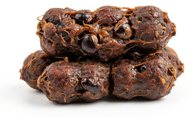 Tamarind pulp
Use 120–150% of the weight and strain; pulp is less concentrated, so simmer a little longer to thicken.
 Tamarind extract
Use 150–200% of the weight and reduce gently; extract is already diluted.
 Lime juice
Use 60–70% of the weight with a pinch of jaggery; sharper, so add near the end off the heat.


- Vegetable oil
Warm 100 ml with 1 tbsp dried red chilli flakes and a crushed garlic clove for 10 minutes, then strain. Use the same weight.
- Mustard oil
Warm with dried red chilli flakes and strain. Use the same weight; the pungent mustard heat changes the flavour.
 Sesame oil
Infuse briefly with chilli flakes and strain. Use the same weight; the strong nutty aroma means small amounts go far.


 Chicken stock
Use the same volume if the bone is for stock or braising; richer than water but less ducky.
 Lamb stock
Use the same volume; stronger flavour, so dilute if it would dominate.
 Vegetable stock
Use the same volume; lighter body and no meat flavour.


 Aniseed
Use equal weight or 1 g lightly crushed aniseed per whole star anise star. Delivers the same sweet liquorice profile, though slightly less woody.
 Fennel seed
Use equal weight, bruised in a mortar. Lends a gentler, sweeter liquorice note to gravies and biryanis.


 Bay leaf
Use the same number or weight. Ordinary bay is milder and lacks the cinnamon-clove note; add early and remove before serving.
 Cassia bark (Chinese cinnamon)
Use about 1 g cassia for every 2 g Indian bay leaf. It gives a warm cinnamon note but not a true laurel flavour; remove before serving.
- Cinnamon stick
Use a small 1 cm piece for 2 leaves. It adds warm sweetness but not bay flavour; remove before serving.


 Almond
Use 100% of the weight. Soak in boiling water and slip off skins before frying or grinding; gives a lighter, slightly less sweet richness to curries.
 Poppy seed
Use 60% of the weight for gravies. Soak in warm water and grind into a fine paste to thicken royal kormas without adding heavy oiliness.
 Shelled peanut
Use 100% of the weight. Roast, skin, and grind; creates a thicker, earthier texture typical of Maharashtrian and western Indian curries.


 Grated desiccated coconut
Use equal weight directly; it is the identical ingredient under a different label.
 Fresh coconut
Grate finely and use 130% to 140% of the weight to compensate for higher moisture; toast gently in a dry pan over low heat if a dry texture is needed.
 Dried coconut
Grate finely using a microplane and use equal weight. Offers a slightly oilier, toastier coconut profile.


 Ground cloves
Use 1 g ground for 4 g whole (or 1 small pinch per 2 to 3 whole cloves). Add with spice powders; disperses intense warmth quickly, so use with restraint.
 Allspice berries
Use 100% of the weight whole in tempering. Imparts a warm, clove-like aromatic profile combined with hints of nutmeg and cinnamon.
 Black cardamom pod
Use 1 pod for 3 to 4 cloves in whole tempering. Shares a camphor-like warmth and medicinal depth, though it introduces a distinct smoky undertone.


 White sesame seed
Use the same weight. Toast lightly before use; white seeds are milder and give a cleaner look.
- Black sesame seed
Use the same weight. They are stronger and more bitter; toast briefly and use slightly less if the dish is delicate.
 Peanut
Use the same weight, crushed or chopped. It gives crunch but not the same nutty sesame aroma.


 Ground coriander
Use 75% of the weight; stir in along with wet masala or tomato purée rather than frying in hot oil, as the fine powder burns instantly.
 Cumin seed
Use 50% of the weight for tempering in hot oil. Lacks the floral, sweet citrus flavour of coriander, introducing warm, pungent earthiness instead.
- Fennel seed
Use 50% of the weight in tempering; provides pleasant aromatic sweetness, though noticeably aniseedy rather than citrusy.

 Ground cumin
Use 70% of the weight; add with ground spices or sauce bases rather than hot oil tempering, where it scorches quickly and turns bitter.
- Black cumin seeds
Use equal weight for oil tempering. Delivers an earthy profile with an additional musky, smoky, and slightly bitter edge.
- Fennel seed
Use 60% of the weight for tempering; offers comparable warm aroma, but leans sweet and liquorice-like rather than savoury and earthy.


- Mustard seed
Use 50% of the weight, crush or grind. Sharper heat and less maple-bitter; fry briefly in oil before adding.
 Caraway seeds
Use the same weight, crush lightly. Similar bitter-seed note but more aniseed; reduce other sweet spices slightly.
 Ajwain seeds
Use 25–30% of the weight, crush. Much stronger thyme-like flavour; do not overdo.


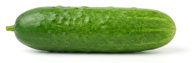
 Courgette
Use the same weight; peel if eating raw and salt-drain briefly. Softer and less watery.
 White radish
Use 70% of the weight, grate, salt and squeeze out water. Sharper and peppery.
 Chayote
Use the same weight, peeled and diced; crisp but bland, so adjust salt and lemon.


 White vinegar
Use 70% of the weight, make up the rest with water, and add a little granulated sugar if the liquor was sweet. Sharper and thinner.
 White wine vinegar
Use at 70% of the weight with water. Milder and fruitier than pickling liquor.
 Malt vinegar
Use at 60% of the weight with water; stronger and maltier, so reduce any other vinegar in the dish.


Similar dishes

- Same: Hyderabadi Mirchi Ka Salan shares with this dish a tamarind-soured sauce built on mustard seed, nigella, fenugreek, Kashmiri chilli, turmeric, onion, sesame, coconut and ground coriander and cumin.
- Different: Hyderabadi Mirchi Ka Salan uses slit green padron chillies as the main ingredient, ghee instead of vegetable oil, peanut instead of cashew, and jaggery, ginger and garlic, while this dish uses duck breast, duck bone, cashew, fresh curry leaves, cucumber pickle and chilli oil.

- Same: Gana’s Pork Cheek Coorg shares mustard seed, curry leaves, onion, turmeric, Kashmiri chilli powder, fenugreek, cumin, coriander, star anise, clove, vegetable oil and pickling liquor with this dish.
- Different: Gana’s Pork Cheek Coorg slow-cooks pork cheeks with malt vinegar, tamarind-date chutney, ginger garlic paste, green chilli, cinnamon, black peppercorn and green cardamom; this dish serves duck breast with a sesame, cashew and coconut masala and pickled cucumber.
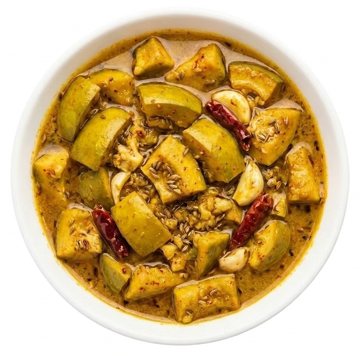
- Same: Aam ka Achar shares mustard seed, nigella, fenugreek, cumin, coriander and red chilli powder with this dish, and both have a tangy component.
- Different: Aam ka Achar is a raw green mango pickle in sesame oil with garlic and lime juice, while this dish is duck breast in a sesame-cashew-coconut masala with tamarind, pickled cucumber and chilli oil.

- Same: Gongura Pachadi shares with this dish vegetable oil, mustard seed, sesame seed, cumin, coriander seeds, fenugreek, turmeric, curry leaves and chilli.
- Different: Gongura Pachadi is a vegetarian sorrel-leaf pickle with green chilli and urad dal, while this dish is duck breast in a cashew-coconut-sesame masala with tamarind and pickled cucumber; it lacks duck, cashew, coconut, tamarind paste, cucumber, star anise, clove, bay leaf and nigella.