
Gongura Pachadi
A vibrant, sharp Andhra condiment combining sour sorrel leaves with toasted nutty seeds and a fragrant, crunchy tempering.
Toasting spices
3.7 gBloomed in hot oil (step 2)Ground turmeric
0.3 gAdded to the blender (step 3)Tempering spices
4.6 gFried for the finishing oil (step 4)Everything else

Method
- Warm 115 g of the vegetable oil (from 228 g total) in a frying pan over medium heat. Add 400 g sorrel leaves and 60–120 g green chilli, sauteing for 90 seconds, then take off the heat and set aside.
- Heat 60 g of the vegetable oil in a separate pan over medium heat. Tip in the toasting spices and fry for roughly 1 minute until nicely browned.
- Transfer the browned seed mixture into a blender along with the ground turmeric and the cooked sorrel leaves and chillies. Process until smooth.
- Pour the remaining 53 g vegetable oil into a pan over medium heat. Fry the tempering spices, 1.5 g curry leaf, and 2.1 g urad dal for 1 to 2 minutes until dark brown. Pour this spiced oil over the pureed paste, stir thoroughly, and let cool completely. Mix in salt to taste, then pack into sterilised jars.
Don't have something?


 Peanut oil
Use 1:1 by weight. Handles high-heat frying identically and introduces a very subtle, pleasant nuttiness.
 Ghee
Use 1:1 by weight. Yields a much richer, authentic aroma and a glossy, heavier mouthfeel.
 Mustard oil
Use 1:1 by weight. Heat until smoking, then cool slightly before cooking to temper its intensely pungent, sharp mustard kick.


 Sorrel leaves
Use the same weight. Similar tartness; wilt quickly over low heat so they do not turn too soft.
 Spinach
Use the same weight and add amchoor or lemon juice, about 1 tsp amchoor per 200 g spinach, to mimic the sourness. Much less tart and musky.
 Red amaranth leaves
Use the same weight; add tamarind extract or lemon juice to taste. Gives leafy body but not gongura's sharp sour note.


 Chilli powder
Use 10 to 15% of the weight (about 1/4 teaspoon per chilli); imparts dry pungent heat and reddens the dish without the grassy crunch.
 Dried red chilli
Use 1 dried pod per fresh green chilli; snap in half and temper in hot oil for a deeper, toastier heat.


 Ground coriander
Use 75% of the weight; stir in along with wet masala or tomato purée rather than frying in hot oil, as the fine powder burns instantly.
 Cumin seed
Use 50% of the weight for tempering in hot oil. Lacks the floral, sweet citrus flavour of coriander, introducing warm, pungent earthiness instead.
 Fennel seed
Use 50% of the weight in tempering; provides pleasant aromatic sweetness, though noticeably aniseedy rather than citrusy.


 Mustard seed
Use 50% of the weight, crush or grind. Sharper heat and less maple-bitter; fry briefly in oil before adding.
 Caraway seeds
Use the same weight, crush lightly. Similar bitter-seed note but more aniseed; reduce other sweet spices slightly.
 Ajwain seeds
Use 25–30% of the weight, crush. Much stronger thyme-like flavour; do not overdo.


 Ground cumin
Use 70% of the weight; add with ground spices or sauce bases rather than hot oil tempering, where it scorches quickly and turns bitter.
 Black cumin seeds
Use equal weight for oil tempering. Delivers an earthy profile with an additional musky, smoky, and slightly bitter edge.
- Fennel seed
Use 60% of the weight for tempering; offers comparable warm aroma, but leans sweet and liquorice-like rather than savoury and earthy.


 White sesame seed
Use the same weight. Toast lightly before use; white seeds are milder and give a cleaner look.
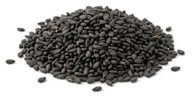 Black sesame seed
Use the same weight. They are stronger and more bitter; toast briefly and use slightly less if the dish is delicate.
 Peanut
Use the same weight, crushed or chopped. It gives crunch but not the same nutty sesame aroma.


 Ground ginger
Use 50% of the weight. Mimics turmeric's warm, earthy, rhizome background, but provides none of the golden-yellow colour.
 Saffron
Steep a tiny pinch (0.1 g per 2 g turmeric) in 2 tbsp warm water; use to match the rich golden hue. Contributes an aristocratic, honeyed floral flavour rather than earthy bitterness.


 Dried kashmiri chilli
Use equal weight whole. Fry in hot oil or ghee as tempered spice; gives a richer red colour with slightly milder heat.
 Red chilli powder
Use 50% to 70% of the weight. Stir into the oil with ground spices; distributes heat evenly throughout the dish without whole chilli skins.


 Bay leaf
Fry 1 bay leaf for every 5 curry leaves in hot oil; imparts a warm, woodsy background note, but misses the citrus-sulphury punch entirely.
 Lime juice
Add a small squeeze (about 5 ml per sprig of curry leaves) right before serving; provides sharp citrus top notes without the toasty, herbal aroma.


 Black mustard seed
Use the same weight. The seeds are smaller and hotter; fry in hot oil until they pop, about 20–30 seconds, and reduce the heat if they darken too fast. The dish will be a little sharper.
 Yellow mustard seeds
Use the same weight. They are milder and larger; fry a few seconds longer until they pop. The finished dish will have less pungency.
 Ground mustard seed
Use 70% of the weight of whole seed, added with the other ground spices rather than fried whole. You lose the popping texture and the heat comes through more evenly.


 Whole black gram
Use equal weight. Needs longer soaking and cooking; the dark skins impart an earthy flavour and greyish-black hue unless thoroughly rubbed off.
 Chana dal
Use equal weight when tempering (tadka). Provides a comparable nutty, crunchy texture in hot oil, though grains are slightly larger.
 Split mung beans
Use equal weight for batters or dals. Ferments and cooks faster, producing a lighter, less sticky, and less viscous consistency.

Similar dishes
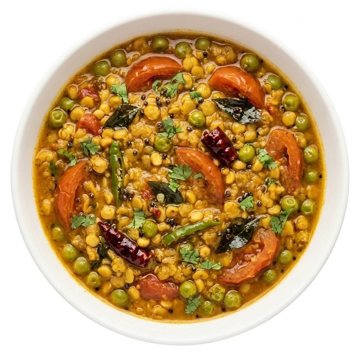
- Same: Both dishes rely on vegetable oil and share a spice foundation of mustard seeds, cumin, fenugreek, coriander seeds, curry leaves, and chillies.
- Different: Kholamba is a simmered pigeon pea and tomato stew soured with tamarind extract, whereas this dish is an oil-rich condiment built on sour sorrel leaves and toasted sesame seeds without a lentil broth.

- Same: Chintapandu Koythamira Chutney shares vegetable oil, green chilli, cumin, coriander seeds, turmeric, dried red chilli, curry leaf, mustard seed, and salt with this dish.
- Different: It uses fresh coriander leaf and tamarind extract as its main souring base, adds jaggery and asafoetida, and lacks this dish's gongura, sesame seed, fenugreek, and urad dal.

- Same: Both dishes use vegetable oil and share a seasoning base of mustard seeds, cumin, fenugreek, coriander seeds, urad dal, dried red chillies, and curry leaves.
- Different: Puragayalu Pulussu is a mixed vegetable stew soured with tamarind extract and thickened with rice and chana dal using far less oil, omitting this dish's sorrel leaves, green chillies, and sesame seeds.

- Same: Mamri Kaya Pulihora shares this dish's vegetable oil tempering of mustard seeds, urad dal, cumin, fenugreek, coriander, curry leaves, and both green and red chillies.
- Different: Mamri Kaya Pulihora is a rice dish that uses sour mango, dried coconut, chana dal, and asafoetida with far less oil, rather than sorrel leaves ground with sesame seeds.