
Aam ka Achar
A gently spiced, tangy raw mango pickle preserved in spiced oil with notes of garlic and roasted seeds.
Curing turmeric
3 gTossed with the mango pieces (step 1)Pickling spices
45 gStirred into the cured mangoes (step 3)Tempering chillies
10 gFried in the hot oil (step 4)Everything else

Method
- Place 450 g raw mango in a large glass or ceramic bowl, sprinkle over the curing turmeric and salt to taste, and mix thoroughly. Cover the bowl loosely and set aside for 3 days, swirling the bowl gently once or twice daily while retaining all expressed juices.
- Pour 30.6 g lime juice into the bowl on day three, stir well, and leave loosely covered for one more day.
- On day four, add the pickling spices along with the remaining dry spices to the mangoes, stirring to coat evenly. Stir in 0.75 cup partially ground garlic and set aside.
- Heat 500 g oil in a deep skillet over medium heat. Add the whole tempering seeds, the tempering chillies, and 30 g garlic, cooking for 1 to 2 minutes until lightly browned, then take off the heat and allow to cool completely.
- Pour the cooled spiced oil into the mango mixture in 3 or 4 additions, stirring thoroughly after each pour.
- Rest the pickle loosely covered for 4 to 5 days, stirring once a day. Ensure the mangoes remain entirely submerged in oil—adding more heated and cooled oil if necessary—before packing into sterilised jars.
Don't have something?


 Raw mango
Use the same weight; peel and slice as needed. Adjust salt or sugar if it is slightly riper.
 Unripe mango
Use the same weight; peel and grate or slice. Very close, but check sourness.
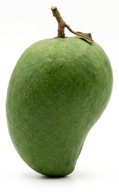 Sour green mango
Use the same weight; peel and deseed. Sharper, so taste before adding extra amchoor or lime.


 Ground ginger
Use 50% of the weight. Mimics turmeric's warm, earthy, rhizome background, but provides none of the golden-yellow colour.
 Saffron
Steep a tiny pinch (0.1 g per 2 g turmeric) in 2 tbsp warm water; use to match the rich golden hue. Contributes an aristocratic, honeyed floral flavour rather than earthy bitterness.



 Lemon juice
Use equal volume or weight; slightly sweeter and less pungent, but otherwise an imperceptible swap.
 Dried mango powder
Use 25% of the weight; imparts dry, fruity sourness, best stirred in right at the end of cooking.
 Tamarind extract
Use 50% of the weight; delivers pleasant fruity tang but turns pale sauces considerably darker.


 Black cumin seeds
Use equal weight. Imparts an earthy, slightly bitter note in temperings, though it lacks nigella's oniony sharpness.
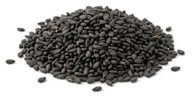 Black sesame seeds
Use equal weight. Gives a similar speckled appearance and light crunch on breads, but provides a nutty rather than herbaceous, onion-like flavour.


 Mustard seed
Use 50% of the weight, crush or grind. Sharper heat and less maple-bitter; fry briefly in oil before adding.
 Caraway seeds
Use the same weight, crush lightly. Similar bitter-seed note but more aniseed; reduce other sweet spices slightly.
 Ajwain seeds
Use 25–30% of the weight, crush. Much stronger thyme-like flavour; do not overdo.


 Black mustard seed
Use the same weight. The seeds are smaller and hotter; fry in hot oil until they pop, about 20–30 seconds, and reduce the heat if they darken too fast. The dish will be a little sharper.
 Yellow mustard seeds
Use the same weight. They are milder and larger; fry a few seconds longer until they pop. The finished dish will have less pungency.
 Ground mustard seed
Use 70% of the weight of whole seed, added with the other ground spices rather than fried whole. You lose the popping texture and the heat comes through more evenly.


 Ground cumin
Use 70% of the weight; add with ground spices or sauce bases rather than hot oil tempering, where it scorches quickly and turns bitter.
- Black cumin seeds
Use equal weight for oil tempering. Delivers an earthy profile with an additional musky, smoky, and slightly bitter edge.
 Fennel seed
Use 60% of the weight for tempering; offers comparable warm aroma, but leans sweet and liquorice-like rather than savoury and earthy.


 Ground coriander
Use 75% of the weight; stir in along with wet masala or tomato purée rather than frying in hot oil, as the fine powder burns instantly.
- Cumin seed
Use 50% of the weight for tempering in hot oil. Lacks the floral, sweet citrus flavour of coriander, introducing warm, pungent earthiness instead.
- Fennel seed
Use 50% of the weight in tempering; provides pleasant aromatic sweetness, though noticeably aniseedy rather than citrusy.

 Chilli powder
Use equal weight. Stir in directly with the dry spices; delivers comparable heat and red colour.
 Kashmiri chilli powder
Use 130% to 150% of the weight. Provides brilliant ruby colour with roughly half the fiery heat.
 Yellow chilli powder
Use 75% of the weight. Gives a sharp, clean pungency without tinting the sauce red.



 Garlic paste
Use equal weight. Fry gently in oil or ghee with the ginger; incorporates smoothly into curries without visible minced bits.
 Garlic powder
Use 15% to 20% of the weight (about 1 g for every 5 to 6 g fresh cloves). Whisk into sauces; gives a savoury, toasted garlic flavour without raw pungency.
 Shallot
Use 1.5 times the weight, very finely minced. Sauté until golden; provides savoury allium sweetness, though it lacks garlic's pungent sulphur bite.


 Mustard oil
Use the same weight. Heat until smoking, then cool for 2 minutes before cooking; it is pungent and changes the flavour strongly.
 Groundnut oil
Use the same weight. It is neutral, so add 1 tsp toasted sesame seeds for aroma.
 Vegetable oil
Use the same weight. It is neutral and lacks sesame flavour; finish with a few drops of toasted sesame oil if you have it.


 Dried kashmiri chilli
Use equal weight whole. Fry in hot oil or ghee as tempered spice; gives a richer red colour with slightly milder heat.
- Red chilli powder
Use 50% to 70% of the weight. Stir into the oil with ground spices; distributes heat evenly throughout the dish without whole chilli skins.
Similar dishes

- Same: Avakk shares raw green mango, sesame oil, mustard seed, fenugreek seed and dried red chilli with this dish.
- Different: Avakk uses far more mustard seed and dried red chilli, has no garlic, lime juice, turmeric, kalonji, cumin or coriander, and is packed under oil with a ground mustard-chilli masala rather than a garlicky spiced oil.

- Same: Both dishes use raw mango as a souring base seasoned with cumin, turmeric, and dried red chillies.
- Different: Mamri Kaya Pulihora is a cooked rice dish tempered with mustard seeds, curry leaves, lentils, and dried coconut, whereas this dish is a raw mango pickle made with garlic, lime juice, and red chilli powder.

- Same: Both recipes use raw green mangoes seasoned with red chilli powder, dried red chillies, ground turmeric, and salt.
- Different: Kairi ki Chutney blends softened mango with a lentil, fenugreek, mustard, and asafoetida tempering instead of using the garlic, cumin seeds, and lime juice in this dish.

- Same: Kairi ki Mhithi Chutney shares raw green mango, turmeric, fenugreek, mustard, red chilli, salt and sesame oil with this dish.
- Different: It adds icing sugar, ginger, clove, curry leaf and mustard powder, and lacks this dish's lime juice, garlic, cumin, coriander and kalonji.