Indian cooking
Indian cooking / Dishes / Parsi Mutton Pulao
Parsi Mutton Pulao ()

Parsi Mutton Pulao

Non-vegetarian

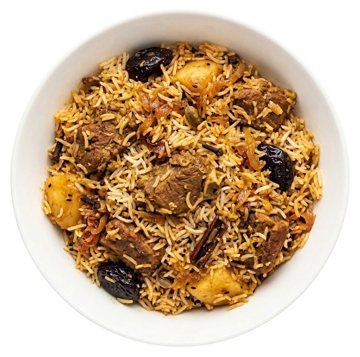
A layered Parsi-style rice and lamb dish, with spiced bone-in lamb, roasted potato and basmati rice scented with saffron. It tastes warm and aromatic, with a rich savoury lamb base, fried onion sweetness and nuts for texture.

Garlic-ginger paste

15 gMixed into the lamb marinade (step 1)
01
Ginger garlic paste · Adrak Lahsun Pastemade from 8 garlic cloves and a 5cm piece of fresh root ginger
15 g1 tablespoon
aromatic
Stir it into the lamb with the yoghurt and 0.3 g salt.

Spice powder

19 gStirred into the fried onions before the lamb is added (step 3)
Grind to a fine powder.

Saffron soak

0.3 gSoaked, then stirred into half the rice (steps 7–8)
01
~0.3 g1 pinch
spice
Soak in 2 tbsp warm water for 10 minutes.

Rice whole spices

1.4 gAdded to the boiling water before the rice (step 8)
01
0.2 g3 cloves
spice
02
0.5 g1 leaf
spice
Keep whole and add to the boiling water.

Everything else

01
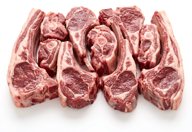
Bone-in lamb · Mutton with bonecut into bite-sized pieces
700 g
meat
02
15 g1 tablespoon
dairy
03
~0.3 g1 pinch
salt
04
40 g3 tablespoons
oil/fat
05
Onion · Pyazthinly sliced
150 g1 onion
vegetable
06
Potato · Aloocut in chunks
300 g1 potato
vegetable
07
14 g1 tablespoon
dairy
08
to taste
salt
10
2.4 g½ teaspoon
dairy
11
40 g3 tablespoons
oil/fat
12
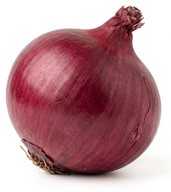
Red onion · Pyazthinly sliced
300 g2 onions
vegetable
13
~0.3 g1 pinch
sweetener
14
Cashew nut · Kajuroughly chopped
9 g1 tablespoon
nut/seed
15
9 g1 tablespoon
fruit
16
100 g2 eggs
egg
17
to taste
herb

Method

  1. Mix 700 g bone-in lamb, 15 g yoghurt, 16.2 g garlic and ginger paste and 0.3 g salt in a large bowl. Cover and marinate for 2–3 hours, or overnight.
  2. Grind the spice powder to a fine powder and set aside.
  3. Heat 2 tbsp of the 40.5 g vegetable oil in a heavy saucepan over medium heat. Fry 150 g thinly sliced onion for 15–17 minutes until softened and starting to colour. Stir in the spice powder for a few seconds, then add the marinated lamb.
  4. Cook over medium-high heat for 7–8 minutes, stirring so the lamb seals and is coated in the spices. Add 100 ml water and salt to taste, bring to a boil, then lower the heat, cover and simmer for 50 minutes until the lamb is tender, stirring now and then. Keep warm.
  5. Heat the oven to 180°C/350°F.
  6. Toss 300 g potato chunks with the remaining oil from the 40.5 g and a pinch of salt on a baking tray. Roast for 15 minutes until the edges brown. Cover with foil and keep warm.
  7. Soak 0.3 g saffron in 2 tbsp warm water for 10 minutes.
  8. Bring 1.5 litres water to a rolling boil in a large saucepan. Add the rice whole spices and a pinch of salt, then add 500 g basmati rice and 2.4 g butter. Cook over medium heat for 16–18 minutes until the rice is cooked on the outside but still firm at the centre and most water is absorbed. Drain any excess water. Put half the rice in a bowl and stir in the saffron and its soaking water until golden.
  9. Pour half the 14.1 g melted butter into a deep casserole dish. Layer white rice, the lamb and its sauce, roasted potato and saffron rice, then repeat and finish with a rice layer. Pour over the remaining melted butter. Cover with greaseproof paper or foil and a tight lid, then bake for 25 minutes. Rest before finishing.
  10. Heat 1 tbsp of the 40.5 g vegetable oil in a frying pan over medium heat. Fry 300 g thinly sliced red onion with 0.3 g sugar for 8–10 minutes until browned. Transfer to a bowl. Add the remaining oil to the pan and fry 9 g roughly chopped cashew nuts and 9 g raisins for about 1 minute, stirring, until the nuts colour and the raisins swell.
  11. Fluff the pulao with a fork and top with the fried onions, cashews, raisins, 100 g quartered hard-boiled eggs and coriander leaves to taste.

Don't have something?

Bone-in lamb
  • Boneless lamb

    Use 75–80% of the weight; brown as usual and simmer 15–20 minutes less, as there is no bone to slow cooking.

  • Lamb shoulder

    Use same weight, cut into pieces and keep any bone for stock; cooking time is similar but the curry will be richer.

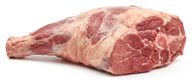
  • Leg of lamb

    Use same weight, cut into pieces; it is leaner, so simmer 10 minutes less and do not overcook.

Yogurt
  • Plain yogurt

    Use 100% of the weight. Whisk thoroughly until smooth before stirring into warm gravies to prevent curdling.

  • Single cream

    Use 90% of the weight combined with 10% lemon juice to replicate the lactic tang and rich body in marinades and curries.

Ginger garlic paste
  • Ginger and garlic paste

    Use the same weight; the difference is only the order of the names.

  • Garlic paste

    Mix with an equal weight of ginger paste and use the same total weight.

  • Garlic

    For 20 g paste use about 10 g crushed garlic and 10 g grated ginger root with a splash of water. Add a little extra water if the dish looks dry.

Vegetable oil
  • Peanut oil

    Use 1:1 by weight. Handles high-heat frying identically and introduces a very subtle, pleasant nuttiness.

  • Ghee

    Use 1:1 by weight. Yields a much richer, authentic aroma and a glossy, heavier mouthfeel.

  • Mustard oil

    Use 1:1 by weight. Heat until smoking, then cool slightly before cooking to temper its intensely pungent, sharp mustard kick.

Onion
  • Shallot

    Use equal weight, finely sliced. Shallots soften and brown faster, giving a slightly sweeter and more delicate base to curries.

  • Cabbage

    Use 80% of the weight, finely shredded and browned slowly with a pinch of asafoetida. Replicates the bulk and natural sweetness in gravies without allium.

Potato
  • Eggplant

    Use equal weight. Cut into large chunks; cooks down much faster (10-12 minutes) and softens into the sauce rather than staying starchy and firm.

  • Paneer

    Use 80% of the weight. Cube and add in the last 5-10 minutes of cooking; adds rich dairy protein instead of starchy bulk.

  • Dried chickpea

    Use 45% dry weight. Soak overnight and boil until fully soft before stirring into the sauce to simmer for 10 minutes.

Butter
  • Unsalted butter

    Use 100% of the weight. If the original recipe relies on salted table butter, add a pinch of salt to balance.

  • Ghee

    Use 80% to 85% of the weight. Ghee is pure butterfat with moisture removed; it yields a deeper, nuttier flavour and handles high heat better.

  • Vegetable oil

    Use 80% of the weight for frying or tempering. The dish loses sweet dairy richness but remains glossy and light.

Dried kashmiri chilli
  • Kashmiri chilli powder

    Use 1 g powder for every 1.5 g whole dried chilli; whisk with a spoonful of warm water and stir into the masala to provide identical ruby colour and mild heat.

  • Dried red chilli

    Use 35% to 40% of the weight; discard seeds before tearing into oil to temper. Delivers a much fiercer heat, with significantly less red colouring.

Mace blade
  • Ground mace

    Use 0.5 g ground mace for 1 g mace blade; add towards the end of frying spices as ground powder burns much quicker than whole blades.

  • Nutmeg

    Grate finely, using 50% of the weight; sweeter, deeper, and slightly heavier in aroma than delicate mace.

  • Ground nutmeg

    Use 40% of the weight; stir in gently with ground spices, avoiding high direct heat to prevent bitterness.

Star anise
  • Aniseed

    Use equal weight or 1 g lightly crushed aniseed per whole star anise star. Delivers the same sweet liquorice profile, though slightly less woody.

  • Fennel seed

    Use equal weight, bruised in a mortar. Lends a gentler, sweeter liquorice note to gravies and biryanis.

Clove
  • Ground cloves

    Use 1 g ground for 4 g whole (or 1 small pinch per 2 to 3 whole cloves). Add with spice powders; disperses intense warmth quickly, so use with restraint.

  • Allspice berries

    Use 100% of the weight whole in tempering. Imparts a warm, clove-like aromatic profile combined with hints of nutmeg and cinnamon.

  • Black cardamom pod

    Use 1 pod for 3 to 4 cloves in whole tempering. Shares a camphor-like warmth and medicinal depth, though it introduces a distinct smoky undertone.

Cassia bark
  • Ceylon cinnamon

    True cinnamon: thinner, papery quills, milder and sweeter. Use about 1.5 times the weight, and taste.

  • Ground cinnamon (cassia)

    Use about a third of the weight (0.5 g ground for a 2.5 cm piece), stirred in with the ground spices rather than fried whole, since the powder burns quickly.

  • Cassia buds

    Use 60-70% of the weight; stronger and more peppery, so taste before adding more.

Ground nutmeg
  • Nutmeg

    Grate whole nutmeg finely on a microplane; use 80% to 100% of the weight. Freshly grated nutmeg has significantly more aromatic oils and a more vibrant aroma.

  • Ground mace

    Use 100% to 120% of the weight. Mace is nutmeg's outer husk, providing almost identical warmth but with a lighter, slightly more delicate, floral edge.

  • Ground cinnamon (cassia)

    Use 75% of the weight. Adds comparable warmth and sweetness, though it lacks the musky, nutty undertone of nutmeg.

Black peppercorn
  • Coarsely ground black pepper

    Use 75% of the weight. Add midway through simmering; spreads heat evenly through the dish instead of delivering isolated bursts.

  • Ground black pepper

    Use 50% of the weight. Stir in near the end of cooking; significantly darkens light gravies and provides an immediate, sharp bite.

Black cardamom pod
  • Ground black cardamom

    Use 0.5 g of ground seeds for each whole pod. Stir directly into the curry base; delivers identical smoky flavour without woody husks.

  • Green cardamom pod

    Use equal pod count or weight. Crack slightly and fry whole; tastes sweet, menthol-fresh, and floral rather than dark and smoky.

Saffron
  • Ground turmeric

    Use 15% of the saffron's weight. Replicates the bright yellow colour well, but lacks the floral, earthy depth; use sparingly to avoid bitterness.

  • Screwpine water or rosewater

    Use a few drops combined with a tiny pinch of ground turmeric to mimic both the regal floral aroma and the golden hue.

Bay leaf
  • Cinnamon stick

    Use a 2 cm piece (about 1 g) for every 1 to 2 bay leaves. Fry in whole-spice temperings; provides the cassia-like warmth typical of Indian tejpatta.

  • Ground cinnamon (cassia)

    Use 0.5 g per leaf. Stir into the sauce during simmering; gives the same warm woodiness but darkens the colour slightly.

Green cardamom pod
  • Green cardamom seed

    Use 35 to 40% of the total pod weight; lightly bruise the seeds before frying in oil to release their essential oils.

  • Ground green cardamom

    Use 20 to 25% of the pod weight (about 1 generous pinch per pod); stir in toward the end of cooking so the delicate floral notes do not dissipate.

  • White cardamom pod

    Use 1:1 by pod count or weight; crack gently before using, though it is slightly less intensely floral.

Basmati rice
  • Plain boiled rice

    Use 2.5 times the weight if substituting pre-cooked rice. Fold in gently at the end of the recipe; grains will be shorter and less fragrant.

Red onion
  • Onion

    Use the same weight; cook a little longer. Milder and less sweet when raw.

  • Shallot

    Use the same weight; sweeter and softer, so reduce cooking time slightly.

  • Spring onion

    Use only the white parts, weight for weight, for raw or quick-cooked dishes; green parts are too grassy for long cooking.

Granulated sugar
  • Jaggery

    Use equal weight; grate or shave finely so it dissolves rapidly, giving a warm, caramel-like sweetness and slightly darker sauce.

Cashew nut
  • Almond

    Use 100% of the weight. Soak in boiling water and slip off skins before frying or grinding; gives a lighter, slightly less sweet richness to curries.

  • Poppy seed

    Use 60% of the weight for gravies. Soak in warm water and grind into a fine paste to thicken royal kormas without adding heavy oiliness.

  • Shelled peanut

    Use 100% of the weight. Roast, skin, and grind; creates a thicker, earthier texture typical of Maharashtrian and western Indian curries.

Raisin
  • Dried plum

    Use equal weight, pitted and finely chopped. Lends a deeper, slightly more tart sweetness to curries and rice dishes.

  • Cashew nut

    Use equal weight. Fry lightly in ghee until golden; substitutes the burst of sweetness with a rich, buttery crunch.

  • Jaggery

    Use 30% of the weight, finely grated. Dissolve straight into the sauce to match the intended sweetness, though without the fruity chew.

Hard-boiled egg
  • Egg

    Use the same weight, about 50 g per egg. Boil 9–10 minutes, cool and peel; exact substitute.

  • Boiled egg white

    Use the same weight. Leaner and less rich; mash with a little oil or yolk if the dish needs richness.

  • Tofu

    Use the same weight; press and cube. No egg flavour, so add 5 minutes before the end and adjust salt.

Coriander leaves
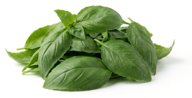
  • Coriander (cilantro) or basil

    Use the same weight, choosing the coriander element if available. If only basil is available, expect a sweeter, more aniseed flavour.

  • Basil leaves

    Use the same weight. Basil is sweeter and more aromatic in a different way; add near the end so it keeps its perfume.

  • Coriander paste

    Use 1.5 times the weight and reduce other liquid slightly; it is less fresh and more concentrated, so taste before adding more.

Similar dishes

Biryani (II)
Lamb Biryani (II)
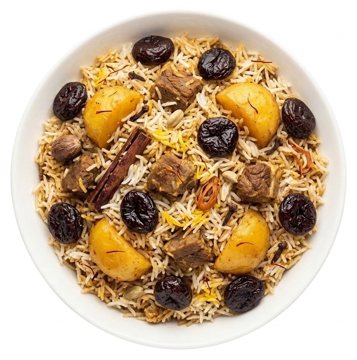
Biryani (II) tastes more tangy from yogurt and dried plum, more floral from rosewater and hotter from green chilli and chilli powder, with a ghee-rich finish, while this dish tastes sweeter from fried onion, sugar, raisins and cashews and richer from butter and egg.
  • Same: Biryani (II) shares layered basmati rice, lamb, potato, fried onion, saffron, yogurt, cardamom, clove and mace with this dish.
  • Different: Biryani (II) uses ghee instead of vegetable oil and butter, adds green papaya, green chilli, chilli powder, cumin, black cumin, cinnamon, dried plum, rosewater and milk, and seals the pot with dough for slow steaming, while this dish adds cashew, raisin, hard-boiled egg, star anise, cassia, nutmeg and Kashmiri chilli.
Bengali Mutton Biryani
Bengali Lamb Biryani
Bengali Mutton Biryani tastes tangier from yogurt and dried plum and more kewra-scented, while this dish tastes warmer with saffron, fried onion sweetness, nuts and a richer buttery lamb base.
  • Same: Bengali Mutton Biryani shares basmati rice, lamb, potato, onion, saffron, whole spices and a layered cooking style with this dish.
  • Different: Bengali Mutton Biryani uses a large amount of yogurt and dried plum as souring agents, kewra water, chilli powder, cinnamon and white cardamom, and only vegetable oil, while this dish uses bone-in lamb, roasted potato, butter, Kashmiri chilli, star anise, cassia, black cardamom, cashews, raisins and hard-boiled egg.
Yakhni Pulao (Indian Kitchen)
Yakhni Pulao tastes savoury and gentle with whole-spice warmth and buttery rice, while this dish tastes warmer and more aromatic with a rich savoury lamb base, fried onion sweetness, saffron and nuts.
  • Same: Yakhni Pulao shares bone-in lamb, basmati rice, onion, bay leaf, green cardamom, cassia, clove, butter, vegetable oil and coriander with this dish.
  • Different: Yakhni Pulao adds fennel seed, green bird’s eye chilli, ginger paste, garlic paste and ground cinnamon, but lacks this dish’s potato, yoghurt, saffron, dried Kashmiri chilli, mace, star anise, black cardamom, cashew, raisin and hard-boiled egg, and it is cooked in a clear stock rather than layered with roasted potato.
Moti Pulao
Pearl Pulao
Moti Pulao tastes of saffron rice, spiced lamb meatballs, and rich bone broth with ghee and kewra, while this dish tastes richer in fried onion sweetness, nuts, and roasted potato alongside bone-in lamb.
  • Same: Moti Pulao and this dish both layer basmati rice with lamb and use saffron, bay leaf, clove, black cardamom, mace, and black peppercorn.
  • Different: Moti Pulao uses minced lamb meatballs, lamb bone broth, ghee, green chilli, coriander, egg, kewra water, silver leaf, and a dough seal, while this dish uses bone-in lamb, yoghurt, potato, fried onion, cashew, raisin, hard-boiled egg, vegetable oil, and butter.