Indian cooking
Indian cooking / Dishes / Biryani (II)
Biryani (II) (Lamb Biryani (II))

Biryani (II)

Lamb Biryani (II)
Non-vegetarianOrigin AwadhPrep 1½ hours, plus marinating timeCook 2 hours

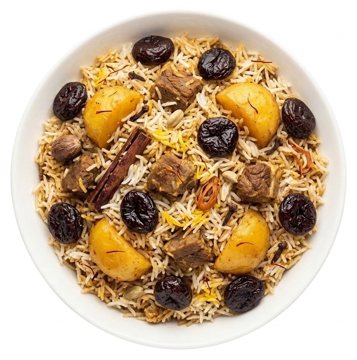
A magnificent layered lamb biryani tenderised with green papaya and slow-steamed under a sealed lid. It features intensely fragrant, parboiled basmati rice layered over spiced meat, fried potatoes, and sweet dried plums infused with saffron and rosewater.

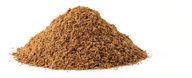
Marinade paste spices

4.8 gBlended with the papaya and aromatics (step 1)
01
4.2 g2 teaspoons
spice
02
0.6 g8 cloves
spice
Leave whole to blitz into the green marinade paste.

Saffron

0.7 gSteeped in hot water before assembling (step 1)
01
0.7 g1 teaspoon
spice
Steep whole threads in hot water to extract flavour and colour.

Turmeric

1.5 gRubbed onto the dried meat and potatoes (step 2)
01
1.5 g½ teaspoon
spice
Keep dry to dust over the lamb and potatoes.

Whole rice spices

2.9 gAdded to the boiling water with the rice (step 4)
01
0.4 g6 cloves
spice
03
0.5 g¼ teaspoon
spice
04
1.3 g1 piece
spice
Keep whole to perfume the parboiling water.

Chilli powder

5 gSplit between frying potatoes and dusting over the lamb layer (steps 5 and 6)
Keep ready to divide between the sautéing potatoes and the meat layer.

Biryani spice blend

11 gSprinkled over the raw meat layer (step 6)
03
1.3 g1 piece
spice
04
0.5 g2 pieces
spice
05
3.2 g1½ teaspoons
spice
Mill to a fine, fragrant powder in a spice grinder.

Everything else

01
45 g15 cloves
aromatic
02
38 g1 piece
aromatic
03
30 g5 chillies
vegetable
06
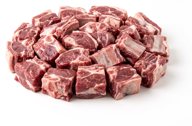
Lamb · Goshtcut into large pieces
1000 g
meat
07
507 g500 ml
dairy
08
750 g
vegetable
09
to taste
salt
10
1000 g
grain
11
500 g
oil/fat
12
750 g
vegetable
13
57 g6 plums
fruit
14
15 g1 tablespoon
liquid
15
125 g
oil/fat
16
186 g180 ml
dairy

Method

  1. Steep the saffron (0.7 g saffron) in 2 tablespoons of hot water. In a food processor, blend 45 g garlic, 38.4 g ginger, 30 g green chilli, 50 g coriander leaf, and 500 g unripe papaya together with the marinade paste spices until completely smooth.
  2. Toss 1000 g lamb with salt to taste and leave to sit for 15 to 30 minutes. Thoroughly dry the meat using a clean cloth, then dust it with a pinch from the turmeric (1.5 g ground turmeric). Stir 507 g plain yogurt into the papaya paste and massage it all over the lamb. Cut a slit through the middle of each of the 750 g potato and season them with the remaining turmeric.
  3. Grind the biryani spice blend until powdery and set aside.
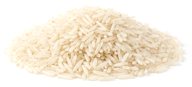
  4. Bring a large pot three-quarters full of water to a rolling boil. Stir in 1000 g basmati rice and the whole rice spices. Cook for approximately 5 minutes until parboiled to roughly one-quarter done, then drain, making sure to collect and save the cooking liquid.
  5. In a wide, heavy pan, warm 500 g ghee over medium heat and sauté 750 g onion for about 5 minutes until rich golden-brown. Transfer the fried onions to a plate with a slotted spoon. Pour out half of the ghee to reserve for layering. Return the pan to the heat, add 2 teaspoons of crushed fried onions alongside 1 teaspoon of the chilli powder (5.2 g chilli powder), and sizzle for 1 minute. Add the potatoes, fry gently for 5 to 10 minutes until lightly browned, then lift out with a slotted spoon.
  6. Arrange the marinated lamb pieces tightly across the base of a wide, heavy-bottomed pot in a single snug layer with no gaps. Drizzle 125 ml of the saved frying ghee over the meat, then dust evenly with the ground biryani spice blend and the rest of the chilli powder. Layer the fried potatoes over the meat, tucking 57 g dried plum into the gaps between them.
  7. Preheat the oven to 230°C (450°F). Sprinkle 14.7 g rosewater and 1 teaspoon of the saffron liquid over the potato layer, then scatter over the rest of the fried onions. Spread the parboiled rice evenly on top. Pour over 125 g ghee, 186 g milk, and 300 ml of the reserved hot rice cooking water, finishing with the remaining saffron liquid poured right into the centre.
  8. Fit a tight lid onto the pot and seal the rim completely with 150 g dough. Set the pot over high heat on the stovetop for 15 to 20 minutes, then shift it into the oven for 20 minutes. Drop the heat to 180°C (350°F) and continue baking for 1½ hours. Finally, rest the pot over medium stovetop heat for 10 to 15 minutes before breaking the seal to serve.

Don't have something?

Garlic
  • Garlic paste

    Use equal weight. Fry gently in oil or ghee with the ginger; incorporates smoothly into curries without visible minced bits.

  • Garlic powder

    Use 15% to 20% of the weight (about 1 g for every 5 to 6 g fresh cloves). Whisk into sauces; gives a savoury, toasted garlic flavour without raw pungency.

  • Shallot

    Use 1.5 times the weight, very finely minced. Sauté until golden; provides savoury allium sweetness, though it lacks garlic's pungent sulphur bite.

Ginger
  • Fresh ginger

    Use equal weight; scrape off the skin and grate or finely julienne according to the recipe.

  • Ginger paste

    Use equal weight; stir straight into the sizzling aromatics, taking care as the extra moisture may spit.

  • Ground ginger

    Use 15 to 20% of the weight; add alongside ground spices, noting it imparts warm, dry heat rather than zesty freshness.

Green chilli
  • Chilli powder

    Use 10 to 15% of the weight (about 1/4 teaspoon per chilli); imparts dry pungent heat and reddens the dish without the grassy crunch.

  • Dried red chilli

    Use 1 dried pod per fresh green chilli; snap in half and temper in hot oil for a deeper, toastier heat.

Coriander leaf
  • Coriander

    Use equal weight finely chopped; this is the exact same fresh herb.

  • Mint

    Use half the weight finely chopped; provides vibrant green freshness, though the flavour profile becomes noticeably cooler and sharper.

Unripe papaya
  • Plain yogurt

    Use equal weight when needed as a meat tenderiser in marinades; softens meat effectively via lactic acid, though it lacks the enzyme strength of papain.

  • Cabbage

    Use equal weight, shredded, when used raw or stir-fried in slaws and sambharo. Provides similar crunch, though it is slightly softer and sweeter.

Cumin seed
  • Ground cumin

    Use 70% of the weight; add with ground spices or sauce bases rather than hot oil tempering, where it scorches quickly and turns bitter.

  • Black cumin seeds

    Use equal weight for oil tempering. Delivers an earthy profile with an additional musky, smoky, and slightly bitter edge.

  • Fennel seed

    Use 60% of the weight for tempering; offers comparable warm aroma, but leans sweet and liquorice-like rather than savoury and earthy.

Clove
  • Ground cloves

    Use 1 g ground for 4 g whole (or 1 small pinch per 2 to 3 whole cloves). Add with spice powders; disperses intense warmth quickly, so use with restraint.

  • Allspice berries

    Use 100% of the weight whole in tempering. Imparts a warm, clove-like aromatic profile combined with hints of nutmeg and cinnamon.

  • Black cardamom pod

    Use 1 pod for 3 to 4 cloves in whole tempering. Shares a camphor-like warmth and medicinal depth, though it introduces a distinct smoky undertone.

Saffron
  • Ground turmeric

    Use 15% of the saffron's weight. Replicates the bright yellow colour well, but lacks the floral, earthy depth; use sparingly to avoid bitterness.

  • Screwpine water or rosewater

    Use a few drops combined with a tiny pinch of ground turmeric to mimic both the regal floral aroma and the golden hue.

Lamb
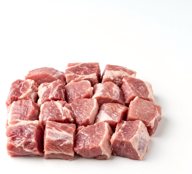
  • Pork

    Use equal weight of pork shoulder or collar; cut into identical cubes and braise, reducing cooking time by 15-20 minutes.

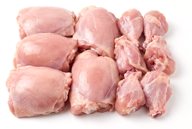
  • Chicken

    Use equal weight of bone-in chicken thighs; curry simmers in roughly 25 minutes instead of over an hour, with a much lighter sauce.

Ground turmeric
  • Ground ginger

    Use 50% of the weight. Mimics turmeric's warm, earthy, rhizome background, but provides none of the golden-yellow colour.

  • Saffron

    Steep a tiny pinch (0.1 g per 2 g turmeric) in 2 tbsp warm water; use to match the rich golden hue. Contributes an aristocratic, honeyed floral flavour rather than earthy bitterness.

Plain yogurt
  • Yogurt

    Use equal weight, whisked thoroughly until smooth before adding to hot dishes to prevent curdling.

  • Coconut milk

    Use equal weight with 1 teaspoon lemon juice mixed in. Provides rich creaminess in curries, but adds a noticeable coconut flavour.

  • Single cream

    Use 80% of the weight plus a squeeze of lemon juice for acidity. Enriches sauces nicely, though it is richer and less tangy.

Potato
  • Eggplant

    Use equal weight. Cut into large chunks; cooks down much faster (10-12 minutes) and softens into the sauce rather than staying starchy and firm.

  • Paneer

    Use 80% of the weight. Cube and add in the last 5-10 minutes of cooking; adds rich dairy protein instead of starchy bulk.

  • Dried chickpea

    Use 45% dry weight. Soak overnight and boil until fully soft before stirring into the sauce to simmer for 10 minutes.

Basmati rice
  • Plain boiled rice

    Use 2.5 times the weight if substituting pre-cooked rice. Fold in gently at the end of the recipe; grains will be shorter and less fragrant.

Green cardamom pod
  • Green cardamom seed

    Use 35 to 40% of the total pod weight; lightly bruise the seeds before frying in oil to release their essential oils.

  • Ground green cardamom

    Use 20 to 25% of the pod weight (about 1 generous pinch per pod); stir in toward the end of cooking so the delicate floral notes do not dissipate.

  • White cardamom pod

    Use 1:1 by pod count or weight; crack gently before using, though it is slightly less intensely floral.

Black cumin seed
  • Nigella seeds

    Use the same weight; in Indian cooking this is usually the same seed. Toast lightly if the recipe asks for toasted.

  • Kalonji seed

    Use the same weight; it is another name for nigella. Add whole or crush lightly.

  • Cumin seed

    Use about 75% of the weight and toast before use; the flavour is different, more warm and less onion-like.

Cassia bark
  • Ceylon cinnamon

    True cinnamon: thinner, papery quills, milder and sweeter. Use about 1.5 times the weight, and taste.

  • Ground cinnamon (cassia)

    Use about a third of the weight (0.5 g ground for a 2.5 cm piece), stirred in with the ground spices rather than fried whole, since the powder burns quickly.

  • Cassia buds

    Use 60-70% of the weight; stronger and more peppery, so taste before adding more.

Ghee
  • Unsalted butter

    Use 120% of the weight; melt gently over low heat to avoid burning the milk solids, which will yield a softer, creamier richness rather than a nutty aroma.

  • Vegetable oil

    Use 85% of the weight; holds high cooking temperatures without smoking, but the final dish will lack traditional dairy depth.

  • Mustard oil

    Use equal weight; heat to smoking point and cool slightly before cooking, bearing in mind it introduces an assertive, pungent edge.

Onion
  • Shallot

    Use equal weight, finely sliced. Shallots soften and brown faster, giving a slightly sweeter and more delicate base to curries.

  • Cabbage

    Use 80% of the weight, finely shredded and browned slowly with a pinch of asafoetida. Replicates the bulk and natural sweetness in gravies without allium.

Chilli powder
  • Red chilli powder

    Use 100% of the weight. Provides direct, sharp heat and red colour in equal measure.

  • Kashmiri chilli powder

    Use 150% to 200% of the weight if matching colour, but add a pinch of black pepper or hot chilli if you need equivalent fiery heat.

  • Cayenne pepper

    Use 75% to 100% of the weight. Offers a sharp, clean heat with slightly less earthy depth and less crimson colour.

Dried plum
  • Raisin

    Use equal weight. Soak in warm water for 10 minutes before adding to mimic the chewy texture and sweetness, though you may need a squeeze of lemon juice to replace the tartness.

  • Tamarind extract

    Use 50% of the weight mixed with an equal amount of jaggery or granulated sugar. Simmer directly into the gravy to replicate the sweet-sour fruit profile without whole fruit pieces.


Black cardamom pod
  • Ground black cardamom

    Use 0.5 g of ground seeds for each whole pod. Stir directly into the curry base; delivers identical smoky flavour without woody husks.

  • Green cardamom pod

    Use equal pod count or weight. Crack slightly and fry whole; tastes sweet, menthol-fresh, and floral rather than dark and smoky.

Mace blade
  • Ground mace

    Use 0.5 g ground mace for 1 g mace blade; add towards the end of frying spices as ground powder burns much quicker than whole blades.

  • Nutmeg

    Grate finely, using 50% of the weight; sweeter, deeper, and slightly heavier in aroma than delicate mace.

  • Ground nutmeg

    Use 40% of the weight; stir in gently with ground spices, avoiding high direct heat to prevent bitterness.

Rosewater
  • Screwpine water or rosewater

    If using kewra water, use 50% of the volume specified; it is intensely floral and pungent, so add drop by drop to avoid overpowering.

  • Ground green cardamom

    Use 0.5 g ground spice for every 5 ml rosewater. Adds warm, perfumed top notes, shifting the aroma from floral to sweet spice.

  • Dried rose petals

    Steep 1 g dried petals in 15 ml hot milk or water for 10 minutes, strain, and stir in for a subtle, natural floral note.

Milk
  • Whole milk

    Use equal weight; provides the standard rich dairy fat and body expected in creamy Indian bases.

  • Single cream

    Dilute 3 parts cream with 1 part water to match the weight; yields a richer, glossier gravy that resists curdling.

  • Plain yogurt

    Whisk thoroughly and use equal weight; adds extra body and a mild pleasant acidity, best added off the heat.

Dough
  • Plain boiled rice

    If dough was intended to accompany a curry (such as flatbreads), serve equal cooked weight of rice instead.

Similar dishes

Bengali Mutton Biryani
Bengali Lamb Biryani
Bengali Mutton Biryani has a lighter, more delicately spiced profile, lacking the rich buttery depth of ghee, the sharp heat from fresh chillies and garlic, and the sweet-tart contrast of dried plums.
  • Same: Bengali Mutton Biryani shares the core technique of layering spiced lamb, basmati rice, and potatoes with yogurt, saffron, cinnamon, cloves, and fragrant floral water.
  • Different: It uses vegetable oil rather than ghee, adds nutmeg and white cardamom, and omits this dish's unripe papaya tenderizer, garlic, green chillies, cumin, black cardamom, and dried plums.
Moti Pulao
Pearl Pulao
Moti Pulao tastes milder and more focused on savoury meat broth and peppery spice, lacking the rich sweet-and-sour tang of yogurt and dried plums and the floral aroma of rosewater present in this dish.
  • Same: Both dishes slow-cook lamb and basmati rice in ghee under a dough seal using saffron, green chillies, ginger, garlic, and warm spices like cinnamon, mace, and cloves.
  • Different: Moti Pulao shapes the lamb into meatballs cooked in bone broth and includes bay leaves and black peppercorns, but omits this dish's green papaya tenderiser, yogurt, potatoes, onions, dried plums, and rosewater.
Mutanjan Pulao
Sweet Lamb Pulao
Mutanjan Pulao is distinctly sweet and milky with a mild aromatic profile, lacking the sharp chilli heat, garlic pungency, and tartness of this dish.
  • Same: Mutanjan Pulao also layers lamb and basmati rice cooked in ghee, perfumed with saffron, cinnamon, cloves, and cardamom under a dough-sealed lid.
  • Different: Mutanjan Pulao incorporates half a kilogram of sugar and over two litres of milk, but omits this dish's yogurt, green papaya, potatoes, garlic, and fresh chillies.
Aloo ki Tehari
Layered Rice and Potatoes
Aloo ki Tehari tastes tangier and potato-forward from lemon and yogurt, with fennel and whole-spice aroma, and lacks the rich lamb, heavy ghee, saffron-rosewater floral notes, and sweet dried-plum flavor of this dish.
  • Same: Aloo ki Tehari shares with this dish a layered basmati rice method, a dough-sealed steam, yogurt, ghee, potatoes, and whole spices such as cardamom, clove, cinnamon, and cumin.
  • Different: Aloo ki Tehari is vegetarian and potato-centered, using vegetable oil, vegetable stock, lemon juice, fennel seed, and bay leaf, while this dish adds lamb, green papaya, saffron, rosewater, dried plums, milk, garlic, ginger, coriander leaf, and much more ghee.