Indian cooking
Indian cooking / Dishes / Moti Pulao
Moti Pulao (Pearl Pulao)

Moti Pulao

Pearl Pulao
Non-vegetarianOrigin AwadhPrep 3½ hours, plus soaking and standing timeCook 1 hour

A celebratory, aromatic pulao featuring delicate, spiced lamb meatballs coated in silver leaf and layered with fragrant basmati rice cooked in a spiced bone broth.

Whole spices for the stock

15 gAdded to the stock pot with the bones and water (step 1)
01
1 g2 leaves
spice
02
1.3 g1 piece
spice
03
0.7 g10 cloves
spice
05
1.1 g½ teaspoon
spice
06
1.4 g½ teaspoon
spice
07
~0.3 gpinch
spice
Leave whole to infuse the simmering broth.

Saffron for soaking

0.3 gSteeped in water before layering the rice (step 2)
01
~0.3 gpinch
spice
Keep whole; steep in a small splash of warm water.

Everything else

02
to taste
salt
03
Lamb · Goshtvery finely minced (ground)
500 g
meat
04
Green chilli · Hari Mirchde-seeded and finely chopped
12 g2 chillies
vegetable
05
1 g1 tablespoon
herb
06
~0.3 gpinch
salt
07
50 g1 egg
egg
08
100 g
oil/fat
10
500 g
grain
11
Gheeplus extra for greasing
26 g2 tablespoons
oil/fat
12
Ginger · Adrakpeeled and finely chopped
24 g1 piece
aromatic
13
18–24 g6–8 cloves
aromatic

Method

  1. Place the lamb bones, the whole spices for the stock, salt to taste, and 1.75 litres of water into a large, heavy pot. Bring to a boil, lower the heat, and simmer gently for 1 hour. Return the liquid to a rolling boil, reduce the heat again, and cook for another hour. Strain the broth, discarding the solids, and reserve about 750 ml of stock.
  2. Preheat the oven to 150°C (300°F). Submerge 500 g basmati rice in water to soak for 20 minutes, then drain and set aside for 10 minutes. In a small cup, steep the saffron for soaking in 3 to 4 teaspoons of water.
  3. Mix 500 g lamb, 12 g green chilli, 1 g coriander leaf, 0.3 g salt, and 1 beaten egg together in a bowl until fully combined. Using moist hands, roll the mixture into small, pea-sized meatballs.
  4. Melt 100 g ghee in a frying pan over medium heat and fry the meatballs in batches for 3 to 4 minutes until browned on all sides. Transfer to a plate to cool slightly, then gently roll each ball in silver leaf until coated.
  5. Heat 26.4 g ghee in a heavy-bottomed pan over medium heat. Sauté 24 g ginger and 18–24 g garlic for 1 to 2 minutes until fragrant. Add the drained rice, stir-frying for 1 to 2 minutes, then pour in enough reserved lamb stock to stand 2.5 cm (1 inch) above the grains. Cover and cook over low heat for 15 minutes, until the rice is almost completely tender.
  6. Grease an ovenproof pot with extra ghee. Build alternating layers of the par-cooked rice and meatballs, drizzling each layer with some of the steeped saffron and 0.1 g kewra water, ending with rice. Cover with a tight lid, seal the rim with 150 g dough, and bake at 150°C (300°F) for 20 to 30 minutes.

Don't have something?

Lamb bone
  • Lamb stock

    For 500 g bones use about 500 ml lamb stock and reduce other liquid; gives flavour but less body.

  • Marrow bone

    Use the same weight; adds body and richness, but not the same meaty flavour.

  • Chicken stock

    Use the same volume as the liquid the bones would flavour; lighter and less gelatinous.

Bay leaf
  • Cinnamon stick

    Use a 2 cm piece (about 1 g) for every 1 to 2 bay leaves. Fry in whole-spice temperings; provides the cassia-like warmth typical of Indian tejpatta.

  • Ground cinnamon (cassia)

    Use 0.5 g per leaf. Stir into the sauce during simmering; gives the same warm woodiness but darkens the colour slightly.

Cassia bark
  • Ceylon cinnamon

    True cinnamon: thinner, papery quills, milder and sweeter. Use about 1.5 times the weight, and taste.

  • Ground cinnamon (cassia)

    Use about a third of the weight (0.5 g ground for a 2.5 cm piece), stirred in with the ground spices rather than fried whole, since the powder burns quickly.

  • Cassia buds

    Use 60-70% of the weight; stronger and more peppery, so taste before adding more.

Clove
  • Ground cloves

    Use 1 g ground for 4 g whole (or 1 small pinch per 2 to 3 whole cloves). Add with spice powders; disperses intense warmth quickly, so use with restraint.

  • Allspice berries

    Use 100% of the weight whole in tempering. Imparts a warm, clove-like aromatic profile combined with hints of nutmeg and cinnamon.

  • Black cardamom pod

    Use 1 pod for 3 to 4 cloves in whole tempering. Shares a camphor-like warmth and medicinal depth, though it introduces a distinct smoky undertone.

Black cardamom pod
  • Ground black cardamom

    Use 0.5 g of ground seeds for each whole pod. Stir directly into the curry base; delivers identical smoky flavour without woody husks.

  • Green cardamom pod

    Use equal pod count or weight. Crack slightly and fry whole; tastes sweet, menthol-fresh, and floral rather than dark and smoky.

Cumin seed
  • Ground cumin

    Use 70% of the weight; add with ground spices or sauce bases rather than hot oil tempering, where it scorches quickly and turns bitter.

  • Black cumin seeds

    Use equal weight for oil tempering. Delivers an earthy profile with an additional musky, smoky, and slightly bitter edge.

  • Fennel seed

    Use 60% of the weight for tempering; offers comparable warm aroma, but leans sweet and liquorice-like rather than savoury and earthy.

Black peppercorn
  • Coarsely ground black pepper

    Use 75% of the weight. Add midway through simmering; spreads heat evenly through the dish instead of delivering isolated bursts.

  • Ground black pepper

    Use 50% of the weight. Stir in near the end of cooking; significantly darkens light gravies and provides an immediate, sharp bite.

Mace blade
  • Ground mace

    Use 0.5 g ground mace for 1 g mace blade; add towards the end of frying spices as ground powder burns much quicker than whole blades.

  • Nutmeg

    Grate finely, using 50% of the weight; sweeter, deeper, and slightly heavier in aroma than delicate mace.

  • Ground nutmeg

    Use 40% of the weight; stir in gently with ground spices, avoiding high direct heat to prevent bitterness.

Lamb
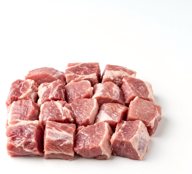
  • Pork

    Use equal weight of pork shoulder or collar; cut into identical cubes and braise, reducing cooking time by 15-20 minutes.

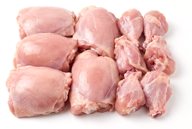
  • Chicken

    Use equal weight of bone-in chicken thighs; curry simmers in roughly 25 minutes instead of over an hour, with a much lighter sauce.

Green chilli
  • Chilli powder

    Use 10 to 15% of the weight (about 1/4 teaspoon per chilli); imparts dry pungent heat and reddens the dish without the grassy crunch.

  • Dried red chilli

    Use 1 dried pod per fresh green chilli; snap in half and temper in hot oil for a deeper, toastier heat.

Coriander leaf
  • Coriander

    Use equal weight finely chopped; this is the exact same fresh herb.

  • Mint

    Use half the weight finely chopped; provides vibrant green freshness, though the flavour profile becomes noticeably cooler and sharper.

Egg
  • Chickpea flour

    For binding, use about 10 g chickpea flour mixed with 20 ml water per egg and rest for 10 minutes. Denser and nuttier; not suitable for baking or coating in the same way.

  • Full-fat natural yoghurt

    Use about 30 g per egg for moisture and binding in koftas or fillings. Adds tang and softness; will not set or glaze like egg.

  • Tofu

    Use the same weight, mashed, for egg-like bulk in curries. Soft and bland; add extra spices and do not expect it to bind.

Ghee
  • Unsalted butter

    Use 120% of the weight; melt gently over low heat to avoid burning the milk solids, which will yield a softer, creamier richness rather than a nutty aroma.

  • Vegetable oil

    Use 85% of the weight; holds high cooking temperatures without smoking, but the final dish will lack traditional dairy depth.

  • Mustard oil

    Use equal weight; heat to smoking point and cool slightly before cooking, bearing in mind it introduces an assertive, pungent edge.

Silver leaf
  • Edible gold leaf

    Use the same area as silver leaf; it gives a similar metallic finish but no flavour and is much more expensive.

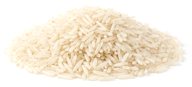
Basmati rice
  • Plain boiled rice

    Use 2.5 times the weight if substituting pre-cooked rice. Fold in gently at the end of the recipe; grains will be shorter and less fragrant.

Saffron
  • Ground turmeric

    Use 15% of the saffron's weight. Replicates the bright yellow colour well, but lacks the floral, earthy depth; use sparingly to avoid bitterness.

  • Screwpine water or rosewater

    Use a few drops combined with a tiny pinch of ground turmeric to mimic both the regal floral aroma and the golden hue.

Ginger
  • Fresh ginger

    Use equal weight; scrape off the skin and grate or finely julienne according to the recipe.

  • Ginger paste

    Use equal weight; stir straight into the sizzling aromatics, taking care as the extra moisture may spit.

  • Ground ginger

    Use 15 to 20% of the weight; add alongside ground spices, noting it imparts warm, dry heat rather than zesty freshness.

Garlic
  • Garlic paste

    Use equal weight. Fry gently in oil or ghee with the ginger; incorporates smoothly into curries without visible minced bits.

  • Garlic powder

    Use 15% to 20% of the weight (about 1 g for every 5 to 6 g fresh cloves). Whisk into sauces; gives a savoury, toasted garlic flavour without raw pungency.


  • Shallot

    Use 1.5 times the weight, very finely minced. Sauté until golden; provides savoury allium sweetness, though it lacks garlic's pungent sulphur bite.

Kewra water
  • Rosewater

    Use 75-100% of the weight, added off the heat. Floral but rose-scented, not screwpine.

  • Rose syrup

    Use 50-60% of the weight and reduce sugar by about the same amount. Sweet and pink-rose flavoured.

  • Saffron thread

    Steep 2-3 threads in 10 ml warm milk for every 10 g kewra water. Different, richer aroma.

Dough
  • Plain boiled rice

    If dough was intended to accompany a curry (such as flatbreads), serve equal cooked weight of rice instead.

Similar dishes

Shahi Biryani
Imperial Biryani
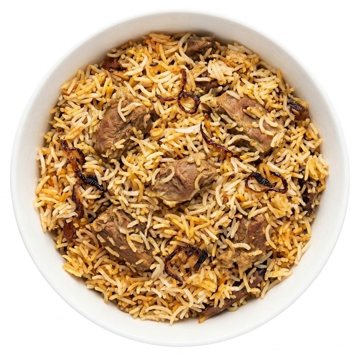
Shahi Biryani tastes tangier and milder from the yogurt, lacking the fresh green chilli heat and pungent, smoky spice of the black cardamom and mace in this dish.
  • Same: Both dishes seal lamb and basmati rice under dough to steam with ghee, saffron, ginger, garlic, cinnamon, cloves, bay leaves, and black peppercorns.
  • Different: Shahi Biryani uses whole cuts of lamb simmered with plain yogurt and turmeric, omitting the green chillies, coriander leaves, cumin, mace, and black cardamom used in this dish's meatballs and broth.
Mutanjan Pulao
Sweet Lamb Pulao
Mutanjan Pulao is distinctly rich, sweet, and aromatic from the milk and sugar, whereas this dish is purely savory with mild heat from green chillies.
  • Same: Both are dum-cooked pulaos made with basmati rice and lamb in ghee, seasoned with saffron, cinnamon, cloves, cumin, and black peppercorns under a dough seal.
  • Different: Mutanjan Pulao cooks whole lamb cuts with milk, onions, and a large quantity of sugar, whereas this dish forms the lamb into meatballs seasoned with garlic, green chillies, black cardamom, and mace.
Biryani (II)
Lamb Biryani (II)
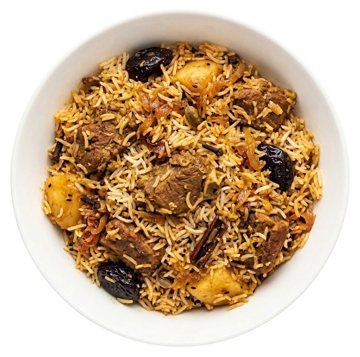
Biryani (II) tastes tangier, sweeter, and more floral due to the yogurt, dried plums, and rosewater, whereas this dish has a more savory, broth-infused meat flavor.
  • Same: Both dishes feature basmati rice and lamb cooked in ghee with ginger, garlic, saffron, cinnamon, mace, and cloves under a dough seal.
  • Different: Biryani (II) layers parboiled rice with whole marinated lamb, yogurt, fried potatoes, onions, dried plums, and rosewater, whereas this dish forms the lamb into meatballs cooked with rice in bone broth without potatoes or fruit.
Biryani (I)
Lamb Biryani (I)
Biryani (I) tastes tangier from yogurt and hotter from dried red chillies, lacking the floral saffron and sweet-spiced mace and cinnamon notes of this dish.
  • Same: Both dishes layer lamb and basmati rice cooked with ghee, ginger, garlic, cumin, black cardamom, and bay leaf under a dough seal.
  • Different: Biryani (I) uses whole marinated lamb cuts, yogurt, fried onions, dried red chillies, and nutmeg, whereas this dish shapes the lamb into meatballs and includes saffron, mace, cinnamon, cloves, and green chillies without yogurt.