Indian cooking
Indian cooking / Dishes / Yakhni Pulao (Indian Kitchen)
Yakhni Pulao (Indian Kitchen) ()

Yakhni Pulao (Indian Kitchen)

Non-vegetarian

Yakhni pulao is a lamb and basmati rice dish cooked in a spiced stock, with whole spices and a butter-oil base. It is aromatic, savoury and gently warming from the nutmeg, cinnamon and chilli.

Whole spices for the stock

7 gTied into muslin with the onion for the lamb stock (step 1)
01
1 g2 leaves
spice
04
0.3–0.4 g4–5 cloves
spice
05
2 g1 teaspoon
spice
Keep whole; tie them with the onion in a muslin square.

Whole spices for the oil

3.2 gAdded to the hot butter and oil (step 5)
01
1 g2 leaves
spice
02
1.3 g2½ cm
spice
Keep whole; add them to the hot fat together.

Ginger–garlic paste

47 gStirred in after the onions (step 7)
01
16 g1 tablespoon
aromatic
02
31 g2 tablespoons
aromatic
Mix the two pastes together.

Ground spices for the pulao

4.8 gAdded after the ginger–garlic paste and chilli (step 8)
Keep as ground spices; stir them in together.

Everything else

01
Onion · Pyazroughly chopped
150 g1 onion
vegetable
02
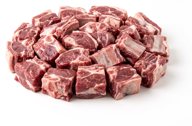
Lamb shoulder · Dastcut into medium-sized pieces (ask your butcher to do this)
600 g
meat
03
to taste
herb
05
28 g2 tablespoons
dairy
06
27 g2 tablespoons
oil/fat
07
Onion · Pyazthinly sliced
300 g2 onions
vegetable
08
3 g2 chillies
vegetable
09
to taste
salt

Method

  1. Tie 150 g onion and the whole spices for the stock (1 g bay leaf, 0.9 g green cardamom pod, 4 g cassia bark, 0.3–0.4 g clove, 2 g fennel seed) into a square of muslin and secure it.
  2. Put 600 g lamb shoulder in a stockpot, add about 1 litre water or enough to cover, and add the muslin bundle. Bring to the boil, then lower the heat and simmer for 1 hour 15 minutes.
  3. Remove and discard the muslin bundle. Lift out the lamb and set it aside; reserve 600 ml of the stock.
  4. Soak 350 g basmati rice for at least 30 minutes, then rinse it in a sieve until the water is no longer cloudy.
  5. Put a heavy-based pan over medium heat and add 28.2 g melted butter and 27 g vegetable oil. When hot, add the whole spices for the oil (1 g bay leaf, 2 g cassia bark, 0.9 g green cardamom pod) and fry for 1 minute until fragrant.
  6. Add 300 g thinly sliced onion and fry over medium heat for 7–8 minutes, until softened and pale gold.
  7. Stir in the ginger–garlic paste (15.6 g ginger paste, 31.2 g garlic paste) and 4 g green bird’s eye chilli, slit lengthways, and cook for 2 minutes.
  8. Add the ground spices for the pulao (2.2 g ground nutmeg, 2.6 g ground cinnamon) and stir for a few seconds.
  9. Mix in the reserved lamb and the soaked rice, season with salt to taste, then pour in the 600 ml reserved stock and mix well.
  10. Cover and cook over low heat for about 20 minutes, until the rice is fully cooked and no liquid remains.
  11. Take off the heat and scatter over chopped coriander leaves to taste.

Don't have something?

Onion
  • Shallot

    Use equal weight, finely sliced. Shallots soften and brown faster, giving a slightly sweeter and more delicate base to curries.

  • Cabbage

    Use 80% of the weight, finely shredded and browned slowly with a pinch of asafoetida. Replicates the bulk and natural sweetness in gravies without allium.

Bay leaf
  • Cinnamon stick

    Use a 2 cm piece (about 1 g) for every 1 to 2 bay leaves. Fry in whole-spice temperings; provides the cassia-like warmth typical of Indian tejpatta.

  • Ground cinnamon (cassia)

    Use 0.5 g per leaf. Stir into the sauce during simmering; gives the same warm woodiness but darkens the colour slightly.

Green cardamom pod
  • Green cardamom seed

    Use 35 to 40% of the total pod weight; lightly bruise the seeds before frying in oil to release their essential oils.

  • Ground green cardamom

    Use 20 to 25% of the pod weight (about 1 generous pinch per pod); stir in toward the end of cooking so the delicate floral notes do not dissipate.

  • White cardamom pod

    Use 1:1 by pod count or weight; crack gently before using, though it is slightly less intensely floral.

Cassia bark
  • Ceylon cinnamon

    True cinnamon: thinner, papery quills, milder and sweeter. Use about 1.5 times the weight, and taste.

  • Ground cinnamon (cassia)

    Use about a third of the weight (0.5 g ground for a 2.5 cm piece), stirred in with the ground spices rather than fried whole, since the powder burns quickly.

  • Cassia buds

    Use 60-70% of the weight; stronger and more peppery, so taste before adding more.

Clove
  • Ground cloves

    Use 1 g ground for 4 g whole (or 1 small pinch per 2 to 3 whole cloves). Add with spice powders; disperses intense warmth quickly, so use with restraint.

  • Allspice berries

    Use 100% of the weight whole in tempering. Imparts a warm, clove-like aromatic profile combined with hints of nutmeg and cinnamon.

  • Black cardamom pod

    Use 1 pod for 3 to 4 cloves in whole tempering. Shares a camphor-like warmth and medicinal depth, though it introduces a distinct smoky undertone.

Fennel seed
  • Aniseed

    Use 75% of the weight. Fry in hot oil or ghee; has a sharper, more pronounced liquorice flavour, so use a lighter hand.

  • Ground fennel seed

    Use 60% of the weight. Stir into the sauce with ground masalas; provides identical sweet aniseed flavour without whole seed crunch.

  • Star anise

    Use one point (single carpel) per 1 g of fennel seeds. Simmer in gravies and remove before serving; gives a deeper, woodier liquorice aroma.

Lamb shoulder
  • Lamb

    Use equal weight of diced lamb leg; cooks 15 minutes faster but has less gelatinous richness in slow braises.

  • Pork

    Use equal weight of pork shoulder; slow-cooks in roughly three-quarters of the time and produces a slightly sweeter gravy.

Coriander leaves
  • Coriander (cilantro) or basil

    Use the same weight, choosing the coriander element if available. If only basil is available, expect a sweeter, more aniseed flavour.

  • Basil leaves

    Use the same weight. Basil is sweeter and more aromatic in a different way; add near the end so it keeps its perfume.

  • Coriander paste

    Use 1.5 times the weight and reduce other liquid slightly; it is less fresh and more concentrated, so taste before adding more.

Basmati rice
  • Plain boiled rice

    Use 2.5 times the weight if substituting pre-cooked rice. Fold in gently at the end of the recipe; grains will be shorter and less fragrant.

Butter
  • Unsalted butter

    Use 100% of the weight. If the original recipe relies on salted table butter, add a pinch of salt to balance.

  • Ghee

    Use 80% to 85% of the weight. Ghee is pure butterfat with moisture removed; it yields a deeper, nuttier flavour and handles high heat better.

  • Vegetable oil

    Use 80% of the weight for frying or tempering. The dish loses sweet dairy richness but remains glossy and light.

Vegetable oil
  • Peanut oil

    Use 1:1 by weight. Handles high-heat frying identically and introduces a very subtle, pleasant nuttiness.

  • Ghee

    Use 1:1 by weight. Yields a much richer, authentic aroma and a glossy, heavier mouthfeel.

  • Mustard oil

    Use 1:1 by weight. Heat until smoking, then cool slightly before cooking to temper its intensely pungent, sharp mustard kick.

Ginger paste
  • Fresh ginger

    Use equal weight; peel and grate very finely on a microplane or pound to a fine paste in a mortar.

  • Ginger

    Use equal weight; mince finely and crush with the flat of a knife before frying.

  • Ground ginger

    Use 20% of the weight; add directly with the dry spice powders, though it yields an earthier, less pungent profile.

Garlic paste
  • Garlic

    Use equal weight; crush or finely grate to a smooth pulp to replicate the same fresh, pungent moisture in your base gravy.

  • Garlic powder

    Use 20 to 25% of the weight; mix with a teaspoon of water before adding to oil so it does not burn, noting it lacks the fresh bite.

Green bird's eye chilli
  • Bird's eye green chilli

    Use the same weight; heat and flavour are very close.

  • Green chilli

    Use 1.5 to 2 times the weight; deseed for less heat. Larger chillies are more watery.

  • Fresh green chilli

    Use 1.5 to 2 times the weight; chop finely and adjust heat by tasting.

Ground nutmeg
  • Nutmeg

    Grate whole nutmeg finely on a microplane; use 80% to 100% of the weight. Freshly grated nutmeg has significantly more aromatic oils and a more vibrant aroma.

  • Ground mace

    Use 100% to 120% of the weight. Mace is nutmeg's outer husk, providing almost identical warmth but with a lighter, slightly more delicate, floral edge.


  • Ground cinnamon (cassia)

    Use 75% of the weight. Adds comparable warmth and sweetness, though it lacks the musky, nutty undertone of nutmeg.

Ground cinnamon
  • Ground Ceylon cinnamon

    Milder and sweeter than ground cassia: use about 1.5 times the weight.

  • Cassia bark (Chinese cinnamon)

    Grind the same weight of cassia bark in a spice mill until powdery, or simmer a piece whole and lift it out before serving.

  • Ground mace

    Use 40 to 50% of the weight; offers a delicate, sweet, woodsy fragrance that complements rich curries without dominating.

Similar dishes

Yakhni Pulao
Lamb Stock Pulao
Yakhni Pulao tastes richer and creamier than this dish, with lime tang and sweet peas and eggs, while this dish is savoury and gentle with buttery rice and clear whole-spice warmth.
  • Same: Yakhni Pulao shares basmati rice, onion, green cardamom, clove, cinnamon or cassia, bay leaf, ginger paste, garlic paste, and lamb stock with this dish.
  • Different: Yakhni Pulao uses ghee, yogurt, lime juice, milk, cream, hard-boiled eggs, and peas and is baked, while this dish uses bone-in lamb, butter and vegetable oil, fennel seed, green chilli, nutmeg, and coriander leaves and has no dairy, egg, pea, or lime.
Bhagara Bhaath
Fried Savoury Rice
Bhagara Bhaath tastes richer and more ghee-forward, with simpler sweet whole-spice warmth, while this dish tastes savoury and gentle from lamb stock and buttery rice.
  • Same: Bhagara Bhaath shares basmati rice, browned onion, ginger paste, garlic paste, green cardamom, clove and cinnamon with this dish, and both finish the rice under steam.
  • Different: Bhagara Bhaath has no lamb, no stock, no bay leaf, no fennel, no nutmeg, no green chilli and no coriander, and it uses ghee instead of this dish's butter and vegetable oil.
Shahi Biryani
Imperial Biryani
Shahi Biryani tastes richer and more saffron-yogurt aromatic from ghee and saffron, while this dish tastes savoury, gentle, and buttery with whole-spice warmth.
  • Same: Shahi Biryani shares lamb, basmati rice, salt, and whole warm spices such as bay leaf, clove, cardamom, and cinnamon with this dish.
  • Different: Shahi Biryani uses ghee, plain yogurt as its souring agent, saffron, turmeric, black cardamom, black peppercorn, and a dough seal, while this dish uses butter and vegetable oil, onion, fennel, nutmeg, green chilli, and cooks lamb in a clear stock.
Kacchi Biryani
Saffron-flavoured Meat Cooked with Rice
Kacchi Biryani tastes richer and more saffron-scented with yogurt-lime tartness and green chilli heat, while this dish is gentler, savoury and buttery with whole-spice warmth.
  • Same: Kacchi Biryani shares lamb, basmati rice, onion and whole warm spices such as green cardamom, clove and cinnamon/cassia with this dish.
  • Different: Kacchi Biryani uses ghee, yogurt, lime juice, saffron milk, papaya and a dough seal and layers raw lamb under parboiled rice, while this dish uses butter and vegetable oil, fennel and nutmeg and cooks lamb and rice in stock.