Indian cooking
Indian cooking / Spice mixtures / Parsi Margi Ma Kari

Parsi Margi Ma Kari

Spicy Chicken Curry with Dried Chillies, Garlic and a Classic Parsi Masala
Non-vegetarian

A Parsi-style chicken curry made with a toasted dried-chilli and seed masala, vinegar and jaggery, then enriched with coconut cream. It tastes hot, tangy and lightly sweet, with a thick, rich sauce.

Serves4(the book: 4)

Parsi margi masala

59 gToasted and ground before the curry (steps 1–2)
04
0.3 g4 cloves
spice
05
9 g1 tablespoon
nut/seed
06
8 g1 tablespoon
spice
07
10 g2 tablespoons
spice
08
10 g2 tablespoons
nut/seed
Toast in a dry pan over a low heat for 4–5 minutes, cool, then grind to a fine powder.

Garlic for the onion paste

12 gBlended with the onion and ginger at the start (step 3)
01
Garlic clove · Lehsunroughly chopped
12 g4 cloves
aromatic
Blend with the onion and ginger to a smooth paste.

Turmeric for the sauce

3 gStirred in with the tomato purée and 2 tbsp Parsi margi masala (step 5)
01
3 g1 teaspoon
spice
Add straight to the pan; no further preparation.

Coriander finish

0 gScattered over at the end (step 9)
01
to taste
herb
Chop and scatter over just before serving.

Everything else

01
Onion · Pyazroughly chopped
200 g
vegetable
02
Fresh ginger · Adrakroughly chopped
20 g5 cm
aromatic
03
40 g3 tablespoons
oil/fat
04
31 g2 tablespoons
vegetable
05
348 g350 ml
liquid
06
25 g2 tablespoons
sweetener
07
15 g1 tablespoon
souring agent
10
to taste
salt

Method

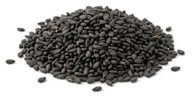
  1. Put 7.5 g dried kashmiri chilli, 1.3 g cinnamon stick, 0.9 g green cardamom pod, 0.3 g clove, 9 g sesame seed, 8.4 g poppy seed, 10.2 g coriander seeds, 10.2 g desiccated coconut and 12 g roasted split gram into a dry frying pan. Toast over a low heat for 4–5 minutes, shaking the pan often.
  2. Tip the toasted Parsi margi masala out and leave to cool. Grind to a fine powder and set aside.
  3. Blend 200 g onion, 12 g garlic and 20 g ginger to a smooth paste; set aside.
  4. Heat 40.5 g vegetable oil in a large non-stick saucepan over a medium heat. Add the onion, garlic and ginger paste and fry for 6 minutes, stirring often.
  5. Stir in 31.2 g tomato purée, 3 g ground turmeric, 2 tbsp of the Parsi margi masala and 174 g water. Cook for 3–4 minutes, stirring well.
  6. Add 25.2 g jaggery or light brown soft sugar, 15 g white wine vinegar and 750 g skinless chicken thigh and drumstick. Stir well to coat the chicken, then cook for 5–6 minutes to seal.
  7. Pour in the remaining 174 g water and season with salt to taste. Cover and simmer over a low heat for 25 minutes, stirring once halfway through.
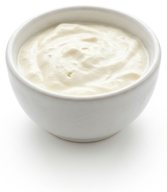
  8. Add 156 g coconut cream, cover again and simmer for 5–7 minutes.
  9. Stir, then scatter over the coriander finish.

Make it vegan

Instead of Skinless chicken thigh and drumstick

  • Potato

    Use 80% of the weight; chunks, add early and simmer until tender.

  • Raw jackfruit

    Use the same weight; parboil or use canned drained jackfruit. Simmer 20 minutes longer to soften.

Don't have something?

Onion
  • Shallot

    Use equal weight, finely sliced. Shallots soften and brown faster, giving a slightly sweeter and more delicate base to curries.

  • Cabbage

    Use 80% of the weight, finely shredded and browned slowly with a pinch of asafoetida. Replicates the bulk and natural sweetness in gravies without allium.

Garlic clove
  • Garlic paste

    Use the same weight; about 1 clove weighs 3 g, so 3 g paste per clove.

  • Crushed garlic

    Use the same weight; crush just before adding so the flavour stays fresh.

  • Garlic powder

    Use one-third of the weight, about 1 g powder for 3 g fresh clove; add a little water if the recipe needs moisture.

Fresh ginger
  • Ginger paste

    Use equal weight. Sauté in hot fat until the raw allium smell disappears; slightly wetter, but provides identical warmth and pungency.

  • Ground ginger

    Use 20% to 25% of the weight (1 g for every 4 to 5 g fresh). Stir into the gravy; adds peppery heat and warmth, though it misses the crisp, zesty kick of raw root.

Vegetable oil
  • Peanut oil

    Use 1:1 by weight. Handles high-heat frying identically and introduces a very subtle, pleasant nuttiness.

  • Ghee

    Use 1:1 by weight. Yields a much richer, authentic aroma and a glossy, heavier mouthfeel.

  • Mustard oil

    Use 1:1 by weight. Heat until smoking, then cool slightly before cooking to temper its intensely pungent, sharp mustard kick.

Tomato purée
  • Tomato

    Use 200% to 250% of the weight. Finely grate or blend fresh tomatoes, then cook them down until the moisture evaporates and the oil separates.

Ground turmeric
  • Ground ginger

    Use 50% of the weight. Mimics turmeric's warm, earthy, rhizome background, but provides none of the golden-yellow colour.

  • Saffron

    Steep a tiny pinch (0.1 g per 2 g turmeric) in 2 tbsp warm water; use to match the rich golden hue. Contributes an aristocratic, honeyed floral flavour rather than earthy bitterness.

Water
  • Stock

    Use the same weight in savoury dishes; it adds body, so adjust salt.

  • Milk

    Use the same weight only in doughs or creamy dishes; it makes the result richer.

  • Coconut water

    Use the same weight in curries or rice; it adds sweetness and a faint coconut taste.

Jaggery or light brown soft sugar
  • Jaggery

    Use the same weight, grated or chopped. It is deeper and more mineral, so the dish will taste stronger.

  • Light brown sugar

    Use the same weight. It is close in colour and mild molasses; dissolve fully.

  • Dark brown sugar

    Use 85–90% of the weight. It is stronger and darker, so reduce slightly and taste.

White wine vinegar
  • White vinegar

    Use the same weight but taste: it is sharper, so use 10–20% less if strong.

  • Malt vinegar

    Use the same weight; it is darker and maltier, so it will tint pale dishes.

  • Lemon juice

    Use the same weight or 10% more; add off the heat to keep it fresh.

Skinless chicken thigh and drumstick
Coconut cream
  • Coconut milk

    Use 1.25 times the weight and simmer to reduce back to the original weight; it is thinner and less rich.

  • Coconut, fresh or desiccated

    For 100 g cream, blend 60 g fresh coconut or 40 g desiccated coconut with 60 g hot water, then strain; use the thick top layer.

  • Cream

    Use the same weight for a dairy version; it lacks coconut flavour but gives similar richness.

Coriander leaf
  • Coriander

    Use equal weight finely chopped; this is the exact same fresh herb.

  • Mint

    Use half the weight finely chopped; provides vibrant green freshness, though the flavour profile becomes noticeably cooler and sharper.

Dried kashmiri chilli
  • Kashmiri chilli powder

    Use 1 g powder for every 1.5 g whole dried chilli; whisk with a spoonful of warm water and stir into the masala to provide identical ruby colour and mild heat.

  • Dried red chilli

    Use 35% to 40% of the weight; discard seeds before tearing into oil to temper. Delivers a much fiercer heat, with significantly less red colouring.

Cassia bark
  • Ceylon cinnamon

    True cinnamon: thinner, papery quills, milder and sweeter. Use about 1.5 times the weight, and taste.

  • Ground cinnamon (cassia)

    Use about a third of the weight (0.5 g ground for a 2.5 cm piece), stirred in with the ground spices rather than fried whole, since the powder burns quickly.

  • Cassia buds

    Use 60-70% of the weight; stronger and more peppery, so taste before adding more.

Green cardamom pod
  • Green cardamom seed

    Use 35 to 40% of the total pod weight; lightly bruise the seeds before frying in oil to release their essential oils.

  • Ground green cardamom

    Use 20 to 25% of the pod weight (about 1 generous pinch per pod); stir in toward the end of cooking so the delicate floral notes do not dissipate.

  • White cardamom pod

    Use 1:1 by pod count or weight; crack gently before using, though it is slightly less intensely floral.

Clove
  • Ground cloves

    Use 1 g ground for 4 g whole (or 1 small pinch per 2 to 3 whole cloves). Add with spice powders; disperses intense warmth quickly, so use with restraint.

  • Allspice berries

    Use 100% of the weight whole in tempering. Imparts a warm, clove-like aromatic profile combined with hints of nutmeg and cinnamon.

  • Black cardamom pod

    Use 1 pod for 3 to 4 cloves in whole tempering. Shares a camphor-like warmth and medicinal depth, though it introduces a distinct smoky undertone.

Sesame seed
  • White sesame seed

    Use the same weight. Toast lightly before use; white seeds are milder and give a cleaner look.

  • Black sesame seed

    Use the same weight. They are stronger and more bitter; toast briefly and use slightly less if the dish is delicate.

  • Peanut

    Use the same weight, crushed or chopped. It gives crunch but not the same nutty sesame aroma.

Poppy seed
  • Cashew nut

    Use equal weight. Soak in warm water for 20 minutes and grind to a smooth paste; produces an even creamier, slightly richer gravy than poppy seeds.

  • White sesame seed

    Use equal weight. Soak and grind finely; provides similar thickening and body with a slightly nuttier, faintly bitter edge.

  • Almond

    Use equal weight. Blanch, peel, and grind finely with a splash of water; lends a velvety body and gentle sweetness to gravies.

Coriander seeds
  • Ground coriander

    Use 75% of the weight; stir in along with wet masala or tomato purée rather than frying in hot oil, as the fine powder burns instantly.

  • Cumin seed

    Use 50% of the weight for tempering in hot oil. Lacks the floral, sweet citrus flavour of coriander, introducing warm, pungent earthiness instead.

  • Fennel seed

    Use 50% of the weight in tempering; provides pleasant aromatic sweetness, though noticeably aniseedy rather than citrusy.

Desiccated coconut
  • Grated desiccated coconut

    Use equal weight directly; it is the identical ingredient under a different label.

  • Fresh coconut

    Grate finely and use 130% to 140% of the weight to compensate for higher moisture; toast gently in a dry pan over low heat if a dry texture is needed.

  • Dried coconut

    Grate finely using a microplane and use equal weight. Offers a slightly oilier, toastier coconut profile.

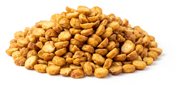
Dry-roasted chana dal
  • Chana dal

    Use the same weight and dry-roast it yourself in a heavy pan over low heat until golden and nutty, then cool and grind if needed. Same flavour but extra step.


  • Roasted mung bean

    Use the same weight. Milder and smaller, so the dish is less nutty and slightly less sweet.

  • Fried split chickpeas

    Use the same weight, but it is oilier and richer. Reduce added oil in the recipe and crush or grind as needed.

Similar spice mixtures

Bihari Ahuna Mutton
Lamb Curry with Mustard Oil, Turmeric, Chilli and Ahuna Masala
Bihari Ahuna Mutton tastes deep and savoury with gentle chilli heat and warm whole-spice aroma, not hot, tangy and lightly sweet with a thick coconut-rich sauce like this dish.
  • Same: Bihari Ahuna Mutton shares with this dish onion, garlic, turmeric, dried Kashmiri chilli, coriander seeds, cinnamon, green cardamom, clove, poppy seeds and roasted split gram in a toasted masala.
  • Different: Bihari Ahuna Mutton uses mustard oil and bone-in lamb and adds black cardamom, bay leaf, mace, nutmeg, cumin, fennel and bird’s eye chilli, while it lacks this dish’s vinegar, jaggery, tomato purée and coconut cream.
Old Delhi Chicken Korma
Chicken Korma with Whole Spices, Turmeric, Cashews and Garam Masala
Old Delhi Chicken Korma tastes mild, aromatic and rich with gentle chilli warmth, whereas this dish tastes hot, tangy and lightly sweet with a thick, rich sauce.
  • Same: Old Delhi Chicken Korma shares chicken, onion, garlic, ginger, turmeric, cinnamon, green cardamom, clove, Kashmiri chilli and coriander leaf with this dish.
  • Different: Old Delhi Chicken Korma uses a yoghurt marinade, ghee, a cashew-onion paste, rosewater and garam masala, while this dish uses a toasted dried-chilli, sesame, poppy, coriander-seed, desiccated-coconut and roasted split gram masala with vinegar, jaggery and coconut cream.
Valsadi Hara Masala
Traditional Valsad Masala (Green)
Valsadi Hara Masala tastes sharply pungent from green chilli and ginger, while this dish tastes hot, tangy and lightly sweet with a thick, rich sauce.
  • Same: Valsadi Hara Masala shares ginger, garlic, turmeric, cinnamon, clove, cardamom, poppy seed and coriander seed with this dish.
  • Different: Valsadi Hara Masala is a green paste made with green chilli, cumin, black peppercorn, white cardamom and salt, while this dish is a cooked chicken curry with onion, tomato purée, vinegar, jaggery, coconut cream, dried chilli, sesame, desiccated coconut and roasted split gram.
Valsadi Masala
Traditional Valsad Masala (Dry)
Valsadi Masala tastes pungent, fragrant and sharply hot from ginger, garlic and dried chilli, while this dish tastes hot, tangy and lightly sweet with a thick, rich sauce.
  • Same: Valsadi Masala shares dried red chilli, ginger, garlic, turmeric, coriander seeds, cinnamon, clove, cardamom and poppy seed with this dish.
  • Different: Valsadi Masala is a dry salt-heavy spice blend and lacks onion, tomato purée, oil, water, vinegar, jaggery, chicken, coconut cream, sesame seed, desiccated coconut and roasted split gram; this dish is a cooked chicken curry enriched with coconut cream.