Indian cooking
Indian cooking / Dishes / Punjabi Achari Paneer
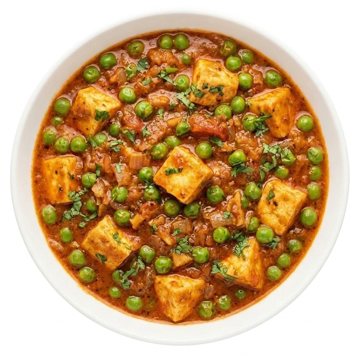
Punjabi Achari Paneer (Paneer Curry with Yoghurt, Chilli and Lime Pickle)

Punjabi Achari Paneer

Paneer Curry with Yoghurt, Chilli and Lime Pickle
VegetarianOrigin Punjab

A tangy Punjabi paneer curry built on yoghurt, lime pickle and warm achari spices, with a gentle chilli heat. The paneer stays soft, the peas add sweetness, and the pickle gives a sharp savoury edge.

Achari spice mix

15 gToasted and ground at the start (steps 1–2)
01
5 g1 tablespoon
spice
02
2 g1 teaspoon
spice
03
2.1 g1 teaspoon
spice
04
3.5 g1 teaspoon
spice
05
1.5 g½ teaspoon
spice
06
0.9 g¼ teaspoon
spice
Toast until fragrant, cool, then grind coarsely.

Yoghurt spices

6 gWhisked into the yoghurt (step 5)
Whisk into the yoghurt until smooth.

Finishing spice

2 gAdded with paneer, peas and pickle (step 13)
01
2 g1 tablespoon
herb
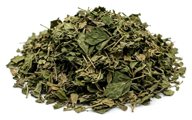
Crush coarsely; add near the end.

Everything else

01
Garlic · Lehsunroughly chopped
9 g3 cloves
aromatic
02
Fresh ginger · Adrakroughly chopped
10 g2½ cm
aromatic
03
Tomato · Tamatarroughly chopped
180 g
vegetable
04
60 g4 tablespoons
dairy
05
40 g3 tablespoons
oil/fat
06
Onion · Pyazfinely chopped
200 g
vegetable
07
1.5 g1 chilli
vegetable
08
199 g200 ml
liquid
09
4.2 g1 teaspoon
sweetener
10
Paneerdiced into bite-size pieces
400 g
dairy
11
80 g
legume
12
Lime pickle · Nimbu ka Acharplus 2 pieces of pickled lime, finely chopped
5 g1 teaspoon
souring agent
13
Coriander · Dhaniafinely chopped, to finish
to taste
herb
14
to taste
salt

Method

  1. Toast the achari spice mix: put 5.1 g coriander seeds, 2 g fennel seed, 2.1 g cumin seed, 3.5 g black mustard seed, 1.5 g nigella seeds and 0.9 g fenugreek seed in a dry frying pan over low heat for 3–4 minutes, stirring constantly.
  2. Tip the toasted achari spice mix out to cool, then grind it coarsely in a spice grinder.
  3. Blend 9 g garlic, 10 g ginger and 10 g of the 199 g water to a smooth paste; scrape out and set aside.
  4. Blend 180 g tomato in the same processor to a fine purée and set aside.
  5. Whisk 60 g greek yoghurt with the yoghurt spices (2.6 g kashmiri chilli powder and 3 g ground turmeric) until smooth.
  6. Heat 40.5 g vegetable oil in a large heavy-based saucepan over medium heat. Add 200 g onion and fry for 10–12 minutes until soft and starting to colour.
  7. Add the garlic-ginger paste and fry for 2 minutes.
  8. Add 2 g green bird’s eye chilli, slit lengthways, and cook for 1 minute.
  9. Add the tomato purée and cook for 6–8 minutes, until the oil separates at the edges.
  10. Lower the heat. Stir in the yoghurt spices gradually, stirring constantly for 3 minutes, until the oil separates.
  11. Return to medium heat, add the achari spice mix and fry for a few seconds.
  12. Add the remaining 189 g water, 4.2 g granulated sugar and salt to taste; simmer for 2–3 minutes.
  13. Add 400 g paneer, diced, 80 g frozen peas, the finishing spice (2 g kasuri methi), 5 g lime pickle and 2 pieces pickled lime, finely chopped. Cover and simmer for 2–3 minutes.
  14. Stir well, then scatter over coriander to taste.

Don't have something?

Garlic
  • Garlic paste

    Use equal weight. Fry gently in oil or ghee with the ginger; incorporates smoothly into curries without visible minced bits.

  • Garlic powder

    Use 15% to 20% of the weight (about 1 g for every 5 to 6 g fresh cloves). Whisk into sauces; gives a savoury, toasted garlic flavour without raw pungency.

  • Shallot

    Use 1.5 times the weight, very finely minced. Sauté until golden; provides savoury allium sweetness, though it lacks garlic's pungent sulphur bite.

Fresh ginger
  • Ginger paste

    Use equal weight. Sauté in hot fat until the raw allium smell disappears; slightly wetter, but provides identical warmth and pungency.

  • Ground ginger

    Use 20% to 25% of the weight (1 g for every 4 to 5 g fresh). Stir into the gravy; adds peppery heat and warmth, though it misses the crisp, zesty kick of raw root.

Tomato
  • Tomato purée

    Use 40% to 50% of the fresh tomato weight mixed with a splash of water. Imparts a deeper red colour, thicker sauce, and slightly sweeter cooked flavour.

  • Plain yogurt

    Use 60% of the weight, whisked smooth and added on low heat. Provides rich body and sourness, though the gravy becomes paler and creamier.

Greek yoghurt
Kashmiri chilli powder
  • Dried kashmiri chilli

    Grind deseeded dried pods to an equal weight of powder; gives identical vivid red colour and gentle warmth.

  • Red chilli powder

    Use 25% of the weight mixed with sweet paprika for colour; straight red chilli powder is substantially hotter and will make the dish fiery.

  • Chilli powder

    Use one-third of the weight; the sauce will be less intensely red and notably sharper in heat.

Ground turmeric
  • Ground ginger

    Use 50% of the weight. Mimics turmeric's warm, earthy, rhizome background, but provides none of the golden-yellow colour.

  • Saffron

    Steep a tiny pinch (0.1 g per 2 g turmeric) in 2 tbsp warm water; use to match the rich golden hue. Contributes an aristocratic, honeyed floral flavour rather than earthy bitterness.

Vegetable oil
  • Peanut oil

    Use 1:1 by weight. Handles high-heat frying identically and introduces a very subtle, pleasant nuttiness.

  • Ghee

    Use 1:1 by weight. Yields a much richer, authentic aroma and a glossy, heavier mouthfeel.

  • Mustard oil

    Use 1:1 by weight. Heat until smoking, then cool slightly before cooking to temper its intensely pungent, sharp mustard kick.

Onion
  • Shallot

    Use equal weight, finely sliced. Shallots soften and brown faster, giving a slightly sweeter and more delicate base to curries.

  • Cabbage

    Use 80% of the weight, finely shredded and browned slowly with a pinch of asafoetida. Replicates the bulk and natural sweetness in gravies without allium.

Green bird's eye chilli
  • Bird's eye green chilli

    Use the same weight; heat and flavour are very close.

  • Green chilli

    Use 1.5 to 2 times the weight; deseed for less heat. Larger chillies are more watery.

  • Fresh green chilli

    Use 1.5 to 2 times the weight; chop finely and adjust heat by tasting.

Water
  • Stock

    Use the same weight in savoury dishes; it adds body, so adjust salt.

  • Milk

    Use the same weight only in doughs or creamy dishes; it makes the result richer.

  • Coconut water

    Use the same weight in curries or rice; it adds sweetness and a faint coconut taste.

Granulated sugar
  • Jaggery

    Use equal weight; grate or shave finely so it dissolves rapidly, giving a warm, caramel-like sweetness and slightly darker sauce.

Paneer
  • Extra-firm tofu

    Use equal weight, pressed well to remove excess moisture and cut into cubes. Pan-fry lightly before adding; absorbs sauces similarly, though it lacks dairy sweetness.

  • Halloumi

    Use equal weight, soaked in warm water for 20 minutes to leach out excess salt. Holds shape during frying, but has a denser, saltier chew.


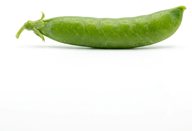
Green pea
  • Pea

    Use 1:1 by weight; cook straight from fresh or frozen with identical timing and sweetness.

  • Chana dal

    Use 60% of the weight in dry dal; boil until tender yet firm before stirring in, lending a nuttier texture rather than sweet pop.

Kasuri methi
  • Ground fenugreek

    Use 20% of the weight; stir in during tempering rather than crushing over at the end, and be cautious as it turns bitter easily.

  • Fenugreek seeds

    Crush lightly and fry in the initial oil tempering, using 25% of the weight; provides bitter notes but lacks leafy aroma.

Lime pickle
  • Mango pickle

    Use the same weight; it is sweeter and less sharp, so add a squeeze of lime juice if the dish needs more tang.

  • Mixed pickle

    Use the same weight; the flavour is more varied and oily, so reduce added oil slightly.

  • Lemon juice

    For 1 tbsp lime pickle use 1 tbsp lemon juice plus a pinch of salt; it gives sourness but not the fermented pickle depth.

Coriander
  • Coriander leaf

    Use equal weight, chopped fresh and stirred in off the heat or used as garnish. Matches the citrus-herbal profile identically.

  • Mint

    Use 40% to 50% of the weight; chop finely and add at the very end. Adds fresh herbal brightness, but shifts the aroma toward cool menthol.

Coriander seeds
  • Ground coriander

    Use 75% of the weight; stir in along with wet masala or tomato purée rather than frying in hot oil, as the fine powder burns instantly.

  • Cumin seed

    Use 50% of the weight for tempering in hot oil. Lacks the floral, sweet citrus flavour of coriander, introducing warm, pungent earthiness instead.

  • Fennel seed

    Use 50% of the weight in tempering; provides pleasant aromatic sweetness, though noticeably aniseedy rather than citrusy.

Fennel seed
  • Aniseed

    Use 75% of the weight. Fry in hot oil or ghee; has a sharper, more pronounced liquorice flavour, so use a lighter hand.

  • Ground fennel seed

    Use 60% of the weight. Stir into the sauce with ground masalas; provides identical sweet aniseed flavour without whole seed crunch.

  • Star anise

    Use one point (single carpel) per 1 g of fennel seeds. Simmer in gravies and remove before serving; gives a deeper, woodier liquorice aroma.

Cumin seed
  • Ground cumin

    Use 70% of the weight; add with ground spices or sauce bases rather than hot oil tempering, where it scorches quickly and turns bitter.

  • Black cumin seeds

    Use equal weight for oil tempering. Delivers an earthy profile with an additional musky, smoky, and slightly bitter edge.

  • Fennel seed

    Use 60% of the weight for tempering; offers comparable warm aroma, but leans sweet and liquorice-like rather than savoury and earthy.

Black mustard seed
  • Mustard seeds

    Use equal weight. Pop in hot fat until they crackle and turn greyish; yields an almost identical nutty, pungent finish.

  • Yellow mustard seeds

    Use equal weight. Fry over medium heat; delivers a milder, sweeter pop and turns bitter quickly if the oil is excessively hot.

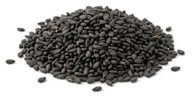
Nigella seeds
  • Black cumin seeds

    Use equal weight. Imparts an earthy, slightly bitter note in temperings, though it lacks nigella's oniony sharpness.

  • Black sesame seeds

    Use equal weight. Gives a similar speckled appearance and light crunch on breads, but provides a nutty rather than herbaceous, onion-like flavour.

Fenugreek seed
  • Mustard seed

    Use 50% of the weight, crush or grind. Sharper heat and less maple-bitter; fry briefly in oil before adding.

  • Caraway seeds

    Use the same weight, crush lightly. Similar bitter-seed note but more aniseed; reduce other sweet spices slightly.

  • Ajwain seeds

    Use 25–30% of the weight, crush. Much stronger thyme-like flavour; do not overdo.

Similar dishes

Punjabi Matar Paneer
Spiced Paneer with Tomato & Green Peas
Punjabi Matar Paneer tastes rich, mildly spicy and slightly sweet, with tomato-onion gravy and no yoghurt or lime-pickle tartness and no achari mustard-fennel flavour.
  • Same: Punjabi Matar Paneer shares paneer, green peas, tomato, onion, ginger, garlic, vegetable oil, turmeric, Kashmiri chilli powder, sugar, salt, water, coriander seeds and cumin seed with this dish.
  • Different: Punjabi Matar Paneer uses tomato purée, more paneer, more peas, more onion and more water, and adds garam masala; it lacks this dish’s Greek yoghurt, lime pickle, bird’s eye chilli, kasuri methi and the achari whole spices mustard, nigella, fennel and fenugreek.
Punjabi Matar Paneer Paratha
Layered Flatbreads Stuffed with Spicy Paneer, Peas, Ginger and Chaat Masala
Punjabi Matar Paneer Paratha tastes crisp and buttery with a tangy amchur-and-chaat-masala filling, while this dish tastes creamy, tart and lightly hot from yoghurt, lime pickle and achari spices.
  • Same: Punjabi Matar Paneer Paratha shares paneer, peas, ginger, green chilli, onion, cumin seed, Kashmiri chilli powder, vegetable oil and salt with this dish.
  • Different: Punjabi Matar Paneer Paratha is a stuffed atta flatbread cooked crisp in butter or ghee, and it uses dried mango powder and chaat masala instead of this dish's tomato, yoghurt, lime pickle and whole achari seed mix.
Jain-Style Mattar Paneer
Jain-Style Mattar Paneer is mild, creamy and gently spiced with a lemon tang, while this dish is tangier and lightly hot from yoghurt, chilli and lime pickle.
  • Same: Jain-Style Mattar Paneer shares paneer, green peas, tomato, Greek yoghurt, vegetable oil, Kashmiri chilli powder and turmeric with this dish.
  • Different: It lacks onion, garlic, lime pickle, mustard seed, nigella seed, fenugreek seed, kasuri methi and sugar, and instead uses cashew nuts, tomato purée, cassia bark, green cardamom, clove, garam masala, ground coriander and lemon juice.
Batani Kaal Kari
Creamy Mushroom and Peas
Batani Kaal Kari tastes creamy, mildly sweet and aromatic from coconut and cashew, while this dish tastes tangy and lightly hot from yoghurt, chilli and lime pickle.
  • Same: Batani Kaal Kari shares with this dish a vegetable-oil onion-tomato base, garlic and ginger, Kashmiri chilli powder, turmeric, sugar, water, peas, coriander and a whole-seed tempering of cumin, black mustard and fenugreek.
  • Different: Batani Kaal Kari uses mushrooms instead of paneer and a coconut-cashew gravy instead of yoghurt, adds curry leaves and ground coriander, and lacks lime pickle, kasuri methi and nigella seeds.