Indian cooking
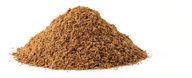
Indian cooking / Spice mixtures / Konkani Kombdi Masala

Konkani Kombdi Masala

Spicy Chicken Curry with Coconut & Chilli
Non-vegetarianOrigin west of India

A spicy Konkani chicken curry with a thick coconut-onion base and a deeply toasted spice blend. It tastes hot, tangy and rich, with lime cutting through the coconut.

Serves4(the book: 4)

Ground spice mix

38 gToasted and ground before cooking, then stirred in at step 7
02
1.4 g½ teaspoon
spice
03
10 g2 tablespoons
spice
04
2.4 g2 stars
spice
05
0.4 g6 cloves
spice
06
1.8 g½ teaspoon
spice
08
1.1 g½ teaspoon
spice
09
1.1 g½ teaspoon
spice
10
6 g1 tablespoon
spice
11
2.2 g1 teaspoon
spice
Grind to a fine powder once cool.

Sauce ground spices

6 gStirred in after the coconut paste at step 7
Keep as they are; add with the ground spice mix.

Coconut paste coriander

3 gFried with the onion, garlic and ginger for the coconut paste at step 4
01
Coriander leaves · Dhaniachopped, plus extra to serve
3 g2 tablespoons
herb
Chop and add to the pan with the onions.

Everything else

01
40 g3 tablespoons
oil/fat
02
800 g
poultry
03
to taste
salt
04
398 g400 ml
liquid
06
31 g2 tablespoons
souring agent
07
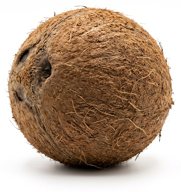
Coconut · Nariyalgrated fresh or frozen
150 g
fruit
08
14 g1 tablespoon
oil/fat
09
250 g
vegetable
10
Garlic · Lehsunroughly chopped
12 g4 cloves
aromatic
11
Fresh ginger · Adrakroughly chopped
10 g2½ cm
aromatic
12
149 g150 ml
liquid

Method

  1. Put 9 g dried kashmiri chilli, 1.4 g black peppercorn, 10.2 g coriander seeds, 2.4 g star anise, 0.4 g clove, 1.8 g black mustard seed, 2.6 g cinnamon stick, 1.1 g caraway seeds, 1.1 g cumin seed, 6 g fennel seed and 2.2 g ground nutmeg into a wide frying pan. Set over medium heat and toss for 8–10 minutes until the spices darken and smell toasted.
  2. Slide the spices onto a plate and leave until cool. Grind in a spice grinder to a fine powder; set aside.
  3. Put 150 g coconut in the same pan with no oil over low heat. Toast for 15–20 minutes, stirring, until light brown and a little drier. Move to a plate.
  4. Add 13.5 g vegetable oil to the pan. Add 250 g white onion, 12 g garlic, 5 g ginger and 1.8 g coriander leaves and stems. Stir and fry over medium heat for 10 minutes until softened and lightly coloured. Let cool.
  5. Put the cooled onion mixture, toasted coconut and 149 g water in a blender. Blend to a smooth, fine paste.
  6. Heat 40.5 g vegetable oil in a large heavy saucepan over medium heat. Add the coconut paste and fry for 2–3 minutes.
  7. Stir in 2.6 g kashmiri chilli powder, 3 g ground turmeric and the ground spice mix. Fry for 1 minute, stirring.
  8. Raise the heat a little. Add 800 g skinless chicken on the bone, jointed, and turn for 5 minutes to coat and seal. Season with salt to taste.
  9. Pour in 398 g water. Boil, then cover and simmer over low heat for 25 minutes, stirring once halfway.
  10. Add 101 g coconut milk and simmer for 5 minutes more, until the curry thickens slightly.
  11. Stir in 30.6 g lime juice. Scatter extra coriander leaves and stems over the top.

Make it vegan

Instead of Skinless chicken on the bone

  • Potato

    Use 80% of the weight; cut into chunks and add early. Simmer until tender.

  • Raw jackfruit

    Use the same weight; parboil or use canned drained jackfruit. Simmer 20 minutes longer than chicken.

Don't have something?

Vegetable oil
  • Peanut oil

    Use 1:1 by weight. Handles high-heat frying identically and introduces a very subtle, pleasant nuttiness.

  • Ghee

    Use 1:1 by weight. Yields a much richer, authentic aroma and a glossy, heavier mouthfeel.

  • Mustard oil

    Use 1:1 by weight. Heat until smoking, then cool slightly before cooking to temper its intensely pungent, sharp mustard kick.

Kashmiri chilli powder
  • Dried kashmiri chilli

    Grind deseeded dried pods to an equal weight of powder; gives identical vivid red colour and gentle warmth.

  • Red chilli powder

    Use 25% of the weight mixed with sweet paprika for colour; straight red chilli powder is substantially hotter and will make the dish fiery.

  • Chilli powder

    Use one-third of the weight; the sauce will be less intensely red and notably sharper in heat.

Ground turmeric
  • Ground ginger

    Use 50% of the weight. Mimics turmeric's warm, earthy, rhizome background, but provides none of the golden-yellow colour.

  • Saffron

    Steep a tiny pinch (0.1 g per 2 g turmeric) in 2 tbsp warm water; use to match the rich golden hue. Contributes an aristocratic, honeyed floral flavour rather than earthy bitterness.

Skinless chicken on the bone
Water
  • Stock

    Use the same weight in savoury dishes; it adds body, so adjust salt.

  • Milk

    Use the same weight only in doughs or creamy dishes; it makes the result richer.

  • Coconut water

    Use the same weight in curries or rice; it adds sweetness and a faint coconut taste.

Coconut milk
  • Single cream

    Use equal weight; simmer gently over low heat to prevent curdling. Imparts a comparable rich texture, though it adds dairy richness without any coconut fragrance.

  • Cashew paste

    Whisk 1 part cashew paste with 2 parts water to match the consistency, then use equal weight. Provides a thick, velvety body without coconut flavour.

  • Whole milk

    Use equal weight, but reduce other cooking liquids by 20% to compensate for the lower viscosity. The curry will be lighter and lack sweetness.

Lime juice
  • Lemon juice

    Use equal volume or weight; slightly sweeter and less pungent, but otherwise an imperceptible swap.

  • Dried mango powder

    Use 25% of the weight; imparts dry, fruity sourness, best stirred in right at the end of cooking.

  • Tamarind extract

    Use 50% of the weight; delivers pleasant fruity tang but turns pale sauces considerably darker.

Coconut
  • Fresh coconut

    Use equal weight freshly grated or diced. Delivers the identical sweet, milky taste and juicy texture.

  • Desiccated coconut

    Use 60% of the weight and soak in hot water or milk for 15 minutes before using. The finished dish will be slightly sweeter and less fibrous.

  • Dried coconut

    Finely grate and use 50% of the weight, soaked in hot water for 20 minutes. Yields a firmer chew and a denser, oilier coconut aroma.

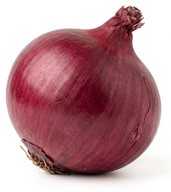
White onion
  • Brown onion

    Use the same weight; it is the closest everyday match, with a slightly deeper sweetness when fried.

  • Red onion

    Use the same weight; it is sharper and will tint the dish pink, so cook a little longer for sweetness.

  • Shallot

    Use the same weight; it is milder and sweeter, so reduce frying time slightly to avoid burning.

Garlic
  • Garlic paste

    Use equal weight. Fry gently in oil or ghee with the ginger; incorporates smoothly into curries without visible minced bits.

  • Garlic powder

    Use 15% to 20% of the weight (about 1 g for every 5 to 6 g fresh cloves). Whisk into sauces; gives a savoury, toasted garlic flavour without raw pungency.

  • Shallot

    Use 1.5 times the weight, very finely minced. Sauté until golden; provides savoury allium sweetness, though it lacks garlic's pungent sulphur bite.

Fresh ginger
  • Ginger paste

    Use equal weight. Sauté in hot fat until the raw allium smell disappears; slightly wetter, but provides identical warmth and pungency.

  • Ground ginger

    Use 20% to 25% of the weight (1 g for every 4 to 5 g fresh). Stir into the gravy; adds peppery heat and warmth, though it misses the crisp, zesty kick of raw root.

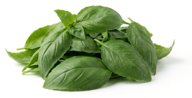
Coriander leaves
  • Coriander (cilantro) or basil

    Use the same weight, choosing the coriander element if available. If only basil is available, expect a sweeter, more aniseed flavour.

  • Basil leaves

    Use the same weight. Basil is sweeter and more aromatic in a different way; add near the end so it keeps its perfume.

  • Coriander paste

    Use 1.5 times the weight and reduce other liquid slightly; it is less fresh and more concentrated, so taste before adding more.

Dried kashmiri chilli
  • Kashmiri chilli powder

    Use 1 g powder for every 1.5 g whole dried chilli; whisk with a spoonful of warm water and stir into the masala to provide identical ruby colour and mild heat.

  • Dried red chilli

    Use 35% to 40% of the weight; discard seeds before tearing into oil to temper. Delivers a much fiercer heat, with significantly less red colouring.

Black peppercorn
  • Coarsely ground black pepper

    Use 75% of the weight. Add midway through simmering; spreads heat evenly through the dish instead of delivering isolated bursts.

  • Ground black pepper

    Use 50% of the weight. Stir in near the end of cooking; significantly darkens light gravies and provides an immediate, sharp bite.

Coriander seeds
  • Ground coriander

    Use 75% of the weight; stir in along with wet masala or tomato purée rather than frying in hot oil, as the fine powder burns instantly.

  • Cumin seed

    Use 50% of the weight for tempering in hot oil. Lacks the floral, sweet citrus flavour of coriander, introducing warm, pungent earthiness instead.

  • Fennel seed

    Use 50% of the weight in tempering; provides pleasant aromatic sweetness, though noticeably aniseedy rather than citrusy.

Star anise
  • Aniseed

    Use equal weight or 1 g lightly crushed aniseed per whole star anise star. Delivers the same sweet liquorice profile, though slightly less woody.

  • Fennel seed

    Use equal weight, bruised in a mortar. Lends a gentler, sweeter liquorice note to gravies and biryanis.

Clove
  • Ground cloves

    Use 1 g ground for 4 g whole (or 1 small pinch per 2 to 3 whole cloves). Add with spice powders; disperses intense warmth quickly, so use with restraint.

  • Allspice berries

    Use 100% of the weight whole in tempering. Imparts a warm, clove-like aromatic profile combined with hints of nutmeg and cinnamon.

  • Black cardamom pod

    Use 1 pod for 3 to 4 cloves in whole tempering. Shares a camphor-like warmth and medicinal depth, though it introduces a distinct smoky undertone.

Black mustard seed
  • Mustard seeds

    Use equal weight. Pop in hot fat until they crackle and turn greyish; yields an almost identical nutty, pungent finish.

  • Yellow mustard seeds

    Use equal weight. Fry over medium heat; delivers a milder, sweeter pop and turns bitter quickly if the oil is excessively hot.

Cassia bark
  • Ceylon cinnamon

    True cinnamon: thinner, papery quills, milder and sweeter. Use about 1.5 times the weight, and taste.

  • Ground cinnamon (cassia)

    Use about a third of the weight (0.5 g ground for a 2.5 cm piece), stirred in with the ground spices rather than fried whole, since the powder burns quickly.

  • Cassia buds

    Use 60-70% of the weight; stronger and more peppery, so taste before adding more.

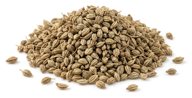
Caraway seeds
  • Fennel seed

    Same weight, lightly crushed; sweeter and milder but the closest match for the anise note.

  • Cumin seed

    Use two-thirds the weight; earthier and warmer, losing most of the aniseed character — good in breads and root vegetables.

  • Carom seeds

    Use half the weight; much more pungent and thyme-like, so add early in hot oil to soften it.

Cumin seed
  • Ground cumin

    Use 70% of the weight; add with ground spices or sauce bases rather than hot oil tempering, where it scorches quickly and turns bitter.

  • Black cumin seeds

    Use equal weight for oil tempering. Delivers an earthy profile with an additional musky, smoky, and slightly bitter edge.

  • Fennel seed

    Use 60% of the weight for tempering; offers comparable warm aroma, but leans sweet and liquorice-like rather than savoury and earthy.

Fennel seed
  • Aniseed

    Use 75% of the weight. Fry in hot oil or ghee; has a sharper, more pronounced liquorice flavour, so use a lighter hand.

  • Ground fennel seed

    Use 60% of the weight. Stir into the sauce with ground masalas; provides identical sweet aniseed flavour without whole seed crunch.

  • Star anise

    Use one point (single carpel) per 1 g of fennel seeds. Simmer in gravies and remove before serving; gives a deeper, woodier liquorice aroma.

Ground nutmeg
  • Nutmeg

    Grate whole nutmeg finely on a microplane; use 80% to 100% of the weight. Freshly grated nutmeg has significantly more aromatic oils and a more vibrant aroma.

  • Ground mace

    Use 100% to 120% of the weight. Mace is nutmeg's outer husk, providing almost identical warmth but with a lighter, slightly more delicate, floral edge.


  • Ground cinnamon (cassia)

    Use 75% of the weight. Adds comparable warmth and sweetness, though it lacks the musky, nutty undertone of nutmeg.

Similar spice mixtures

Malwani Masala
Malwani Masala tastes hot and aromatic with warming fennel, cassia and black cardamom and a faint sweetness, while this dish tastes hot, tangy and rich with coconut and lime.
  • Same: Malwani Masala shares toasted whole spices with this dish, including coriander seeds, fennel, cumin, caraway, black mustard seed, star anise, clove, black peppercorn, nutmeg, dried red chilli and turmeric.
  • Different: Malwani Masala is only a dry-roasted spice blend, while this dish is a chicken curry with coconut, coconut milk, onion, garlic, ginger, lime juice, oil and water; it uses cassia bark and black cardamom, which this dish does not list.
Bihari Ahuna Mutton
Lamb Curry with Mustard Oil, Turmeric, Chilli and Ahuna Masala
Bihari Ahuna Mutton tastes deep and savoury with gentle chilli heat and a warm whole-spice aroma, while this dish tastes hot, tangy and rich with coconut and lime.
  • Same: Bihari Ahuna Mutton shares with this dish a bone-in curry base of onion, garlic, turmeric, Kashmiri chilli and a toasted whole-spice blend.
  • Different: Bihari Ahuna Mutton uses mustard oil and lamb and adds white poppy seeds, roasted split gram, black cardamom, green cardamom, mace and bay leaf, while this dish uses vegetable oil, chicken, coconut, coconut milk and lime juice.
Valsadi Hara Masala
Traditional Valsad Masala (Green)
It tastes sharper and greener from ginger and green chilli, with no lime sourness or coconut richness compared with this dish.
  • Same: Valsadi Hara Masala shares turmeric, garlic, ginger, cumin, coriander seeds, cinnamon, clove and black peppercorn with this dish.
  • Different: It is a ground green paste with green chilli, poppy seed and white cardamom, and it lacks chicken, coconut, lime, onion and oil, so it is not cooked as a curry.
Valsadi Masala
Traditional Valsad Masala (Dry)
Valsadi Masala tastes pungent and warming from cinnamon, cloves and peppercorns with sharp ginger-garlic and chilli heat, while this dish is hot, tangy and rich with coconut and lime.
  • Same: Valsadi Masala shares cinnamon, cloves, black peppercorns, coriander seeds, cumin seeds, dried chillies, ginger, garlic and turmeric with this dish.
  • Different: Valsadi Masala is a dry spice blend with no oil, coconut, lime, onion or chicken, and it uses poppy seeds, white cardamom and much more salt and ginger than this dish.