Malwani Masala
Malwani masala is a dry-roasted spice blend for seasoning coastal Indian dishes. It is hot and aromatic, with warming notes from fennel, cassia and black cardamom and a faint sweetness underneath.
Malwani masala
44 gToasted and ground in steps 1–4Method
- Warm a frying pan without oil over a low flame; add 12 g dried red chilli, 1.4 g black peppercorn, 10.2 g coriander seeds, 1.2 g star anise, 0.4 g clove, 1.8 g black mustard seed, 4 g cassia bark, 1.9 g black cardamom pod, 1.7 g caraway seeds, 1.1 g cumin seed and 6 g fennel seed.
- Toast for 5–7 minutes, stirring often, until fragrant and slightly darker.
- Tip the spices onto a plate and leave until completely cold.
- Grind the cooled spices to a fine powder.
- Stir in 2.2 g ground nutmeg and 1.5 g ground turmeric until evenly mixed.
- Store the Malwani masala in an airtight jar until needed.
Don't have something?


 Dried kashmiri chilli
Use equal weight whole. Fry in hot oil or ghee as tempered spice; gives a richer red colour with slightly milder heat.
 Red chilli powder
Use 50% to 70% of the weight. Stir into the oil with ground spices; distributes heat evenly throughout the dish without whole chilli skins.


 Coarsely ground black pepper
Use 75% of the weight. Add midway through simmering; spreads heat evenly through the dish instead of delivering isolated bursts.
 Ground black pepper
Use 50% of the weight. Stir in near the end of cooking; significantly darkens light gravies and provides an immediate, sharp bite.


 Ground coriander
Use 75% of the weight; stir in along with wet masala or tomato purée rather than frying in hot oil, as the fine powder burns instantly.
 Cumin seed
Use 50% of the weight for tempering in hot oil. Lacks the floral, sweet citrus flavour of coriander, introducing warm, pungent earthiness instead.
 Fennel seed
Use 50% of the weight in tempering; provides pleasant aromatic sweetness, though noticeably aniseedy rather than citrusy.


 Aniseed
Use equal weight or 1 g lightly crushed aniseed per whole star anise star. Delivers the same sweet liquorice profile, though slightly less woody.
- Fennel seed
Use equal weight, bruised in a mortar. Lends a gentler, sweeter liquorice note to gravies and biryanis.


 Ground cloves
Use 1 g ground for 4 g whole (or 1 small pinch per 2 to 3 whole cloves). Add with spice powders; disperses intense warmth quickly, so use with restraint.
 Allspice berries
Use 100% of the weight whole in tempering. Imparts a warm, clove-like aromatic profile combined with hints of nutmeg and cinnamon.
 Black cardamom pod
Use 1 pod for 3 to 4 cloves in whole tempering. Shares a camphor-like warmth and medicinal depth, though it introduces a distinct smoky undertone.


 Mustard seeds
Use equal weight. Pop in hot fat until they crackle and turn greyish; yields an almost identical nutty, pungent finish.
 Yellow mustard seeds
Use equal weight. Fry over medium heat; delivers a milder, sweeter pop and turns bitter quickly if the oil is excessively hot.


 Ceylon cinnamon
True cinnamon: thinner, papery quills, milder and sweeter. Use about 1.5 times the weight, and taste.
 Ground cinnamon (cassia)
Use about a third of the weight (0.5 g ground for a 2.5 cm piece), stirred in with the ground spices rather than fried whole, since the powder burns quickly.
 Cassia buds
Use 60-70% of the weight; stronger and more peppery, so taste before adding more.


 Ground black cardamom
Use 0.5 g of ground seeds for each whole pod. Stir directly into the curry base; delivers identical smoky flavour without woody husks.
 Green cardamom pod
Use equal pod count or weight. Crack slightly and fry whole; tastes sweet, menthol-fresh, and floral rather than dark and smoky.


- Fennel seed
Same weight, lightly crushed; sweeter and milder but the closest match for the anise note.
- Cumin seed
Use two-thirds the weight; earthier and warmer, losing most of the aniseed character — good in breads and root vegetables.
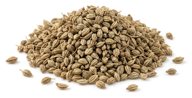 Carom seeds
Use half the weight; much more pungent and thyme-like, so add early in hot oil to soften it.

 Ground cumin
Use 70% of the weight; add with ground spices or sauce bases rather than hot oil tempering, where it scorches quickly and turns bitter.
 Black cumin seeds
Use equal weight for oil tempering. Delivers an earthy profile with an additional musky, smoky, and slightly bitter edge.
- Fennel seed
Use 60% of the weight for tempering; offers comparable warm aroma, but leans sweet and liquorice-like rather than savoury and earthy.


- Aniseed
Use 75% of the weight. Fry in hot oil or ghee; has a sharper, more pronounced liquorice flavour, so use a lighter hand.
 Ground fennel seed
Use 60% of the weight. Stir into the sauce with ground masalas; provides identical sweet aniseed flavour without whole seed crunch.
- Star anise
Use one point (single carpel) per 1 g of fennel seeds. Simmer in gravies and remove before serving; gives a deeper, woodier liquorice aroma.


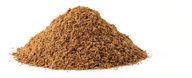 Ground nutmeg
Use equal weight, or roughly 1/2 teaspoon for half a whole nutmeg. Stir in near the end of cooking as pre-ground loses aroma quickly.
 Mace blade
Use about 70% of the weight, finely ground. Mace comes from the same fruit and provides a very similar but slightly lighter, more floral warmth.
 Ground mace
Use equal weight. Delivers a slightly sharper, more delicate sweetness to rich kormas and biryanis.


 Ground ginger
Use 50% of the weight. Mimics turmeric's warm, earthy, rhizome background, but provides none of the golden-yellow colour.
 Saffron
Steep a tiny pinch (0.1 g per 2 g turmeric) in 2 tbsp warm water; use to match the rich golden hue. Contributes an aristocratic, honeyed floral flavour rather than earthy bitterness.


Similar spice mixtures
- Same: Konkani Kombdi Masala shares a toasted coastal spice base with this dish, including dried chilli, coriander, fennel, cumin, mustard, star anise, clove, peppercorn and nutmeg.
- Different: Konkani Kombdi Masala adds chicken on the bone, onion, garlic, ginger, coconut, coconut milk, lime juice and vegetable oil, and uses cinnamon stick and Kashmiri chilli where this dish uses cassia and black cardamom; it is a simmered curry, while this dish is only a dry-roasted spice blend.
- Same: It shares coriander, cumin, cassia, dried red chilli, clove, caraway and turmeric with this dish.
- Different: It adds coconut, sesame, vegetable oil, bay leaf and asafoetida, and it lacks this dish's fennel, nutmeg, black cardamom, star anise, mustard and black pepper.
- Same: Valsadi Masala shares dried red chilli, cumin, coriander, clove, black peppercorn and turmeric with this dish, and both are dry spice blends.
- Different: Valsadi Masala adds fresh ginger, garlic, poppy seed, salt, white cardamom and cinnamon, while this dish has fennel, black cardamom, star anise, black mustard, caraway, nutmeg and cassia instead.
- Same: Bhruchi Masala shares dried red chilli, coriander, cumin, clove, black peppercorn, nutmeg and turmeric with this dish.
- Different: Bhruchi Masala adds roasted chana dal, poppy seed, cinnamon, white cardamom and mace, while this dish has fennel, cassia, black cardamom, star anise, caraway and black mustard seed and no lentils.