Indian cooking
Indian cooking / Dishes / Kath Kaha
Kath Kaha (Mixed Vegetable Curry)

Kath Kaha

Mixed Vegetable Curry
Vegetarian●●●Origin KeralaPrep 50 minutesCook 1 hour

A fragrant mixed vegetable curry loaded with root vegetables and legumes, simmered in a toasted coconut and whole-spice gravy finished with a touch of lemon.

Spices for the coconut paste

15 gToasted for the curry paste in step 1
02
3.4 g2 teaspoons
spice
03
0.3 g4 cloves
spice
04
5 g2 pieces
spice
Keep whole; they will be dry-toasted and puréed.

Tempering spices

4.8 gSizzled in hot oil in step 3
01
~0.3 gpinch
spice
02
1.6 g½ teaspoon
spice
03
1.1 g½ teaspoon
spice
04
0.8 g¼ teaspoon
spice
05
1 g2 leaves
spice
Keep whole.

Mace

0.2 gStirred in with the spice paste in step 4
01
0.2 g1 blade
spice
Keep whole.

Everything else

01
27 g2 tablespoons
oil/fat
02
150 g1 onion
vegetable
03
Yam · Suranpeeled and cut into medium-sized pieces
125 g
vegetable
04
Carrot · Gajarcut into medium-sized pieces
100 g
vegetable
05
Potato · Aloocut into medium-sized pieces
125 g
vegetable
07
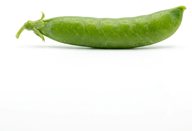
Pea · Matarshelled if fresh
75 g
vegetable
08
5 g1 teaspoon
souring agent
09
to taste
salt
10
14 g1 tablespoon
oil/fat
12
150 g1 onion
vegetable

Method

  1. Warm 13.5 g vegetable oil in a skillet over low heat. Add 80 g fresh coconut and stir-fry for roughly 5 minutes until evenly browned and fragrant, then tip into a bowl. In the same dry skillet, toast the dried red chillies and coriander seeds from the spices for the coconut paste for 3 minutes. Add the cloves and cinnamon stick from the paste spices along with 8 black peppercorns, stir-frying for an additional 2 to 3 minutes before combining them with the toasted coconut.
  2. Transfer the toasted coconut, spices, and peppercorns to a blender with 150 g sliced onion and 125 ml water. Process until completely smooth.
  3. Heat 27 g vegetable oil in a large saucepan over medium heat. Tip in the tempering spices and cook for about 1 minute until the seeds begin to crackle. Add 150 g chopped onion and sauté for 5 to 7 minutes until deep golden brown.
  4. Pour in the blended coconut paste, add the mace, and fry together for 5 minutes.
  5. Pour in 1 litre water and salt to taste. Bring to a simmer, add 125 g yam, and cook for 8 to 10 minutes. Stir in 100 g carrots and 125 g potato, simmer for 5 minutes, then mix in 75 g green beans and 75 g peas. Drop the heat to low and simmer gently until all the vegetables are tender and the gravy has lightly reduced.
  6. Take the pan off the heat and stir through 5.1 g lemon juice before serving.

Don't have something?

Vegetable oil
  • Peanut oil

    Use 1:1 by weight. Handles high-heat frying identically and introduces a very subtle, pleasant nuttiness.

  • Ghee

    Use 1:1 by weight. Yields a much richer, authentic aroma and a glossy, heavier mouthfeel.

  • Mustard oil

    Use 1:1 by weight. Heat until smoking, then cool slightly before cooking to temper its intensely pungent, sharp mustard kick.

Asafoetida
  • Garlic powder

    Use double the weight. Stir into hot oil just before adding wet ingredients; mimics the allium savoury background without the sulphurous edge.

  • Garlic paste

    Use 2 g for every 0.5 g of asafoetida. Sauté in oil until the raw smell clears; adds moisture and sweet allium depth.

Mustard seed
  • Black mustard seed

    Use the same weight. The seeds are smaller and hotter; fry in hot oil until they pop, about 20–30 seconds, and reduce the heat if they darken too fast. The dish will be a little sharper.

  • Yellow mustard seeds

    Use the same weight. They are milder and larger; fry a few seconds longer until they pop. The finished dish will have less pungency.

  • Ground mustard seed

    Use 70% of the weight of whole seed, added with the other ground spices rather than fried whole. You lose the popping texture and the heat comes through more evenly.

Cumin seed
  • Ground cumin

    Use 70% of the weight; add with ground spices or sauce bases rather than hot oil tempering, where it scorches quickly and turns bitter.

  • Black cumin seeds

    Use equal weight for oil tempering. Delivers an earthy profile with an additional musky, smoky, and slightly bitter edge.

  • Fennel seed

    Use 60% of the weight for tempering; offers comparable warm aroma, but leans sweet and liquorice-like rather than savoury and earthy.

Ground turmeric
  • Ground ginger

    Use 50% of the weight. Mimics turmeric's warm, earthy, rhizome background, but provides none of the golden-yellow colour.

  • Saffron

    Steep a tiny pinch (0.1 g per 2 g turmeric) in 2 tbsp warm water; use to match the rich golden hue. Contributes an aristocratic, honeyed floral flavour rather than earthy bitterness.

Bay leaf
  • Cinnamon stick

    Use a 2 cm piece (about 1 g) for every 1 to 2 bay leaves. Fry in whole-spice temperings; provides the cassia-like warmth typical of Indian tejpatta.

  • Ground cinnamon (cassia)

    Use 0.5 g per leaf. Stir into the sauce during simmering; gives the same warm woodiness but darkens the colour slightly.

Onion
  • Shallot

    Use equal weight, finely sliced. Shallots soften and brown faster, giving a slightly sweeter and more delicate base to curries.

  • Cabbage

    Use 80% of the weight, finely shredded and browned slowly with a pinch of asafoetida. Replicates the bulk and natural sweetness in gravies without allium.

Mace blade
  • Ground mace

    Use 0.5 g ground mace for 1 g mace blade; add towards the end of frying spices as ground powder burns much quicker than whole blades.

  • Nutmeg

    Grate finely, using 50% of the weight; sweeter, deeper, and slightly heavier in aroma than delicate mace.

  • Ground nutmeg

    Use 40% of the weight; stir in gently with ground spices, avoiding high direct heat to prevent bitterness.

Yam
  • Indian yam

    This is the closest match; use the same weight and cook as directed until tender.

  • Taro root

    Use the same weight; it is starchier and can be slightly slimy, so peel, cube and simmer for 15–20 minutes.

  • Sweet potato

    Use the same weight; it is sweeter and softer, so reduce cooking time by about 5 minutes.

Carrot
  • Turnip

    Use the same weight; peel and cut as for carrot. It is less sweet and slightly peppery, so add a pinch of sugar and expect a softer, more earthy result.

  • Potato

    Use the same weight; cut into similar pieces and add 5–10 minutes' extra cooking. It gives bulk but no carrot sweetness or colour.

  • Courgette

    Use the same weight; cut a little larger and add near the end. It releases water, so reduce other liquid slightly and expect a softer texture.

Potato
  • Eggplant

    Use equal weight. Cut into large chunks; cooks down much faster (10-12 minutes) and softens into the sauce rather than staying starchy and firm.

  • Paneer

    Use 80% of the weight. Cube and add in the last 5-10 minutes of cooking; adds rich dairy protein instead of starchy bulk.

  • Dried chickpea

    Use 45% dry weight. Soak overnight and boil until fully soft before stirring into the sauce to simmer for 10 minutes.

French green bean
  • Green bean

    Use the same weight, top and tail, and cook the same way. Closest match.

  • French bean

    Use the same weight and trim; cooking time is the same.

  • Cluster bean

    Use the same weight, cut into similar lengths, and cook 2 minutes longer until tender.

Pea
  • Green pea

    Use equal weight directly from fresh or frozen. Toss into the pan near the end of cooking to preserve sweetness and bright green colour.

  • Chana dal

    Use 70% of the weight, boiled until tender but holding shape. Adds pleasant body and starch, though it lacks the juicy sweetness of fresh peas.

Lemon juice
  • Lime juice

    Use equal volume or weight; delivers almost identical sharp acidity with a faintly more aromatic, bitter-edged profile.

  • Dried mango powder

    Use 25% of the weight (about 1 g amchoor for 4 g juice); provides clean fruity tartness without thinning the sauce.

  • White vinegar

    Use 75% of the volume; gives direct sourness without any citrus floral fragrance.

Fresh coconut
  • Desiccated coconut

    Use 50% to 60% of the weight, soaked in equal parts warm water for 15 minutes before grinding. Works well for chutneys, though texture is slightly finer and sweeter.

  • Coconut milk

    Use 1.2 times the weight in curries. Adds creamy richness and authentic flavour, but makes gravies smoother and eliminates the grated, chewy mouthfeel.

Dried red chilli
  • Dried kashmiri chilli

    Use equal weight whole. Fry in hot oil or ghee as tempered spice; gives a richer red colour with slightly milder heat.

  • Red chilli powder

    Use 50% to 70% of the weight. Stir into the oil with ground spices; distributes heat evenly throughout the dish without whole chilli skins.

Coriander seeds
  • Ground coriander

    Use 75% of the weight; stir in along with wet masala or tomato purée rather than frying in hot oil, as the fine powder burns instantly.

  • Cumin seed

    Use 50% of the weight for tempering in hot oil. Lacks the floral, sweet citrus flavour of coriander, introducing warm, pungent earthiness instead.

  • Fennel seed

    Use 50% of the weight in tempering; provides pleasant aromatic sweetness, though noticeably aniseedy rather than citrusy.

Clove
  • Ground cloves

    Use 1 g ground for 4 g whole (or 1 small pinch per 2 to 3 whole cloves). Add with spice powders; disperses intense warmth quickly, so use with restraint.

  • Allspice berries

    Use 100% of the weight whole in tempering. Imparts a warm, clove-like aromatic profile combined with hints of nutmeg and cinnamon.

  • Black cardamom pod

    Use 1 pod for 3 to 4 cloves in whole tempering. Shares a camphor-like warmth and medicinal depth, though it introduces a distinct smoky undertone.

Black peppercorn
  • Coarsely ground black pepper

    Use 75% of the weight. Add midway through simmering; spreads heat evenly through the dish instead of delivering isolated bursts.

  • Ground black pepper

    Use 50% of the weight. Stir in near the end of cooking; significantly darkens light gravies and provides an immediate, sharp bite.

Cassia bark
  • Ceylon cinnamon

    True cinnamon: thinner, papery quills, milder and sweeter. Use about 1.5 times the weight, and taste.

  • Ground cinnamon (cassia)

    Use about a third of the weight (0.5 g ground for a 2.5 cm piece), stirred in with the ground spices rather than fried whole, since the powder burns quickly.


  • Cassia buds

    Use 60-70% of the weight; stronger and more peppery, so taste before adding more.

Similar dishes

Aloogadda Vepudu
Spicy Potatoes
Aloogadda Vepudu is drier, sharper, and more intensely peppery, without the rich, nutty sweetness provided by this dish's toasted coconut gravy.
  • Same: Aloogadda Vepudu also features potatoes cooked with onions and a roasted spice mix of coriander, cumin, dried red chillies, cloves, cinnamon, and mustard seeds, finished with lemon juice.
  • Different: Aloogadda Vepudu is a dry-fried dish cooked largely in ghee with black peppercorns, cardamom, and curry leaves, rather than simmering peas and potatoes in a coconut-based gravy with asafoetida and mace.
Lucknowi Aloo Matar Ki Sabzi
Potato and Pea Curry with Turmeric and Chilli
Lucknowi Aloo Matar Ki Sabzi tastes lightly sweet, savoury and gently chilli-hot with a fresh coriander finish, while this dish tastes of toasted coconut, whole spices and lemon.
  • Same: Lucknowi Aloo Matar Ki Sabzi shares potato, peas, onion, vegetable oil, asafoetida, cumin, coriander seeds, bay leaf, cinnamon, turmeric and salt with this dish.
  • Different: It has tomato, tomato purée, garlic, ginger, green chilli, black cardamom, sugar, garam masala and coriander leaf and lacks this dish's coconut, lemon juice, mustard seed, mace, clove, yam, carrot and green beans, cooking in a thick onion-tomato sauce rather than a toasted coconut gravy.
Aloo Matar Sookhe
Potatoes with Peas
Aloo Matar Sookhe has a simpler, savory, and mildly spicy tomato-led profile rather than the rich, warmly spiced coconut flavor of this dish.
  • Same: Aloo Matar Sookhe shares the core base of potatoes and peas seasoned with mustard seeds, cumin, and turmeric.
  • Different: Aloo Matar Sookhe is cooked as a dry sabzi with tomatoes and green chillies, lacking the toasted coconut, onions, lemon juice, and sweet whole spices used in this dish.
Aloo Matar Rasedar
Potatoes & Peas in Sauce
It has a lighter, tangy tomato flavor rather than the nutty richness of toasted coconut and warm, sweet spices.
  • Same: Aloo Matar Rasedar also features potatoes and peas seasoned with cumin seeds, asafoetida, cloves, and coriander.
  • Different: Instead of an onion and toasted coconut paste soured with lemon juice, it uses a tomato-based broth with fried vegetables, omitting mustard seeds, mace, cinnamon, and bay leaf.