Indian cooking
Indian cooking / Dishes / Aloo Matar Sookhe
Aloo Matar Sookhe (Potatoes with Peas)

Aloo Matar Sookhe

Potatoes with Peas
Vegetarian●●●Origin Awadh/PunjabPrep 25 minutes, plus cooling timeCook 15–20 minutes

A dry North Indian vegetable sabzi featuring tender potatoes and sweet green peas tossed with fragrant tempering spices and fresh chillies. It has an earthy, savoury profile with a gentle kick of heat and a vibrant yellow hue from turmeric.

Tempering seeds

16 gFried in the hot fat (step 3)
01
10 g1 tablespoon
spice
02
6 g1 tablespoon
spice
Leave whole; they will crackle in the warm fat together.

Ground turmeric

9 gBloomed in the spiced oil (step 4)
01
9 g1 tablespoon
spice
Keep as a ground powder ready to tip into the pan.

Everything else

01
Potato · Alooin their jackets (skins)
2400 g8 potatoes
vegetable
02
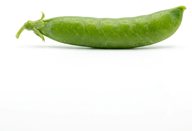
Pea · Matarshelled if fresh
350 g
vegetable
03
27–40 g2–3 tablespoons
oil/fat
04
240 g2 tomatoes
vegetable
05
12–18 g2–3 chillies
vegetable
06
1 g1 tablespoon
herb
07
to taste
salt

Method

  1. Submerge 2400 g potato in their jackets in a pot of boiling water and parboil for roughly 10 minutes until halfway tender. Drain the water, set them aside until cool enough to handle, strip off the skins, and cut the flesh into bite-sized dice.
  2. Simmer 350 g pea in a separate pan of boiling water for 5 to 7 minutes until tender. Strain through a colander and immediately immerse in cold water to halt the cooking and protect their vibrant green shade, then drain and set aside.
  3. Warm 27–40.5 g ghee or vegetable oil across a sturdy pan over medium heat. Scatter in the tempering seeds and fry for about 1 minute until they begin popping.
  4. Scatter in the ground turmeric, followed directly by the diced potatoes and 240 g tomato. Season to taste with salt and sauté for 5 to 10 minutes, turning regularly, until the potato cubes are tender all the way through.
  5. Fold in the cooked peas, 12–18 g green chilli, and 1 g coriander leaf. Toss thoroughly until everything is evenly combined and heated through, then serve hot.

Don't have something?

Potato
  • Eggplant

    Use equal weight. Cut into large chunks; cooks down much faster (10-12 minutes) and softens into the sauce rather than staying starchy and firm.

  • Paneer

    Use 80% of the weight. Cube and add in the last 5-10 minutes of cooking; adds rich dairy protein instead of starchy bulk.

  • Dried chickpea

    Use 45% dry weight. Soak overnight and boil until fully soft before stirring into the sauce to simmer for 10 minutes.

Pea
  • Green pea

    Use equal weight directly from fresh or frozen. Toss into the pan near the end of cooking to preserve sweetness and bright green colour.

  • Chana dal

    Use 70% of the weight, boiled until tender but holding shape. Adds pleasant body and starch, though it lacks the juicy sweetness of fresh peas.

Ghee or vegetable oil
  • Peanut oil

    Use equal weight; handles high tempering heat well and keeps flavours neutral.

  • Butter

    Use equal weight; cook over gentle heat to prevent browning the milk solids too quickly.

Mustard seed
  • Black mustard seed

    Use the same weight. The seeds are smaller and hotter; fry in hot oil until they pop, about 20–30 seconds, and reduce the heat if they darken too fast. The dish will be a little sharper.

  • Yellow mustard seeds

    Use the same weight. They are milder and larger; fry a few seconds longer until they pop. The finished dish will have less pungency.

  • Ground mustard seed

    Use 70% of the weight of whole seed, added with the other ground spices rather than fried whole. You lose the popping texture and the heat comes through more evenly.

Cumin seed
  • Ground cumin

    Use 70% of the weight; add with ground spices or sauce bases rather than hot oil tempering, where it scorches quickly and turns bitter.

  • Black cumin seeds

    Use equal weight for oil tempering. Delivers an earthy profile with an additional musky, smoky, and slightly bitter edge.

  • Fennel seed

    Use 60% of the weight for tempering; offers comparable warm aroma, but leans sweet and liquorice-like rather than savoury and earthy.

Ground turmeric
  • Ground ginger

    Use 50% of the weight. Mimics turmeric's warm, earthy, rhizome background, but provides none of the golden-yellow colour.

  • Saffron

    Steep a tiny pinch (0.1 g per 2 g turmeric) in 2 tbsp warm water; use to match the rich golden hue. Contributes an aristocratic, honeyed floral flavour rather than earthy bitterness.

Tomato
  • Tomato purée

    Use 40% to 50% of the fresh tomato weight mixed with a splash of water. Imparts a deeper red colour, thicker sauce, and slightly sweeter cooked flavour.

  • Plain yogurt

    Use 60% of the weight, whisked smooth and added on low heat. Provides rich body and sourness, though the gravy becomes paler and creamier.

Green chilli
  • Chilli powder

    Use 10 to 15% of the weight (about 1/4 teaspoon per chilli); imparts dry pungent heat and reddens the dish without the grassy crunch.

  • Dried red chilli

    Use 1 dried pod per fresh green chilli; snap in half and temper in hot oil for a deeper, toastier heat.

Coriander leaf
  • Coriander

    Use equal weight finely chopped; this is the exact same fresh herb.

  • Mint

    Use half the weight finely chopped; provides vibrant green freshness, though the flavour profile becomes noticeably cooler and sharper.

Similar dishes

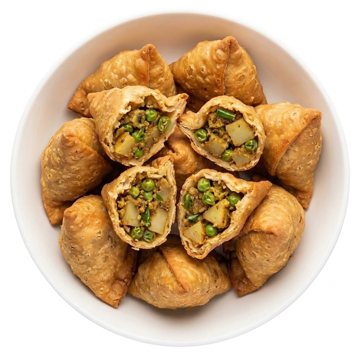
Samosa
Samosas
Samosa is richer, crunchier, and more pungent from the ginger and chilli powder, without the mild tanginess from this dish's tomatoes.
  • Same: Samosa shares a base of potatoes and green peas seasoned with cumin seeds, turmeric, fresh green chillies, and coriander leaves.
  • Different: Samosa encases the spiced filling in deep-fried pastry and adds ginger, chilli powder, and ground coriander, while omitting the mustard seeds and tomatoes used in this dish.
Aloo Tikki Awadhi
Potato & Pea Patties
It delivers a much sharper heat and a tangier, sweet-spiced finish from the ginger, chaat masala, and mango chutney, unlike the milder, tomato-led profile of this dish.
  • Same: Aloo Tikki Awadhi also features a base of potatoes and peas cooked with cumin seed, green chilli, coriander leaf, and oil or ghee.
  • Different: Rather than a sautéed sabzi made with tomatoes, turmeric, and mustard seeds, it is formed into griddled patties spiced with ginger, ground coriander, chilli powder, garam masala, and chaat masala.
Banarasi Matar Ka Nimona
Pea and Potato Curry with Cumin, Turmeric and Garam Masala
Banarasi Matar Ka Nimona tastes mildly spicy and earthy from cumin and garam masala and is fairly thick, while this dish is drier and more savoury with a gentle chilli heat and turmeric-forward yellow colour.
  • Same: Banarasi Matar Ka Nimona shares potatoes, peas, tomato, cumin, turmeric, green chilli, coriander leaf and salt with this dish.
  • Different: Banarasi Matar Ka Nimona adds garlic, ginger, onion, bay leaf, ground coriander, garam masala and water and uses much more oil, while this dish uses mustard seed and ghee or oil and is a dry sabzi with far more potato.
Subz Khara Masala
Mixed Vegetables with Whole Spices
It is tangier and richer from the yogurt, with a sharper, more pungent heat than this dish.
  • Same: Subz Khara Masala also combines potatoes and green peas with tomatoes, green chillies, and turmeric.
  • Different: Instead of dry-tossing the vegetables with mustard and cumin seeds, it simmers them in peanut oil with ginger, garlic, dried red chillies, and yogurt.