
Bharwan Phoolgobi
Large cauliflower florets are parboiled with whole spices, packed with a rich nut and lentil stuffing, and coated in dual layers of spiced yogurt marinade before being charred under the grill.
Whole spices for poaching
3 gAdded to the poaching water (step 1)Aromatics and turmeric for the first marinade
34 gStirred into the first marinade (step 3)Everything else

Method
- Trim the stems of 1 cauliflower without detaching the florets, then portion the head into large pieces. Submerge them in a saucepan of water along with the whole spices for poaching, 5 peppercorns, and 3 cardamom pods. Bring to a boil, then lower the heat and cook gently for 7 to 8 minutes until slightly yielding. Drain thoroughly, cool completely, and stand the florets upside down in a baking dish.
- Warm a small splash of the 54.8 g vegetable oil in a frying pan over medium heat and toast 8.6 g ground urad dal for 1 to 2 minutes. Tip the toasted dal into a bowl, then stir in 1 tablespoon chopped cashew nuts, 1 tablespoon sliced almonds, 2 tablespoons khoya, half of the 13.2 g green chilli, half of the 3 g coriander leaf, and a pinch of salt. Press this filling firmly into the gaps between the florets.
- Whisk the aromatics and turmeric for the first marinade with the rest of the vegetable oil, 1 teaspoon mustard paste, and salt to taste. Smear this mixture all over the stuffed cauliflower and let it stand for 1 hour.
- To make the outer coating, combine 15.3 g lemon juice, 3 tablespoons grated paneer, 100 g cream, 60 g plain yogurt, 1 tablespoon white pepper, the remaining chopped chilli, the remaining chopped coriander, and salt to taste. Spread this thick mixture over the florets and rest for another hour.
- Set an overhead grill (broiler) to medium heat. Slide the florets onto metal skewers, leaving roughly 2.5 cm (1 inch) of clearance between pieces. Broil for 8 to 10 minutes until sizzling and blistered at the edges.
Don't have something?


 Broccoli
Use the same weight; cut into similar florets and cook 2–3 minutes less. It is greener and slightly stronger in flavour.
 Cauliflower floret
Use the same weight and break into even florets. This is essentially the same vegetable, so cooking and flavour change little.
 Cabbage
Use the same weight; cut into wedges and cook 3–5 minutes less. It becomes much softer and sweeter, so the dish loses cauliflower's bite.


 Coarsely ground black pepper
Use 75% of the weight. Add midway through simmering; spreads heat evenly through the dish instead of delivering isolated bursts.
 Ground black pepper
Use 50% of the weight. Stir in near the end of cooking; significantly darkens light gravies and provides an immediate, sharp bite.


 Ground black cardamom
Use 0.5 g of ground seeds for each whole pod. Stir directly into the curry base; delivers identical smoky flavour without woody husks.
 Green cardamom pod
Use equal pod count or weight. Crack slightly and fry whole; tastes sweet, menthol-fresh, and floral rather than dark and smoky.


 Green cardamom seed
Use 35 to 40% of the total pod weight; lightly bruise the seeds before frying in oil to release their essential oils.
 Ground green cardamom
Use 20 to 25% of the pod weight (about 1 generous pinch per pod); stir in toward the end of cooking so the delicate floral notes do not dissipate.
 White cardamom pod
Use 1:1 by pod count or weight; crack gently before using, though it is slightly less intensely floral.


 Ceylon cinnamon
True cinnamon: thinner, papery quills, milder and sweeter. Use about 1.5 times the weight, and taste.
 Ground cinnamon (cassia)
Use about a third of the weight (0.5 g ground for a 2.5 cm piece), stirred in with the ground spices rather than fried whole, since the powder burns quickly.
 Cassia buds
Use 60-70% of the weight; stronger and more peppery, so taste before adding more.


 Ground cloves
Use 1 g ground for 4 g whole (or 1 small pinch per 2 to 3 whole cloves). Add with spice powders; disperses intense warmth quickly, so use with restraint.
 Allspice berries
Use 100% of the weight whole in tempering. Imparts a warm, clove-like aromatic profile combined with hints of nutmeg and cinnamon.
- Black cardamom pod
Use 1 pod for 3 to 4 cloves in whole tempering. Shares a camphor-like warmth and medicinal depth, though it introduces a distinct smoky undertone.


 Peanut oil
Use 1:1 by weight. Handles high-heat frying identically and introduces a very subtle, pleasant nuttiness.
 Ghee
Use 1:1 by weight. Yields a much richer, authentic aroma and a glossy, heavier mouthfeel.
 Mustard oil
Use 1:1 by weight. Heat until smoking, then cool slightly before cooking to temper its intensely pungent, sharp mustard kick.


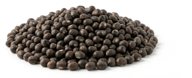 Whole black gram
Use equal weight. Needs longer soaking and cooking; the dark skins impart an earthy flavour and greyish-black hue unless thoroughly rubbed off.
 Chana dal
Use equal weight when tempering (tadka). Provides a comparable nutty, crunchy texture in hot oil, though grains are slightly larger.
 Split mung beans
Use equal weight for batters or dals. Ferments and cooks faster, producing a lighter, less sticky, and less viscous consistency.


 Almond
Use 100% of the weight. Soak in boiling water and slip off skins before frying or grinding; gives a lighter, slightly less sweet richness to curries.
 Poppy seed
Use 60% of the weight for gravies. Soak in warm water and grind into a fine paste to thicken royal kormas without adding heavy oiliness.
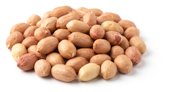 Shelled peanut
Use 100% of the weight. Roast, skin, and grind; creates a thicker, earthier texture typical of Maharashtrian and western Indian curries.


- Cashew nut
Use equal weight. Soak in warm water and grind to a paste or fry identically; yields a slightly creamier and sweeter sauce.
- Shelled peanut
Use equal weight. Lightly roast, skin, and grind; introduces a heavier body and a pronounced roasted-nut aroma.


 Chilli powder
Use 10 to 15% of the weight (about 1/4 teaspoon per chilli); imparts dry pungent heat and reddens the dish without the grassy crunch.
 Dried red chilli
Use 1 dried pod per fresh green chilli; snap in half and temper in hot oil for a deeper, toastier heat.


 Whole milk
Use 4 times the weight of milk; simmer and stir continuously in a wide heavy pan until reduced to a dense, fudgy paste.
 Paneer
Use equal weight of finely crumbled or grated paneer mixed with 15% single cream; gives similar body but a less caramelised, milk-solid flavour.
 Single cream
Simmer gently until heavily reduced, or stir in directly at 70% weight; produces rich gravies without the granular bite of khoya.


 Fresh ginger
Use equal weight; peel and grate very finely on a microplane or pound to a fine paste in a mortar.
 Ginger
Use equal weight; mince finely and crush with the flat of a knife before frying.
 Ground ginger
Use 20% of the weight; add directly with the dry spice powders, though it yields an earthier, less pungent profile.


 Garlic
Use equal weight; crush or finely grate to a smooth pulp to replicate the same fresh, pungent moisture in your base gravy.
 Garlic powder
Use 20 to 25% of the weight; mix with a teaspoon of water before adding to oil so it does not burn, noting it lacks the fresh bite.


 Mustard powder
Use half the weight and mix with an equal weight of water; let stand 5 minutes. 1 g powder plus 1 g water makes about 2 g paste.
 Mustard seed
Use half the weight; soak in water 30 minutes and grind to a paste, adding water as needed. 1 g seed makes about 2 g paste.
 Wholegrain mustard
Use the same weight; it contains vinegar and sugar, so reduce other vinegar or lemon and salt slightly. Milder and chunkier.


- Ground ginger
Use 50% of the weight. Mimics turmeric's warm, earthy, rhizome background, but provides none of the golden-yellow colour.
 Saffron
Steep a tiny pinch (0.1 g per 2 g turmeric) in 2 tbsp warm water; use to match the rich golden hue. Contributes an aristocratic, honeyed floral flavour rather than earthy bitterness.


 Lime juice
Use equal volume or weight; delivers almost identical sharp acidity with a faintly more aromatic, bitter-edged profile.
 Dried mango powder
Use 25% of the weight (about 1 g amchoor for 4 g juice); provides clean fruity tartness without thinning the sauce.
 White vinegar
Use 75% of the volume; gives direct sourness without any citrus floral fragrance.


 Extra-firm tofu
Use equal weight, pressed well to remove excess moisture and cut into cubes. Pan-fry lightly before adding; absorbs sauces similarly, though it lacks dairy sweetness.
 Halloumi
Use equal weight, soaked in warm water for 20 minutes to leach out excess salt. Holds shape during frying, but has a denser, saltier chew.


 Heavy cream
Use the same weight; whips and cooks almost identically.
- Single cream
Use the same weight in cooking, but it will not whip; reduce other liquid slightly.
 Clotted cream
Use 80% of the weight; richer and thicker, good for serving but not for whipping.


 Yogurt
Use equal weight, whisked thoroughly until smooth before adding to hot dishes to prevent curdling.
 Coconut milk
Use equal weight with 1 teaspoon lemon juice mixed in. Provides rich creaminess in curries, but adds a noticeable coconut flavour.
- Single cream
Use 80% of the weight plus a squeeze of lemon juice for acidity. Enriches sauces nicely, though it is richer and less tangy.


- Ground black pepper
Use 80–100% of the weight. Darker and sharper; reduce slightly if you do not want extra heat.
- Black peppercorn
Grind the same weight fresh; same darker, sharper result.
Similar dishes

- Same: Gobi Tandoori also features cauliflower florets parboiled with cinnamon and clove, then charred under high heat in a spiced yogurt, ginger, and garlic marinade.
- Different: It omits the paneer, khoya, and urad dal stuffing as well as lemon juice, using yellow chilli powder, black peppercorns, garam masala, and ginger chutney instead.
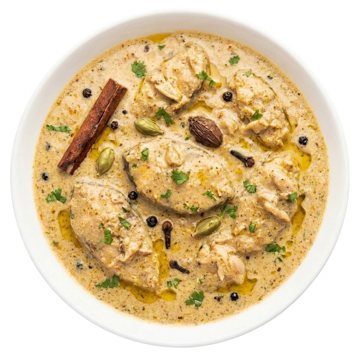
- Same: Dahi ki Machhali shares whole spices with this dish, including cinnamon, clove, black cardamom, green cardamom, and black peppercorn. It also uses ginger paste, garlic paste, plain yogurt, vegetable oil, turmeric, and coriander leaf like this dish.
- Different: Dahi ki Machhali uses firm white fish simmered in a yogurt gravy, while this dish uses cauliflower parboiled, stuffed with urad dal, cashew, almond, paneer, and khoya, then grilled. It lacks this dish's lemon juice, mustard paste, white pepper, green chilli, double cream, and nut-lentil stuffing.

- Same: Both use cauliflower florets cooked with vegetable oil, turmeric, black peppercorn, cinnamon, coriander leaf and salt.
- Different: Tamil Cauliflower Milagu Peratu is a dry stovetop dish with onion, tomato, garlic, curry leaf, fennel, cumin and poppy seeds, while this dish is parboiled, stuffed with urad dal, cashew, almond, khoya and paneer, coated in yogurt and cream marinades and grilled.

- Same: Kamala Phoolkopi shares cauliflower cooked in vegetable oil with warm spices like cinnamon and cloves, alongside ginger, turmeric, and green chillies.
- Different: Instead of being stuffed with paneer, khoya, and urad dal, coated in yogurt and garlic, and grilled, Kamala Phoolkopi is a simmered curry made with potatoes, onions, cumin, bay leaves, and orange segments.