Indian cooking
Indian cooking / Dishes / Gobi Tandoori
Gobi Tandoori (Grilled (Broiled) Cauliflower)

Gobi Tandoori

Grilled (Broiled) Cauliflower
Vegetarian●●●Origin PunjabPrep 20 minutes, plus cooling and marinating timeCook 10 minutes

Tender cauliflower florets are parboiled with whole aromatics, steeped in a spiced yoghurt marinade, and charred over high heat. The resulting florets are smoky and vibrant with a gentle, fragrant warmth.

whole spices for blanching

3.2 gAdded to the poaching water with the cauliflower (step 1)
01
0.3 g6 peppercorns
spice
03
0.3 g4 cloves
spice
Leave whole to infuse the cooking water.

marinade masala

51 gStirred into the hung yoghurt (step 2)
Combine the pastes and ground spices so they can be whisked together.

turmeric for the oil

9 gBloomed in the hot vegetable oil (step 3)
01
9 g1 tablespoon
spice
Keep dry and ground, ready to toss into the warm oil.

Everything else

01
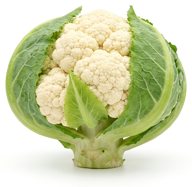
Cauliflower head · Phool Gobhicut into medium-sized florets
600 g1 head
vegetable
03
Vegetable oil · Telfor frying the tumeric
to taste
oil/fat
04
to taste
salt
05
to taste
other

Method

  1. Place 1 cauliflower cut into medium florets into a large pot and cover just with water. Add 4 large cardamom pods, the whole spices for blanching, and salt to taste. Par-cook over medium-high heat for about 5 minutes until two-thirds tender, then drain completely and leave to cool.
  2. In a wide mixing bowl, combine 375 g hung yoghurt with the marinade masala and season with salt, whisking until thoroughly incorporated.
  3. Heat vegetable oil to taste in a small frying pan over medium heat, add the turmeric for the oil, and stir-fry for 30 seconds until aromatic. Pour the spiced oil into the yoghurt mixture and stir well. Fold the cooled cauliflower florets into the marinade to coat evenly, then leave to rest for 1 hour.
  4. Prepare a charcoal grill, tandoor, or overhead broiler (grill) to medium heat. Skewer the cauliflower florets onto metal skewers, brush over any leftover marinade, and cook for 6 to 8 minutes until lightly charred and cooked through. Serve piping hot alongside salad and chutney.

Don't have something?

Cauliflower head
  • Cauliflower

    Use the same weight; trim and break into florets as the recipe directs. This is the same vegetable in a different form.

  • Broccoli

    Use the same weight; cut into florets and cook 2–3 minutes less. It is firmer when raw but softens quickly and tastes stronger.

  • Cabbage

    Use the same weight; cut into wedges or shred as needed and reduce cooking by 3–5 minutes. It gives a softer, sweeter dish.

Black peppercorn
  • Coarsely ground black pepper

    Use 75% of the weight. Add midway through simmering; spreads heat evenly through the dish instead of delivering isolated bursts.

  • Ground black pepper

    Use 50% of the weight. Stir in near the end of cooking; significantly darkens light gravies and provides an immediate, sharp bite.

Cassia bark
  • Ceylon cinnamon

    True cinnamon: thinner, papery quills, milder and sweeter. Use about 1.5 times the weight, and taste.

  • Ground cinnamon (cassia)

    Use about a third of the weight (0.5 g ground for a 2.5 cm piece), stirred in with the ground spices rather than fried whole, since the powder burns quickly.

  • Cassia buds

    Use 60-70% of the weight; stronger and more peppery, so taste before adding more.

Green cardamom pod
  • Green cardamom seed

    Use 35 to 40% of the total pod weight; lightly bruise the seeds before frying in oil to release their essential oils.

  • Ground green cardamom

    Use 20 to 25% of the pod weight (about 1 generous pinch per pod); stir in toward the end of cooking so the delicate floral notes do not dissipate.

  • White cardamom pod

    Use 1:1 by pod count or weight; crack gently before using, though it is slightly less intensely floral.

Clove
  • Ground cloves

    Use 1 g ground for 4 g whole (or 1 small pinch per 2 to 3 whole cloves). Add with spice powders; disperses intense warmth quickly, so use with restraint.

  • Allspice berries

    Use 100% of the weight whole in tempering. Imparts a warm, clove-like aromatic profile combined with hints of nutmeg and cinnamon.

  • Black cardamom pod

    Use 1 pod for 3 to 4 cloves in whole tempering. Shares a camphor-like warmth and medicinal depth, though it introduces a distinct smoky undertone.

Hung natural yoghurt
  • Greek yoghurt

    Use the same weight straight from the pot. It is thick and slightly tangier; stir well before use.

  • Full-fat natural yoghurt

    Use about 175% of the weight and strain through muslin for 3–4 hours to yield the same weight of thick yoghurt.

  • Hung yoghurt

    Use the same weight. It is essentially the same ingredient; adjust salt or sugar to taste.

Ginger paste
  • Fresh ginger

    Use equal weight; peel and grate very finely on a microplane or pound to a fine paste in a mortar.

  • Ginger

    Use equal weight; mince finely and crush with the flat of a knife before frying.

  • Ground ginger

    Use 20% of the weight; add directly with the dry spice powders, though it yields an earthier, less pungent profile.

Garlic paste
  • Garlic

    Use equal weight; crush or finely grate to a smooth pulp to replicate the same fresh, pungent moisture in your base gravy.

  • Garlic powder

    Use 20 to 25% of the weight; mix with a teaspoon of water before adding to oil so it does not burn, noting it lacks the fresh bite.

Yellow chilli powder
  • Green chilli

    Use 100% of the weight, finely minced or ground into a smooth paste. Provides sharp heat while preserving the light colour of delicate kormas.

  • Kashmiri chilli powder

    Use 50% to 75% of the weight. It brings mild heat but will turn pale or white sauces noticeably orange-red.

  • Red chilli powder

    Use 50% of the weight. Gives strong, sharp heat, but will stain cream-based or yellow Mughlai gravies red.

Vegetable oil
  • Peanut oil

    Use 1:1 by weight. Handles high-heat frying identically and introduces a very subtle, pleasant nuttiness.

  • Ghee

    Use 1:1 by weight. Yields a much richer, authentic aroma and a glossy, heavier mouthfeel.

  • Mustard oil

    Use 1:1 by weight. Heat until smoking, then cool slightly before cooking to temper its intensely pungent, sharp mustard kick.

Garam masala
  • Ground cumin

    Use 50% of the weight mixed with equal parts ground coriander and a pinch of ground cinnamon, ground cloves, and ground green cardamom. Sprinkle near the end for a warming finish.

  • Lentil stew spice mix

    Use 75% of the weight. Simmer briefly in the gravy; imparts roasted warmth and complexity, though it adds a slight tang and earthy lentil undertone.

Ground turmeric
  • Ground ginger

    Use 50% of the weight. Mimics turmeric's warm, earthy, rhizome background, but provides none of the golden-yellow colour.

  • Saffron

    Steep a tiny pinch (0.1 g per 2 g turmeric) in 2 tbsp warm water; use to match the rich golden hue. Contributes an aristocratic, honeyed floral flavour rather than earthy bitterness.


Green salad
  • Salad

    Use the same weight; any fresh salad mixture works as an accompaniment, though the exact vegetables will differ.

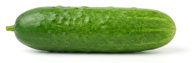
  • Cucumber

    Use the same weight, sliced, and add salt, lemon and onion if you have them; it gives crunch but less bulk.

  • Cabbage

    Use the same weight, finely shredded, and dress with lemon and salt; it is crunchier and more peppery.

Ginger chutney
  • Tamarind and ginger chutney

    Use the same weight. Closest match: ginger tang with sourness; it may be thinner or sweeter, so adjust salt and chilli.

  • Mint chutney

    Use the same weight, then stir in a little grated fresh ginger. Loses the sharp ginger-forward taste but keeps a fresh chutney character.

  • Mango chutney

    Use the same weight. Sweeter and fruitier; add a pinch of grated ginger or ground ginger to bring back the ginger note.

Similar dishes

Bharwan Phoolgobi
Stuffed Grilled (Broiled) Cauliflower
Bharwan Phoolgobi tastes substantially richer, creamier, and more citrusy from the dairy stuffing and lemon juice, while this dish offers a sharper, more direct spice heat from yellow chilli and garam masala.
  • Same: Both dishes feature cauliflower parboiled with whole cinnamon and cloves before being coated in ginger, garlic, turmeric, and a yogurt marinade and charred under the grill.
  • Different: Bharwan Phoolgobi stuffs the florets with a rich mixture of paneer, khoya, and urad dal seasoned with lemon juice and green chillies, whereas this dish remains unstuffed and uses yellow chilli powder, garam masala, black peppercorns, and ginger chutney.
Flower Batata Bhaji
Cauliflower with Potatoes
Flower Batata Bhaji has a fresher, savory, and pungent heat from onions, cumin, and green chillies rather than the smoky, warm-spiced flavor of this dish.
  • Same: Flower Batata Bhaji shares cauliflower cooked with vegetable oil, ginger, garlic, ground turmeric, and garam masala.
  • Different: Flower Batata Bhaji is a stovetop sabzi made with potatoes, onions, cumin seeds, and fresh green chillies, omitting this dish's yogurt marinade, whole spices, and grilled char.
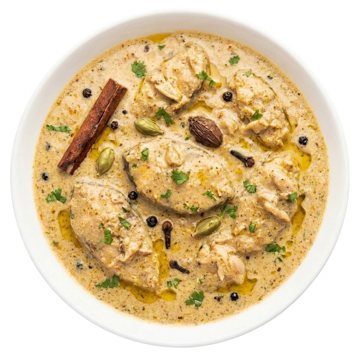
Dahi ki Machhali
Fish Cooked in Yoghurt Sauce
Dahi ki Machhali is richer, tangier, and saucier with bright cardamom notes, lacking the smoky char and sharp heat of this dish.
  • Same: Both dishes use yogurt, vegetable oil, ginger-garlic paste, cinnamon, cloves, black peppercorns, turmeric, and chilli.
  • Different: Dahi ki Machhali simmers fish in a saucy onion-and-yogurt gravy flavored with green and black cardamom instead of grilling marinated cauliflower florets.
Tamil Cauliflower Milagu Peratu
Spicy Cauliflower with Black Pepper, Curry Leaves, Fennel and Turmeric
Tamil Cauliflower Milagu Peratu tastes pepper-forward and dry with a warm aromatic masala, while this dish tastes smoky and tangy from the yoghurt marinade.
  • Same: Tamil Cauliflower Milagu Peratu shares cauliflower as the main ingredient and uses turmeric plus warm spices like cinnamon and black pepper.
  • Different: It is a dry stovetop dish with onion, tomato, curry leaves, fennel, poppy seeds and vegetable oil, while this dish uses a hung-yoghurt marinade and high-heat charring.