Indian cooking
Indian cooking / Dishes / Subz Seekh
Subz Seekh (Vegetarian Seekh Kebabs)

Subz Seekh

Vegetarian Seekh Kebabs
Vegetarian●●●Origin AwadhPrep 1 hour 15 minutes, plus cooling timeCook 5–7 minutes

These savoury vegetarian seekh kebabs blend mashed root vegetables and peas with rich paneer, crunchy almonds, and sweet dried plums. Roasted over high heat, they emerge tender on the inside with a delicate, smoky char.

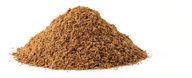
seekh kebab masala

19 gAdded to the mashed vegetable mixture in step 5
01
13 g5 teaspoons
souring agent
03
1.8 g1 teaspoon
spice
05
0.8 g½ teaspoon
spice
Stir the ground spices together until uniformly combined.

Everything else

01
Yam · Suranpeeled and grated
150 g
vegetable
03
Potato · Aloomedium-sized, unpeeled
900 g3 potatoes
vegetable
04
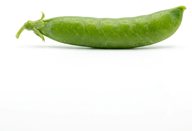
Pea · Matarshelled if fresh
75 g
vegetable
05
47 g3½ tablespoons
oil/fat
07
75 g
vegetable
08
200 g
dairy
09
2 g2 tablespoons
herb
10
Ginger · Adrakpeeled and finely chopped
12 g1 piece
aromatic
11
Green chilli · Hari Mirchde-seeded and chopped
36 g6 chillies
vegetable
12
Almond · Badamflaked (slivered)
29 g24 almonds
nut/seed
13
228 g24 plums
fruit
14
to taste
salt
16
2.2 g½ teaspoon
salt
17
to taste
salt

Method

  1. Boil 150 g yam in a pan of water for roughly 10 minutes until tender, then drain. In a separate pan of boiling water, cook 75 g cauliflower for 5 minutes until tender-crisp, then drain and grate. In a third pan, simmer 75 g peas in boiling water for 5 to 7 minutes until soft, then drain and crush thoroughly.
  2. Cook 900 g potato in a pot of boiling water for approximately 20 minutes until soft to the centre. Drain and set aside until cool enough to touch, then peel and mash smoothly.
  3. Heat 47.2 g vegetable oil in a large pan over medium heat. Tip in the yam, grated cauliflower, crushed peas, and the 100 g and 75 g grated vegetables, stir-frying until all surface moisture has evaporated. Spread the mixture across a wide tray to cool completely.
  4. Preheat an overhead grill (broiler) to medium, or prepare a tandoor to a moderate heat.
  5. Transfer the cooled vegetable mixture to a wide bowl. Add 200 g paneer, 2 tbsp chopped coriander, 12 g ginger, 36 g green chilli, 1 tsp ground pomegranate seeds, 24 flaked almonds, 228 g dried plum, 0.5 tsp black rock salt, the seekh kebab masala, and salt to taste. Mash together thoroughly with a potato masher to create a cohesive paste, then divide and roll into 12 equal balls.
  6. Dampen your hands and press each portion onto metal skewers, elongating the mixture into 10 cm (4 inch) cylinders and leaving a 5 cm (2 inch) space between each kebab, fitting two per skewer.
  7. Roast the skewers in the tandoor or under the hot grill for 2 to 3 minutes, rotating gently so they brown evenly on all sides. Slide the kebabs off the skewers and serve immediately with mint chutney.

Don't have something?

Yam
  • Indian yam

    This is the closest match; use the same weight and cook as directed until tender.

  • Taro root

    Use the same weight; it is starchier and can be slightly slimy, so peel, cube and simmer for 15–20 minutes.

  • Sweet potato

    Use the same weight; it is sweeter and softer, so reduce cooking time by about 5 minutes.

Cauliflower
  • Broccoli

    Use the same weight; cut into similar florets and cook 2–3 minutes less. It is greener and slightly stronger in flavour.

  • Cauliflower floret

    Use the same weight and break into even florets. This is essentially the same vegetable, so cooking and flavour change little.

  • Cabbage

    Use the same weight; cut into wedges and cook 3–5 minutes less. It becomes much softer and sweeter, so the dish loses cauliflower's bite.

Potato
  • Eggplant

    Use equal weight. Cut into large chunks; cooks down much faster (10-12 minutes) and softens into the sauce rather than staying starchy and firm.

  • Paneer

    Use 80% of the weight. Cube and add in the last 5-10 minutes of cooking; adds rich dairy protein instead of starchy bulk.

  • Dried chickpea

    Use 45% dry weight. Soak overnight and boil until fully soft before stirring into the sauce to simmer for 10 minutes.

Pea
  • Green pea

    Use equal weight directly from fresh or frozen. Toss into the pan near the end of cooking to preserve sweetness and bright green colour.

  • Chana dal

    Use 70% of the weight, boiled until tender but holding shape. Adds pleasant body and starch, though it lacks the juicy sweetness of fresh peas.

Vegetable oil
  • Peanut oil

    Use 1:1 by weight. Handles high-heat frying identically and introduces a very subtle, pleasant nuttiness.

  • Ghee

    Use 1:1 by weight. Yields a much richer, authentic aroma and a glossy, heavier mouthfeel.

  • Mustard oil

    Use 1:1 by weight. Heat until smoking, then cool slightly before cooking to temper its intensely pungent, sharp mustard kick.

Snake gourd or courgette
  • Snake gourd

    Use the same weight; peel and deseed. Cook 3–5 minutes longer than courgette.

  • Courgette

    Use the same weight; no need to peel. Cook 3–5 minutes less than snake gourd.

  • Bottle gourd

    Use the same weight; peel and deseed. Cook similarly until tender, adding 2–3 minutes.

Carrot
  • Turnip

    Use the same weight; peel and cut as for carrot. It is less sweet and slightly peppery, so add a pinch of sugar and expect a softer, more earthy result.

  • Potato

    Use the same weight; cut into similar pieces and add 5–10 minutes' extra cooking. It gives bulk but no carrot sweetness or colour.

  • Courgette

    Use the same weight; cut a little larger and add near the end. It releases water, so reduce other liquid slightly and expect a softer texture.

Paneer
  • Extra-firm tofu

    Use equal weight, pressed well to remove excess moisture and cut into cubes. Pan-fry lightly before adding; absorbs sauces similarly, though it lacks dairy sweetness.

  • Halloumi

    Use equal weight, soaked in warm water for 20 minutes to leach out excess salt. Holds shape during frying, but has a denser, saltier chew.

Coriander leaf
  • Coriander

    Use equal weight finely chopped; this is the exact same fresh herb.

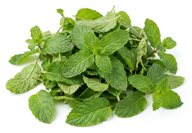
  • Mint

    Use half the weight finely chopped; provides vibrant green freshness, though the flavour profile becomes noticeably cooler and sharper.

Ginger
  • Fresh ginger

    Use equal weight; scrape off the skin and grate or finely julienne according to the recipe.

  • Ginger paste

    Use equal weight; stir straight into the sizzling aromatics, taking care as the extra moisture may spit.

  • Ground ginger

    Use 15 to 20% of the weight; add alongside ground spices, noting it imparts warm, dry heat rather than zesty freshness.

Green chilli
  • Chilli powder

    Use 10 to 15% of the weight (about 1/4 teaspoon per chilli); imparts dry pungent heat and reddens the dish without the grassy crunch.

  • Dried red chilli

    Use 1 dried pod per fresh green chilli; snap in half and temper in hot oil for a deeper, toastier heat.

Ground dried pomegranate seed
Almond
  • Cashew nut

    Use equal weight. Soak in warm water and grind to a paste or fry identically; yields a slightly creamier and sweeter sauce.

  • Shelled peanut

    Use equal weight. Lightly roast, skin, and grind; introduces a heavier body and a pronounced roasted-nut aroma.

Dried plum
  • Raisin

    Use equal weight. Soak in warm water for 10 minutes before adding to mimic the chewy texture and sweetness, though you may need a squeeze of lemon juice to replace the tartness.

  • Tamarind extract

    Use 50% of the weight mixed with an equal amount of jaggery or granulated sugar. Simmer directly into the gravy to replicate the sweet-sour fruit profile without whole fruit pieces.

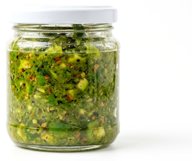
Mint chutney
  • Green chutney

    Use the same weight; it is the closest everyday substitute. Add a few fresh mint leaves if you have them.

  • Raw green mango chutney

    Use the same weight but expect a sharper, sourer taste; reduce lemon juice in the dish.

  • Mint leaves

    Blend about 30 g mint leaves with 2 green chillies, a squeeze of lemon and salt to make roughly 100 g chutney; use weight for weight.

Amchoor
  • Lemon juice

    Use 15 g (1 tbsp) for every 5 g of amchoor. Stir in at the very end off the heat; adds liquid and fresh citrus aroma rather than dry fruity tang.

  • Tamarind extract

    Use 75% of the weight, dissolved in a splash of warm water. Simmer briefly; darkens the gravy and provides a deeper, caramelised sourness.

Ground black pepper
  • Black peppercorn

    Use 1:1 by weight; pulverise in a spice mill or mortar to a fine powder for immediate, punchy heat.

  • Coarsely ground black pepper

    Use equal weight; offers the same bite, though it gives a visibly speckled finish and firmer crunch.

Ground coriander
  • Coriander seeds

    Dry-roast lightly in a pan and grind to a fine powder; use equal weight (1:1). Offers a noticeably fresher, brighter citrus note.

  • Ground cumin

    Use 50% to 75% of the weight. Lacks the floral, citrusy profile of coriander and turns the gravy heavier, earthier, and darker.

  • Garam masala

    Use 50% of the weight and stir in near the end of cooking. Adds warmth and depth since it contains ground coriander, but introduces stronger spices like clove and cinnamon.


Ground green cardamom
  • Green cardamom seed

    Grind freshly extracted inner black seeds finely; use equal weight (1:1). Greatly superior aroma with potent eucalyptus and citrus notes.

  • Green cardamom pod

    Lightly crack whole pods and simmer them in the gravy; use 150% of the weight of ground cardamom. Fish out the pods before serving.

  • Ground nutmeg

    Use 50% of the weight. Delivers warm, sweet aroma, but lacks cardamom's cooling, citrusy top notes.

Ground mace
  • Mace blade

    Grind dried blades finely in a spice mill; use equal weight (1:1). Provides an identical, freshly aromatic, sweet-musky profile.

  • Ground nutmeg

    Use 75% to 80% of the weight. Derived from the seed of the same tree, it shares the flavour profile but is heavier, sweeter, and more pungent.

  • Ground cinnamon (cassia)

    Use 50% of the weight. Adds warming sweetness, but lacks mace's savoury, elegant floral notes.

Similar dishes

Subz ke Kakori
Vegetarian Skewers
Subz ke Kakori tastes noticeably richer and more aromatic with warm clove and nutmeg notes, whereas this dish has a more savoury potato base.
  • Same: Subz ke Kakori shares a base of paneer, almonds, and dried plums with this dish, using amchoor for sourness alongside ginger, green chillies, mace, and ground green cardamom.
  • Different: Subz ke Kakori incorporates khoya, cumin, nutmeg, cloves, and whole cardamom pods, but omits the potatoes, ground coriander, and added vegetable oil used in this dish.
Jaipuri Subz Seekh
Rajasthani Vegetarian Skewers
Jaipuri Subz Seekh tastes richer and dairy-heavy from khoya, with earthy colocasia and a warmer clove-black cardamom-nutmeg spice profile, while this dish is sweeter from dried plums and almonds and more vegetable-forward.
  • Same: Jaipuri Subz Seekh shares paneer, ginger, green chilli, amchoor, ground dried pomegranate seed, black pepper, mace, green cardamom, black rock salt and a grilled seekh style with this dish.
  • Different: Jaipuri Subz Seekh uses mashed colocasia and khoya with clove, black cardamom, nutmeg and cumin, and lacks this dish's potato, yam, cauliflower, peas, carrot, almonds, dried plums and vegetable oil.
Amritsari Kulcha
Baked Bread from Amritsar
Amritsari Kulcha is richer, buttery, and more savory with herbal notes from ajwain and fenugreek, lacking the sweet dried plums and tart amchoor of this dish.
  • Same: Amritsari Kulcha shares a spiced potato and paneer base seasoned with fresh ginger, green chillies, black pepper, and coriander.
  • Different: Rather than an oil-roasted kebab featuring dried plums, almonds, and amchoor, Amritsari Kulcha is a baked flatbread made with ghee, onions, ajwain, cumin, and kasuri methi.
Subz ke Shami
Vegetarian Patties
Subz ke Shami tastes nuttier and richer from cashew, chironji, and ghee, with more onion and garlic savouriness and less smoky char than this dish; both are tangy from amchoor, but this dish also has paneer and dried-plum sweetness.
  • Same: Subz ke Shami shares potato, carrot, cauliflower, vegetable oil, amchoor, ground coriander, ground black pepper, and ground green cardamom with this dish. Both are vegetarian mashed-vegetable mixtures shaped into patties or kebabs.
  • Different: Subz ke Shami uses green beans, onion, ghee, cashew paste, chironji kernel paste, ginger paste, garlic paste, cumin, and chilli powder; it lacks this dish's paneer, almonds, dried plums, yam, peas, snake gourd, pomegranate seed, mace, and black rock salt. It is shallow-fried, while this dish is roasted over high heat.