Indian cooking
Indian cooking / Dishes / Subz ke Kakori
Subz ke Kakori (Vegetarian Skewers)

Subz ke Kakori

Vegetarian Skewers
Vegetarian●●●Origin AwadhPrep 1½ hoursCook 3–4 minutes

These delicate vegetarian kebabs combine mashed colocasia, paneer, and khoya studded with dried fruit and nuts. Rich, gently sweet, and aromatic, they cook quickly over high heat until golden.

Potli whole spices

6 gTied into a pouch and boiled with the colocasia in step 1
01
0.6 g8 cloves
spice
04
1.2 g¼ nutmeg
spice
Bundle into a clean square of muslin and tie firmly with kitchen string.

Sprinkling masala

20 gPartially mixed into the kebab dough in step 3 and dusted over the finished skewers in step 5
01
13 g5 teaspoons
souring agent
03
2.6 g1 teaspoon
spice
05
0.8 g½ teaspoon
spice
Combine thoroughly in a small bowl.

Everything else

01
Colocasia · Arbiabout 5cm / 2 inches long
500 g
vegetable
02
200 g
dairy
03
Milk solids · Khoyagrated or 120g / 4oz (¾ cup) milk powder (dry milk)Make it: Khoya →
120 g
dairy
04
4.8 g2 tablespoons
herb
05
Ginger · Adrakpeeled and grated
12 g1 piece
aromatic
06
Green chilli · Hari Mirchde-seeded and chopped
36 g6 chillies
vegetable
07
Almond · Badamflaked (slivered)
24–26 g20–22 almonds
nut/seed
08
142 g15 plums
fruit
09
to taste
salt

Method

  1. Preheat the grill to medium, or ready a tandoor for moderate heat. Enclose the potli whole spices in muslin to make a spice bag. Bring a pot of water to a boil, drop in the spice bag along with 500 g colocasia, and simmer until the colocasia is completely tender.
  2. Remove and discard the spice pouch, drain the colocasia, peel away the skins, and mash thoroughly until smooth.
  3. Add 0.5 tsp black salt to the sprinkling masala. In a wide bowl, combine the mashed colocasia with three-quarters of the sprinkling masala, 200 g paneer, 120 g khoya, 2 tbsp mint, 12 g ginger, 36 g green chilli, 1 tsp ground pomegranate seeds, 20 flaked almonds, 142 g dried plum, 0.3 g ground fenugreek, and salt to taste. Work the ingredients together with a potato masher until uniform.
  4. Separate the dough into 12 equal portions and roll them into balls. Moisten your hands with water and press the balls along 4 metal skewers, shaping them into cylindrical kebabs roughly 10 cm (4 inches) long.
  5. Broil under the hot grill or roast in the tandoor for 3–4 minutes until nicely browned all over. Carefully slide the kebabs off the skewers onto a serving platter and dust with the remaining sprinkling masala.

Don't have something?

Colocasia
  • Potato

    Use the same weight. Peel, cut into similar pieces and parboil for 5 minutes before adding; it cooks faster than colocasia, so add later and simmer 10–15 minutes. The dish will be less sticky and nutty.

  • Sweet potato

    Use the same weight. Peel and cut into chunks; it softens faster and turns sweeter, so reduce cooking time by about 5 minutes and adjust sugar or tamarind if the recipe has any.

  • Indian yam

    Use the same weight. Peel, cut into pieces and cook 5–10 minutes longer than colocasia; it holds its shape well but is less slippery.

Paneer
  • Extra-firm tofu

    Use equal weight, pressed well to remove excess moisture and cut into cubes. Pan-fry lightly before adding; absorbs sauces similarly, though it lacks dairy sweetness.

  • Halloumi

    Use equal weight, soaked in warm water for 20 minutes to leach out excess salt. Holds shape during frying, but has a denser, saltier chew.

Khoya
  • Whole milk

    Use 4 times the weight of milk; simmer and stir continuously in a wide heavy pan until reduced to a dense, fudgy paste.

  • Paneer

    Use equal weight of finely crumbled or grated paneer mixed with 15% single cream; gives similar body but a less caramelised, milk-solid flavour.

  • Single cream

    Simmer gently until heavily reduced, or stir in directly at 70% weight; produces rich gravies without the granular bite of khoya.

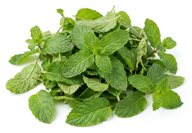
Mint leaf
  • Mint leaves

    Use the same weight; identical herb, just the plural listing.

  • Dried mint

    Use 25% of the fresh weight, about 1 g dried for 4 g fresh; crush between fingers. Flavour is stronger and slightly hay-like.

  • Coriander leaf

    Use the same weight; it gives a fresh green note but not true mint flavour.

Ginger
  • Fresh ginger

    Use equal weight; scrape off the skin and grate or finely julienne according to the recipe.

  • Ginger paste

    Use equal weight; stir straight into the sizzling aromatics, taking care as the extra moisture may spit.

  • Ground ginger

    Use 15 to 20% of the weight; add alongside ground spices, noting it imparts warm, dry heat rather than zesty freshness.

Green chilli
  • Chilli powder

    Use 10 to 15% of the weight (about 1/4 teaspoon per chilli); imparts dry pungent heat and reddens the dish without the grassy crunch.

  • Dried red chilli

    Use 1 dried pod per fresh green chilli; snap in half and temper in hot oil for a deeper, toastier heat.

Ground dried pomegranate seed
Almond
  • Cashew nut

    Use equal weight. Soak in warm water and grind to a paste or fry identically; yields a slightly creamier and sweeter sauce.

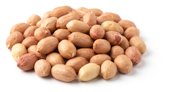
  • Shelled peanut

    Use equal weight. Lightly roast, skin, and grind; introduces a heavier body and a pronounced roasted-nut aroma.

Dried plum
  • Raisin

    Use equal weight. Soak in warm water for 10 minutes before adding to mimic the chewy texture and sweetness, though you may need a squeeze of lemon juice to replace the tartness.

  • Tamarind extract

    Use 50% of the weight mixed with an equal amount of jaggery or granulated sugar. Simmer directly into the gravy to replicate the sweet-sour fruit profile without whole fruit pieces.

Ground dried fenugreek leaf
Clove
  • Ground cloves

    Use 1 g ground for 4 g whole (or 1 small pinch per 2 to 3 whole cloves). Add with spice powders; disperses intense warmth quickly, so use with restraint.

  • Allspice berries

    Use 100% of the weight whole in tempering. Imparts a warm, clove-like aromatic profile combined with hints of nutmeg and cinnamon.


  • Black cardamom pod

    Use 1 pod for 3 to 4 cloves in whole tempering. Shares a camphor-like warmth and medicinal depth, though it introduces a distinct smoky undertone.

Green cardamom pod
  • Green cardamom seed

    Use 35 to 40% of the total pod weight; lightly bruise the seeds before frying in oil to release their essential oils.

  • Ground green cardamom

    Use 20 to 25% of the pod weight (about 1 generous pinch per pod); stir in toward the end of cooking so the delicate floral notes do not dissipate.

  • White cardamom pod

    Use 1:1 by pod count or weight; crack gently before using, though it is slightly less intensely floral.

Black cardamom pod
  • Ground black cardamom

    Use 0.5 g of ground seeds for each whole pod. Stir directly into the curry base; delivers identical smoky flavour without woody husks.

  • Green cardamom pod

    Use equal pod count or weight. Crack slightly and fry whole; tastes sweet, menthol-fresh, and floral rather than dark and smoky.

Nutmeg
  • Ground nutmeg

    Use equal weight, or roughly 1/2 teaspoon for half a whole nutmeg. Stir in near the end of cooking as pre-ground loses aroma quickly.

  • Mace blade

    Use about 70% of the weight, finely ground. Mace comes from the same fruit and provides a very similar but slightly lighter, more floral warmth.

  • Ground mace

    Use equal weight. Delivers a slightly sharper, more delicate sweetness to rich kormas and biryanis.

Amchoor
  • Lemon juice

    Use 15 g (1 tbsp) for every 5 g of amchoor. Stir in at the very end off the heat; adds liquid and fresh citrus aroma rather than dry fruity tang.

  • Tamarind extract

    Use 75% of the weight, dissolved in a splash of warm water. Simmer briefly; darkens the gravy and provides a deeper, caramelised sourness.

Ground black pepper
  • Black peppercorn

    Use 1:1 by weight; pulverise in a spice mill or mortar to a fine powder for immediate, punchy heat.

  • Coarsely ground black pepper

    Use equal weight; offers the same bite, though it gives a visibly speckled finish and firmer crunch.

Ground cumin
  • Cumin seed

    Dry-roast briefly and grind finely; use equal weight (1:1). Imparts an even punchier, nuttier, toasty aroma than pre-ground cumin.

  • Ground coriander

    Use equal weight (1:1). Adds mild, lemony sweetness rather than cumin's smoky, earthy bite; curries will taste lighter and less savoury.

  • Black cumin seeds

    Grind finely; use 60% to 75% of the weight. Produces a darker, more complex, smoky-herbal flavour suited to rich gravies.

Ground green cardamom
  • Green cardamom seed

    Grind freshly extracted inner black seeds finely; use equal weight (1:1). Greatly superior aroma with potent eucalyptus and citrus notes.

  • Green cardamom pod

    Lightly crack whole pods and simmer them in the gravy; use 150% of the weight of ground cardamom. Fish out the pods before serving.

  • Ground nutmeg

    Use 50% of the weight. Delivers warm, sweet aroma, but lacks cardamom's cooling, citrusy top notes.

Ground mace
  • Mace blade

    Grind dried blades finely in a spice mill; use equal weight (1:1). Provides an identical, freshly aromatic, sweet-musky profile.

  • Ground nutmeg

    Use 75% to 80% of the weight. Derived from the seed of the same tree, it shares the flavour profile but is heavier, sweeter, and more pungent.

  • Ground cinnamon (cassia)

    Use 50% of the weight. Adds warming sweetness, but lacks mace's savoury, elegant floral notes.

Similar dishes

Jaipuri Subz Seekh
Rajasthani Vegetarian Skewers
It is much less spicy and lacks the sweet-tart fruit notes of this dish, offering a more purely savory flavor with a hint of sulfur.
  • Same: Both skewers share a base of mashed colocasia, paneer, and khoya seasoned with amchoor, ginger, cumin, cardamoms, clove, and nutmeg.
  • Different: Jaipuri Subz Seekh omits the almonds and dried plums, adds black rock salt, and uses significantly fewer green chillies.
Subz Seekh
Vegetarian Seekh Kebabs
Subz Seekh tastes more savoury, earthy, and pungent from the potatoes and black rock salt, whereas this dish is richer, sweeter, and more intensely perfumed with warm whole spices.
  • Same: Both skewers share a base of paneer, almonds, and dried plums, seasoned with ginger, green chillies, amchoor, ground green cardamom, black pepper, and mace.
  • Different: Subz Seekh uses a large base of potatoes and vegetable oil, adding ground coriander, black rock salt, and mint chutney, while omitting the rich khoya, whole cloves, black cardamom pods, cumin, and nutmeg used in this dish.
Malai Kofta
Stuffed Paneer Dumplings
Malai Kofta tastes creamier and more mild tomato-cashew sweet than this dish, which is tangier from amchoor and sharper from green chilli, mint, and black rock salt.
  • Same: Malai Kofta shares paneer, khoya, nuts, dried fruit, ginger, cardamom, clove, and mace with this dish.
  • Different: Malai Kofta is a chickpea-flour-bound paneer dumpling simmered in a tomato-cashew gravy with clotted cream, saffron, bay leaf, cinnamon, and vegetable stock, while this dish is a colocasia-paneer kebab cooked quickly over high heat with amchoor, mint, green chilli, cumin, and black rock salt.
Paneer Jaipuri
Rajasthani Curried Paneer
Paneer Jaipuri tastes creamy, tangy, and saffron-warm with a yogurt-cashew gravy, while this dish tastes richer, gently sweet, nutty, and sour from amchoor and pomegranate seed with green chilli and mint.
  • Same: Paneer Jaipuri shares paneer, green cardamom, clove, and mace with this dish, and both are aromatic paneer-based preparations.
  • Different: Paneer Jaipuri is a wet curry made with yogurt, cashew paste, vegetable stock, cream, onion, ginger, garlic, saffron, turmeric, and yellow chilli, while this dish is a skewered kebab mixture of colocasia, khoya, dried fruit, nuts, amchoor, and ground pomegranate seed cooked quickly over high heat.