Indian cooking
Indian cooking / Dishes / Amritsari Kulcha
Amritsari Kulcha (Baked Bread from Amritsar)

Amritsari Kulcha

Baked Bread from Amritsar
Vegetarian●●●Origin PunjabPrep 45 minutes, plus standing timeCook 10–30 minutesMakes 8

A crisp, layered North Indian flatbread stuffed with spiced potatoes and aromatics, baked until blistered and golden. It is rich, buttery, and packed with fragrant roasted spices.

Filling spices

11 gMixed into the vegetable filling (step 1)
01
1.7 g1 teaspoon
spice
03
2.1 g1 teaspoon
spice
04
2 g1 teaspoon
spice
06
2.6 g1 teaspoon
spice blend
Stir together so the spices are ready to combine evenly with the vegetables.

Everything else

01
Plain flour · Maidaplus extra for dusting
500 g
flour
02
~0.3 gpinch
salt
03
125 g
oil/fat
04
Ghee or butter · Gheefor greasing and brushing
to taste
oil/fat
05
200 g
vegetable
06
175 g
vegetable
07
18 g2 tablespoons
dairy
08
4 g2 teaspoons
aromatic
09
1 g1 tablespoon
herb
10
10 g1 tablespoon
vegetable
11
40 g
vegetable

Method

  1. Combine 200 g potato, 175 g None, 2 tablespoon paneer, 4 g fresh ginger, 1 g coriander leaf, 9.9 g green chilli, 40 g onion, 1 teaspoon None, and the filling spices in a large mixing bowl. Mix thoroughly and portion into 8 equal balls.
  2. Sift 500 g None and 0.3 g salt into a wide bowl. Gradually incorporate enough water to form a soft dough, then knead on a lightly floured surface for 5 minutes until smooth. Transfer to a lightly greased bowl, cover with a damp cloth, and rest in a warm area for 30 minutes.
  3. Work half of the 125 g ghee into the rested dough, kneading until fully absorbed. Cover and leave to rest for another 10 minutes. If using an oven, preheat it to 200°C (400°F).
  4. Portion the dough into 8 equal balls and let them rest for 5 minutes. Dusting the worktop with flour, roll each ball into a disk roughly 10–12 cm (4–5 inches) wide. Place a mound of filling in the centre, gather the edges to encase it, and pinch firmly to seal. Carefully roll out into a flat round, ensuring the stuffing does not burst through.
  5. Bake on a greased baking sheet in the oven for about 10 minutes until puffed and browned, or cook inside a moderately hot tandoor on a pad for 2–3 minutes until charred in spots. Brush all over with ghee or butter and serve immediately.

Don't have something?

Plain flour
  • Whole wheat flour

    Use the same weight, add 10–15% more water and rest the dough for 20 minutes; the result is heavier and nuttier.

  • Rice flour

    Use the same weight for crisp coatings; for doughs use no more than half rice flour with wheat flour, or it will be crumbly.

  • Cornflour

    For thickening use half the weight, mixed with cold water; it is not suitable for bread or chapati dough.

Ghee
  • Unsalted butter

    Use 120% of the weight; melt gently over low heat to avoid burning the milk solids, which will yield a softer, creamier richness rather than a nutty aroma.

  • Vegetable oil

    Use 85% of the weight; holds high cooking temperatures without smoking, but the final dish will lack traditional dairy depth.

  • Mustard oil

    Use equal weight; heat to smoking point and cool slightly before cooking, bearing in mind it introduces an assertive, pungent edge.

Ghee or butter
  • Ghee

    Use the same weight. Gives a richer aroma and nuttier taste; if the dish already uses butter for finishing, ghee can make it slightly heavier.

  • Butter

    Use the same weight. Lower smoke point than ghee, so keep the heat moderate; if unsalted, add a small pinch of salt.

  • Vegetable oil or ghee

    Use about 90% of the weight. Less rich flavour; good when you want a lighter result.

Potato
  • Eggplant

    Use equal weight. Cut into large chunks; cooks down much faster (10-12 minutes) and softens into the sauce rather than staying starchy and firm.

  • Paneer

    Use 80% of the weight. Cube and add in the last 5-10 minutes of cooking; adds rich dairy protein instead of starchy bulk.

  • Dried chickpea

    Use 45% dry weight. Soak overnight and boil until fully soft before stirring into the sauce to simmer for 10 minutes.

Cauliflower
  • Broccoli

    Use the same weight; cut into similar florets and cook 2–3 minutes less. It is greener and slightly stronger in flavour.

  • Cauliflower floret

    Use the same weight and break into even florets. This is essentially the same vegetable, so cooking and flavour change little.

  • Cabbage

    Use the same weight; cut into wedges and cook 3–5 minutes less. It becomes much softer and sweeter, so the dish loses cauliflower's bite.

Paneer
  • Extra-firm tofu

    Use equal weight, pressed well to remove excess moisture and cut into cubes. Pan-fry lightly before adding; absorbs sauces similarly, though it lacks dairy sweetness.

  • Halloumi

    Use equal weight, soaked in warm water for 20 minutes to leach out excess salt. Holds shape during frying, but has a denser, saltier chew.

Fresh ginger
  • Ginger paste

    Use equal weight. Sauté in hot fat until the raw allium smell disappears; slightly wetter, but provides identical warmth and pungency.

  • Ground ginger

    Use 20% to 25% of the weight (1 g for every 4 to 5 g fresh). Stir into the gravy; adds peppery heat and warmth, though it misses the crisp, zesty kick of raw root.

Coriander leaf
  • Coriander

    Use equal weight finely chopped; this is the exact same fresh herb.

  • Mint

    Use half the weight finely chopped; provides vibrant green freshness, though the flavour profile becomes noticeably cooler and sharper.

Coriander seeds
  • Ground coriander

    Use 75% of the weight; stir in along with wet masala or tomato purée rather than frying in hot oil, as the fine powder burns instantly.

  • Cumin seed

    Use 50% of the weight for tempering in hot oil. Lacks the floral, sweet citrus flavour of coriander, introducing warm, pungent earthiness instead.

  • Fennel seed

    Use 50% of the weight in tempering; provides pleasant aromatic sweetness, though noticeably aniseedy rather than citrusy.

Green chilli
  • Chilli powder

    Use 10 to 15% of the weight (about 1/4 teaspoon per chilli); imparts dry pungent heat and reddens the dish without the grassy crunch.

  • Dried red chilli

    Use 1 dried pod per fresh green chilli; snap in half and temper in hot oil for a deeper, toastier heat.

Onion
  • Shallot

    Use equal weight, finely sliced. Shallots soften and brown faster, giving a slightly sweeter and more delicate base to curries.

  • Cabbage

    Use 80% of the weight, finely shredded and browned slowly with a pinch of asafoetida. Replicates the bulk and natural sweetness in gravies without allium.

Ground black pepper
  • Black peppercorn

    Use 1:1 by weight; pulverise in a spice mill or mortar to a fine powder for immediate, punchy heat.

  • Coarsely ground black pepper

    Use equal weight; offers the same bite, though it gives a visibly speckled finish and firmer crunch.

Dried pomegranate seed powder
  • Dried pomegranate seeds

    Use the same weight, grind fresh. Same fruity sourness; grind finely so it disperses.

  • Ground pomegranate seed

    Use the same weight. Same ingredient; check for grit and add with the spices.

  • Dried mango powder

    Use about 80% of the weight, then adjust. Sour but less fruity and less dark in colour.

Cumin seed
  • Ground cumin

    Use 70% of the weight; add with ground spices or sauce bases rather than hot oil tempering, where it scorches quickly and turns bitter.

  • Black cumin seeds

    Use equal weight for oil tempering. Delivers an earthy profile with an additional musky, smoky, and slightly bitter edge.

  • Fennel seed

    Use 60% of the weight for tempering; offers comparable warm aroma, but leans sweet and liquorice-like rather than savoury and earthy.

Ajwain seed
  • Carom seed

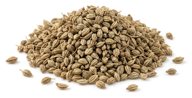
    Use the same weight; this is the same spice.

  • Cumin seed

    Use 75% of the weight, toasted; different, less medicinal flavour.

  • Fennel seed

    Use 50% of the weight, crushed; sweeter and milder.

Kasuri methi
  • Ground fenugreek

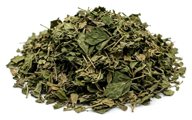
    Use 20% of the weight; stir in during tempering rather than crushing over at the end, and be cautious as it turns bitter easily.

  • Fenugreek seeds

    Crush lightly and fry in the initial oil tempering, using 25% of the weight; provides bitter notes but lacks leafy aroma.

Garam masala
  • Ground cumin

    Use 50% of the weight mixed with equal parts ground coriander and a pinch of ground cinnamon, ground cloves, and ground green cardamom. Sprinkle near the end for a warming finish.


  • Lentil stew spice mix

    Use 75% of the weight. Simmer briefly in the gravy; imparts roasted warmth and complexity, though it adds a slight tang and earthy lentil undertone.

Similar dishes

Kaju Subz ke Shami
Vegetarian Shami with Cashew Nuts
It tastes savoury and mildly spiced with a nutty cashew crunch and a soft melting interior, while this dish is buttery, crisp and more strongly flavoured with roasted spices.
  • Same: Kaju Subz ke Shami shares potato, cauliflower, paneer, green chilli, ginger, coriander, cumin and garam masala with this dish.
  • Different: It is a fried patty mixture with beans, carrot, peas, cashews and chickpea flour, uses oil rather than ghee, and lacks this dish's plain flour, ajwain, kasuri methi, dried pomegranate seed powder and onion.
Bharwan Aloo
Stuffed Potatoes
Bharwan Aloo has a milder, sweeter taste from the raisins, lacking the sharp pungency and spicy heat of the green chillies, ginger, ajwain, and black pepper in this dish.
  • Same: Bharwan Aloo also pairs potatoes and paneer seasoned with garam masala and cumin.
  • Different: Bharwan Aloo is made by deep-frying hollowed potato shells in vegetable oil to fill with paneer and raisins, whereas this dish bakes a flatbread layered with ghee and stuffed with onions, ginger, green chillies, ajwain, and kasuri methi.
Subz Seekh
Vegetarian Seekh Kebabs
Subz Seekh tastes tangier and sweeter from the amchoor and dried plums with warm floral spice, contrasting with the rich, buttery, and ajwain-forward savoriness of this dish.
  • Same: Subz Seekh also bases its mixture on potatoes and paneer seasoned with ginger, green chillies, black pepper, and coriander.
  • Different: Instead of a stuffed flatbread baked with ghee, onions, and ajwain, Subz Seekh is skewered and roasted using vegetable oil, incorporating almonds, dried plums, amchoor, mace, and cardamom.
Dakhani Paneer
Paneer in Tamarind Coconut Curry
Dakhani Paneer tastes tangy and coconut-rich with tamarind and dried red chilli, while this dish tastes buttery, crisp, and strongly spiced with roasted aromatics.
  • Same: Dakhani Paneer shares paneer, coriander seeds, cumin, garam masala, black pepper, coriander leaf, and ginger with this dish.
  • Different: Dakhani Paneer uses coconut milk, fresh coconut, tamarind extract, tomato, garlic, turmeric, dried red chilli, chickpea flour, and vegetable oil, while this dish uses wheat flour, ghee, potato, cauliflower, ajwain, pomegranate seed powder, and kasuri methi and is baked rather than batter-fried.