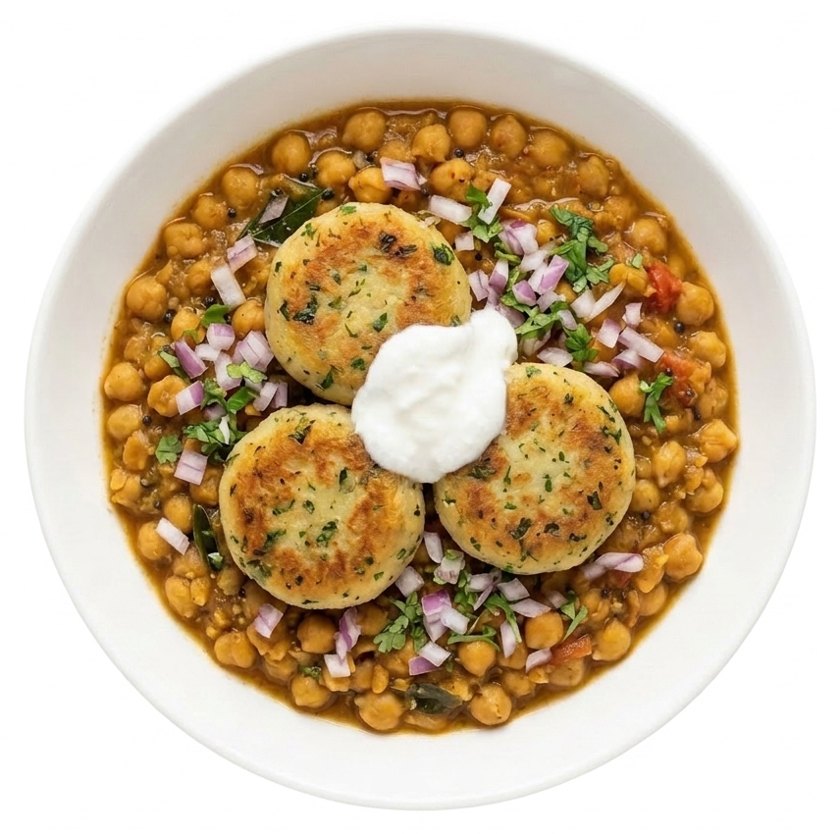
Ragda Patties
A snack of crisp potato cakes set over a tangy chickpea stew, with onion, chutneys and whisked yogurt on top. It tastes savoury, sweet-sour and gently spicy.
Pattie aromatics
8 gMixed into the potato mixture (step 4)Whole spices for the oil
6 gAdded to the hot oil for the ragda (step 2)Ground spices for the ragda
2.7 gStirred into the chickpeas (step 3)Finishing spice
1.3 gStirred in after the ragda comes off the heat (step 6)Everything else

Method
- Put 500 g canned chickpea in a pan, cover with water and simmer for 20 minutes until soft when pressed; keep 300 ml of the cooking liquid.
- Heat 27 g vegetable oil in a heavy saucepan over medium heat. Add the whole spices for the oil and let the seeds pop. Add 150 g onion and fry for about 7 minutes until soft. Lower the heat, add 2–2.5 g curry leaf and fry for 20 seconds. Add 200 g tomato and cook, stirring, for 2–3 minutes.
- Drain the chickpeas and add them to the pan. Stir in the ground spices for the ragda, 12 g tamarind paste and 8.4 g granulated sugar; stir for 1 minute. Add the reserved 300 ml liquid and mix. Cover and simmer for 20–25 minutes, stirring once halfway. Mash a few chickpeas to thicken the ragda.
- Soak the white bread (as needed) in a little water, then squeeze it dry. In a bowl, mix the bread with 500 g potato, salt to taste, the pattie aromatics, 0.3 g granulated sugar, 5.1 g lemon juice, 1.5 g coriander leaves and 5.4 g cornflour. Shape into 10–12 patties about 4 cm across. Chill for 15 minutes.
- Heat 27 g vegetable oil in a frying pan and fry the patties for 2–3 minutes on each side until golden and crisp.
- Take the ragda off the heat. Stir in the finishing spice, lemon juice to taste and salt to taste. Garnish with coriander leaves to taste.
- For each serving, put 2 patties in a bowl and spoon over the ragda. Scatter with 150 g red onion, 50 g lemon juice and 4.5 g coriander leaves. Serve with mint and coriander chutney to taste, tamarind chutney to taste, and 61.2–76.5 g yogurt whisked with 20 ml water.
Don't have something?
 Bread slice
Use the same weight; remove crusts if the recipe wants soft crumb.
 Bread
Use the same weight; adjust slices by weight, not count.
 Bread roll
Use the same weight; it is denser and sweeter, so reduce sugar slightly and soak if making crumbs.



 Eggplant
Use equal weight. Cut into large chunks; cooks down much faster (10-12 minutes) and softens into the sauce rather than staying starchy and firm.
 Paneer
Use 80% of the weight. Cube and add in the last 5-10 minutes of cooking; adds rich dairy protein instead of starchy bulk.
 Dried chickpea
Use 45% dry weight. Soak overnight and boil until fully soft before stirring into the sauce to simmer for 10 minutes.


 Fresh ginger
Use equal weight; peel and grate very finely on a microplane or pound to a fine paste in a mortar.
 Ginger
Use equal weight; mince finely and crush with the flat of a knife before frying.
 Ground ginger
Use 20% of the weight; add directly with the dry spice powders, though it yields an earthier, less pungent profile.


 Green chilli
Use the same weight, deseed if wanted, and grind with 1 tbsp water; fresher and brighter.
 Chilli paste
Use the same weight; may be red and hotter, so adjust.
 Red chilli paste
Use 75–80% of the weight; changes colour and heat.


 Jaggery
Use equal weight; grate or shave finely so it dissolves rapidly, giving a warm, caramel-like sweetness and slightly darker sauce.


 Lime juice
Use equal volume or weight; delivers almost identical sharp acidity with a faintly more aromatic, bitter-edged profile.
 Dried mango powder
Use 25% of the weight (about 1 g amchoor for 4 g juice); provides clean fruity tartness without thinning the sauce.
 White vinegar
Use 75% of the volume; gives direct sourness without any citrus floral fragrance.


 Coriander (cilantro) or basil
Use the same weight, choosing the coriander element if available. If only basil is available, expect a sweeter, more aniseed flavour.
 Basil leaves
Use the same weight. Basil is sweeter and more aromatic in a different way; add near the end so it keeps its perfume.
 Coriander paste
Use 1.5 times the weight and reduce other liquid slightly; it is less fresh and more concentrated, so taste before adding more.


 Cornstarch
Use the same weight. It is the same ingredient under another name and thickens or crisps in the same way.
 Rice flour
For coating and frying, use the same weight; it gives a crisper, slightly gritty crust. For thickening, use 1.5 times the weight and simmer a little longer.
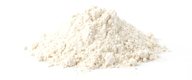 Plain flour
For coating, use the same weight. For thickening, use twice the weight and cook out for 2–3 minutes; it gives a softer, less glossy sauce.


 Peanut oil
Use 1:1 by weight. Handles high-heat frying identically and introduces a very subtle, pleasant nuttiness.
 Ghee
Use 1:1 by weight. Yields a much richer, authentic aroma and a glossy, heavier mouthfeel.
 Mustard oil
Use 1:1 by weight. Heat until smoking, then cool slightly before cooking to temper its intensely pungent, sharp mustard kick.


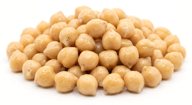
- Dried chickpea
Use 40–45% of the weight (100 g dried for 240 g drained tinned), soak overnight with a pinch of bicarbonate of soda, then boil 45–60 minutes until soft.
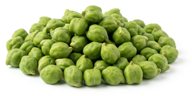 Green chickpea
Same weight, fresh or frozen; boil 10–15 minutes, they stay firmer and sweeter and need a little more salt.


 Mustard seeds
Use equal weight. Pop in hot fat until they crackle and turn greyish; yields an almost identical nutty, pungent finish.
 Yellow mustard seeds
Use equal weight. Fry over medium heat; delivers a milder, sweeter pop and turns bitter quickly if the oil is excessively hot.


 Garlic powder
Use double the weight. Stir into hot oil just before adding wet ingredients; mimics the allium savoury background without the sulphurous edge.
 Garlic paste
Use 2 g for every 0.5 g of asafoetida. Sauté in oil until the raw smell clears; adds moisture and sweet allium depth.






 Bay leaf
Fry 1 bay leaf for every 5 curry leaves in hot oil; imparts a warm, woodsy background note, but misses the citrus-sulphury punch entirely.
- Lime juice
Add a small squeeze (about 5 ml per sprig of curry leaves) right before serving; provides sharp citrus top notes without the toasty, herbal aroma.


 Tomato purée
Use 40% to 50% of the fresh tomato weight mixed with a splash of water. Imparts a deeper red colour, thicker sauce, and slightly sweeter cooked flavour.
 Plain yogurt
Use 60% of the weight, whisked smooth and added on low heat. Provides rich body and sourness, though the gravy becomes paler and creamier.


- Ground ginger
Use 50% of the weight. Mimics turmeric's warm, earthy, rhizome background, but provides none of the golden-yellow colour.
 Saffron
Steep a tiny pinch (0.1 g per 2 g turmeric) in 2 tbsp warm water; use to match the rich golden hue. Contributes an aristocratic, honeyed floral flavour rather than earthy bitterness.


 Kashmiri chilli powder
Use the same weight; this is the first half of the book's option and gives the best red colour with mild heat.
 Mild paprika
Use the same weight; add a pinch of cayenne pepper for warmth. Slightly less colour.
- Paprika
Use the same weight and add cayenne pepper to taste; works but is less aromatic.


 Tamarind pulp
Use 120–150% of the weight and strain; pulp is less concentrated, so simmer a little longer to thicken.
 Tamarind extract
Use 150–200% of the weight and reduce gently; extract is already diluted.
- Lime juice
Use 60–70% of the weight with a pinch of jaggery; sharper, so add near the end off the heat.


 Ground cumin
Use 50% of the weight mixed with equal parts ground coriander and a pinch of ground cinnamon, ground cloves, and ground green cardamom. Sprinkle near the end for a warming finish.
 Lentil stew spice mix
Use 75% of the weight. Simmer briefly in the gravy; imparts roasted warmth and complexity, though it adds a slight tang and earthy lentil undertone.


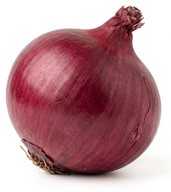
- Onion
Use the same weight; cook a little longer. Milder and less sweet when raw.
 Shallot
Use the same weight; sweeter and softer, so reduce cooking time slightly.
 Spring onion
Use only the white parts, weight for weight, for raw or quick-cooked dishes; green parts are too grassy for long cooking.


 Lime
Use the same weight or juice amount; sharper, so taste before adding all the juice.
- Lemon juice
Use about 45–50 ml for 1 lemon; add off the heat to keep the freshness.
 Dried mango powder
Use 1 tsp for the juice of 1 lemon; add early. Sourness is flatter and less fresh.


 Mint chutney
Use the same weight; more minty and less coriander.
 Tamarind and coriander chutney
Use the same weight; more sour, so adjust salt.
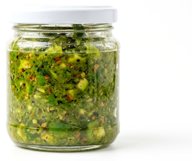 Raw green mango chutney
Use the same weight; sharper and sourer.


- Tamarind paste
Dilute with water to chutney consistency, then add jaggery or sugar and salt. Use the same weight of paste as chutney, then adjust.
- Tamarind extract
Use the same weight, sweeten with jaggery or sugar and add salt. Slightly more concentrated, so taste as you go.
 Date and tamarind chutney
Use the same weight; sweeter and thicker. Add lime juice or a little tamarind paste if too sweet.


- Plain yogurt
Use 100% of the weight. Whisk thoroughly until smooth before stirring into warm gravies to prevent curdling.
 Single cream
Use 90% of the weight combined with 10% lemon juice to replicate the lactic tang and rich body in marinades and curries.
Similar dishes

- Same: Batata Vada shares potato, green chilli, curry leaf, turmeric, asafoetida, lemon juice, coriander, salt and vegetable oil with this dish.
- Different: Batata Vada is deep-fried in a chickpea-flour batter and uses cumin seed and garlic, while this dish makes bread-and-cornflour potato cakes and serves them over a chickpea stew with tamarind, mustard seed, tomato, garam masala and yogurt.
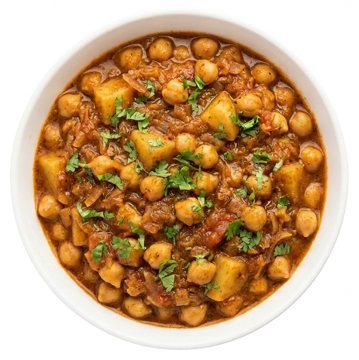
- Same: Channa Masala shares chickpeas, potato, onion, tomato, ginger, turmeric, chilli powder, coriander and oil with this dish.
- Different: It uses ghee or oil plus garlic, cumin and ground coriander, but lacks this dish’s bread, cornflour, mustard seed, asafoetida, curry leaf, tamarind, sugar, lemon, yogurt and chutneys, and it is a simmered curry rather than fried potato cakes with toppings.

- Same: Sindhi Kadhi shares tamarind, potato, turmeric, Kashmiri chilli, curry leaf, asafoetida and vegetable oil with this dish, and both use a chickpea element.
- Different: It is a soupy chickpea-flour curry with okra, cumin, fenugreek, ginger and jaggery, while this dish is potato cakes with a canned-chickpea stew, bread, cornflour, mustard seed, tomato, lemon, yogurt and chutneys.

- Same: Ghashhi and this dish both use chickpeas, potato, turmeric, curry leaves, mustard seeds, asafoetida, vegetable oil and tamarind as the souring agent.
- Different: Ghashhi is a simmered curry with dried chickpeas, fresh coconut, dried red chillies and coriander seeds, while this dish is a snack of crisp bread-bound potato cakes over a canned-chickpea stew with tomato, garam masala, lemon, yogurt and chutneys.