Indian cooking
Indian cooking / Dishes / Poha Pulao
Poha Pulao (Pressed Rice with Vegetables)

Poha Pulao

Pressed Rice with Vegetables
Vegetarian●●●Origin MaharashtraPrep 25-35 minutes, plus soaking timeCook 15-20 minutes

A vibrant layered pilaf combining delicately tempered flattened rice with tender-crisp sautéed vegetables and soft paneer. It is mildly spiced, gently sweet, and lifted with fresh lemon juice and ginger.

rice spices

5 gFried in hot oil before folding in the flattened rice (step 2)
01
1.6 g½ teaspoon
spice
02
0.8 g¼ teaspoon
spice
03
1.3 g½ teaspoon
spice
04
1.3 g½ teaspoon
spice blend
Keep whole and ground spices combined; they are bloomed together in the hot oil.

Everything else

02
Pea · Matarshelled if fresh
100 g
vegetable
03
Vegetable oil · Telplus extra for stir-frying
14 g1 tablespoon
oil/fat
04
150 g
vegetable
05
Potato · Aloomedium-sized, cut into small pieces
300 g1 potato
vegetable
06
100 g
vegetable
07
120 g2 carrots
vegetable
08
Tomato · Tamatarmedium-sized, cut into quarters
240 g2 tomatoes
vegetable
09
Paneercut into small piecesMake it: Paneer →
50 g
dairy
10
4.2 g1 teaspoon
sweetener
11
15 g1 tablespoon
souring agent
12
12–18 g2–3 chillies
vegetable
13
Ginger · Adrakpeeled and grated
12 g1 piece
aromatic
14
to taste
salt
15
Coriander leaf · Hara Dhanialarge, chopped, to garnish
~1 g1 sprig
herb

Method

  1. Submerge 100 g pressed rice in a bowl of water for 10 minutes, drain thoroughly, and scatter gently across a tray to air-dry. In a separate small saucepan, simmer 100 g peas in water for 5 to 7 minutes until tender, then drain and reserve.
  2. Warm 13.5 g vegetable oil in a wide skillet over medium heat. Tip in the rice spices and sizzle for 1 minute until fragrant. Delicately fold in the dried pressed rice with a spatula, cover with a tight-fitting lid, lower the flame to minimum, and let it steam for 1 minute before removing from the heat.
  3. Heat an additional splash of vegetable oil in a second frying pan over medium-high heat. Introduce 150 g cauliflower florets and fry until lightly browned. Stir in 300 g potatoes, 100 g French beans, 2 carrots, and the reserved peas, stir-frying for about 5 minutes.
  4. Incorporate 240 g tomatoes into the vegetables and cook until their skins begin to blister and soften. Add 50 g paneer and cook for 2 to 3 minutes until warmed through.
  5. Stir in 4.2 g granulated sugar, 15.3 g lemon juice, 12–18 g green chillies, and 12 g ginger, then season to taste with salt.
  6. Transfer the spiced pressed rice and vegetable mixture into a warm serving dish in alternating layers, then scatter 1 g chopped coriander leaf over the top to serve.

Don't have something?

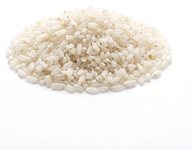
Pressed rice
  • Thick flattened rice

    Use the same weight; rinse in a sieve and soak 5–10 minutes until just soft. It is the same poha in a thicker grade, so texture is close.

  • Coarsely broken rice

    Use the same weight; soak 20–30 minutes and cook 5 minutes longer. Grains stay separate and less flaky.

  • Puffed rice

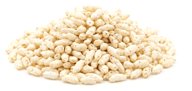
    Use the same weight only for dry snacks; it goes soggy if soaked. Not for poha-style dishes.

Pea
  • Green pea

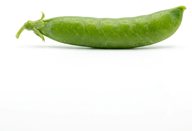
    Use equal weight directly from fresh or frozen. Toss into the pan near the end of cooking to preserve sweetness and bright green colour.

  • Chana dal

    Use 70% of the weight, boiled until tender but holding shape. Adds pleasant body and starch, though it lacks the juicy sweetness of fresh peas.

Vegetable oil
  • Peanut oil

    Use 1:1 by weight. Handles high-heat frying identically and introduces a very subtle, pleasant nuttiness.

  • Ghee

    Use 1:1 by weight. Yields a much richer, authentic aroma and a glossy, heavier mouthfeel.

  • Mustard oil

    Use 1:1 by weight. Heat until smoking, then cool slightly before cooking to temper its intensely pungent, sharp mustard kick.

Mustard seed
  • Black mustard seed

    Use the same weight. The seeds are smaller and hotter; fry in hot oil until they pop, about 20–30 seconds, and reduce the heat if they darken too fast. The dish will be a little sharper.

  • Yellow mustard seeds

    Use the same weight. They are milder and larger; fry a few seconds longer until they pop. The finished dish will have less pungency.

  • Ground mustard seed

    Use 70% of the weight of whole seed, added with the other ground spices rather than fried whole. You lose the popping texture and the heat comes through more evenly.

Ground turmeric
  • Ground ginger

    Use 50% of the weight. Mimics turmeric's warm, earthy, rhizome background, but provides none of the golden-yellow colour.

  • Saffron

    Steep a tiny pinch (0.1 g per 2 g turmeric) in 2 tbsp warm water; use to match the rich golden hue. Contributes an aristocratic, honeyed floral flavour rather than earthy bitterness.

Chilli powder
  • Red chilli powder

    Use 100% of the weight. Provides direct, sharp heat and red colour in equal measure.

  • Kashmiri chilli powder

    Use 150% to 200% of the weight if matching colour, but add a pinch of black pepper or hot chilli if you need equivalent fiery heat.

  • Cayenne pepper

    Use 75% to 100% of the weight. Offers a sharp, clean heat with slightly less earthy depth and less crimson colour.

Garam masala
  • Ground cumin

    Use 50% of the weight mixed with equal parts ground coriander and a pinch of ground cinnamon, ground cloves, and ground green cardamom. Sprinkle near the end for a warming finish.

  • Lentil stew spice mix

    Use 75% of the weight. Simmer briefly in the gravy; imparts roasted warmth and complexity, though it adds a slight tang and earthy lentil undertone.

Cauliflower
  • Broccoli

    Use the same weight; cut into similar florets and cook 2–3 minutes less. It is greener and slightly stronger in flavour.

  • Cauliflower floret

    Use the same weight and break into even florets. This is essentially the same vegetable, so cooking and flavour change little.

  • Cabbage

    Use the same weight; cut into wedges and cook 3–5 minutes less. It becomes much softer and sweeter, so the dish loses cauliflower's bite.

Potato
  • Eggplant

    Use equal weight. Cut into large chunks; cooks down much faster (10-12 minutes) and softens into the sauce rather than staying starchy and firm.

  • Paneer

    Use 80% of the weight. Cube and add in the last 5-10 minutes of cooking; adds rich dairy protein instead of starchy bulk.

  • Dried chickpea

    Use 45% dry weight. Soak overnight and boil until fully soft before stirring into the sauce to simmer for 10 minutes.

French green bean
  • Green bean

    Use the same weight, top and tail, and cook the same way. Closest match.

  • French bean

    Use the same weight and trim; cooking time is the same.

  • Cluster bean

    Use the same weight, cut into similar lengths, and cook 2 minutes longer until tender.

Carrot
  • Turnip

    Use the same weight; peel and cut as for carrot. It is less sweet and slightly peppery, so add a pinch of sugar and expect a softer, more earthy result.

  • Potato

    Use the same weight; cut into similar pieces and add 5–10 minutes' extra cooking. It gives bulk but no carrot sweetness or colour.

  • Courgette

    Use the same weight; cut a little larger and add near the end. It releases water, so reduce other liquid slightly and expect a softer texture.

Tomato
  • Tomato purée

    Use 40% to 50% of the fresh tomato weight mixed with a splash of water. Imparts a deeper red colour, thicker sauce, and slightly sweeter cooked flavour.

  • Plain yogurt

    Use 60% of the weight, whisked smooth and added on low heat. Provides rich body and sourness, though the gravy becomes paler and creamier.

Paneer
  • Extra-firm tofu

    Use equal weight, pressed well to remove excess moisture and cut into cubes. Pan-fry lightly before adding; absorbs sauces similarly, though it lacks dairy sweetness.

  • Halloumi

    Use equal weight, soaked in warm water for 20 minutes to leach out excess salt. Holds shape during frying, but has a denser, saltier chew.


Granulated sugar
  • Jaggery

    Use equal weight; grate or shave finely so it dissolves rapidly, giving a warm, caramel-like sweetness and slightly darker sauce.

Lemon juice
  • Lime juice

    Use equal volume or weight; delivers almost identical sharp acidity with a faintly more aromatic, bitter-edged profile.

  • Dried mango powder

    Use 25% of the weight (about 1 g amchoor for 4 g juice); provides clean fruity tartness without thinning the sauce.

  • White vinegar

    Use 75% of the volume; gives direct sourness without any citrus floral fragrance.

Green chilli
  • Chilli powder

    Use 10 to 15% of the weight (about 1/4 teaspoon per chilli); imparts dry pungent heat and reddens the dish without the grassy crunch.

  • Dried red chilli

    Use 1 dried pod per fresh green chilli; snap in half and temper in hot oil for a deeper, toastier heat.

Ginger
  • Fresh ginger

    Use equal weight; scrape off the skin and grate or finely julienne according to the recipe.

  • Ginger paste

    Use equal weight; stir straight into the sizzling aromatics, taking care as the extra moisture may spit.

  • Ground ginger

    Use 15 to 20% of the weight; add alongside ground spices, noting it imparts warm, dry heat rather than zesty freshness.

Coriander leaf
  • Coriander

    Use equal weight finely chopped; this is the exact same fresh herb.

  • Mint

    Use half the weight finely chopped; provides vibrant green freshness, though the flavour profile becomes noticeably cooler and sharper.

Similar dishes

Aloo Matar Sookhe
Potatoes with Peas
Aloo Matar Sookhe is purely earthy and savoury, lacking the sweet, tangy, and warmly spiced flavours of this dish.
  • Same: Both dishes combine potatoes, green peas, and tomatoes cooked with mustard seeds, green chillies, turmeric, and fresh coriander.
  • Different: Aloo Matar Sookhe is a potato-centric dry curry seasoned with cumin seeds, omitting the flattened rice, paneer, ginger, chilli powder, garam masala, sugar, and lemon juice found in this dish.
Subz Khara Masala
Mixed Vegetables with Whole Spices
Subz Khara Masala is richer, punchier, and tangier from yogurt and garlic, missing the mild sweetness, lemon freshness, and warming garam masala profile of this dish.
  • Same: Subz Khara Masala shares potatoes, peas, and tomatoes with this dish, as well as ginger, green chillies, turmeric, and chilli powder.
  • Different: Subz Khara Masala simmers the vegetables into a sauce using plain yogurt, garlic paste, dried red chillies, and peanut oil, lacking the flattened rice, paneer, mustard seeds, garam masala, sugar, and lemon juice used here.
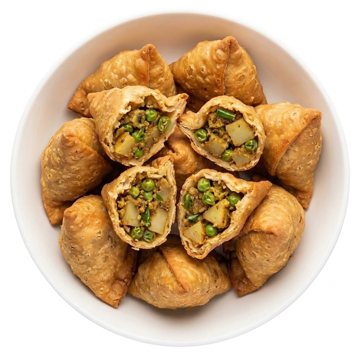
Samosa
Samosas
Samosa is richer, crunchier, and hotter from higher levels of ginger and chillies, lacking the sweet-tart profile provided by this dish's sugar and lemon juice.
  • Same: Both dishes rely on a base of potatoes and peas seasoned with ginger, green chillies, turmeric, and chilli powder.
  • Different: Samosa wraps its spiced filling in deep-fried pastry enriched with ghee, omitting this dish's pressed rice, paneer, tomatoes, lemon juice, sugar, and mustard seeds.
Aloo Tikki Awadhi
Potato & Pea Patties
It tastes spicier and tangier from chaat masala and extra chillies, lacking the mild sweetness and fresh lemon acidity of this dish.
  • Same: Aloo Tikki Awadhi shares potatoes, green peas, ginger, green chillies, garam masala, and chilli powder with this dish.
  • Different: Instead of being sautéed as a loose pilaf with pressed rice, paneer, tomatoes, and mustard seeds, it is shaped into griddled patties seasoned with cumin and chaat masala.