
Subz Khara Masala
A vibrant medley of mixed vegetables cooked with yogurt, fresh herbs, and fragrant spices. The sauce simmers down until rich and clinging, giving the tender vegetables a lightly spiced, tangy finish.
Ginger and garlic paste
52 gFried in the hot oil (step 1)Ground spices
4.1 gStirred into the vegetables (step 3)Dried chillies
4 gAdded with the tomatoes and fresh herbs (step 4)Everything else

Method
- Warm 137 g peanut oil in a large, heavy-bottomed pan set over medium heat, then stir-fry the ginger and garlic paste for roughly 30 seconds.
- Add 100 g trimmed and chopped spring onions and cook for 1 minute.
- Tumble in 100 g prepared green beans, 100 g peas, 100 g diced carrots, 150 g cubed potatoes, and 250 g cauliflower florets. Stir-fry for 1 minute, then add the ground spices and stir thoroughly to coat.
- Toss in 100 g tomatoes, 24 g chopped green chillies, 20 g chopped coriander leaf, and the dried chillies, stir-frying everything for 1 minute.
- Gradually stir in 254 g whisked plain yogurt, then mix in 4 tablespoons chopped fenugreek leaves.
- Pour in 375 ml water and bring the pan close to a boil. Turn the heat down to low and simmer for around 15 minutes until the vegetables are completely tender and the excess liquid has cooked off. Season to taste with salt before serving.
Don't have something?


 Vegetable oil
Use equal weight. Offers a similar neutral base and high smoke point, ideal for deep-frying and high-heat tadkas.
 Mustard oil
Use equal weight, but heat to smoking point and cool slightly before using. Adds a sharp, pungent flavour that alters the dish significantly.


 Fresh ginger
Use equal weight; peel and grate very finely on a microplane or pound to a fine paste in a mortar.
 Ginger
Use equal weight; mince finely and crush with the flat of a knife before frying.
 Ground ginger
Use 20% of the weight; add directly with the dry spice powders, though it yields an earthier, less pungent profile.


 Garlic
Use equal weight; crush or finely grate to a smooth pulp to replicate the same fresh, pungent moisture in your base gravy.
 Garlic powder
Use 20 to 25% of the weight; mix with a teaspoon of water before adding to oil so it does not burn, noting it lacks the fresh bite.


 Spring onion green
Use the same weight; use only the green parts, so the dish loses some of the white onion base.
 Onion
Use 60% of the weight, finely sliced; stronger and sharper, so cook it down more.
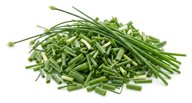 Chive
Use the same weight; milder and best added late or as a garnish, not as a cooked base.


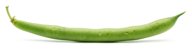 Green bean
Use the same weight, top and tail, and cook the same way. Closest match.
 French bean
Use the same weight and trim; cooking time is the same.
 Cluster bean
Use the same weight, cut into similar lengths, and cook 2 minutes longer until tender.

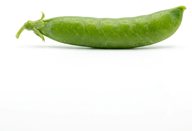


 Turnip
Use the same weight; peel and cut as for carrot. It is less sweet and slightly peppery, so add a pinch of sugar and expect a softer, more earthy result.
 Potato
Use the same weight; cut into similar pieces and add 5–10 minutes' extra cooking. It gives bulk but no carrot sweetness or colour.
 Courgette
Use the same weight; cut a little larger and add near the end. It releases water, so reduce other liquid slightly and expect a softer texture.


 Eggplant
Use equal weight. Cut into large chunks; cooks down much faster (10-12 minutes) and softens into the sauce rather than staying starchy and firm.
 Paneer
Use 80% of the weight. Cube and add in the last 5-10 minutes of cooking; adds rich dairy protein instead of starchy bulk.
 Dried chickpea
Use 45% dry weight. Soak overnight and boil until fully soft before stirring into the sauce to simmer for 10 minutes.


 Broccoli
Use the same weight; cut into similar florets and cook 2–3 minutes less. It is greener and slightly stronger in flavour.
 Cauliflower floret
Use the same weight and break into even florets. This is essentially the same vegetable, so cooking and flavour change little.
 Cabbage
Use the same weight; cut into wedges and cook 3–5 minutes less. It becomes much softer and sweeter, so the dish loses cauliflower's bite.


- Ground ginger
Use 50% of the weight. Mimics turmeric's warm, earthy, rhizome background, but provides none of the golden-yellow colour.
 Saffron
Steep a tiny pinch (0.1 g per 2 g turmeric) in 2 tbsp warm water; use to match the rich golden hue. Contributes an aristocratic, honeyed floral flavour rather than earthy bitterness.


 Red chilli powder
Use 100% of the weight. Provides direct, sharp heat and red colour in equal measure.
 Kashmiri chilli powder
Use 150% to 200% of the weight if matching colour, but add a pinch of black pepper or hot chilli if you need equivalent fiery heat.
 Cayenne pepper
Use 75% to 100% of the weight. Offers a sharp, clean heat with slightly less earthy depth and less crimson colour.


 Tomato purée
Use 40% to 50% of the fresh tomato weight mixed with a splash of water. Imparts a deeper red colour, thicker sauce, and slightly sweeter cooked flavour.
 Plain yogurt
Use 60% of the weight, whisked smooth and added on low heat. Provides rich body and sourness, though the gravy becomes paler and creamier.


- Chilli powder
Use 10 to 15% of the weight (about 1/4 teaspoon per chilli); imparts dry pungent heat and reddens the dish without the grassy crunch.
 Dried red chilli
Use 1 dried pod per fresh green chilli; snap in half and temper in hot oil for a deeper, toastier heat.

 Dried kashmiri chilli
Use equal weight whole. Fry in hot oil or ghee as tempered spice; gives a richer red colour with slightly milder heat.
- Red chilli powder
Use 50% to 70% of the weight. Stir into the oil with ground spices; distributes heat evenly throughout the dish without whole chilli skins.


 Yogurt
Use equal weight, whisked thoroughly until smooth before adding to hot dishes to prevent curdling.
 Coconut milk
Use equal weight with 1 teaspoon lemon juice mixed in. Provides rich creaminess in curries, but adds a noticeable coconut flavour.
 Single cream
Use 80% of the weight plus a squeeze of lemon juice for acidity. Enriches sauces nicely, though it is richer and less tangy.


 Dried fenugreek leaf
Use 10% of the fresh weight, rub between the palms or soak in warm water for 5 minutes. More hay-like and less fresh-bitter; add near the end.
 Spinach
Use the same weight, chop and wilt. Gives leafy body but none of methi's bitter aroma; adjust salt and add a pinch of sugar.
 Fenugreek shoots
Use the same weight, chop finely and discard any tough stems. Milder and more tender; cook 2–3 minutes less.


Similar dishes

- Same: Aloo Matar ka Achar shares potatoes, ginger and garlic pastes, turmeric, and chilli powder with this dish.
- Different: Aloo Matar ka Achar is a preserved pickle made with mustard oil, mustard powder, and vinegar, omitting this dish's yogurt, tomatoes, fresh coriander, and peanut oil.
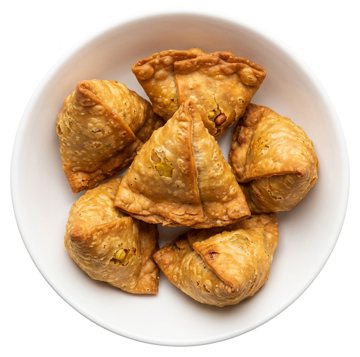
- Same: Singhara shares potatoes, peas, ginger, garlic, turmeric, and chilli powder with this dish.
- Different: Rather than simmering vegetables in a sauce of yogurt, tomatoes, and peanut oil, Singhara wraps its spiced potato and onion filling inside a deep-fried pastry crust seasoned with ground cumin and coriander.

- Same: Aloo Matar Sookhe also features potatoes and peas cooked with tomatoes, green chillies, and turmeric.
- Different: It is a dry stir-fry tempered with mustard and cumin seeds in ghee or oil, omitting the yogurt, ginger paste, garlic paste, and dried red chillies used in this dish.
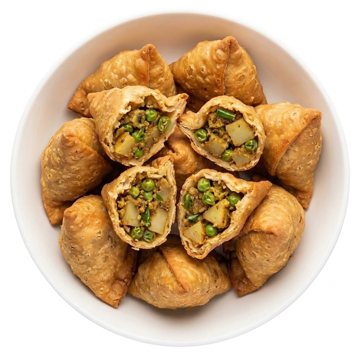
- Same: Samosa shares a base of potatoes and peas seasoned with ginger, green chillies, turmeric, chilli powder, and coriander leaves.
- Different: Samosa encloses its spiced filling in deep-fried pastry made with ghee and vegetable oil, omitting the garlic, dried red chillies, and the simmered yogurt and tomato sauce used in this dish.