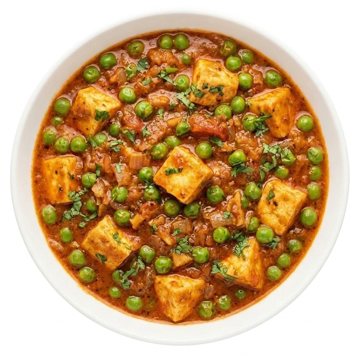
Malai kofta is a dish of soft potato-and-paneer dumplings with raisins, fried and then briefly warmed in a mild tomato-cashew curry. The gravy is gently sweet, tangy and aromatic rather than sharply hot.
Soak 90 g cashew nuts in warm water for 30 minutes; drain, reserving a little soaking water.
Blend the drained cashew nuts with 2–3 tbsp of the reserved water until smooth; set aside.
Blend 18 g garlic, 5 g ginger root and the roughly chopped chilli from 4 g green bird's-eye chilli with a splash of water until smooth; set aside.
Blend 150 g white onion with a splash of water until smooth; set aside.
Blend 200 g tomato to a fine purée; set aside.
Mash 300 g boiled, grated potato in a large bowl.
Add 200 g paneer, 5 g ginger root, 2 g green bird's-eye chilli, 0.3 g salt, 2 g coriander leaf, 8.1 g cornstarch and 18 g raisins, plus the kofta spices. Knead lightly to a smooth dough; cover until ready to fry.
Heat 40.5 g vegetable oil in a heavy saucepan over medium heat.
Add the whole spices for the gravy and fry for a few seconds.
Add the slit green bird's-eye chilli from the measured 4 g and the onion paste; fry for 5 minutes, stirring.
Add the garlic-ginger-chilli paste; fry for 2 minutes, stirring.
Add 31.2 g tomato purée and the blended tomato; mix and cook for 6–7 minutes, until reduced and deeper in colour.
Stir in the gravy chilli powder and the cashew paste; cook for 2 minutes.
Lower the heat, add 199 g water and simmer for 2–3 minutes.
Add 4.2 g sugar, the finishing spices for the gravy and salt to taste; stir, turn off the heat and cover.
Heat extra vegetable oil in a kadhai over medium-high heat until a bread cube sizzles and browns in about 30 seconds.
Divide the kofta mixture into 16 equal portions and roll each into a cylinder.
Fry the koftas in batches of 2–3 for 3–4 minutes, until crisp and golden; drain on paper towels.
Put the warm gravy in a serving dish. Add the fried koftas just before serving so they heat through but stay whole. Scatter coriander to taste.
Use equal weight, pressed well to remove excess moisture and cut into cubes. Pan-fry lightly before adding; absorbs sauces similarly, though it lacks dairy sweetness.
Halloumi
Use equal weight, soaked in warm water for 20 minutes to leach out excess salt. Holds shape during frying, but has a denser, saltier chew.
Steep a tiny pinch (0.1 g per 2 g turmeric) in 2 tbsp warm water; use to match the rich golden hue. Contributes an aristocratic, honeyed floral flavour rather than earthy bitterness.
Use 50% of the weight mixed with equal parts ground coriander and a pinch of ground cinnamon, ground cloves, and ground green cardamom. Sprinkle near the end for a warming finish.
Use 20% to 25% of the weight (1 g for every 4 to 5 g fresh). Stir into the gravy; adds peppery heat and warmth, though it misses the crisp, zesty kick of raw root.
Whisk equal weight thoroughly with cold water before stirring into hot sauce; thickens well, but imparts an earthy, nutty taste and pale golden colour.
Use 15% to 20% of the weight (about 1 g for every 5 to 6 g fresh cloves). Whisk into sauces; gives a savoury, toasted garlic flavour without raw pungency.
Use 40% to 50% of the fresh tomato weight mixed with a splash of water. Imparts a deeper red colour, thicker sauce, and slightly sweeter cooked flavour.
Use 1 g ground for 4 g whole (or 1 small pinch per 2 to 3 whole cloves). Add with spice powders; disperses intense warmth quickly, so use with restraint.
Allspice berries
Use 100% of the weight whole in tempering. Imparts a warm, clove-like aromatic profile combined with hints of nutmeg and cinnamon.
Use about a third of the weight (0.5 g ground for a 2.5 cm piece), stirred in with the ground spices rather than fried whole, since the powder burns quickly.



 Eggplant
 Paneer
 Dried chickpea


 Extra-firm tofu
 Halloumi


 Ground ginger
 Saffron


 Cardamom seed
 Green cardamom pod seed
 Ground green cardamom


 Ground cumin
 Lentil stew spice mix


 Ginger paste


 Green chilli
 Fresh green chilli


 Chickpea flour


 Dried plum
 Cashew nut
 Jaggery


 Almond
 Poppy seed
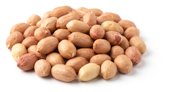 Shelled peanut



 Garlic paste
 Garlic powder
 Shallot


 Brown onion
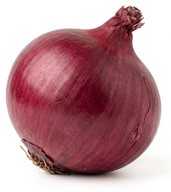 Red onion


 Tomato purée
 Plain yogurt


 Peanut oil
 Ghee
 Mustard oil


 Ground cloves
 Allspice berries
 Black cardamom pod


 Ceylon cinnamon
 Ground cinnamon (cassia)
 Cassia buds


 Dried kashmiri chilli
 Red chilli powder
 Chilli powder


 Stock
 Milk
 Coconut water


 Ground dried mango powder
 Dried mango powder
 Lemon juice


 Mint