Indian cooking
Indian cooking / Dishes / Malai Kofte
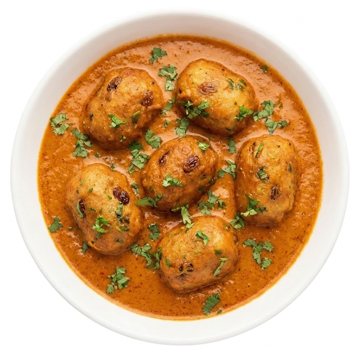
Malai Kofte (Vegetable Dumplings in Spiced Tomato Curry)

Malai Kofte

Vegetable Dumplings in Spiced Tomato Curry
VegetarianMakes 12-14 koftas

Malai kofte are soft potato-and-paneer dumplings, fried until browned and served in a thick tomato-cashew gravy. The curry is rich, mildly spiced and gently sweet.

Turmeric for the kofta

1.5 gMixed into the kofta dough (step 4)
01
1.5 g½ teaspoon
spice
Add straight to the potato mixture; no grinding needed.

Whole spices for the gravy

1.7 gFried in the oil at the start of the gravy (step 7)
01
0.4 g6 cloves
spice
02
1.3 g2½ cm
spice
Keep whole; fry them together in the hot oil.

Kashmiri chilli powder for the gravy

1.2 gStirred in after the tomato base has cooked down (step 9)
Add straight to the pan; no grinding needed.

Garam masala to finish

1.3 gStirred in near the end of the gravy (step 10)
01
1.3 g½ teaspoon
spice blend
Add straight to the pan; no grinding needed.

Everything else

01
900–1200 g3–4 potatoes
vegetable
02
Paneerfinely grated
190 g
dairy
03
10 g2½ cm
aromatic
04
1.5 g1 chilli
vegetable
05
1.5 g1 tablespoon
herb
06
8 g3 teaspoons
flour
07
9 g1 tablespoon
fruit
08
to taste
oil/fat
09
30 g
nut/seed
10
50 g50 ml
liquid
11
24 g8 cloves
aromatic
12
Fresh ginger · Adrakroughly chopped
10 g2½ cm
aromatic
13
3 g2 chillies
vegetable
14
Onion · Pyazroughly chopped
150 g1 onion
vegetable
15
Tomato · Tamatarroughly chopped
240 g2 tomatoes
vegetable
16
27 g2 tablespoons
oil/fat
17
31 g2 tablespoons
vegetable
18
2.1 g½ teaspoon
sweetener
19
to taste
salt
20
to taste
herb

Method

  1. Soak 30 g cashew nut in 49.7 g warm water for 10–15 minutes until soft.
  2. Blend 24 g garlic, 10 g fresh ginger and a little water to a smooth paste; set aside.
  3. Grate 900–1200 g boiled potato coarsely and mash until smooth in a large bowl.
  4. Add 190 g paneer, 10 g fresh ginger, 2 g green bird’s eye chilli, 1.5 g coriander leaves, 8.1 g cornflour, 9 g raisin and the turmeric for the kofta; mix and knead to a dough. Cover until needed.
  5. Blend 150 g onion with 30–40 ml water to a fine paste; transfer to a bowl. Blend 240 g tomato to a smooth pulp and keep separately.
  6. Drain the cashew nut, reserving the liquid. Blend the cashew nut with a few teaspoons of the soaking liquid to a paste.
  7. Heat 27 g vegetable oil in a heavy saucepan over medium heat. Add the whole spices for the gravy and fry for 1 minute. Add 4 g green bird’s eye chilli, slit lengthways, and the onion paste; cook for 4 minutes, stirring. Add the garlic-ginger paste and cook for 1–2 minutes.
  8. Add the tomato pulp and 31.2 g tomato purée; mix and cook for 6–7 minutes, until reduced and deeper red.
  9. Stir in the Kashmiri chilli powder for the gravy and the cashew paste; cook for 2 minutes on low heat. Add 200 ml water and simmer for 2–3 minutes.
  10. Add 2.1 g granulated sugar and the garam masala to finish; season with salt and stir in coriander leaves to taste. Remove from the heat and cover.
  11. Divide the kofta mixture into 12–14 portions. Roll each portion into a firm cylinder, kneading and shaping well.
  12. Heat oil for deep-frying to 170°C (338°F). Fry the koftas in batches of 2–3 until well browned. Drain on kitchen paper.
  13. Serve the koftas with the gravy.

Don't have something?

Potato
  • Eggplant

    Use equal weight. Cut into large chunks; cooks down much faster (10-12 minutes) and softens into the sauce rather than staying starchy and firm.

  • Paneer

    Use 80% of the weight. Cube and add in the last 5-10 minutes of cooking; adds rich dairy protein instead of starchy bulk.

  • Dried chickpea

    Use 45% dry weight. Soak overnight and boil until fully soft before stirring into the sauce to simmer for 10 minutes.

Paneer
  • Extra-firm tofu

    Use equal weight, pressed well to remove excess moisture and cut into cubes. Pan-fry lightly before adding; absorbs sauces similarly, though it lacks dairy sweetness.

  • Halloumi

    Use equal weight, soaked in warm water for 20 minutes to leach out excess salt. Holds shape during frying, but has a denser, saltier chew.

Ground turmeric
  • Ground ginger

    Use 50% of the weight. Mimics turmeric's warm, earthy, rhizome background, but provides none of the golden-yellow colour.

  • Saffron

    Steep a tiny pinch (0.1 g per 2 g turmeric) in 2 tbsp warm water; use to match the rich golden hue. Contributes an aristocratic, honeyed floral flavour rather than earthy bitterness.

Fresh ginger
  • Ginger paste

    Use equal weight. Sauté in hot fat until the raw allium smell disappears; slightly wetter, but provides identical warmth and pungency.

  • Ground ginger

    Use 20% to 25% of the weight (1 g for every 4 to 5 g fresh). Stir into the gravy; adds peppery heat and warmth, though it misses the crisp, zesty kick of raw root.

Green bird's eye chilli
  • Bird's eye green chilli

    Use the same weight; heat and flavour are very close.

  • Green chilli

    Use 1.5 to 2 times the weight; deseed for less heat. Larger chillies are more watery.

  • Fresh green chilli

    Use 1.5 to 2 times the weight; chop finely and adjust heat by tasting.

Coriander leaves
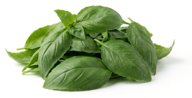
  • Coriander (cilantro) or basil

    Use the same weight, choosing the coriander element if available. If only basil is available, expect a sweeter, more aniseed flavour.

  • Basil leaves

    Use the same weight. Basil is sweeter and more aromatic in a different way; add near the end so it keeps its perfume.

  • Coriander paste

    Use 1.5 times the weight and reduce other liquid slightly; it is less fresh and more concentrated, so taste before adding more.

Cornflour
  • Cornstarch

    Use the same weight. It is the same ingredient under another name and thickens or crisps in the same way.

  • Rice flour

    For coating and frying, use the same weight; it gives a crisper, slightly gritty crust. For thickening, use 1.5 times the weight and simmer a little longer.

  • Plain flour

    For coating, use the same weight. For thickening, use twice the weight and cook out for 2–3 minutes; it gives a softer, less glossy sauce.

Raisin
  • Dried plum

    Use equal weight, pitted and finely chopped. Lends a deeper, slightly more tart sweetness to curries and rice dishes.

  • Cashew nut

    Use equal weight. Fry lightly in ghee until golden; substitutes the burst of sweetness with a rich, buttery crunch.

  • Jaggery

    Use 30% of the weight, finely grated. Dissolve straight into the sauce to match the intended sweetness, though without the fruity chew.

Oil
  • Vegetable oil

    Use the same weight. It is neutral and behaves the same in frying and tempering; no noticeable change in flavour.

  • Corn or vegetable oil

    Use the same weight. Neutral and good for high heat; the dish will taste virtually the same.

  • Groundnut oil

    Use the same weight. It has a mild nutty flavour and is good for Indian cooking; heat until just hot, not smoking, so the nuttiness does not dominate.

Cashew nut
  • Almond

    Use 100% of the weight. Soak in boiling water and slip off skins before frying or grinding; gives a lighter, slightly less sweet richness to curries.

  • Poppy seed

    Use 60% of the weight for gravies. Soak in warm water and grind into a fine paste to thicken royal kormas without adding heavy oiliness.

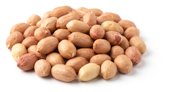
  • Shelled peanut

    Use 100% of the weight. Roast, skin, and grind; creates a thicker, earthier texture typical of Maharashtrian and western Indian curries.

Water
  • Stock

    Use the same weight in savoury dishes; it adds body, so adjust salt.

  • Milk

    Use the same weight only in doughs or creamy dishes; it makes the result richer.

  • Coconut water

    Use the same weight in curries or rice; it adds sweetness and a faint coconut taste.

Garlic
  • Garlic paste

    Use equal weight. Fry gently in oil or ghee with the ginger; incorporates smoothly into curries without visible minced bits.

  • Garlic powder

    Use 15% to 20% of the weight (about 1 g for every 5 to 6 g fresh cloves). Whisk into sauces; gives a savoury, toasted garlic flavour without raw pungency.

  • Shallot

    Use 1.5 times the weight, very finely minced. Sauté until golden; provides savoury allium sweetness, though it lacks garlic's pungent sulphur bite.

Onion
  • Shallot

    Use equal weight, finely sliced. Shallots soften and brown faster, giving a slightly sweeter and more delicate base to curries.

  • Cabbage

    Use 80% of the weight, finely shredded and browned slowly with a pinch of asafoetida. Replicates the bulk and natural sweetness in gravies without allium.

Tomato
  • Tomato purée

    Use 40% to 50% of the fresh tomato weight mixed with a splash of water. Imparts a deeper red colour, thicker sauce, and slightly sweeter cooked flavour.

  • Plain yogurt

    Use 60% of the weight, whisked smooth and added on low heat. Provides rich body and sourness, though the gravy becomes paler and creamier.

Vegetable oil
  • Peanut oil

    Use 1:1 by weight. Handles high-heat frying identically and introduces a very subtle, pleasant nuttiness.

  • Ghee

    Use 1:1 by weight. Yields a much richer, authentic aroma and a glossy, heavier mouthfeel.

  • Mustard oil

    Use 1:1 by weight. Heat until smoking, then cool slightly before cooking to temper its intensely pungent, sharp mustard kick.

Clove
  • Ground cloves

    Use 1 g ground for 4 g whole (or 1 small pinch per 2 to 3 whole cloves). Add with spice powders; disperses intense warmth quickly, so use with restraint.

  • Allspice berries

    Use 100% of the weight whole in tempering. Imparts a warm, clove-like aromatic profile combined with hints of nutmeg and cinnamon.

  • Black cardamom pod

    Use 1 pod for 3 to 4 cloves in whole tempering. Shares a camphor-like warmth and medicinal depth, though it introduces a distinct smoky undertone.

Cassia bark
  • Ceylon cinnamon

    True cinnamon: thinner, papery quills, milder and sweeter. Use about 1.5 times the weight, and taste.

  • Ground cinnamon (cassia)

    Use about a third of the weight (0.5 g ground for a 2.5 cm piece), stirred in with the ground spices rather than fried whole, since the powder burns quickly.

  • Cassia buds

    Use 60-70% of the weight; stronger and more peppery, so taste before adding more.

Tomato purée
  • Tomato

    Use 200% to 250% of the weight. Finely grate or blend fresh tomatoes, then cook them down until the moisture evaporates and the oil separates.

Kashmiri chilli powder or mild paprika
  • Kashmiri chilli powder

    Use the same weight; this is the first half of the book's option and gives the best red colour with mild heat.

  • Mild paprika

    Use the same weight; add a pinch of cayenne pepper for warmth. Slightly less colour.

  • Paprika

    Use the same weight and add cayenne pepper to taste; works but is less aromatic.

Granulated sugar
  • Jaggery

    Use equal weight; grate or shave finely so it dissolves rapidly, giving a warm, caramel-like sweetness and slightly darker sauce.

Garam masala
  • Ground cumin

    Use 50% of the weight mixed with equal parts ground coriander and a pinch of ground cinnamon, ground cloves, and ground green cardamom. Sprinkle near the end for a warming finish.


  • Lentil stew spice mix

    Use 75% of the weight. Simmer briefly in the gravy; imparts roasted warmth and complexity, though it adds a slight tang and earthy lentil undertone.

Similar dishes

Malai Kofta (Thali)
Paneer Koftas in a Creamy Spiced Tomato Curry
Malai Kofta tastes tangier and more aromatic than this dish, with a nuttier cashew gravy and a lighter potato flavor.
  • Same: Malai Kofta shares potato-and-paneer dumplings with raisins, cornflour/cornstarch, frying, and a tomato-cashew gravy flavored with onion, garlic, ginger, green chilli, clove, Kashmiri chilli, garam masala, sugar, and coriander.
  • Different: Malai Kofta uses more paneer and less potato, more cashew and raisin, more water and oil, and less tomato, and it adds ground cardamom and dried mango powder while using cinnamon stick instead of cassia bark.
Bharwan Aloo
Stuffed Potatoes
Bharwan Aloo tastes crisp and savoury from paneer with sweet raisins and nuts and warm spices, while this dish is a rich, mildly spiced, gently sweet tomato-cashew curry.
  • Same: Bharwan Aloo shares potato and paneer with this dish, plus small amounts of raisin, garam masala, and kashmiri chilli powder.
  • Different: Bharwan Aloo is deep-fried stuffed potato cups with paneer, dried mint, pine nut, red bell pepper, and black cumin, while this dish fries potato-paneer dumplings and simmers them in a tomato-cashew gravy with onion, garlic, ginger, cornflour, clove, cassia bark, tomato purée, and sugar.
Paneer Bhurji
Stir-Fried Paneer with Chilli, Turmeric and Peppers
Paneer Bhurji tastes savoury, gently hot and fresh with lemon and coriander, while this dish is rich, mildly spiced and gently sweet from its tomato-cashew gravy.
  • Same: Paneer Bhurji shares paneer, onion, tomato, ginger, green bird’s eye chilli, garam masala, coriander leaves, salt and vegetable oil with this dish.
  • Different: Paneer Bhurji is a stir-fry of crumbled paneer with red bell pepper, cumin seed, turmeric and lemon juice, and it lacks potato, cashew, raisins, cornflour and the fried dumpling step used in this dish.
Jain-Style Mattar Paneer
Jain-Style Mattar Paneer is mild, creamy and gently spiced with a lemon tang, while this dish is rich, mildly spiced and gently sweet.
  • Same: Jain-Style Mattar Paneer shares a thick tomato-cashew gravy with this dish, using tomato, cashew nut, vegetable oil, garam masala, kashmiri chilli powder, turmeric and coriander leaves.
  • Different: Jain-Style Mattar Paneer uses paneer cubes and green peas instead of potato-and-paneer dumplings, has no onion or garlic, and adds greek yoghurt, lemon juice, cumin seed, fennel seed and green cardamom pod.