
Lucknowi Lamb Nihari
Lucknowi lamb nihari is a slow-cooked bone-in lamb stew with a flour-thickened gravy. It tastes warming and aromatic from whole spices, with ginger, nutmeg and green chilli adding freshness and heat.
Garlic paste
15 gStirred in with the ginger paste after the lamb is browned (step 6)Chilli powder
2.6 gAdded once the garlic and ginger have cooked (step 7)Nihari masala
23 gHalf stirred into the stew after the first simmer (step 10)Everything else
Method
- Grind the nihari masala spices to a fine powder and set aside.
- Mix 15 g wholemeal flour with 199 g water in a bowl until smooth; set the atta mix aside.
- Heat 39.6 g ghee in a large heavy saucepan over medium heat.
- Fry 150 g thinly sliced onion in the ghee for 15–16 minutes, until soft and pale brown.
- Add 800 g diced bone-in lamb shoulder and cook for 8 minutes, turning the pieces so they brown on all sides.
- Stir in 15 g garlic paste and 20 g ginger paste; cook for 2 minutes.
- Add 2.6 g kashmiri chilli powder and cook for 1 minute, stirring to coat the lamb.
- Pour in 795 g water and add salt to taste; cover.
- Simmer over low heat for 50 minutes, until the lamb is tender, stirring once halfway.
- Stir half of the nihari masala into the stew; set the rest aside.
- Stir in the atta mix, cover and simmer for 20 minutes, stirring two or three times as the gravy thickens.
- Stir in 1.1 g ground nutmeg, 4 g slit green bird’s eye chilli and 10 g ginger matchsticks; remove from the heat.
- Stir in 30 g roughly chopped coriander leaf and serve with lime wedges to taste.
Don't have something?


 Unsalted butter
Use 120% of the weight; melt gently over low heat to avoid burning the milk solids, which will yield a softer, creamier richness rather than a nutty aroma.
 Vegetable oil
Use 85% of the weight; holds high cooking temperatures without smoking, but the final dish will lack traditional dairy depth.
 Mustard oil
Use equal weight; heat to smoking point and cool slightly before cooking, bearing in mind it introduces an assertive, pungent edge.






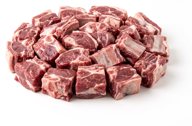
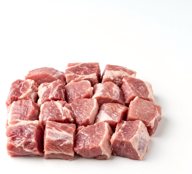


 Garlic paste
Use the same weight; about 1 clove weighs 3 g, so 3 g paste per clove.
 Crushed garlic
Use the same weight; crush just before adding so the flavour stays fresh.
 Garlic powder
Use one-third of the weight, about 1 g powder for 3 g fresh clove; add a little water if the recipe needs moisture.


 Ginger paste
Use equal weight. Sauté in hot fat until the raw allium smell disappears; slightly wetter, but provides identical warmth and pungency.
 Ground ginger
Use 20% to 25% of the weight (1 g for every 4 to 5 g fresh). Stir into the gravy; adds peppery heat and warmth, though it misses the crisp, zesty kick of raw root.


 Dried kashmiri chilli
Grind deseeded dried pods to an equal weight of powder; gives identical vivid red colour and gentle warmth.
 Red chilli powder
Use 25% of the weight mixed with sweet paprika for colour; straight red chilli powder is substantially hotter and will make the dish fiery.
 Chilli powder
Use one-third of the weight; the sauce will be less intensely red and notably sharper in heat.


 Stock
Use the same weight in savoury dishes; it adds body, so adjust salt.
 Milk
Use the same weight only in doughs or creamy dishes; it makes the result richer.
 Coconut water
Use the same weight in curries or rice; it adds sweetness and a faint coconut taste.


 Green cardamom seed
Use 35 to 40% of the total pod weight; lightly bruise the seeds before frying in oil to release their essential oils.
 Ground green cardamom
Use 20 to 25% of the pod weight (about 1 generous pinch per pod); stir in toward the end of cooking so the delicate floral notes do not dissipate.
 White cardamom pod
Use 1:1 by pod count or weight; crack gently before using, though it is slightly less intensely floral.


 Ground black cardamom
Use 0.5 g of ground seeds for each whole pod. Stir directly into the curry base; delivers identical smoky flavour without woody husks.
- Green cardamom pod
Use equal pod count or weight. Crack slightly and fry whole; tastes sweet, menthol-fresh, and floral rather than dark and smoky.


 Ground cloves
Use 1 g ground for 4 g whole (or 1 small pinch per 2 to 3 whole cloves). Add with spice powders; disperses intense warmth quickly, so use with restraint.
 Allspice berries
Use 100% of the weight whole in tempering. Imparts a warm, clove-like aromatic profile combined with hints of nutmeg and cinnamon.
- Black cardamom pod
Use 1 pod for 3 to 4 cloves in whole tempering. Shares a camphor-like warmth and medicinal depth, though it introduces a distinct smoky undertone.


 Aniseed
Use equal weight or 1 g lightly crushed aniseed per whole star anise star. Delivers the same sweet liquorice profile, though slightly less woody.
 Fennel seed
Use equal weight, bruised in a mortar. Lends a gentler, sweeter liquorice note to gravies and biryanis.


 Ground mace
Use 0.5 g ground mace for 1 g mace blade; add towards the end of frying spices as ground powder burns much quicker than whole blades.
 Nutmeg
Grate finely, using 50% of the weight; sweeter, deeper, and slightly heavier in aroma than delicate mace.
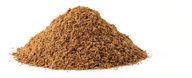 Ground nutmeg
Use 40% of the weight; stir in gently with ground spices, avoiding high direct heat to prevent bitterness.


 Ground cumin
Use 70% of the weight; add with ground spices or sauce bases rather than hot oil tempering, where it scorches quickly and turns bitter.
 Black cumin seeds
Use equal weight for oil tempering. Delivers an earthy profile with an additional musky, smoky, and slightly bitter edge.
- Fennel seed
Use 60% of the weight for tempering; offers comparable warm aroma, but leans sweet and liquorice-like rather than savoury and earthy.


 Ground coriander
Use 75% of the weight; stir in along with wet masala or tomato purée rather than frying in hot oil, as the fine powder burns instantly.
- Cumin seed
Use 50% of the weight for tempering in hot oil. Lacks the floral, sweet citrus flavour of coriander, introducing warm, pungent earthiness instead.
- Fennel seed
Use 50% of the weight in tempering; provides pleasant aromatic sweetness, though noticeably aniseedy rather than citrusy.

- Aniseed
Use 75% of the weight. Fry in hot oil or ghee; has a sharper, more pronounced liquorice flavour, so use a lighter hand.
 Ground fennel seed
Use 60% of the weight. Stir into the sauce with ground masalas; provides identical sweet aniseed flavour without whole seed crunch.
- Star anise
Use one point (single carpel) per 1 g of fennel seeds. Simmer in gravies and remove before serving; gives a deeper, woodier liquorice aroma.


 Coarsely ground black pepper
Use 75% of the weight. Add midway through simmering; spreads heat evenly through the dish instead of delivering isolated bursts.
 Ground black pepper
Use 50% of the weight. Stir in near the end of cooking; significantly darkens light gravies and provides an immediate, sharp bite.


 Ceylon cinnamon
True cinnamon: thinner, papery quills, milder and sweeter. Use about 1.5 times the weight, and taste.
 Ground cinnamon (cassia)
Use about a third of the weight (0.5 g ground for a 2.5 cm piece), stirred in with the ground spices rather than fried whole, since the powder burns quickly.
 Cassia buds
Use 60-70% of the weight; stronger and more peppery, so taste before adding more.


 Rosewater
Use 1 to 2 drops per gram of dried rose petals. Add right at the end of cooking off the heat; highly aromatic, so measure carefully to avoid a soapy finish.
 Screwpine water or rosewater
Use a few drops off the heat. Imparts a sweet, floral aroma to biryanis and desserts without botanical flecks.


 Whole wheat flour
Use the same weight; it is almost the same, though slightly finer, so add water gradually.
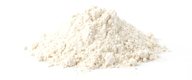 Plain flour
Use the same weight but reduce water by about 10%; the result is lighter and less nutty.
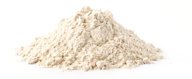 Flour
Use the same weight as plain flour; reduce water slightly and expect less bran and colour.

- Nutmeg
Grate whole nutmeg finely on a microplane; use 80% to 100% of the weight. Freshly grated nutmeg has significantly more aromatic oils and a more vibrant aroma.
- Ground mace
Use 100% to 120% of the weight. Mace is nutmeg's outer husk, providing almost identical warmth but with a lighter, slightly more delicate, floral edge.
- Ground cinnamon (cassia)
Use 75% of the weight. Adds comparable warmth and sweetness, though it lacks the musky, nutty undertone of nutmeg.


- Bird's eye green chilli
Use the same weight; heat and flavour are very close.
 Green chilli
Use 1.5 to 2 times the weight; deseed for less heat. Larger chillies are more watery.
 Fresh green chilli
Use 1.5 to 2 times the weight; chop finely and adjust heat by tasting.


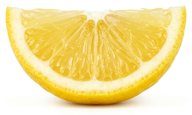 Lemon wedge
Use the same weight; more sour and less floral, so adjust salt and sugar.
 Lime juice
Use 10–15 g juice per wedge; add at the end; it loses the peel aroma.
 Lemon juice
Use 10–15 g per wedge; sharper; taste before adding more.

Similar dishes

- Same: East Indian Mutton Estup shares ghee, bone-in lamb shoulder, onion, garlic, ginger, green bird’s eye chilli, cumin, coriander, black peppercorn, clove, cinnamon, nutmeg and coriander leaf with this dish.
- Different: It uses Greek yoghurt, dried Kashmiri chilli and bay leaf and is a thin soupy curry, while this dish has no yoghurt and is a flour-thickened slow-cooked gravy with black and green cardamom, star anise, mace, fennel, rose petals and lime.

- Same: Kolhapuri Kaala Lamb Sukka shares bone-in lamb shoulder, onion, garlic and green bird’s eye chilli with this dish, and both use cinnamon, black peppercorn, clove, star anise, cumin and coriander seeds.
- Different: It uses vegetable oil, Greek yoghurt, lemon, coconut, curry leaf, sugar and Sichuan peppercorn, while this dish uses ghee, wholemeal flour, cardamom, fennel, mace, nutmeg and rose petals; it is a dry-style curry with charred onions and chillies, not a flour-thickened slow stew.

- Same: Khare Masale ka Gosht shares with this dish lamb braised in ghee with onion, garlic, ginger, black cardamom, clove, cinnamon, black peppercorn and coriander seeds.
- Different: Khare Masale ka Gosht uses yogurt and tomato for its gravy and has no flour thickening, no bone-in lamb specified, no nutmeg, mace, star anise, fennel, dried rose petals, green chilli or lime, and uses much more ghee.
- Same: Khare Masale ka Gosht and this dish both slow-cook lamb with ghee, onion, garlic, ginger, black cardamom, clove, cinnamon, coriander seed and black peppercorn.
- Different: Khare Masale ka Gosht uses plain yogurt, dried red chilli, turmeric and bay leaf, while this dish uses bone-in lamb shoulder, wholemeal flour to thicken the gravy, nutmeg, mace, star anise, fennel, rose petals, fresh green chilli and a lime wedge.