
Kolhapuri Kaala Lamb Sukka
A dry-style Kolhapuri lamb curry with a roasted onion, chilli and coconut paste, a toasted spice blend, and a sharp lemon finish. It tastes smoky, hot, tangy and deeply savoury, with tender lamb coated in a thick masala.
Garlic-yoghurt marinade
30 gBlended with the yoghurt for the lamb marinade (step 1)Kolhapuri masala
18 gToasted in a dry pan and ground (step 6)Everything else

Method
- Blend 30 g garlic clove with 30 g greek yoghurt to a smooth paste.
- Coat 750 g bone-in lamb shoulder pieces with the garlic-yoghurt marinade in a bowl. Cover and refrigerate for 1 hour, or overnight.
- Put the marinated lamb in a large dry saucepan over medium heat. Cover and cook for 40 minutes, stirring once halfway.
- Heat the oven to 230°C fan (475°F).
- Spread 250 g onion halved and 8 g green bird’s eye chilli on a lined baking tray. Roast for 30 minutes, until darkened.
- Scatter 120 g coconut over the tray and roast for 10 minutes more, until deep brown and partly charred. Cool slightly.
- Toast the Kolhapuri masala in a dry frying pan over medium heat for 2–3 minutes. Cool, then grind to a fine powder.
- Blend the roasted onion, chilli and coconut with 119 g water to a smooth paste.
- Heat 40.5 g vegetable oil in a large heavy non-stick saucepan over medium heat. Add 1.5–2 g curry leaf and cook until they crackle.
- Add 250 g onion finely chopped and fry for 10–12 minutes.
- Stir in the onion and coconut paste and fry for 4 minutes.
- Add the cooked lamb and any juices, and mix for 2–3 minutes.
- Add 0.3 g light brown soft sugar, 99.4 g water and salt to taste. Cover and simmer over low heat for 20–25 minutes, stirring twice.
- Stir in 2 heaped teaspoons of the Kolhapuri masala and simmer for 5 minutes.
- Stir in 50 g lemon juice and remove from the heat.
Don't have something?


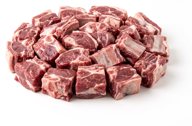
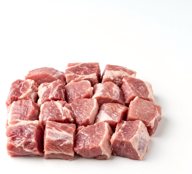


 Garlic paste
Use the same weight; about 1 clove weighs 3 g, so 3 g paste per clove.
 Crushed garlic
Use the same weight; crush just before adding so the flavour stays fresh.
 Garlic powder
Use one-third of the weight, about 1 g powder for 3 g fresh clove; add a little water if the recipe needs moisture.


 Hung natural yoghurt
Use the same weight and whisk smooth; same thick consistency.
 Full-fat natural yoghurt
Use 1.25 times the weight and strain through muslin for 30 minutes; looser if not strained.
 Hung yogurt
Use the same weight; virtually identical.


 Peanut oil
Use 1:1 by weight. Handles high-heat frying identically and introduces a very subtle, pleasant nuttiness.
 Ghee
Use 1:1 by weight. Yields a much richer, authentic aroma and a glossy, heavier mouthfeel.
 Mustard oil
Use 1:1 by weight. Heat until smoking, then cool slightly before cooking to temper its intensely pungent, sharp mustard kick.


 Bay leaf
Fry 1 bay leaf for every 5 curry leaves in hot oil; imparts a warm, woodsy background note, but misses the citrus-sulphury punch entirely.
 Lime juice
Add a small squeeze (about 5 ml per sprig of curry leaves) right before serving; provides sharp citrus top notes without the toasty, herbal aroma.





 Demerara sugar
Use the same weight; it is drier and slightly less molasses-rich, so taste and add a little more if needed.
 Jaggery
Use the same weight; it is stronger and more mineral, so dissolve it first and reduce any other sweetener.
 Granulated sugar
Use the same weight; it is less moist and less dark. Add 5 g cane molasses per 100 g if you have it.


 Stock
Use the same weight in savoury dishes; it adds body, so adjust salt.
 Milk
Use the same weight only in doughs or creamy dishes; it makes the result richer.
 Coconut water
Use the same weight in curries or rice; it adds sweetness and a faint coconut taste.


 Lime
Use the same weight or juice amount; sharper, so taste before adding all the juice.
 Lemon juice
Use about 45–50 ml for 1 lemon; add off the heat to keep the freshness.
 Dried mango powder
Use 1 tsp for the juice of 1 lemon; add early. Sourness is flatter and less fresh.


- Bird's eye green chilli
Use the same weight; heat and flavour are very close.
 Green chilli
Use 1.5 to 2 times the weight; deseed for less heat. Larger chillies are more watery.
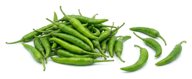 Fresh green chilli
Use 1.5 to 2 times the weight; chop finely and adjust heat by tasting.

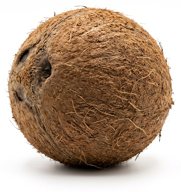
 Fresh coconut
Use equal weight freshly grated or diced. Delivers the identical sweet, milky taste and juicy texture.
 Desiccated coconut
Use 60% of the weight and soak in hot water or milk for 15 minutes before using. The finished dish will be slightly sweeter and less fibrous.
 Dried coconut
Finely grate and use 50% of the weight, soaked in hot water for 20 minutes. Yields a firmer chew and a denser, oilier coconut aroma.


 Ceylon cinnamon
True cinnamon: thinner, papery quills, milder and sweeter. Use about 1.5 times the weight, and taste.
 Ground cinnamon (cassia)
Use about a third of the weight (0.5 g ground for a 2.5 cm piece), stirred in with the ground spices rather than fried whole, since the powder burns quickly.
 Cassia buds
Use 60-70% of the weight; stronger and more peppery, so taste before adding more.


 Coarsely ground black pepper
Use 75% of the weight. Add midway through simmering; spreads heat evenly through the dish instead of delivering isolated bursts.
 Ground black pepper
Use 50% of the weight. Stir in near the end of cooking; significantly darkens light gravies and provides an immediate, sharp bite.


- Black peppercorn
Use 70% of the weight, crush coarsely. Gives heat and aroma but none of the numbing, citrus tingle.
- Ground black pepper
Use 50–60% of the weight; stir in near the end. Simpler heat, no tingle.
 Star anise
Use 20–25% of the weight, ground. Adds a citrus-anise note but not the numbing effect.


 Ground cloves
Use 1 g ground for 4 g whole (or 1 small pinch per 2 to 3 whole cloves). Add with spice powders; disperses intense warmth quickly, so use with restraint.
 Allspice berries
Use 100% of the weight whole in tempering. Imparts a warm, clove-like aromatic profile combined with hints of nutmeg and cinnamon.
 Black cardamom pod
Use 1 pod for 3 to 4 cloves in whole tempering. Shares a camphor-like warmth and medicinal depth, though it introduces a distinct smoky undertone.


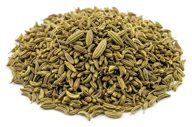 Aniseed
Use equal weight or 1 g lightly crushed aniseed per whole star anise star. Delivers the same sweet liquorice profile, though slightly less woody.
 Fennel seed
Use equal weight, bruised in a mortar. Lends a gentler, sweeter liquorice note to gravies and biryanis.


 Ground cumin
Use 70% of the weight; add with ground spices or sauce bases rather than hot oil tempering, where it scorches quickly and turns bitter.
 Black cumin seeds
Use equal weight for oil tempering. Delivers an earthy profile with an additional musky, smoky, and slightly bitter edge.
- Fennel seed
Use 60% of the weight for tempering; offers comparable warm aroma, but leans sweet and liquorice-like rather than savoury and earthy.


 Ground coriander
Use 75% of the weight; stir in along with wet masala or tomato purée rather than frying in hot oil, as the fine powder burns instantly.
- Cumin seed
Use 50% of the weight for tempering in hot oil. Lacks the floral, sweet citrus flavour of coriander, introducing warm, pungent earthiness instead.
- Fennel seed
Use 50% of the weight in tempering; provides pleasant aromatic sweetness, though noticeably aniseedy rather than citrusy.
Similar dishes

- Same: East Indian Mutton Estup and this dish both use bone-in lamb shoulder, onion, Greek yoghurt, garlic, green bird’s eye chilli, cumin seed, coriander seeds, black peppercorn, clove and cinnamon.
- Different: East Indian Mutton Estup uses ghee, ginger, dried Kashmiri chilli, bay leaf, nutmeg and coriander leaf, while this dish uses vegetable oil, coconut, lemon, curry leaf, sugar, Sichuan peppercorn and star anise and is dry rather than soupy.
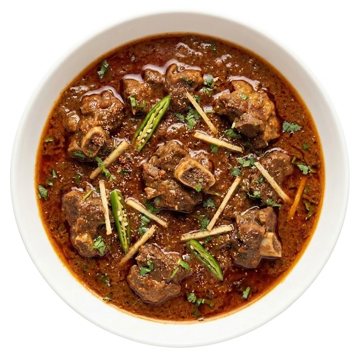
- Same: Lucknowi Lamb Nihari shares bone-in lamb shoulder, onion, garlic, green bird’s eye chilli, and whole spices such as clove, star anise, cumin, coriander, black peppercorn, and cinnamon with this dish.
- Different: Lucknowi Lamb Nihari uses ghee, wholemeal flour as a thickener, ginger, nutmeg, mace, cardamom, fennel, rose petals, coriander leaf, and a lime wedge, while this dish uses vegetable oil, yoghurt, lemon, coconut, curry leaf, and no flour thickener.

- Same: Mutton Coconut Fry shares lamb, onion, garlic, curry leaves, coconut, cinnamon, clove, black peppercorn, coriander and cumin with this dish.
- Different: Mutton Coconut Fry uses lamb chops, coconut oil, coconut milk, tomato, ginger, turmeric, green cardamom, bay leaf, dried red chilli, tamarind and toddy vinegar, while this dish uses bone-in lamb shoulder, vegetable oil, yoghurt, lemon, green bird’s eye chilli, star anise and Sichuan pepper and is cooked dry rather than as a thick braise.

- Same: Gavraan Muttonacha Rassa and this dish both use bone-in lamb shoulder, vegetable oil, onion, garlic, coconut, cinnamon, clove, black peppercorn and coriander seeds.
- Different: Gavraan Muttonacha Rassa adds tomato, turmeric, fennel seed, white poppy seeds, ginger and dried Kashmiri chilli, and it has much more water and coconut, while this dish lacks tomato and uses lemon, yoghurt, curry leaves, green bird’s eye chilli, star anise, Sichuan peppercorn, cumin and brown sugar.