Indian cooking
Indian cooking / Dishes / Korioora Munakkai
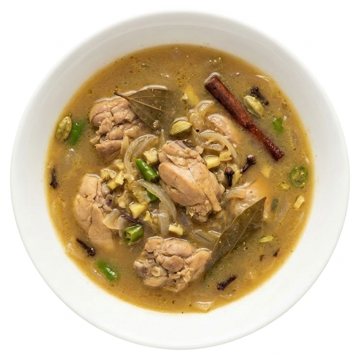
Korioora Munakkai (Chicken with Drumsticks in a Spicy Tamarind-flavoured Sauce)

Korioora Munakkai

Chicken with Drumsticks in a Spicy Tamarind-flavoured Sauce
Non-vegetarian●●●Origin Tamil NaduPrep 30 minutes, plus soaking timeCook 1 hour

A rich, sour, and warming chicken curry enriched with drumstick pods and finished with a nutty chickpea flour liaison. Tamarind extract provides a bright, fruity acidity that balances the fragrant roasted spices and savoury poultry.

Whole tempering spices

10 gBloomed in hot ghee (step 1)
01
1 g2 leaves
spice
02
3.9 g3 pieces
spice
03
0.3 g4 cloves
spice
04
1.9 g½ teaspoon
spice
05
3 g1 teaspoon
spice
Leave whole for infusing the cooking fat.

Aromatic pastes and ground spices

12 gStirred into the fried onions (step 2)
Stir together into a damp paste.

Simmering peppercorns

0.6 gAdded alongside the drumsticks and braising liquid (step 5)
01
0.6–0.8 g12–15 peppercorns
spice
Leave whole.

Everything else

01
180 g
oil/fat
02
450 g3 onions
vegetable
03
3 g1 teaspoon
nut/seed
04
Chicken · Murgheach cut into 10 pieces
2400 g2 chickens
poultry
05
120 g
vegetable
06
6 g1 tablespoon
fruit
07
3.8 g15 leaves
herb
09
Drumstick · Sahjanpeeled and cut into 6-cm / 2½-inch pieces
240 g6 pods
vegetable
11
6 g1 tablespoon
flour
12
to taste
salt
13
Green chilli · Hari Mirchslit in half lengthways and de-seeded
36 g6 chillies
vegetable
15
~6 g6 sprigs
herb

Method

  1. Warm 180 g ghee in a broad, heavy pot set over medium heat. Introduce the whole tempering spices and fry for roughly 1 minute until fragrant and crackling.
  2. Scatter in 450 g sliced onion and sauté for 5–7 minutes until evenly browned. Blend in the aromatic pastes and ground spices, frying for 1–2 minutes until the spiced fat separates and rises to the top.
  3. Drop in 2 chickens (each cut into 10 pieces) and sear over medium heat. Stir frequently as liquid leaches out, cooking for 8–10 minutes until all moisture evaporates and the meat takes on a golden colour.
  4. Tumble in 120 g chopped tomato, 6 g grated fresh coconut, 2 tsp chopped red chilli, and 3.8 g curry leaf. Cook for 3 minutes, then pour in 4 tbsp toddy (or beer) and let it simmer until fully absorbed.
  5. Slide in 6 peeled drumsticks cut into 6-cm / 2½-inch lengths, the simmering peppercorns, 264 g tamarind extract, 750 ml water, and salt to taste. Bring to a gentle bubble, drop the heat to low, and cook covered for about 30 minutes until both the chicken and drumsticks are completely tender.
  6. Warm a separate dry pan and toast 1 tbsp chickpea flour for roughly 1 minute to strip away its raw edge. Whisk the toasted flour with 250 ml water until lump-free, then pour the mixture into the stew. Simmer for 5 minutes to bind and thicken the sauce, thinning with extra water if it reduces too far.
  7. Scatter 36 g slit green chilli, 100 g coriander leaf, and 6 g mint over the curry just before lifting from the stove.

Don't have something?

Ghee
  • Unsalted butter

    Use 120% of the weight; melt gently over low heat to avoid burning the milk solids, which will yield a softer, creamier richness rather than a nutty aroma.

  • Vegetable oil

    Use 85% of the weight; holds high cooking temperatures without smoking, but the final dish will lack traditional dairy depth.

  • Mustard oil

    Use equal weight; heat to smoking point and cool slightly before cooking, bearing in mind it introduces an assertive, pungent edge.

Bay leaf
  • Cinnamon stick

    Use a 2 cm piece (about 1 g) for every 1 to 2 bay leaves. Fry in whole-spice temperings; provides the cassia-like warmth typical of Indian tejpatta.

  • Ground cinnamon (cassia)

    Use 0.5 g per leaf. Stir into the sauce during simmering; gives the same warm woodiness but darkens the colour slightly.

Cassia bark
  • Ceylon cinnamon

    True cinnamon: thinner, papery quills, milder and sweeter. Use about 1.5 times the weight, and taste.

  • Ground cinnamon (cassia)

    Use about a third of the weight (0.5 g ground for a 2.5 cm piece), stirred in with the ground spices rather than fried whole, since the powder burns quickly.

  • Cassia buds

    Use 60-70% of the weight; stronger and more peppery, so taste before adding more.

Clove
  • Ground cloves

    Use 1 g ground for 4 g whole (or 1 small pinch per 2 to 3 whole cloves). Add with spice powders; disperses intense warmth quickly, so use with restraint.

  • Allspice berries

    Use 100% of the weight whole in tempering. Imparts a warm, clove-like aromatic profile combined with hints of nutmeg and cinnamon.

  • Black cardamom pod

    Use 1 pod for 3 to 4 cloves in whole tempering. Shares a camphor-like warmth and medicinal depth, though it introduces a distinct smoky undertone.

Fenugreek seed
  • Mustard seed

    Use 50% of the weight, crush or grind. Sharper heat and less maple-bitter; fry briefly in oil before adding.

  • Caraway seeds

    Use the same weight, crush lightly. Similar bitter-seed note but more aniseed; reduce other sweet spices slightly.

  • Ajwain seeds

    Use 25–30% of the weight, crush. Much stronger thyme-like flavour; do not overdo.

Nigella seeds
  • Black cumin seeds

    Use equal weight. Imparts an earthy, slightly bitter note in temperings, though it lacks nigella's oniony sharpness.

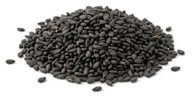
  • Black sesame seeds

    Use equal weight. Gives a similar speckled appearance and light crunch on breads, but provides a nutty rather than herbaceous, onion-like flavour.

Onion
  • Shallot

    Use equal weight, finely sliced. Shallots soften and brown faster, giving a slightly sweeter and more delicate base to curries.

  • Cabbage

    Use 80% of the weight, finely shredded and browned slowly with a pinch of asafoetida. Replicates the bulk and natural sweetness in gravies without allium.

Ground turmeric
  • Ground ginger

    Use 50% of the weight. Mimics turmeric's warm, earthy, rhizome background, but provides none of the golden-yellow colour.

  • Saffron

    Steep a tiny pinch (0.1 g per 2 g turmeric) in 2 tbsp warm water; use to match the rich golden hue. Contributes an aristocratic, honeyed floral flavour rather than earthy bitterness.

Ginger paste
  • Fresh ginger

    Use equal weight; peel and grate very finely on a microplane or pound to a fine paste in a mortar.

  • Ginger

    Use equal weight; mince finely and crush with the flat of a knife before frying.

  • Ground ginger

    Use 20% of the weight; add directly with the dry spice powders, though it yields an earthier, less pungent profile.

Garlic paste
  • Garlic

    Use equal weight; crush or finely grate to a smooth pulp to replicate the same fresh, pungent moisture in your base gravy.

  • Garlic powder

    Use 20 to 25% of the weight; mix with a teaspoon of water before adding to oil so it does not burn, noting it lacks the fresh bite.

Ground coriander
  • Coriander seeds

    Dry-roast lightly in a pan and grind to a fine powder; use equal weight (1:1). Offers a noticeably fresher, brighter citrus note.

  • Ground cumin

    Use 50% to 75% of the weight. Lacks the floral, citrusy profile of coriander and turns the gravy heavier, earthier, and darker.

  • Garam masala

    Use 50% of the weight and stir in near the end of cooking. Adds warmth and depth since it contains ground coriander, but introduces stronger spices like clove and cinnamon.

Sesame seed
  • White sesame seed

    Use the same weight. Toast lightly before use; white seeds are milder and give a cleaner look.

  • Black sesame seed

    Use the same weight. They are stronger and more bitter; toast briefly and use slightly less if the dish is delicate.

  • Peanut

    Use the same weight, crushed or chopped. It gives crunch but not the same nutty sesame aroma.

Chicken
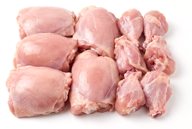
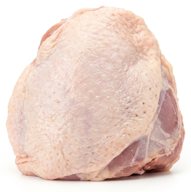
  • Turkey thigh

    Use 100% of the weight, cut into equivalent bone-in or boneless pieces. Simmer for an extra 5 to 10 minutes; flavour and texture are very similar.

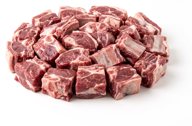
  • Lamb

    Use 100% of the weight. Cut into bite-sized pieces and extend simmering time by 35 to 50 minutes, adding extra liquid to allow the meat to tenderise.

Tomato
  • Tomato purée

    Use 40% to 50% of the fresh tomato weight mixed with a splash of water. Imparts a deeper red colour, thicker sauce, and slightly sweeter cooked flavour.

  • Plain yogurt

    Use 60% of the weight, whisked smooth and added on low heat. Provides rich body and sourness, though the gravy becomes paler and creamier.

Fresh coconut
  • Desiccated coconut

    Use 50% to 60% of the weight, soaked in equal parts warm water for 15 minutes before grinding. Works well for chutneys, though texture is slightly finer and sweeter.

  • Coconut milk

    Use 1.2 times the weight in curries. Adds creamy richness and authentic flavour, but makes gravies smoother and eliminates the grated, chewy mouthfeel.

Dried red chilli
  • Dried kashmiri chilli

    Use equal weight whole. Fry in hot oil or ghee as tempered spice; gives a richer red colour with slightly milder heat.

  • Red chilli powder

    Use 50% to 70% of the weight. Stir into the oil with ground spices; distributes heat evenly throughout the dish without whole chilli skins.

Curry leaf
  • Bay leaf

    Fry 1 bay leaf for every 5 curry leaves in hot oil; imparts a warm, woodsy background note, but misses the citrus-sulphury punch entirely.

  • Lime juice

    Add a small squeeze (about 5 ml per sprig of curry leaves) right before serving; provides sharp citrus top notes without the toasty, herbal aroma.

Toddy or beer
  • Rice beer or rice wine

    Use the same weight; slightly sweeter and less sour. Ferment or cook as usual.

  • Coconut water

    Use the same weight with 1/4 teaspoon dried yeast per 250 ml; ferment 6–8 hours longer. No alcohol and less sour.

  • Soda water

    Use the same weight plus 1 teaspoon lime juice per 250 ml. Gives lightness but no fermented flavour.

Drumstick
  • Small aubergine

    Use equal weight, cut into quarters lengthways. Simmer until tender; readily absorbs sambar broth, though it turns soft rather than fibrous.

  • Potato

    Use 80% of the weight, cut into thick batons. Cook until just fork-tender; holds its shape well in curries and dals, though it tastes starchier.

Black peppercorn
  • Coarsely ground black pepper

    Use 75% of the weight. Add midway through simmering; spreads heat evenly through the dish instead of delivering isolated bursts.

  • Ground black pepper

    Use 50% of the weight. Stir in near the end of cooking; significantly darkens light gravies and provides an immediate, sharp bite.

Tamarind extract
  • Tamarind

    Use 180% of the weight of compressed tamarind; soak in three times its weight of boiling water for 15 minutes, knead, and strain out the thick pulp.

  • Dried mango powder

    Use 35% of the weight dissolved in two tablespoons of warm water. Provides sharp tang, though the resulting sauce will be lighter in colour.

  • Lemon juice

    Use equal weight, added right at the end of cooking. Adds sharp acidity without the deep brown hue or pulpy thickness.

Chickpea flour
  • Yellow split pea flour

    Use 100% of the weight. Many commercial gram flours are milled from split peas; performs identically in pakora batters and kadhi.

  • Cornstarch

    For crisping batters or binding cutlets: use 50% to 60% of the weight. Produces a very crisp shell but lacks the earthy, roasted nutty flavour of besan.

Green chilli
  • Chilli powder

    Use 10 to 15% of the weight (about 1/4 teaspoon per chilli); imparts dry pungent heat and reddens the dish without the grassy crunch.

  • Dried red chilli

    Use 1 dried pod per fresh green chilli; snap in half and temper in hot oil for a deeper, toastier heat.

Coriander leaf
  • Coriander

    Use equal weight finely chopped; this is the exact same fresh herb.

  • Mint

    Use half the weight finely chopped; provides vibrant green freshness, though the flavour profile becomes noticeably cooler and sharper.

Mint
  • Dried mint

    Use about 30% of the weight of fresh mint. Rub between your palms to crush before stirring in; the flavour will be more intensely herbal and less bright.


  • Coriander leaf

    Use equal weight, finely chopped. Adds fresh citrusy green notes, but lacks the cooling menthol lift.

Similar dishes

Chicken Xacuti
Spicy Chicken in Thick Sauce
Chicken Xacuti tastes fragrant and deeply spiced from roasted coconut and poppy seed, with a sharp lemon finish, while this dish tastes rich, sour, and warming from tamarind and roasted spices.
  • Same: Chicken Xacuti shares chicken, onion, ginger paste, garlic paste, turmeric, ground coriander, dried red chilli, black peppercorn, fenugreek, fresh coconut, and salt with this dish.
  • Different: Chicken Xacuti uses lemon juice as its souring agent, while this dish uses tamarind extract. It has poppy seed and much more coconut, and it lacks drumstick, tomato, chickpea flour, bay leaf, curry leaf, nigella, sesame, mint, and green chilli. It is a thick roasted coconut and poppy seed sauce, while this dish is a tamarind sauce finished with a chickpea flour liaison.
Kori Tamatar
Savoury Chicken with Tomatoes
Kori Tamatar tastes more deeply savoury and warming, lacking the pronounced fruity sourness of tamarind and the nutty, thick texture of chickpea flour and coconut.
  • Same: Both curries cook chicken in ghee with an onion and tomato base seasoned with ginger, garlic, green chillies, curry leaves, cinnamon, and cloves.
  • Different: Kori Tamatar adds black cardamom, cumin, and chilli powder, but omits this dish's drumstick pods, tamarind extract, coconut, sesame seeds, and chickpea flour liaison.
Chicken Ishtoo
Indian-Style Chicken Stew
Chicken Ishtoo tastes milder, lighter, and cardamom-forward, without the sharp, fruity acidity of tamarind or the thick, heavily spiced richness of this dish.
  • Same: Chicken Ishtoo also braises chicken with onions, ginger, garlic, green chillies, bay leaves, cinnamon, and cloves.
  • Different: Chicken Ishtoo is simmered in vegetable oil as a light broth with green cardamom, omitting the drumsticks, ghee, tomatoes, tamarind, curry leaves, seeds, and chickpea flour thickener found in this dish.
Koli Milagu Masala
Pepper Chicken from Chettinad
Koli Milagu Masala tastes pepper-forward, warm, and deeply savoury with a thick onion-tomato gravy, while this dish tastes sharply sour from tamarind and richer from ghee, coconut, and a chickpea flour liaison.
  • Same: Koli Milagu Masala and this dish are both South Indian chicken curries built on onion, tomato, curry leaf, dried red chilli, turmeric, ginger-garlic, and whole spices such as cinnamon, clove, bay leaf, and black peppercorn.
  • Different: Koli Milagu Masala uses vegetable oil instead of ghee and lacks tamarind, drumstick, coconut, chickpea flour, toddy or beer, sesame, nigella, and fenugreek, while adding urad dal, fennel, cumin, white poppy seeds, green cardamom, and a heavier roasted black pepper-coriander-fennel spice mix.