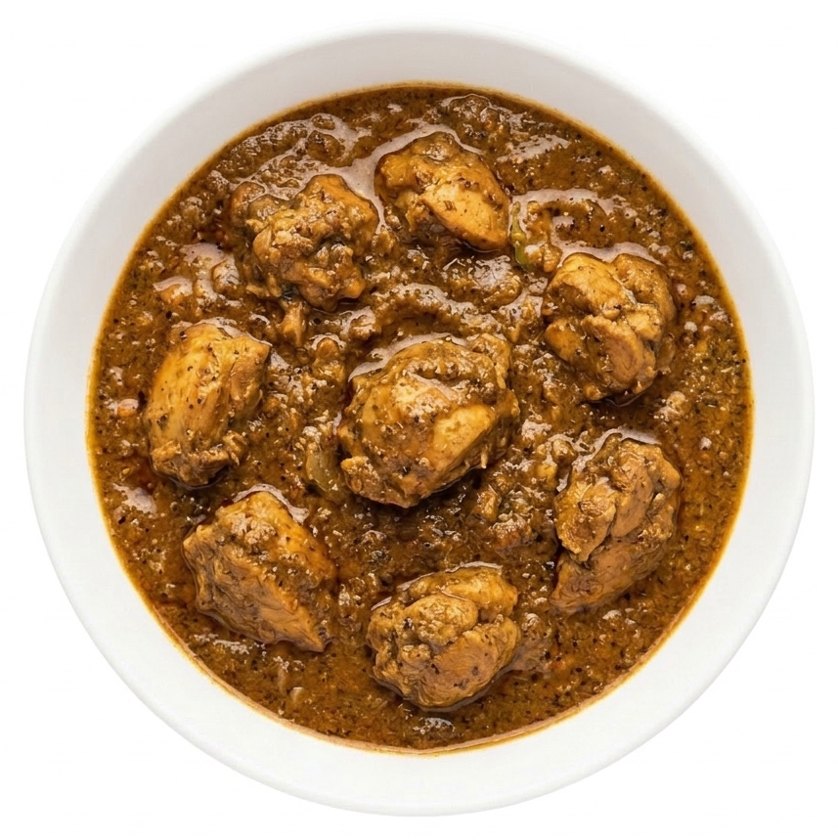
Chicken Xacuti
A fragrant, deeply spiced curry featuring chicken simmered in a roasted coconut and poppy seed paste, sharpened with fresh lemon juice.
Spices for the paste
40 gToasted and ground with coconut (step 1)Ginger and garlic pastes
26 gFried with the spice paste in the onions (step 3)Everything else

Method
- Dry-toast the drained chillies, 40 g fresh coconut, and each item in the spices for the paste individually in a pan over medium heat for about 1 minute until aromatic, then transfer to a blender with a splash of water and puree into a smooth paste.
- Heat 114 g vegetable oil or ghee in a wide, heavy pot over medium heat and cook 120 g onion for 5 to 7 minutes until deep golden brown.
- Tip the pureed spice paste and the ginger and garlic pastes into the pot, cooking and stirring for 1 to 2 minutes until oil beads on the surface.
- Tumble in 1000 g chicken and salt to taste, stirring well and cooking until all the moisture cooked out of the meat has boiled off.
- Add 250 g water, bring the pan to a boil, then drop the heat to low, cover, and simmer for 25 minutes until the chicken is tender and cooked through.
- Stir 129 g lemon juice into the sauce and take the pot off the heat.
Don't have something?


 Peanut oil
Use equal weight; handles high tempering heat well and keeps flavours neutral.
 Butter
Use equal weight; cook over gentle heat to prevent browning the milk solids too quickly.






 Garlic
Use equal weight; crush or finely grate to a smooth pulp to replicate the same fresh, pungent moisture in your base gravy.
 Garlic powder
Use 20 to 25% of the weight; mix with a teaspoon of water before adding to oil so it does not burn, noting it lacks the fresh bite.


 Fresh ginger
Use equal weight; peel and grate very finely on a microplane or pound to a fine paste in a mortar.
 Ginger
Use equal weight; mince finely and crush with the flat of a knife before frying.
 Ground ginger
Use 20% of the weight; add directly with the dry spice powders, though it yields an earthier, less pungent profile.



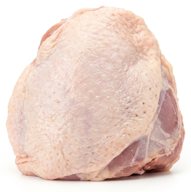 Turkey thigh
Use 100% of the weight, cut into equivalent bone-in or boneless pieces. Simmer for an extra 5 to 10 minutes; flavour and texture are very similar.
 Lamb
Use 100% of the weight. Cut into bite-sized pieces and extend simmering time by 35 to 50 minutes, adding extra liquid to allow the meat to tenderise.


 Lime juice
Use equal volume or weight; delivers almost identical sharp acidity with a faintly more aromatic, bitter-edged profile.
 Dried mango powder
Use 25% of the weight (about 1 g amchoor for 4 g juice); provides clean fruity tartness without thinning the sauce.
 White vinegar
Use 75% of the volume; gives direct sourness without any citrus floral fragrance.


 Dried kashmiri chilli
Use equal weight whole. Fry in hot oil or ghee as tempered spice; gives a richer red colour with slightly milder heat.
 Red chilli powder
Use 50% to 70% of the weight. Stir into the oil with ground spices; distributes heat evenly throughout the dish without whole chilli skins.

 Coriander seeds
Dry-roast lightly in a pan and grind to a fine powder; use equal weight (1:1). Offers a noticeably fresher, brighter citrus note.
 Ground cumin
Use 50% to 75% of the weight. Lacks the floral, citrusy profile of coriander and turns the gravy heavier, earthier, and darker.
 Garam masala
Use 50% of the weight and stir in near the end of cooking. Adds warmth and depth since it contains ground coriander, but introduces stronger spices like clove and cinnamon.


- Ground cumin
Use 70% of the weight; add with ground spices or sauce bases rather than hot oil tempering, where it scorches quickly and turns bitter.
 Black cumin seeds
Use equal weight for oil tempering. Delivers an earthy profile with an additional musky, smoky, and slightly bitter edge.
 Fennel seed
Use 60% of the weight for tempering; offers comparable warm aroma, but leans sweet and liquorice-like rather than savoury and earthy.


 Mustard seed
Use 50% of the weight, crush or grind. Sharper heat and less maple-bitter; fry briefly in oil before adding.
 Caraway seeds
Use the same weight, crush lightly. Similar bitter-seed note but more aniseed; reduce other sweet spices slightly.
 Ajwain seeds
Use 25–30% of the weight, crush. Much stronger thyme-like flavour; do not overdo.


 Coarsely ground black pepper
Use 75% of the weight. Add midway through simmering; spreads heat evenly through the dish instead of delivering isolated bursts.
 Ground black pepper
Use 50% of the weight. Stir in near the end of cooking; significantly darkens light gravies and provides an immediate, sharp bite.


 Cashew nut
Use equal weight. Soak in warm water for 20 minutes and grind to a smooth paste; produces an even creamier, slightly richer gravy than poppy seeds.
 White sesame seed
Use equal weight. Soak and grind finely; provides similar thickening and body with a slightly nuttier, faintly bitter edge.
 Almond
Use equal weight. Blanch, peel, and grind finely with a splash of water; lends a velvety body and gentle sweetness to gravies.



 Desiccated coconut
Use 50% to 60% of the weight, soaked in equal parts warm water for 15 minutes before grinding. Works well for chutneys, though texture is slightly finer and sweeter.
 Coconut milk
Use 1.2 times the weight in curries. Adds creamy richness and authentic flavour, but makes gravies smoother and eliminates the grated, chewy mouthfeel.


- Ground ginger
Use 50% of the weight. Mimics turmeric's warm, earthy, rhizome background, but provides none of the golden-yellow colour.
 Saffron
Steep a tiny pinch (0.1 g per 2 g turmeric) in 2 tbsp warm water; use to match the rich golden hue. Contributes an aristocratic, honeyed floral flavour rather than earthy bitterness.


 Green cardamom seed
Grind freshly extracted inner black seeds finely; use equal weight (1:1). Greatly superior aroma with potent eucalyptus and citrus notes.
 Green cardamom pod
Lightly crack whole pods and simmer them in the gravy; use 150% of the weight of ground cardamom. Fish out the pods before serving.
 Ground nutmeg
Use 50% of the weight. Delivers warm, sweet aroma, but lacks cardamom's cooling, citrusy top notes.


 Ground allspice
Use 1.5–2 times the weight; it has a similar warm pungency but is milder and rounder, so the dish loses clove’s sharp medicinal heat.
 Ground cinnamon (cassia)
Use the same weight; it gives warmth but is sweeter and lacks clove’s strength, so use only if the amount is small.
- Ground Ceylon cinnamon
Milder and sweeter than ground cassia: use about 1.5 times the weight.
 Cassia bark (Chinese cinnamon)
Grind the same weight of cassia bark in a spice mill until powdery, or simmer a piece whole and lift it out before serving.
 Ground mace
Use 40 to 50% of the weight; offers a delicate, sweet, woodsy fragrance that complements rich curries without dominating.


Similar dishes
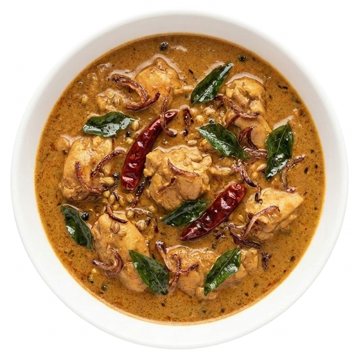
- Same: Kori Gassi also simmers chicken in a coconut-based gravy spiced with dried red chillies, coriander, cumin, fenugreek, black pepper, turmeric, and garlic.
- Different: It uses coconut milk and significantly more onions, while omitting the fresh grated coconut, poppy seeds, ginger, lemon juice, cinnamon, cloves, and cardamom used in this dish.

- Same: Both dishes simmer a kilogram of chicken in vegetable oil with a base of onion, ginger, garlic, and lemon juice.
- Different: Kali Mirch ka Murg omits the coconut, poppy seeds, red chillies, and warming spices, relying instead on a heavy quantity of black peppercorns and far less lemon juice.

- Same: Handiwala Murg also braises chicken using onion, ginger, garlic, lemon juice, and shared spices like coriander, turmeric, black pepper, cardamom, cloves, and cinnamon.
- Different: Handiwala Murg shallow-fries chicken lollipops and simmers them in a heavy tomato-and-mince sauce cooked in ghee, omitting this dish's roasted coconut, poppy seeds, cumin, and fenugreek seeds.

- Same: Korioora Munakkai shares chicken, onion, ginger paste, garlic paste, turmeric, ground coriander, dried red chilli, fenugreek seed, black peppercorn, and fresh coconut with this dish.
- Different: Korioora Munakkai uses much more ghee and chicken, adds drumstick pods, tomato, tamarind extract, curry leaf, green chilli, coriander leaf, mint, nigella seeds, sesame seeds, bay leaf, cinnamon stick, clove, chickpea flour, and toddy or beer, while this dish uses lemon juice, poppy seed, ground cardamom, and ground cinnamon.