
Fish Qorma Pulao
A fragrant layered fish pulao featuring spiced, yogurt-marinated fish gently steamed under a blanket of cooked rice.
Roasted seeds for the onion paste
20 gBlended with the roasted onions and coconut (step 1)Spices for the marinade
47 gStirred into the yogurt and herb marinade (step 2)Aromatic ground spices
1.1 gSprinkled over the marinated fish (step 4)Everything else

Method
- Place 2 tablespoon roasted coconut, 150 g roasted chopped onion and reserved skins, and the roasted seeds for the onion paste into a blender, add just enough water to blend, and process into a coarse paste, then tip into a bowl.
- Purée 11.9 g chopped coriander leaf, 0.67 cup chopped mint, and 24 g chopped green chilli with a small splash of water until smooth. Add this herb purée to the onion paste bowl along with the spices for the marinade, 120 g plain yogurt, 30.6 g lemon juice, and salt to taste, mixing thoroughly.
- Coat the fish chunks evenly with the marinade, cover, and place in the refrigerator for 10 minutes.
- Spread 108 g ghee or vegetable oil across the base of a wide, heavy pan. Arrange the marinated fish and all of its marinade in an even layer across the bottom, then sprinkle the aromatic ground spices over the surface.
- Cover with a tight lid and steam over very low heat for 10 to 12 minutes until the fish is fully cooked.
- Remove the lid, skim off any excess surface oil, and taste to adjust seasoning if required. Spread 2.75 cup cooked rice gently over the fish layer, spoon the sauce over the rice, seal with the lid, and cook over lowest heat or on a hot griddle for about 5 minutes to finish steaming.
Don't have something?


 Grated desiccated coconut
Use equal weight directly; it is the identical ingredient under a different label.
 Fresh coconut
Grate finely and use 130% to 140% of the weight to compensate for higher moisture; toast gently in a dry pan over low heat if a dry texture is needed.
 Dried coconut
Grate finely using a microplane and use equal weight. Offers a slightly oilier, toastier coconut profile.


 Cashew nut
Use equal weight. Soak in warm water for 20 minutes and grind to a smooth paste; produces an even creamier, slightly richer gravy than poppy seeds.
 White sesame seed
Use equal weight. Soak and grind finely; provides similar thickening and body with a slightly nuttier, faintly bitter edge.
 Almond
Use equal weight. Blanch, peel, and grind finely with a splash of water; lends a velvety body and gentle sweetness to gravies.


 Black mustard seed
Use the same weight. The seeds are smaller and hotter; fry in hot oil until they pop, about 20–30 seconds, and reduce the heat if they darken too fast. The dish will be a little sharper.
 Yellow mustard seeds
Use the same weight. They are milder and larger; fry a few seconds longer until they pop. The finished dish will have less pungency.
 Ground mustard seed
Use 70% of the weight of whole seed, added with the other ground spices rather than fried whole. You lose the popping texture and the heat comes through more evenly.






 Dried mint
Use about 30% of the weight of fresh mint. Rub between your palms to crush before stirring in; the flavour will be more intensely herbal and less bright.
- Coriander leaf
Use equal weight, finely chopped. Adds fresh citrusy green notes, but lacks the cooling menthol lift.


 Chilli powder
Use 10 to 15% of the weight (about 1/4 teaspoon per chilli); imparts dry pungent heat and reddens the dish without the grassy crunch.
 Dried red chilli
Use 1 dried pod per fresh green chilli; snap in half and temper in hot oil for a deeper, toastier heat.


 Fresh ginger
Use equal weight; peel and grate very finely on a microplane or pound to a fine paste in a mortar.
 Ginger
Use equal weight; mince finely and crush with the flat of a knife before frying.
 Ground ginger
Use 20% of the weight; add directly with the dry spice powders, though it yields an earthier, less pungent profile.


 Garlic
Use equal weight; crush or finely grate to a smooth pulp to replicate the same fresh, pungent moisture in your base gravy.
 Garlic powder
Use 20 to 25% of the weight; mix with a teaspoon of water before adding to oil so it does not burn, noting it lacks the fresh bite.


 Yogurt
Use equal weight, whisked thoroughly until smooth before adding to hot dishes to prevent curdling.
 Coconut milk
Use equal weight with 1 teaspoon lemon juice mixed in. Provides rich creaminess in curries, but adds a noticeable coconut flavour.
 Single cream
Use 80% of the weight plus a squeeze of lemon juice for acidity. Enriches sauces nicely, though it is richer and less tangy.


 Red chilli powder
Use 100% of the weight. Provides direct, sharp heat and red colour in equal measure.
 Kashmiri chilli powder
Use 150% to 200% of the weight if matching colour, but add a pinch of black pepper or hot chilli if you need equivalent fiery heat.
 Cayenne pepper
Use 75% to 100% of the weight. Offers a sharp, clean heat with slightly less earthy depth and less crimson colour.


 Cumin seed
Dry-roast briefly and grind finely; use equal weight (1:1). Imparts an even punchier, nuttier, toasty aroma than pre-ground cumin.
 Ground coriander
Use equal weight (1:1). Adds mild, lemony sweetness rather than cumin's smoky, earthy bite; curries will taste lighter and less savoury.
 Black cumin seeds
Grind finely; use 60% to 75% of the weight. Produces a darker, more complex, smoky-herbal flavour suited to rich gravies.


 Lime juice
Use equal volume or weight; delivers almost identical sharp acidity with a faintly more aromatic, bitter-edged profile.
 Dried mango powder
Use 25% of the weight (about 1 g amchoor for 4 g juice); provides clean fruity tartness without thinning the sauce.
 White vinegar
Use 75% of the volume; gives direct sourness without any citrus floral fragrance.


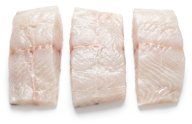 Firm white fish fillet
Use the same weight, cut to the same thickness. Cooking time is almost identical; check after 5 minutes.
 Firm fish fillet
Use the same weight. If thicker, add 2–3 minutes simmering; do not stir roughly.
 Boneless fish
Use the same weight, cut into fillet-like pieces. Check carefully for bones; cooking time is similar.


 Peanut oil
Use equal weight; handles high tempering heat well and keeps flavours neutral.
 Butter
Use equal weight; cook over gentle heat to prevent browning the milk solids too quickly.


 Green cardamom seed
Grind freshly extracted inner black seeds finely; use equal weight (1:1). Greatly superior aroma with potent eucalyptus and citrus notes.
 Green cardamom pod
Lightly crack whole pods and simmer them in the gravy; use 150% of the weight of ground cardamom. Fish out the pods before serving.
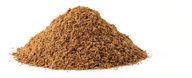 Ground nutmeg
Use 50% of the weight. Delivers warm, sweet aroma, but lacks cardamom's cooling, citrusy top notes.


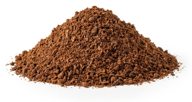 Ground allspice
Use 1.5–2 times the weight; it has a similar warm pungency but is milder and rounder, so the dish loses clove’s sharp medicinal heat.
 Ground cinnamon (cassia)
Use the same weight; it gives warmth but is sweeter and lacks clove’s strength, so use only if the amount is small.
- Ground Ceylon cinnamon
Milder and sweeter than ground cassia: use about 1.5 times the weight.
 Cassia bark (Chinese cinnamon)
Grind the same weight of cassia bark in a spice mill until powdery, or simmer a piece whole and lift it out before serving.
 Ground mace
Use 40 to 50% of the weight; offers a delicate, sweet, woodsy fragrance that complements rich curries without dominating.


 Nutmeg
Grate whole nutmeg finely on a microplane; use 80% to 100% of the weight. Freshly grated nutmeg has significantly more aromatic oils and a more vibrant aroma.
- Ground mace
Use 100% to 120% of the weight. Mace is nutmeg's outer husk, providing almost identical warmth but with a lighter, slightly more delicate, floral edge.
- Ground cinnamon (cassia)
Use 75% of the weight. Adds comparable warmth and sweetness, though it lacks the musky, nutty undertone of nutmeg.


- Black cumin seed
Grind the same weight freshly; the aroma fades quickly, so use it soon.
- Ground cumin
Use the same weight; it is earthier and less smoky, so the dish will taste slightly different.
 Ground caraway seed
Use about 70% of the weight; it is more pungent and slightly sweeter.


 Cooked rice
Use the same weight. If it is not basmati, the aroma and separate grains will be less pronounced; warm through gently and avoid stirring too much.
 Plain boiled rice
Use the same weight. It is less fragrant and may be stickier, so fluff with a fork and adjust salt.
 Steamed rice
Use the same weight. It is plainer and softer; drain well before use so the dish does not become wet.


Similar dishes
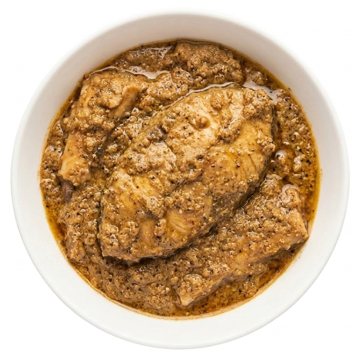
- Same: Dum ki Machhali shares the same marinade base of yogurt and lemon juice seasoned with poppy seeds, mustard seeds, ginger, garlic, cumin, and warm spices like cinnamon, cloves, cardamom, and nutmeg.
- Different: Dum ki Machhali is prepared as a standalone fish dish with added black cumin seeds, completely omitting the layered rice, onions, green chillies, fresh mint, and coriander leaves.

- Same: Like this dish, Shai Dum ki Machhali flavors fish with ginger, garlic, green chillies, mint, coriander, cumin, and poppy seeds.
- Different: Unlike this layered rice pulao, Shai Dum ki Machhali is a baked fish dish that adds dried coconut, sesame seeds, and turmeric, but omits rice, yogurt, lemon juice, and warm spices like cardamom, cloves, and cinnamon.

- Same: Awadhi Gosht Biryani shares with this dish a layered basmati rice and yogurt-spiced preparation using ghee, onion, ginger-garlic paste, poppy seed, and ground cardamom, cinnamon, clove, nutmeg, cumin and black cumin.
- Different: Awadhi Gosht Biryani uses lamb instead of fish, adds almond paste, single cream, saffron milk, kewra water, raisins and blanched almonds, and seals the pot with dough, while it lacks this dish's lemon juice, coconut, mustard seed, green chilli, mint and coriander leaf.

- Same: Machhali Musallam shares the use of fish seasoned with yogurt, lemon juice, ginger paste, garlic paste, chilli powder, cinnamon, and nutmeg.
- Different: Machhali Musallam is a whole fish deep-fried and baked using chickpea flour, butter, and fried onion paste, omitting the rice, poppy seeds, mustard seeds, mint, and green chillies found in this dish.