Indian cooking
Indian cooking / Dishes / Machhali Musallam
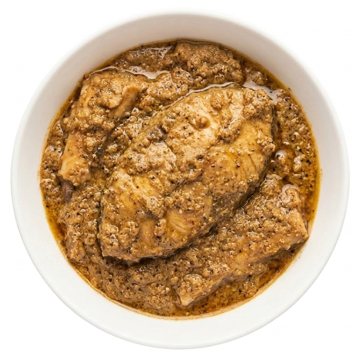
Machhali Musallam (Stuffed Fish)

Machhali Musallam

Stuffed Fish
Non-vegetarian●●●Origin AwadhPrep 1 hourCook 20 minutes

A regal preparation of whole fish, deep-fried until crisp and then enveloped in a rich, spiced yogurt-and-onion coating before baking. It is deeply aromatic, savoury, and succulent with a buttery finish.

Marinade spices

29 gMixed with lemon juice in step 2
Combine together into a smooth paste.

Spice paste aromatics

60 gStirred into the yogurt mixture in step 4
Weigh together in a small dish.

Finishing spices

2.9 gStirred into the cooked paste in step 6
Mix together in a bowl.

Everything else

01
Whole fishcleaned
1000 g
fish
02
Vegetable oil · Telplus extra for deep-frying and oiling
137 g150 ml
oil/fat
03
6 g1 tablespoon
flour
04
Butter · Makhanmelted, for basting
to taste
dairy
05
to taste
salt
06
61 g4 tablespoons
souring agent
07
254 g250 ml
dairy

Method

  1. Preheat the oven to 150°C (300°F). Score three deep diagonal cuts on each side of the 1000 g fish, cleaned, and lay it in a wide dish.
  2. Stir the marinade spices into 61.2 g lemon juice and add salt to taste. Spread this paste thoroughly over the fish, working it into the incisions, and leave to marinate for 5 minutes.
  3. Pour enough vegetable oil for deep-frying into a heavy pot and bring it to 180°C (350°F). Ease the fish into the hot oil, lower the heat slightly, and fry for about 4 minutes until crisp and golden on both sides. Transfer with a slotted spatula to drain on paper towels.
  4. Whisk together the spice paste aromatics, 100 g fried onion paste, 254 g plain yogurt, and salt to taste in a bowl until uniform.
  5. Warm 137 g vegetable oil in a large skillet over medium heat, tip in the yogurt mixture, and fry for 2 to 3 minutes until droplets of oil separate on top. Stir in 1 tablespoon chickpea flour, roasted, and cook for another 2 to 3 minutes.
  6. Take the pan off the heat. Stir in the finishing spices, 0.5 teaspoon coarsely ground, roasted spice, and salt to taste.
  7. Lightly oil a large roasting pan with vegetable oil and position the fried fish in it. Slather half of the cooked spice paste over the top surface, turn the fish, and coat the underside with the remaining paste. Cover and bake for 20 minutes, brushing regularly with melted butter.

Don't have something?

Whole fish
  • Whole pomfret

    Use the same weight; score and stuff it in the same way, then simmer for 8–10 minutes per side depending on size.

  • Whole mackerel

    Use the same weight; it is oilier and stronger in flavour, so reduce added oil and simmer a little less.

  • Whole firm white fish

    Use the same weight; it is milder and less oily, so handle gently and reduce simmering by 3–5 minutes.

Vegetable oil
  • Peanut oil

    Use 1:1 by weight. Handles high-heat frying identically and introduces a very subtle, pleasant nuttiness.

  • Ghee

    Use 1:1 by weight. Yields a much richer, authentic aroma and a glossy, heavier mouthfeel.

  • Mustard oil

    Use 1:1 by weight. Heat until smoking, then cool slightly before cooking to temper its intensely pungent, sharp mustard kick.

Chickpea flour
  • Yellow split pea flour

    Use 100% of the weight. Many commercial gram flours are milled from split peas; performs identically in pakora batters and kadhi.

  • Cornstarch

    For crisping batters or binding cutlets: use 50% to 60% of the weight. Produces a very crisp shell but lacks the earthy, roasted nutty flavour of besan.

Garam masala
  • Ground cumin

    Use 50% of the weight mixed with equal parts ground coriander and a pinch of ground cinnamon, ground cloves, and ground green cardamom. Sprinkle near the end for a warming finish.

  • Lentil stew spice mix

    Use 75% of the weight. Simmer briefly in the gravy; imparts roasted warmth and complexity, though it adds a slight tang and earthy lentil undertone.

Black pepper
  • Black peppercorn

    Use the same weight and crush or grind as the recipe needs; whole peppercorn is the same spice.

  • Ground black pepper

    Use the same weight; add nearer the end if the recipe calls for whole pepper, as ground loses aroma faster.

  • Ground white pepper

    Use about 75–80% of the weight; it is milder and earthier, with less bite.

Ground nutmeg
  • Nutmeg

    Grate whole nutmeg finely on a microplane; use 80% to 100% of the weight. Freshly grated nutmeg has significantly more aromatic oils and a more vibrant aroma.

  • Ground mace

    Use 100% to 120% of the weight. Mace is nutmeg's outer husk, providing almost identical warmth but with a lighter, slightly more delicate, floral edge.


  • Ground cinnamon (cassia)

    Use 75% of the weight. Adds comparable warmth and sweetness, though it lacks the musky, nutty undertone of nutmeg.

Butter
  • Unsalted butter

    Use 100% of the weight. If the original recipe relies on salted table butter, add a pinch of salt to balance.

  • Ghee

    Use 80% to 85% of the weight. Ghee is pure butterfat with moisture removed; it yields a deeper, nuttier flavour and handles high heat better.

  • Vegetable oil

    Use 80% of the weight for frying or tempering. The dish loses sweet dairy richness but remains glossy and light.

Ginger paste
  • Fresh ginger

    Use equal weight; peel and grate very finely on a microplane or pound to a fine paste in a mortar.

  • Ginger

    Use equal weight; mince finely and crush with the flat of a knife before frying.

  • Ground ginger

    Use 20% of the weight; add directly with the dry spice powders, though it yields an earthier, less pungent profile.

Garlic paste
  • Garlic

    Use equal weight; crush or finely grate to a smooth pulp to replicate the same fresh, pungent moisture in your base gravy.

  • Garlic powder

    Use 20 to 25% of the weight; mix with a teaspoon of water before adding to oil so it does not burn, noting it lacks the fresh bite.

Chilli powder
  • Red chilli powder

    Use 100% of the weight. Provides direct, sharp heat and red colour in equal measure.

  • Kashmiri chilli powder

    Use 150% to 200% of the weight if matching colour, but add a pinch of black pepper or hot chilli if you need equivalent fiery heat.

  • Cayenne pepper

    Use 75% to 100% of the weight. Offers a sharp, clean heat with slightly less earthy depth and less crimson colour.

Ground cinnamon
  • Ground Ceylon cinnamon

    Milder and sweeter than ground cassia: use about 1.5 times the weight.

  • Cassia bark (Chinese cinnamon)

    Grind the same weight of cassia bark in a spice mill until powdery, or simmer a piece whole and lift it out before serving.

  • Ground mace

    Use 40 to 50% of the weight; offers a delicate, sweet, woodsy fragrance that complements rich curries without dominating.

Lemon juice
  • Lime juice

    Use equal volume or weight; delivers almost identical sharp acidity with a faintly more aromatic, bitter-edged profile.

  • Dried mango powder

    Use 25% of the weight (about 1 g amchoor for 4 g juice); provides clean fruity tartness without thinning the sauce.

  • White vinegar

    Use 75% of the volume; gives direct sourness without any citrus floral fragrance.

Fried onion paste
  • Fried onions

    Blend the same weight with 1–2 tablespoons water to a smooth paste; add only enough water to grind.

  • Onion paste

    Fry the same weight in oil until deep golden, then mash or blend; cook a little longer to remove the raw taste.

  • Boiled onion paste

    Fry the same weight in oil until golden before use; it will be wetter, so cook until the oil separates.

Plain yogurt
  • Yogurt

    Use equal weight, whisked thoroughly until smooth before adding to hot dishes to prevent curdling.

  • Coconut milk

    Use equal weight with 1 teaspoon lemon juice mixed in. Provides rich creaminess in curries, but adds a noticeable coconut flavour.

  • Single cream

    Use 80% of the weight plus a squeeze of lemon juice for acidity. Enriches sauces nicely, though it is richer and less tangy.

Similar dishes

Dum ki Machhali
Slow-cooked Aromatic Fish
Dum ki Machhali tastes nuttier and more warmly spiced with cardamom and cloves in rich ghee, lacking the sharp, savory fried-onion depth of this dish.
  • Same: Like this dish, Dum ki Machhali pairs fish with a marinade of plain yogurt, lemon juice, ginger-garlic paste, chilli powder, cinnamon, and nutmeg.
  • Different: Instead of deep-frying and baking the fish with fried onion paste, chickpea flour, and vegetable oil, Dum ki Machhali slow-cooks in ghee using poppy seeds, mustard seeds, cardamom, cloves, and black cumin.
Karimeen Polichattu
Pearl Fish Pan Grilled in Banana Leaf
Karimeen Polichattu has a lighter, sharper, and herbal profile instead of the rich, buttery, and heavily spiced richness of this dish.
  • Same: Karimeen Polichattu also seasons fish with ginger, garlic, chilli powder, lemon juice, and vegetable oil.
  • Different: Karimeen Polichattu is pan-grilled in banana leaves with curry leaves, omitting the yogurt, fried onion paste, butter, chickpea flour, and warm spices like cinnamon and nutmeg found in this dish.
Bhunee Machhali
Grilled (Broiled) Trout
It tastes smokier and more pungent from the mustard oil and char, lacking the sweet, buttery richness of this dish's fried onion sauce.
  • Same: Bhunee Machhali also coats whole fish in a marinade seasoned with yogurt, lemon juice, ginger, garlic, and garam masala.
  • Different: Instead of being deep-fried and baked with fried onions, butter, cinnamon, and nutmeg, it is flavored with mustard oil, turmeric, and yellow chilli powder and grilled directly.
Sookhe Masala ki Machhali
Spicy Fried Fish
Sookhe Masala ki Machhali is drier, crunchier, and sharply spiced, lacking the rich, creamy gravy and sweet warmth of cinnamon and nutmeg found in this dish.
  • Same: Both recipes season fish with ginger, garlic, and red chilli powder alongside an acidic citrus marinade.
  • Different: Instead of deep-frying and baking a whole fish in a rich yogurt and fried-onion paste, Sookhe Masala ki Machhali coats fish pieces in breadcrumbs and shallow-fries them in ghee using ground coriander.