
Shai Dum ki Machhali
A fragrant baked fish dish layered with an herb marinade, a rich coconut-sesame sauce, and crisp fried onions.
Marinade spices
50 gBlended with herbs for the fish coating (step 1)Spice paste seeds
24 gBlended with coconut into a thick curry paste (step 2)Sauce turmeric
3 gBloomed in the fried onions (step 3)Everything else

Method
- In a food processor, blend 15 g coriander leaf, 8 tablespoon mint, 60 g green chilli, salt to taste, and the marinade spices to a uniform puree. Coat 1000 g fish evenly with this mixture, cover, and let it rest in the fridge for 1 hour.
- Preheat the oven to 220°C (425°F). Grind 60 g dried coconut together with the spice paste seeds and a splash of water until completely smooth.
- Warm 2 tablespoons of oil from the 250 g oil in a saucepan over medium heat. Fry 600 g onion for about 5 minutes until pale brown, stir in the sauce turmeric for 30 seconds, then add the blended coconut paste and cook for 1 to 2 minutes.
- Skim off any excess fat from the pan. Squeeze in 3 limes and stir in 500 ml water, then lower the heat and let the sauce simmer gently for 5 minutes.
- Warm the rest of the 250 g oil in a wide skillet, sear the fish on both sides for 2 to 3 minutes, then transfer it into a baking dish.
- Ladle the simmering sauce over the fish, seal the dish firmly with a lid or aluminium foil, and bake for 15 to 20 minutes until the flesh flakes easily.
- While the fish is in the oven, heat 1 tablespoon oil in a frying pan over low heat and sauté 450 g onion for about 10 minutes until browned and sweet. Scatter the browned onions across the baked fish before serving.
Don't have something?


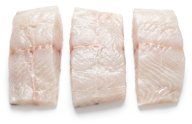 Firm white fish fillet
Use the same weight, cut into pieces. Cooking time depends on thickness; check after 5 minutes.
 Fish fillet
Use the same weight, bone and cut as needed. Adjust salt; fillets cook faster than whole fish.
 Whole fish
Use the same weight, clean, scale and cut into steaks or pieces. Add 3–5 minutes cooking time for bone-in pieces.


 Mustard oil
Use the same weight. Heat until smoking, then cool for 2 minutes before cooking; it is pungent and changes the flavour strongly.
 Groundnut oil
Use the same weight. It is neutral, so add 1 tsp toasted sesame seeds for aroma.
 Vegetable oil
Use the same weight. It is neutral and lacks sesame flavour; finish with a few drops of toasted sesame oil if you have it.






 Ground ginger
Use 50% of the weight. Mimics turmeric's warm, earthy, rhizome background, but provides none of the golden-yellow colour.
 Saffron
Steep a tiny pinch (0.1 g per 2 g turmeric) in 2 tbsp warm water; use to match the rich golden hue. Contributes an aristocratic, honeyed floral flavour rather than earthy bitterness.



 Lemon juice
Use equal volume or weight; slightly sweeter and less pungent, but otherwise an imperceptible swap.
 Dried mango powder
Use 25% of the weight; imparts dry, fruity sourness, best stirred in right at the end of cooking.
 Tamarind extract
Use 50% of the weight; delivers pleasant fruity tang but turns pale sauces considerably darker.


 Dried mint
Use about 30% of the weight of fresh mint. Rub between your palms to crush before stirring in; the flavour will be more intensely herbal and less bright.
- Coriander leaf
Use equal weight, finely chopped. Adds fresh citrusy green notes, but lacks the cooling menthol lift.


 Chilli powder
Use 10 to 15% of the weight (about 1/4 teaspoon per chilli); imparts dry pungent heat and reddens the dish without the grassy crunch.
 Dried red chilli
Use 1 dried pod per fresh green chilli; snap in half and temper in hot oil for a deeper, toastier heat.


 Garlic
Use equal weight; crush or finely grate to a smooth pulp to replicate the same fresh, pungent moisture in your base gravy.
 Garlic powder
Use 20 to 25% of the weight; mix with a teaspoon of water before adding to oil so it does not burn, noting it lacks the fresh bite.


 Fresh ginger
Use equal weight; peel and grate very finely on a microplane or pound to a fine paste in a mortar.
 Ginger
Use equal weight; mince finely and crush with the flat of a knife before frying.
- Ground ginger
Use 20% of the weight; add directly with the dry spice powders, though it yields an earthier, less pungent profile.


 Cumin seed
Dry-roast briefly and grind finely; use equal weight (1:1). Imparts an even punchier, nuttier, toasty aroma than pre-ground cumin.
 Ground coriander
Use equal weight (1:1). Adds mild, lemony sweetness rather than cumin's smoky, earthy bite; curries will taste lighter and less savoury.
 Black cumin seeds
Grind finely; use 60% to 75% of the weight. Produces a darker, more complex, smoky-herbal flavour suited to rich gravies.


 Desiccated coconut
Use equal weight; texture is much finer, so roast very cautiously over low heat if the recipe requires browning for spice pastes.
 Fresh coconut
Finely slice or grate and use 140% of the weight to offset the extra water, or dry-roast in a bare pan until moisture evaporates completely.


 White sesame seed
Use the same weight. Toast lightly before use; white seeds are milder and give a cleaner look.
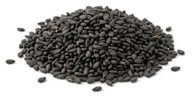 Black sesame seed
Use the same weight. They are stronger and more bitter; toast briefly and use slightly less if the dish is delicate.
 Peanut
Use the same weight, crushed or chopped. It gives crunch but not the same nutty sesame aroma.


 Cashew nut
Use equal weight. Soak in warm water for 20 minutes and grind to a smooth paste; produces an even creamier, slightly richer gravy than poppy seeds.
- White sesame seed
Use equal weight. Soak and grind finely; provides similar thickening and body with a slightly nuttier, faintly bitter edge.
 Almond
Use equal weight. Blanch, peel, and grind finely with a splash of water; lends a velvety body and gentle sweetness to gravies.


Similar dishes

- Same: Tikha Maslyatil Tali Macchi also features fish seasoned with ginger paste, garlic paste, green chillies, ground cumin, and turmeric.
- Different: Rather than being baked with fresh mint, coriander leaves, and a rich paste of coconut, sesame seeds, poppy seeds, and over a kilogram of onions, it is fried in vegetable oil with added lime juice and ground coriander.

- Same: Both dishes season fish with a blend of fresh coriander, mint, green chillies, garlic paste, ginger paste, turmeric, and cumin.
- Different: Hariyali Macchi is skewered and charred using monkfish, spinach, lemon juice, and chaat masala, omitting the large quantity of onions, coconut, poppy seeds, and sesame seeds baked into this dish.

- Same: Machhali ka Qorma shares a base of onions, ginger, garlic, cumin, and turmeric, thickened with both poppy and sesame seeds.
- Different: Instead of being baked with fresh herbs, green chillies, and dried coconut, it is braised on the stovetop in ghee with plain yogurt and coriander seeds.

- Same: Musallam Bharwan Machhali shares fish, onion, lime, mint, coriander, ginger, garlic and salt with this dish.
- Different: Musallam Bharwan Machhali uses a whole stuffed fish cooked gently with ghee and vegetable oil, while this dish is baked with a coconut-sesame-poppy sauce, turmeric, cumin, green chilli and crisp fried onions.