
Chowgara
A fragrant Deccan-style vegetable medley gently braised in a lightly spiced yogurt gravy with a bright splash of lemon. It balances tender fried vegetables with rich warming spices and a delicate tang.
Chilli-turmeric blend
4.1 gMixed with water and added to the onions (step 4)Finishing spices
2.5 gSprinkled over the cooked vegetables at the end (step 6)Ginger and garlic paste
10 gFried with the browned onions (step 4)Everything else

Method
- Grind the finishing spices together with 0.5 teaspoon caraway seeds to a fine powder, then set aside.
- Stir the chilli-turmeric blend with 2 tablespoons of water in a small bowl until completely blended.
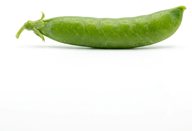
- Warm half of the vegetable oil (27–40 g of the 54–81 g total) in a broad, heavy pot over medium heat. Fry 600 g potato, the peas, carrots, green beans, cauliflower, and aubergine in separate batches for 5 to 10 minutes until partly cooked through, then remove and set aside.
- Pour the remaining vegetable oil into the pan over medium heat. Add 150 g onion and sauté for roughly 3 minutes until pale golden, then tip in the ginger and garlic paste and fry for 1 minute.
- Add salt to taste, pour in the chilli-turmeric blend, and return all the fried vegetables to the pot.
- Gently fold in 120 g plain yogurt, cover the pan, and simmer over medium heat for about 5 minutes until the vegetables are completely tender.
- Uncover, dust the surface with the finishing spices, pour over 15.3 g lemon juice, check the seasoning, and toss everything gently to coat.
Don't have something?


 Peanut oil
Use 1:1 by weight. Handles high-heat frying identically and introduces a very subtle, pleasant nuttiness.
 Ghee
Use 1:1 by weight. Yields a much richer, authentic aroma and a glossy, heavier mouthfeel.
 Mustard oil
Use 1:1 by weight. Heat until smoking, then cool slightly before cooking to temper its intensely pungent, sharp mustard kick.



 Eggplant
Use equal weight. Cut into large chunks; cooks down much faster (10-12 minutes) and softens into the sauce rather than staying starchy and firm.
 Paneer
Use 80% of the weight. Cube and add in the last 5-10 minutes of cooking; adds rich dairy protein instead of starchy bulk.
 Dried chickpea
Use 45% dry weight. Soak overnight and boil until fully soft before stirring into the sauce to simmer for 10 minutes.




 Turnip
Use the same weight; peel and cut as for carrot. It is less sweet and slightly peppery, so add a pinch of sugar and expect a softer, more earthy result.
- Potato
Use the same weight; cut into similar pieces and add 5–10 minutes' extra cooking. It gives bulk but no carrot sweetness or colour.
 Courgette
Use the same weight; cut a little larger and add near the end. It releases water, so reduce other liquid slightly and expect a softer texture.


 Green bean
Use the same weight, top and tail, and cook the same way. Closest match.
 French bean
Use the same weight and trim; cooking time is the same.
 Cluster bean
Use the same weight, cut into similar lengths, and cook 2 minutes longer until tender.


 Broccoli
Use the same weight; cut into similar florets and cook 2–3 minutes less. It is greener and slightly stronger in flavour.
 Cauliflower floret
Use the same weight and break into even florets. This is essentially the same vegetable, so cooking and flavour change little.
 Cabbage
Use the same weight; cut into wedges and cook 3–5 minutes less. It becomes much softer and sweeter, so the dish loses cauliflower's bite.


 Baby aubergine
Use the same weight; halve or quarter and cook 2–3 minutes longer. They hold their shape better in the sauce.
 Small aubergine
Use the same weight; slice or cube to the recipe's size. Similar flesh, slightly firmer.
 Round aubergine
Use the same weight; cube and salt for 10 minutes if the recipe does. It absorbs oil a little more.


 Ground ginger
Use 50% of the weight. Mimics turmeric's warm, earthy, rhizome background, but provides none of the golden-yellow colour.
 Saffron
Steep a tiny pinch (0.1 g per 2 g turmeric) in 2 tbsp warm water; use to match the rich golden hue. Contributes an aristocratic, honeyed floral flavour rather than earthy bitterness.


 Red chilli powder
Use 100% of the weight. Provides direct, sharp heat and red colour in equal measure.
 Kashmiri chilli powder
Use 150% to 200% of the weight if matching colour, but add a pinch of black pepper or hot chilli if you need equivalent fiery heat.
 Cayenne pepper
Use 75% to 100% of the weight. Offers a sharp, clean heat with slightly less earthy depth and less crimson colour.


 Green cardamom seed
Use 35 to 40% of the total pod weight; lightly bruise the seeds before frying in oil to release their essential oils.
 Ground green cardamom
Use 20 to 25% of the pod weight (about 1 generous pinch per pod); stir in toward the end of cooking so the delicate floral notes do not dissipate.
 White cardamom pod
Use 1:1 by pod count or weight; crack gently before using, though it is slightly less intensely floral.


 Ground cloves
Use 1 g ground for 4 g whole (or 1 small pinch per 2 to 3 whole cloves). Add with spice powders; disperses intense warmth quickly, so use with restraint.
 Allspice berries
Use 100% of the weight whole in tempering. Imparts a warm, clove-like aromatic profile combined with hints of nutmeg and cinnamon.
 Black cardamom pod
Use 1 pod for 3 to 4 cloves in whole tempering. Shares a camphor-like warmth and medicinal depth, though it introduces a distinct smoky undertone.


 Cinnamon stick
Use a 2 cm piece (about 1 g) for every 1 to 2 bay leaves. Fry in whole-spice temperings; provides the cassia-like warmth typical of Indian tejpatta.
 Ground cinnamon (cassia)
Use 0.5 g per leaf. Stir into the sauce during simmering; gives the same warm woodiness but darkens the colour slightly.

 Ceylon cinnamon
True cinnamon: thinner, papery quills, milder and sweeter. Use about 1.5 times the weight, and taste.
- Ground cinnamon (cassia)
Use about a third of the weight (0.5 g ground for a 2.5 cm piece), stirred in with the ground spices rather than fried whole, since the powder burns quickly.
 Cassia buds
Use 60-70% of the weight; stronger and more peppery, so taste before adding more.


 Fennel seed
Same weight, lightly crushed; sweeter and milder but the closest match for the anise note.
 Cumin seed
Use two-thirds the weight; earthier and warmer, losing most of the aniseed character — good in breads and root vegetables.
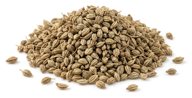 Carom seeds
Use half the weight; much more pungent and thyme-like, so add early in hot oil to soften it.






 Fresh ginger
Use equal weight; peel and grate very finely on a microplane or pound to a fine paste in a mortar.
 Ginger
Use equal weight; mince finely and crush with the flat of a knife before frying.
- Ground ginger
Use 20% of the weight; add directly with the dry spice powders, though it yields an earthier, less pungent profile.


 Garlic
Use equal weight; crush or finely grate to a smooth pulp to replicate the same fresh, pungent moisture in your base gravy.
 Garlic powder
Use 20 to 25% of the weight; mix with a teaspoon of water before adding to oil so it does not burn, noting it lacks the fresh bite.


 Yogurt
Use equal weight, whisked thoroughly until smooth before adding to hot dishes to prevent curdling.
 Coconut milk
Use equal weight with 1 teaspoon lemon juice mixed in. Provides rich creaminess in curries, but adds a noticeable coconut flavour.
 Single cream
Use 80% of the weight plus a squeeze of lemon juice for acidity. Enriches sauces nicely, though it is richer and less tangy.


 Lime juice
Use equal volume or weight; delivers almost identical sharp acidity with a faintly more aromatic, bitter-edged profile.
 Dried mango powder
Use 25% of the weight (about 1 g amchoor for 4 g juice); provides clean fruity tartness without thinning the sauce.
 White vinegar
Use 75% of the volume; gives direct sourness without any citrus floral fragrance.


Similar dishes
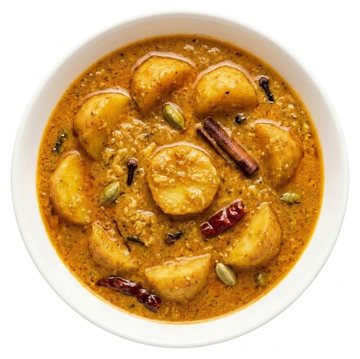
- Same: Both dishes braise fried potatoes in a yogurt gravy seasoned with turmeric, ginger, cardamom, cloves, cinnamon, and bay leaf.
- Different: Aloo Dum cooks in ghee instead of vegetable oil, omits the onion, garlic, and lemon juice of this dish, and incorporates khoya, milk, sugar, and asafoetida.
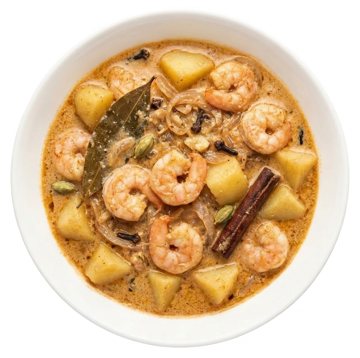
- Same: Doi Jhingri shares a yogurt gravy seasoned with chilli powder and whole aromatics like cinnamon, cloves, green cardamom, and bay leaves over potatoes.
- Different: Doi Jhingri incorporates prawns and sugar cooked in ghee instead of vegetable oil, while omitting this dish's lemon juice and ground turmeric.

- Same: Both dishes feature potatoes and onions simmered with ginger, garlic, and whole warm spices including cardamom, cloves, cinnamon, and bay leaves.
- Different: Ishtoo (II) uses a coconut milk base with fresh green chillies and curry leaves, whereas this dish uses cooking oil, yogurt, lemon juice, turmeric, and ground red chilli.

- Same: Subz Khara Masala shares with this dish a mixed-vegetable base of potato, peas, carrot, French green beans, and cauliflower braised with plain yogurt, turmeric, chilli powder, ginger paste, and garlic paste.
- Different: Subz Khara Masala uses peanut oil instead of vegetable oil, adds tomato, spring onion, green chilli, dried red chilli, coriander leaf, and fenugreek leaves, omits aubergine and the lemon juice, cardamom, clove, bay leaf, cinnamon, and caraway seeds, and uses more yogurt and oil.