Indian cooking
Indian cooking / Dishes / Doi Jhingri
Doi Jhingri (Prawns (Shrimp) Cooked in Yoghurt)

Doi Jhingri

Prawns (Shrimp) Cooked in Yoghurt
Non-vegetarian●●●Origin West BengalPrep 20 minutesCook 20 minutes

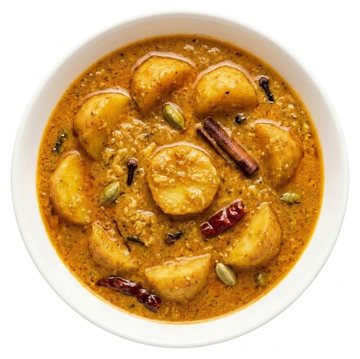
Succulent prawns and tender potatoes cooked in a spiced yoghurt gravy infused with whole sweet aromatics. The sauce is mildly spiced, gently sweetened, and delicately tangy.

Chilli powder for the yoghurt

2.6 gWhisked into the yoghurt (step 2)
01
2.6 g1 teaspoon
spice
Keep as a ground powder to blend into the yoghurt.

Whole spices for the ghee

2.5 gBloomed in the hot ghee (step 3)
01
0.5 g1 leaf
spice
03
0.3 g4 cloves
spice
04
1.3 g1 piece
spice
Leave whole; they will sizzle together in the fat.

Everything else

01
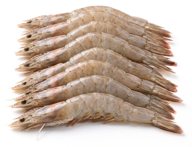
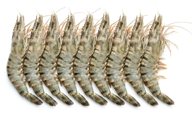
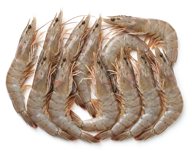
Small prawn · Chhota jhingapeeled and deveined
300 g
seafood
02
103 g100 ml
dairy
03
53 g4 tablespoons
oil/fat
04
Onion · Pyazthinly sliced
300 g2 onions
vegetable
05
1.5 g½ clove
aromatic
06
Potato · Aloocut into bite-sized pieces
600 g2 potatoes
vegetable
07
4.2 g1 teaspoon
sweetener
08
to taste
salt

Method

  1. Place 300 g prawns in a shallow dish, sprinkle with salt to taste, then cover and set aside.
  2. Whisk 103 g yogurt in a small bowl until smooth, then mix in 1 tbsp ginger paste and the chilli powder for the yoghurt.
  3. Warm 52.8 g ghee in a large, heavy saucepan over high heat, then drop the heat slightly and add the whole spices for the ghee. Sauté for about 2 minutes until fragrant and deepened in colour.
  4. Add 300 g onion and 1.5 g garlic, frying for roughly 2 minutes until the onions soften and become translucent.
  5. Stir in 600 g potato and cook for 5 minutes, splashing in a few drops of water if the pan becomes too dry.
  6. Take the pan off the heat and stir in the spiced yoghurt mixture a little at a time. Set the pan back over medium heat, stir in 4.2 g granulated sugar, and cook for 5 minutes.
  7. Lower the heat to gentle, slide in the reserved prawns, and cook for about 5 minutes until they turn pink and are just cooked through.

Don't have something?

Small prawn
  • Prawn

    Use the same weight; cut large prawns into 2 cm pieces. Add 1–2 minutes earlier than small prawns.

  • Tiger prawn

    Use the same weight; cut into small pieces. They need 1–2 minutes more cooking and release more liquid.

  • King prawn

    Use the same weight; chop roughly. Cook 1–2 minutes longer; do not overcook or they toughen.

Yogurt
  • Plain yogurt

    Use 100% of the weight. Whisk thoroughly until smooth before stirring into warm gravies to prevent curdling.

  • Single cream

    Use 90% of the weight combined with 10% lemon juice to replicate the lactic tang and rich body in marinades and curries.

Ginger paste
  • Fresh ginger

    Use equal weight; peel and grate very finely on a microplane or pound to a fine paste in a mortar.

  • Ginger

    Use equal weight; mince finely and crush with the flat of a knife before frying.

  • Ground ginger

    Use 20% of the weight; add directly with the dry spice powders, though it yields an earthier, less pungent profile.

Chilli powder
  • Red chilli powder

    Use 100% of the weight. Provides direct, sharp heat and red colour in equal measure.

  • Kashmiri chilli powder

    Use 150% to 200% of the weight if matching colour, but add a pinch of black pepper or hot chilli if you need equivalent fiery heat.

  • Cayenne pepper

    Use 75% to 100% of the weight. Offers a sharp, clean heat with slightly less earthy depth and less crimson colour.

Ghee
  • Unsalted butter

    Use 120% of the weight; melt gently over low heat to avoid burning the milk solids, which will yield a softer, creamier richness rather than a nutty aroma.

  • Vegetable oil

    Use 85% of the weight; holds high cooking temperatures without smoking, but the final dish will lack traditional dairy depth.

  • Mustard oil

    Use equal weight; heat to smoking point and cool slightly before cooking, bearing in mind it introduces an assertive, pungent edge.

Bay leaf
  • Cinnamon stick

    Use a 2 cm piece (about 1 g) for every 1 to 2 bay leaves. Fry in whole-spice temperings; provides the cassia-like warmth typical of Indian tejpatta.

  • Ground cinnamon (cassia)

    Use 0.5 g per leaf. Stir into the sauce during simmering; gives the same warm woodiness but darkens the colour slightly.

Green cardamom pod
  • Green cardamom seed

    Use 35 to 40% of the total pod weight; lightly bruise the seeds before frying in oil to release their essential oils.

  • Ground green cardamom

    Use 20 to 25% of the pod weight (about 1 generous pinch per pod); stir in toward the end of cooking so the delicate floral notes do not dissipate.

  • White cardamom pod

    Use 1:1 by pod count or weight; crack gently before using, though it is slightly less intensely floral.

Clove
  • Ground cloves

    Use 1 g ground for 4 g whole (or 1 small pinch per 2 to 3 whole cloves). Add with spice powders; disperses intense warmth quickly, so use with restraint.

  • Allspice berries

    Use 100% of the weight whole in tempering. Imparts a warm, clove-like aromatic profile combined with hints of nutmeg and cinnamon.

  • Black cardamom pod

    Use 1 pod for 3 to 4 cloves in whole tempering. Shares a camphor-like warmth and medicinal depth, though it introduces a distinct smoky undertone.

Cassia bark
  • Ceylon cinnamon

    True cinnamon: thinner, papery quills, milder and sweeter. Use about 1.5 times the weight, and taste.

  • Ground cinnamon (cassia)

    Use about a third of the weight (0.5 g ground for a 2.5 cm piece), stirred in with the ground spices rather than fried whole, since the powder burns quickly.

  • Cassia buds

    Use 60-70% of the weight; stronger and more peppery, so taste before adding more.

Onion
  • Shallot

    Use equal weight, finely sliced. Shallots soften and brown faster, giving a slightly sweeter and more delicate base to curries.

  • Cabbage

    Use 80% of the weight, finely shredded and browned slowly with a pinch of asafoetida. Replicates the bulk and natural sweetness in gravies without allium.

Garlic
  • Garlic paste

    Use equal weight. Fry gently in oil or ghee with the ginger; incorporates smoothly into curries without visible minced bits.

  • Garlic powder

    Use 15% to 20% of the weight (about 1 g for every 5 to 6 g fresh cloves). Whisk into sauces; gives a savoury, toasted garlic flavour without raw pungency.


  • Shallot

    Use 1.5 times the weight, very finely minced. Sauté until golden; provides savoury allium sweetness, though it lacks garlic's pungent sulphur bite.

Potato
  • Eggplant

    Use equal weight. Cut into large chunks; cooks down much faster (10-12 minutes) and softens into the sauce rather than staying starchy and firm.

  • Paneer

    Use 80% of the weight. Cube and add in the last 5-10 minutes of cooking; adds rich dairy protein instead of starchy bulk.

  • Dried chickpea

    Use 45% dry weight. Soak overnight and boil until fully soft before stirring into the sauce to simmer for 10 minutes.

Granulated sugar
  • Jaggery

    Use equal weight; grate or shave finely so it dissolves rapidly, giving a warm, caramel-like sweetness and slightly darker sauce.

Similar dishes

Chowgara
Mixed Vegetables from Deccan
Chowgara has a sharper, more citrus-forward tang and lacks the buttery sweetness of this dish.
  • Same: Chowgara also braises potatoes in a yogurt gravy seasoned with onions, ginger, garlic, chilli powder, bay leaves, cinnamon, cloves, and cardamom.
  • Different: Chowgara is an all-vegetable dish made with vegetable oil, turmeric, and lemon juice instead of using ghee, sugar, and prawns.
Aloo Dum
Potato Curry
Aloo Dum tastes noticeably sweeter, heavier, and creamier than this dish, lacking its savory onion-garlic base and seafood flavor.
  • Same: Both dishes cook potatoes in a yogurt gravy seasoned with ghee, ginger, cinnamon, cardamom, cloves, and bay leaf.
  • Different: Aloo Dum is purely vegetarian and adds khoya, milk, turmeric, and asafoetida with much more ghee, but leaves out the prawns, onions, and garlic used in this dish.
Kolambini Bharaleli Bhaji
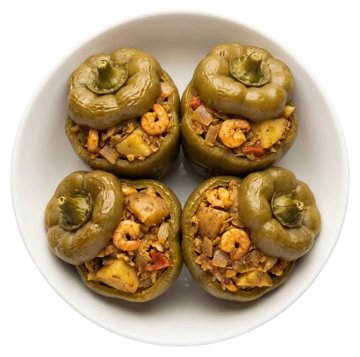
Prawns (Shrimp) with Stuffed Steamed (Bell) Peppers
It tastes tangier from lime instead of yogurt, earthier from cumin, coriander, and turmeric, and less creamy and ghee-rich than this dish, with a sweet, juicy stuffed-pepper character.
  • Same: Kolambini Bharaleli Bhaji shares small prawns, potato, onion, ginger, chilli powder, granulated sugar, and salt with this dish.
  • Different: It adds bell pepper, tomato, lime juice, vegetable oil, ground coriander, ground cumin, garam masala, turmeric, and garlic paste, while this dish uses yogurt, ghee, bay leaf, green cardamom, clove, and cinnamon and cooks prawns and potato in a spiced yoghurt gravy.
Balchao
Prawn (Shrimp) Balchao
Balchao is significantly hotter and sharper with an intense vinegar bite, whereas this dish is mild, rich, and delicately tangy from yogurt.
  • Same: Both preparations cook prawns with an aromatic base of onions, ginger, garlic, cinnamon, cardamom, cloves, and sugar.
  • Different: Balchao omits the potatoes, yogurt, and ghee used in this dish, creating a relish with tomatoes, vinegar, cumin seeds, curry leaves, and a heavy amount of dried red chillies.